


Have you ever imagined that an outfit could work like a mini spaceship? Space suits mix striking designs with a rich history to keep astronauts safe in the toughest conditions. They act like layered shields, protecting essentials like air, temperature, and communication while astronauts work outside their spacecraft. Every part of the suit has a special job, turning simple fabric and metal into gear that can save a life. Let’s dive into the story and smart innovations that make these suits a must-have for space exploration.
Understanding Space Suit Fundamentals
Imagine a space suit as a tiny spaceship you wear. It’s built to let one astronaut work outside the main vehicle by keeping everything they need, like air and temperature control, right at hand. Have you ever thought about how cool that is?
Inside, the suit is made of several layers that work together like a team. The innermost layer acts like an oxygen pouch, safely storing pure oxygen. Next comes a special layer that holds the suit’s shape, and the outer layer is a slim, protective shield that handles wild temperature changes and guards against tiny space particles. It’s a bit like bundling up with several layers on a chilly day, each one does its job.
The suit is filled with pure oxygen at 29.7 kilopascals (that’s a way to measure pressure). This pressure gives the suit a firm, round shape, kind of like a basketball you can wear. Besides maintaining the right pressure, the system also keeps the temperature in check (from as cold as -157 °C to as warm as +121 °C) and shields the wearer from the sun’s harsh rays and speeding micrometeoroids.
And there’s more, communication tools are built right into the suit. This means that even when astronauts are far from their spacecraft, they can still stay in touch with their team. It’s amazing to think that before these high-tech suits, space pioneers faced extreme conditions with very basic gear!
Engineering Space Suit Components
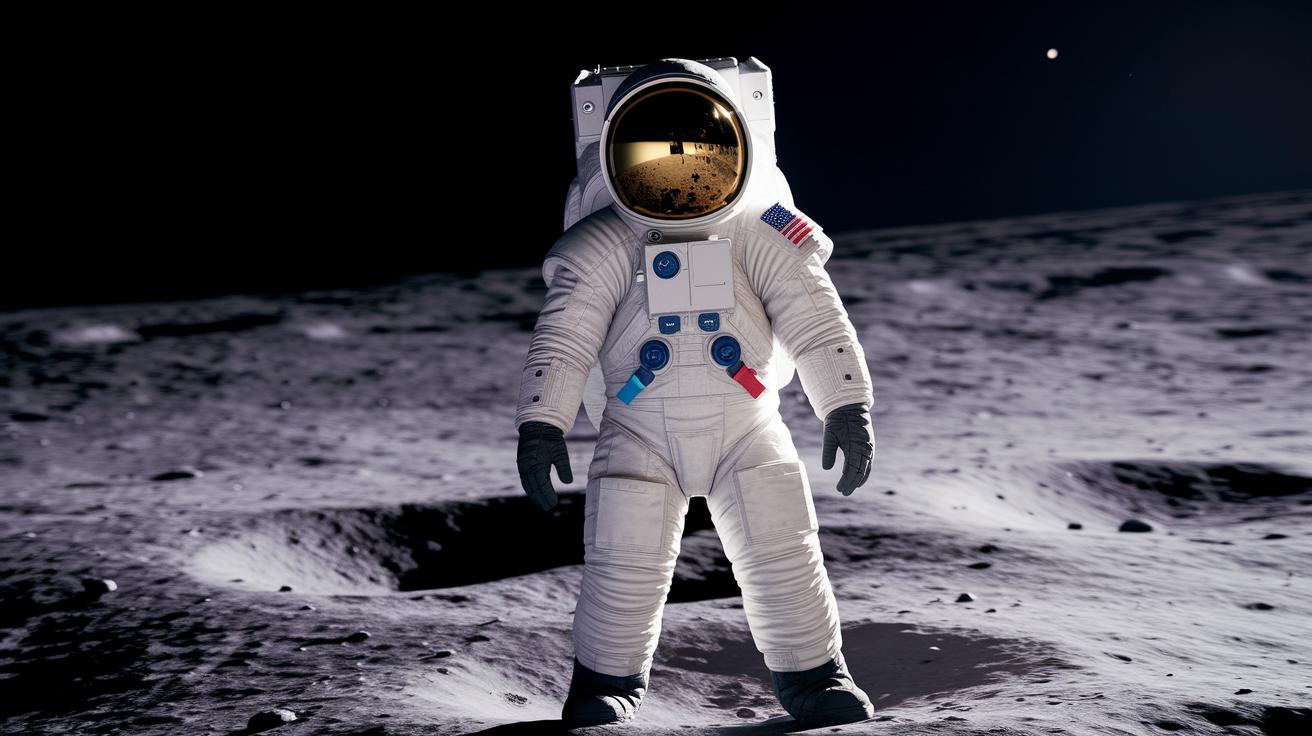
The heart of these cool new suits is their modular EMU design. They’re built around three main parts: a sturdy upper torso, a lower body unit, and a Portable Life Support System (a self-contained pack that helps astronauts breathe and stay comfy). This setup breaks things down into neat sections, making it easier for engineers to tailor each part for better performance. Think of it as a puzzle where every piece is made to fit just right, all working together to keep the astronaut safe.
The helmet is a modern wonder. Made from tough impact-resistant polycarbonate, it sports a gold-coated visor that helps block out harsh solar rays. Built-in communications let astronauts stay in constant contact with mission control. It’s like having a nifty gadget that mixes safety and communication, just as your smartphone combines a few cool features in one device.
Glove design is equally important. Engineers have outfitted these gloves with multi-stage joint bearings (little parts that let the glove bend smoothly) to ensure flexibility while keeping the hands protected. With silicone fingertips boosting touch sensitivity, astronauts can handle delicate tasks, even in space. Imagine trying to solve a Rubik’s Cube while wearing bulky mittens; these gloves are built to give you the perfect mix of grip and flexibility.
Moving around in the suit is made easier thanks to advanced joints with a clever design that allows up to 30° of bending in key areas. This extra flexibility is essential during spacewalks when every move counts. Plus, with integrated radio and data telemetry modules (tools that send real-time voice and health info), everything works together seamlessly. This smart design not only ramps up safety but also keeps the user interface clear and simple.
The Evolution of Space Suit Design
Back in 1961, space suit design got a thrilling upgrade. Yuri Gagarin’s SK-1 training suit featured a pressure layer and a thermal liner that helped him tackle the chilly, high-altitude conditions during training. Imagine gearing up for space in a suit built to brave the extreme cold, every layer really mattered.
That very same year, Alan Shepard’s Mercury suit went through its own test. On May 5, 1961, his suit handled a 15-minute suborbital flight and even survived an Atlantic splashdown. It showed us that even the earliest space gear could stand up to the tough demands of space exploration.
By 1965, lessons from the Gemini missions led to more improvements. The suits were reworked to include better cooling systems and more flexible joints because overheating and stiffness had become serious issues during spacewalks. It’s kind of cool to think how these challenges pushed engineers to make smarter, more practical designs.
Then came a game-changing moment in 1969 with the Apollo A7LB suits. These suits were custom-made with soft, bendy joints, letting Neil Armstrong take that historic walk on the Moon. They combined smart design with real comfort, supporting one of humanity’s most amazing achievements.
Modern Extravehicular Space Suit (EMU) Systems

Since 1981, the ISS EMU has been our trusted partner for spacewalks, tallying over 200 missions outside the station. Think of it as a wearable spacecraft, it’s made up of a reliable life-support backpack and a dual-layered pressure suit that works together to provide astronauts with the necessary air and pressure while they brave the vast vacuum of space.
NASA’s new xEMU, designed for Artemis missions, takes things a step further. It reduces joint strain and offers a wider range of movement, so every twist and step on the lunar surface feels more natural rather than clunky. Custom-fit adjustments mean each astronaut gets a suit tailored just to their size, making those long journeys on the Moon much more comfortable.
Meanwhile, commercial innovators are giving space gear an exciting makeover too. SpaceX’s Dragon suits, first introduced in 2016, sport a sleek, one-piece design with touchscreen-compatible gloves that simplify interactions with onboard systems. Plus, integrated communications keep astronauts connected to mission control even when they’re far away from their spacecraft. Axiom Space isn’t far behind, they’re working on suits featuring modular life-support units and configurable boots, aimed at supporting commercial orbital flights. This mix of designs shows that the world of space travel is opening up to both government and private ventures.
Each of these new systems builds on decades of hard-earned expertise, blending advanced engineering with real-world functionality. Comparing NASA’s evolving designs with those from SpaceX and Axiom, it’s easy to see the trend: better performance, improved mobility, and enhanced safety for everyone venturing into space.
Advanced Materials and Insulation in Space Suits
Multi-layer insulation is like the unsung hero of a space suit, it keeps astronauts comfortable even when temperatures swing wildly. Imagine it as a futuristic winter jacket made with layers of aluminized Mylar and Dacron netting, built to handle temperatures from freezing cold to scorching hot. Think of it as having a suit that can protect you as if you were switching from a snowy winter morning to a hot desert afternoon.
The suit’s outer layers use tough fabrics like Kevlar and Teflon. These materials work a bit like a super-strong raincoat that not only keeps you dry but also shields you from tiny space debris and scratches. It’s as if you had a jacket that could stop pebble-sized bits from scratching you while you’re out exploring.
New discoveries in material science are making these suits even better. Scientists are trying out ultra-high-molecular-weight polyethylene fibers, which aim to keep the suit light without losing any strength. This clever mix of lightness and strength is key as we prepare for even more exciting space adventures.
The way these suits are put together is also evolving. With automated welding and 3D-printed joints, every piece of the suit fits perfectly, like a puzzle with flawless pieces. These methods help reduce the chances of leaks and ensure that every part works smoothly to keep astronauts safe in the vastness of space.
Future Concepts for Space Suit Designs on Mars

Imagine a suit built specifically for Mars that adapts to the planet’s swirling dust storms and sudden temperature shifts. Engineers are crafting designs with seals that keep Martian dust out and special coatings that handle the red planet’s unique heat and cold. These thermal layers help protect astronauts from intense sunlight and the freezing Martian nights, making long walks in lower gravity much safer.
Then there’s a cutting-edge twist: using digital twin models paired with VR fit tests. Picture this, you get a suit designed in a virtual space that fits every curve perfectly, just like ordering a custom outfit online, but for space. This smart, digital tailoring means every movement is natural and unhindered during those extended missions.
There’s more on the horizon too. Future suits might feature 3D-printed, modular parts that you can quickly replace right on Mars. Plus, built-in sensors and active cooling systems will constantly monitor astronaut health and body temperature. In truth, this isn’t just about making a suit, it’s about creating a lifesaving, adaptable platform that lets us truly thrive on the Red Planet.
Final Words
In the action of unraveling space suit innovation, we traveled from the basics of life support and pressure regulation to the engineering excellence behind helmet technology and glove design. We traced historical milestones and modern advances that shape our current space suit systems and materials innovations.
This exploration reveals how science and tech work hand in hand to push boundaries. The future beams with promise as new designs spark fresh ideas for space exploration. Stay inspired and keep your curiosity alive!
FAQ
How much does a real space suit cost?
The real cost of a space suit depends on its design and function. Advanced suits built for spacewalks with integrated life-support and safety features typically run in the millions of dollars.
What is a space suit called?
The space suit is often called an Extravehicular Mobility Unit (EMU), serving as a personal spacecraft that supports life, mobility, and protection during spacewalks.
What is a space suit made of?
The space suit is made of multi-layer materials including oxygen-retention bladders, thermal fabrics with aluminized Mylar, Kevlar protection, and advanced composites to maintain pressure and shield from space hazards.
How is a space suit designed and drawn?
The space suit design integrates pressure regulation, thermal control, and mobility joints. Concept drawings illustrate a layered construction that balances safety, comfort, and protection from space conditions.
What is a space suit helmet like?
The space suit helmet features a durable polycarbonate shell, a gold-coated visor for solar protection, and integrated communications, ensuring clear visibility and reliable performance during space missions.
How heavy is a space suit?
The weight of a space suit on Earth can reach hundreds of pounds due to its life-support backpack and protective layers, though microgravity during space missions renders its effective weight much less.
Are real space suits available for purchase?
Real space suits are custom-built for space agencies or commercial missions and are not available off the shelf. They undergo rigorous design and testing to meet strict safety and performance standards.
Why are two NASA astronauts stuck in space?
Reports of NASA astronauts being stuck in space usually refer to temporary technical holds or procedural delays during a spacewalk. Safety protocols ensure that any issues are resolved quickly.