


Have you ever seen the Moon change its look ever so slightly from night to night? This curious shift is called lunar libration, and it gives us a little peek at parts of the Moon that are usually hidden. It isn't a mistake or an error; it's just a natural wobble that lets us view roughly 9% extra of the Moon's surface. In this article, we'll explore how different movements create this extra view and why it matters to both casual moon lovers and dedicated scientists.
Lunar Librations Explained: Causes, Types, and Significance
The Moon has a gentle wobble called lunar libration that lets us see a little extra beyond its usual face. Even though the Moon mostly shows us the same side every time, this small shift is like peeking behind a normally closed door, offering surprising views of areas that are usually hidden.
This wobble comes from three different effects working together. First, as the Moon moves in its oval orbit, it speeds up when it’s closer to Earth and slows down when it’s farther away, causing a slight east-west shift. Then, because the Moon’s path is tilted about 5° compared to its own axis, we also catch a small north-south nod. And finally, as we see the Moon from various spots on Earth, our changing viewpoint adds a daily twist to the view. Together, these effects let us see roughly 9% more of its surface.
This extra peek is really important for those studying the Moon. When hidden craters and plains (called maria) come into view, researchers can create more accurate maps and understand its geology better. Even casual stargazers can time their observations to catch these special angles. It’s a wonderful reminder that every clear night brings a fresh chance to explore and learn about our celestial neighbor.
Types of Lunar Libration: Longitude, Latitude, and Diurnal Mechanisms
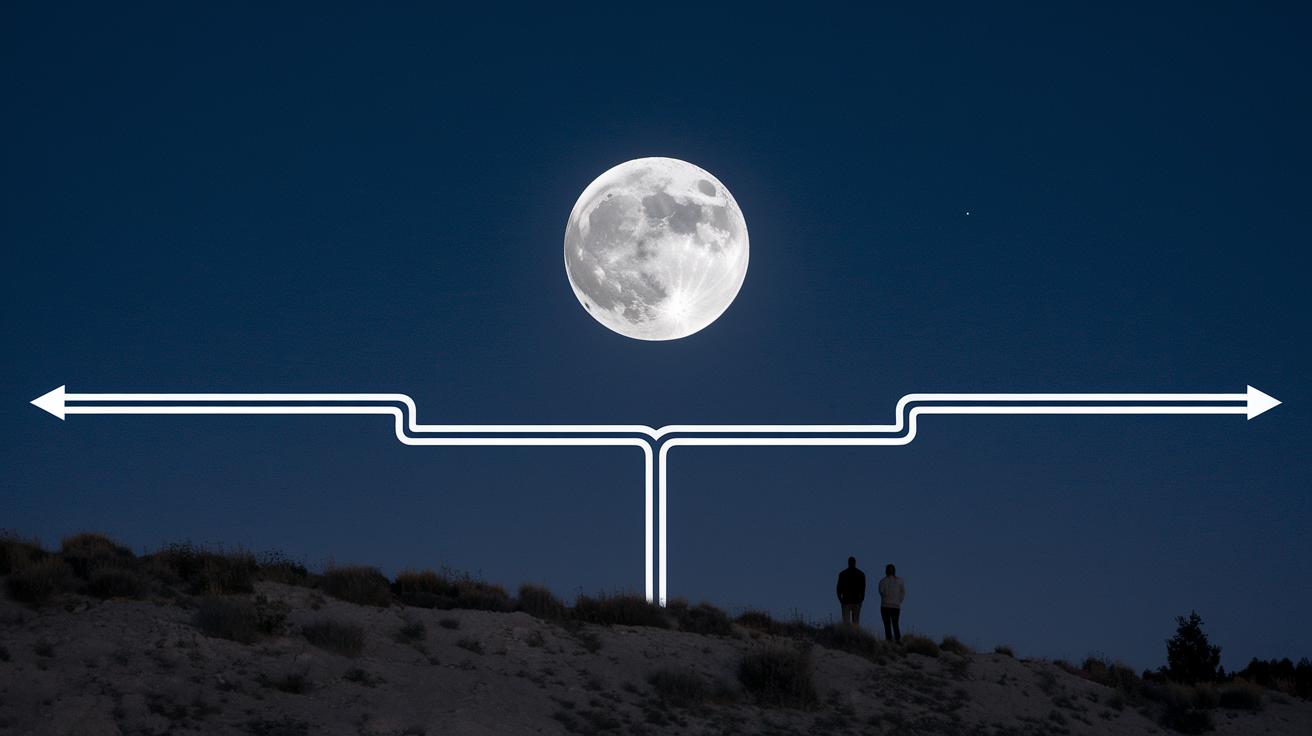
Libration might sound tricky at first, but breaking it down into parts makes it much easier to grasp. Think of it like baking, each ingredient has its own role, and together they create the full experience.
Longitude Libration
Longitude libration is the east–west wobble caused by the Moon’s oval-shaped orbit. As the Moon speeds up when it's closer (perigee) and slows down when it's farther away (apogee), its position shifts by about ±7.9°. Picture a race car that accelerates on a straightaway and then takes a slow turn, this uneven pace makes the Moon’s eastern and western edges appear to twist just a bit. It’s a bit like watching a clock’s second hand skip a beat, revealing a little extra detail of the lunar surface.
Latitude Libration
Latitude libration comes from the Moon’s slight 5° tilt relative to its orbital path. This tilt gives the Moon a gentle nod up and down by about ±6.7°. Imagine tilting your head to peek at something hidden behind an object; that’s how this wobble shows us craters and surface features that might normally stay out of view.
Diurnal Libration
Diurnal libration happens because as the Earth rotates, we see the Moon from different angles throughout the day. This offers a small shift in view, around ±1°, like a personal change in perspective as you move around something. Even this tiny twist lets you catch a fresh glimpse of the Moon every night.
When all three librations work together, they create a vibrant, moving image of the Moon. The big shifts from longitude and latitude mix with the daily tweaks of diurnal libration, offering us a unique snapshot of the Moon's ever-changing face. Have you ever noticed something new when you looked up at the Moon on a clear night?
Lunar Libration: Sparkling Scientific Clarity
When you gaze up at the Moon, sometimes it looks like it's giving us a little wiggle. This slight twist, known as lunar libration, reveals hidden craters and broad plains that you normally wouldn’t see, making our nightly view feel extra special. It’s like catching the Moon performing a tiny dance just for us.
During libration, features like Mare Crisium and the Endymion crater suddenly pop into view, offering astronomers a fresh look at the Moon's surface. Imagine the Moon gently flipping to show off parts of itself that usually remain concealed. It’s a fascinating reminder of how our nearest neighbor in space is both predictable and mysteriously dynamic.
| Feature | Diameter | Visible During |
|---|---|---|
| Mare Crisium | 345 mi / 556 km | Extra view at libration |
| Endymion | 77–125 km | Prominent in favorable libration |
| Mare Smythii | , | Visibility varies with libration |
When the Moon is in a favorable libration position (with coordinates L: +6.979, B: +4.707), these features are front and center, Mare Crisium spreads out widely and the shadows of Endymion grow deeper, adding a sense of depth to the landscape. But when libration turns unfavorable (L: –4.463, B: –5.545), these details slide toward the edge and become less clear, sometimes even hiding the smaller structures.
This ever-changing view of our Moon is a reminder of how dynamic and beautiful space can be, inviting both scientists and curious stargazers to admire the mysteries of the night sky.
Historical Context and Research on Lunar Libration
Back in the 1700s, scientists studying the Moon noticed something odd, a little wiggle in its face. They soon realized that the Moon wasn't as steady as they had once believed, hinting that there was more hidden behind its surface.
Later, in the 1800s, astronomers such as Brown and de Vico took careful measurements. Their work confirmed that this gentle wobble lets us catch an extra glimpse beyond the familiar view.
NASA then took our understanding to a new level. Missions like the Lunar Orbiter gave us clear images that showcased the Moon's subtle shifts. The later Lunar Reconnaissance Orbiter (LRO) even provided measurements with a precision better than 0.1° (that is, incredibly tiny angles), helping scientists create detailed maps of the Moon's surface.
Today, researchers continue to use this libration data to study what lies beneath the Moon's surface and to understand its gravity field. Every new observation brings us a bit closer to solving more mysteries of our fascinating celestial neighbor.
Techniques and Tools for Observing and Measuring Lunar Libration
When you're ready to explore the Moon, a good lunar libration almanac is your best buddy. This handy guide tells you when the Moon twists just enough to reveal extra details on its surface. Imagine checking it a few days ahead of a peak time and then witnessing that rare, subtle shift, it’s really something special. Many also recommend finding a dark-sky spot and taking pictures near moonrise or moonset when the Moon is gently shifting throughout the day.
Here are some tools that can make your observation sessions even better:
- A telescope with a 1,000mm focal length to grab clear, detailed shots.
- A high-frame-rate camera, like a DSLR or MILC, so you can capture several frames to stitch together into a mosaic.
- Special filters (red or infrared) to boost contrast and reveal more details.
- A sturdy mount that minimizes vibrations during long-exposure shots.
- Software that stacks and aligns images so you can compare the Moon’s features accurately.
Once you’re set up, start by noting the exact time you capture each image. Keep track of the Moon’s position and any small changes in its features. Then, compare your notes with what the almanac predicts. By jotting down these details, you build a record that helps you see how theory meets reality. This hands-on approach not only hones your photography skills but also deepens your understanding of how even a slight wobble can uncover hidden parts of our fascinating lunar neighbor.
Lunar libration: Sparkling Scientific Clarity
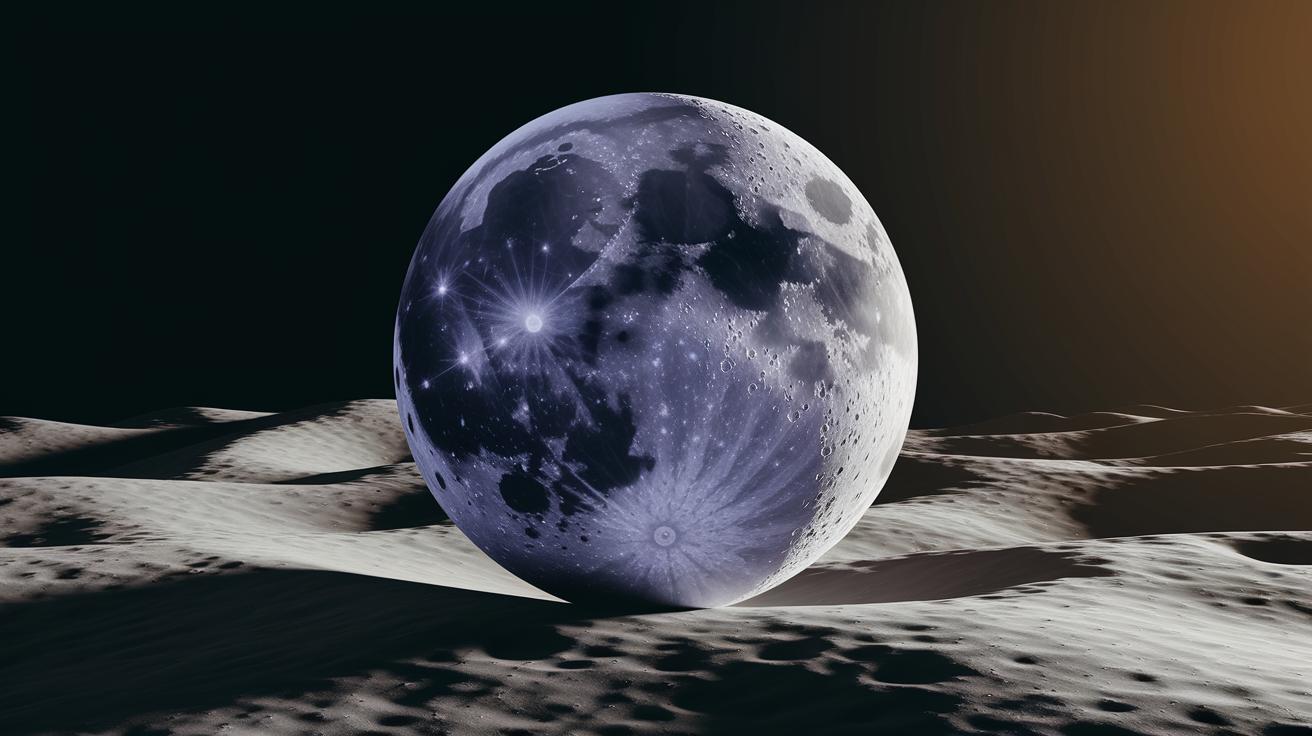
Have you ever noticed how the Moon seems to gently wobble in the sky? This subtle shift changes the way sunlight spreads across its surface, creating shifts between light and shadow and revealing slopes that can tilt by about 7 degrees. Planners use this handy detail to pick landing spots with safe, steady ground and predictable shadows, ensuring rovers can find smooth paths to explore. For example, if engineers know exactly how sunlight falls on a crater’s edge, they can steer clear of spots that might be too risky for a landing. In a way, these natural lighting cues act like signposts, letting mission teams spot potential troubles even before a spacecraft lands.
Another neat outcome of this phenomenon is the creation of high-resolution maps that are essential for planning future Moon outposts or resource surveys. These maps, enhanced by the Moon’s natural wobble, clearly show shifts in light and dark that can point to mineral-rich areas or spots with water ice, key for long missions. With these visuals, scientists can make smarter calls on where to place long-term instruments or safe zones for astronauts. Whether it’s part of the Artemis program or another mission, such detailed maps help researchers better understand the Moon’s surface and plan safer landings.
By combining these careful studies of the Moon’s gentle movements with practical exploration needs, scientists are paving the way for more secure and thoughtful lunar journeys. It’s a simple yet powerful example of how nature guides our adventure into space.
Final Words
In the action, we explored how lunar libration lets us see extra detail on the Moon’s face. We broke down what causes the wobble, from the Moon’s elliptical orbit creating east–west shifts to its tilt and even the daily observer’s change in perspective.
We touched on how these shifts affect mapping, observational techniques, and even lunar landing planning. These insights remind us that every subtle motion in space can spark fresh ideas for future exploration and technology.
FAQ
What is the meaning of lunar libration?
The term lunar libration refers to the slight wobbling of the Moon that lets us see more than half of its surface. It adds extra insight into the Moon’s topography.
What causes lunar libration and how does it work?
Lunar libration works because of the Moon’s elliptical orbit, its axial tilt, and the Earth’s rotation, all of which shift our viewing angle and let us see portions of the Moon’s surface that are normally hidden.
What is diurnal libration?
Diurnal libration is the daily shift in the Moon’s apparent position caused by Earth’s rotation, resulting in a small change in perspective as the observer’s position updates throughout the day.
What is libration in latitude?
Libration in latitude occurs when the Moon’s slight north–south tilt gives us a varied view of its surface, allowing extra areas near the poles to be observed from Earth.
What is a lunar libration calculator?
A lunar libration calculator is a tool that predicts the Moon’s wobble and the timing of its maximum shifts, helping observers determine when extra lunar surface areas will become visible.
Are there lunar libration GIFs or timelapses available?
Lunar libration GIFs and timelapses visually demonstrate the Moon’s oscillating motion, showing how the viewing angle changes over time and revealing more of the lunar surface with each shift.
What is involved in libration chemistry?
Libration chemistry likely studies how the Moon’s slight wobble affects our ability to analyze its surface composition, providing insights into measurement techniques and material variations on the lunar surface.
What was notable about lunar libration in 2022?
Lunar libration in 2022 featured improved imaging that helped refine our maps of the lunar surface, offering fresh details to selenographers and enhancing our overall understanding of the Moon’s behavior.
Is it a full moon tonight on Feb 1, 2026, or what is tonight’s lunar cycle?
The lunar phase on Feb 1, 2026, depends on the precise cycle schedule. Check a reliable lunar almanac to determine if that night features a full moon or another phase.