


Have you ever thought about how the tech you use every day might change the world? More companies are choosing smart solutions like cloud computing (using remote servers to store data) and IoT (devices that talk to each other) to lower energy use and cut down on waste.
New tools are popping up all the time, from digital document systems to building controls that keep energy costs down. These ideas show that being green isn’t just good for the planet; it makes good business sense too.
In this post, we'll take a closer look at how today’s tech is sparking green innovations. It turns out a cleaner, smarter future is well within reach.
Future tech sustainability ignites green innovations
Future tech sustainability means using modern, smart tools to cut down on waste and power fresh business ideas. Almost half of companies today are already switching to greener methods, favoring solutions that not only lower energy use but also spark creativity. They’re moving away from old, energy-heavy practices to smarter options like cloud computing that uses less power, and they’re giving older devices a new lease on life.
Take the e‑Boks platform, for instance, it sends out over 559 million documents each year without the need for paper. And then there are smart building controls powered by the Internet of Things (IoT, which connects everyday devices), reducing energy use by 29% in various commercial settings. These clear examples show that eco-friendly tech isn’t just about being green, it’s both cost-effective and practical.
- renewable energy systems
- IoT optimization
- circular-economy solutions
- green AI platforms
- precision agriculture
By tying these innovations to global goals like the UN Sustainable Development Goals, businesses aren’t just revamping their operations. They’re lighting the way to a cleaner, greener future. It turns out that embracing sustainable tech isn’t just a trend, it’s a smart, strategic move towards reducing our environmental impact and securing responsible growth for everyone.
NextGen Energy Architectures Driving Future Tech Sustainability
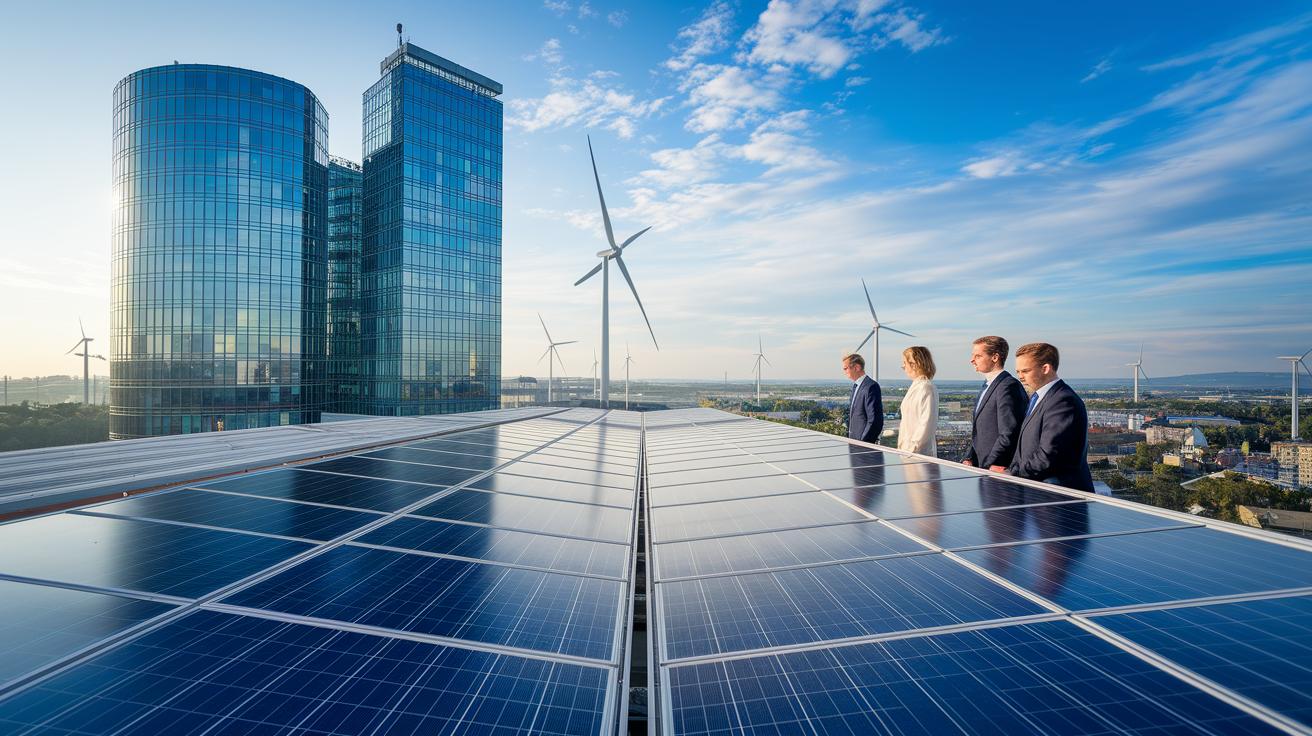
Today, we’re witnessing a big change in how we power our businesses and communities. Energy systems are evolving to meet a growing demand while keeping a close eye on the environment. As more companies move from old-school data centers to cloud computing (using remote servers), our power systems need to be both efficient and green.
Take, for example, smart building controls that use IoT (Internet of Things, or connected devices). They’ve saved up to 29% on energy in commercial spaces, showing that digital tools really can fine-tune our power use. In this new era, breakthroughs like advanced solar panels, improved wind turbines, bioenergy that turns waste into power, and nextwave battery modules that support wireless charging are emerging as key players. Together, these innovations are steering us away from fossil fuels toward cleaner, steadier energy.
| Technology | Sustainability Benefit | Key Statistic |
|---|---|---|
| Solar Arrays | Boost renewable energy while cutting fossil fuel use | Capacity keeps growing |
| Wind Turbines | Harness energy efficiently from the wind | Wind power on the rise |
| Bioenergy Platforms | Convert organic waste into usable energy | Transforms waste into power |
| Battery Storage Modules | Balance power supply by storing extra energy | Nextwave modules lead in innovation |
Linking these advanced energy solutions with digital controls and microgrids (small local power networks) is vital for a responsive power system. Automated sensors and smart devices constantly monitor energy flows and adjust outputs in real time, ensuring renewables match current demand. With battery storage modules capturing surplus energy and smoothing out fluctuations, these modern setups keep the grid stable while cutting waste. In short, blending innovative power generation with smart digital oversight not only boosts overall efficiency, it also lays the foundation for a cleaner, more intelligent energy future.
Smart Grid Transformations and Distributed Analytics for Sustainable Technology
Smart grids are completely changing the way we manage and deliver energy. Today’s power companies rely on countless sensors and IoT tools (basically, networks of connected devices) to track energy use as it happens, automatically adjusting power flows to prevent outages and lower costs. This modern setup not only smooths out daily operations but also paves the way for more flexible and adaptive energy networks.
Distributed data analytics plays a key role in predicting energy demand. By processing huge amounts of information from various sensors and devices, these systems help industries like manufacturing and logistics make smart decisions for maintenance and routing. This constant loop of feedback cuts down on waste and lets energy systems adjust in real time.
Artificial intelligence adds another layer of efficiency by sifting through vast datasets to fine-tune energy flows and even control pollutants with smart computer algorithms (step-by-step instructions that guide decision-making). For example, AI can spot when energy demand might spike and suggest changes before issues arise. If you’re interested in learning more about AI-driven improvements, check out this link: ai future tech. This method not only helps reduce emissions but also keeps operations running smoothly.
Blockchain technology also brings extra clarity by creating a digital record for every energy transaction and supply-chain move. This transparent system builds trust between energy providers and users, showing exactly how low-carbon power is traded and helping the entire energy sector reduce its carbon footprint.
Circular Economic Designs and Sustainable Fabrication Methods in Future Tech Sustainability

You might be surprised to learn that old laptops and phones can be turned into something valuable instead of ending up as waste. Companies are busy refurbishing and repurposing these gadgets, which helps them last longer and slows down the buildup of e-waste. Even cooler, new hardware is now being made with recycled and biodegradable materials, cutting down on the plastics and heavy metals that harm our environment. Imagine a day when that discarded phone finds new life as a key piece in a brand-new, eco-friendly device!
Automated systems are also changing the game when it comes to recycling. Robots are now sorting through electronic waste to pick out the useful parts, which means less manual labor and a faster, more efficient process. This technology ensures that every valuable component is carefully and accurately saved.
Today’s hardware design focuses on being easy to update and kind to the planet. Manufacturers are shifting towards a closed-loop model, where every part is chosen with recyclability in mind from the very start. This smart approach ensures that our devices can be refreshed with new parts instead of ending up as a pile of useless waste.
Future Mobility Concepts and Low-Carbon Transit in Sustainable Technology
Low-carbon mobility is changing how we travel. It cuts emissions and makes transit systems run smoother. New digital tools, like smart route planning using IoT (the network of everyday connected devices) and real-time fuel checks, help lower transportation emissions. Electric and hybrid engines are paving the way for travel that leaves no harmful gases, and smart city networks are working hard to make journeys easier and shrink our overall carbon footprint. In short, we're moving away from older, dirty methods toward a cleaner, more efficient system that fits today’s call for sustainability.
- Electric vehicles
- Shared micro-mobility
- Hydrogen-fuel cell fleets
- Autonomous e-buses
City planners and transit experts are weaving these innovations into our urban fabric, turning busy streets into lively centers of sustainable transport. New emission-free transit algorithms are now smartly managing fleet operations, which speeds up the journey to decarbonization. Cities are rethinking traffic with connected networks that tie together public transit, bike lanes, and walking zones. This fresh take on urban planning makes it so much easier for people to pick greener travel options, easing congestion and cutting emissions. As our cities grow and change, these smart transit solutions set the stage for cleaner neighborhoods and healthier communities. It’s clear that smart mobility isn’t just a passing trend, it’s a key step toward a truly sustainable future.
Emerging Digital and Biological Innovations for Future Tech Sustainability

Artificial intelligence is changing how we take care of our world. It crunches loads of data to help us keep an eye on the environment, predict shifts in weather, and fine-tune our power grids. In simpler terms, AI turns raw numbers into clear steps, so scientists and cities can quickly tweak their plans. For instance, smart programs dig through various data streams to spot hints of upcoming weather changes or power needs, leading to quicker and smarter responses.
In smart farming, advanced sensors and clear-cut data reports are changing how water is used in agriculture. Since nearly 70% of the world's fresh water goes to farming, these digital tools are a big help. They deliver just the right amount of water to each crop, kind of like a personal assistant for farmers, ensuring every drop is put to good use while boosting harvests.
Augmented reality is also stepping up in the world of environmental monitoring. When combined with digital twin technology (a digital copy of a real system), it gives us a real-time look at the health of ecosystems. This means experts can spot issues like floods or wildfires early on and act quickly to keep communities safe.
New biomaterials are another exciting development. These are specially designed to copy natural structures, offering eco-friendly options for building and manufacturing. By imitating nature, they help cut down on waste and provide sustainable alternatives that blend right in with our surroundings.
Final Words
In the action of exploring smart grids, circular economic designs, low-carbon transit, and digital innovations, the post painted a vivid picture of how eco-friendly tech meets our modern world.
Each section broke down practical examples, from IoT energy controls to recycled hardware, showing clear, everyday impacts.
The discussion leaves us excited about a future tech sustainability that not only improves our efficiency but also paves the way for a greener tomorrow.
FAQ
Q: What are some examples of future tech sustainability and sustainable technology examples?
A: Future tech sustainability includes smart building controls using IoT, renewable energy systems like solar arrays and wind turbines, cloud computing that reduces energy use, and approaches that recycle and repurpose tech components.
Q: How did future tech sustainability trends in 2022 impact technology and business?
A: Future tech sustainability in 2022 drove innovation with energy-saving IoT controls, digital document platforms, and green computing solutions, leading to reduced costs, lower emissions, and enhanced production practices.
Q: What does sustainability mean in the context of technology?
A: Sustainability in technology means developing systems that reduce waste and energy use by adopting renewable resources, extending product lifecycles, and balancing business advancement with environmental preservation.