


Ever wondered how tiny design changes can actually save lives? Medical design stretches what we once thought was possible in healthcare. Experts work by blending solid science with everyday ideas so that each device feels as safe and natural as a trusted tool. Think of it like a chef perfecting a favorite recipe, every step is important to get it just right.
In this article, we dig into how careful design paired with real-world testing has paved the way for smarter, safer solutions for patients. It’s a journey that makes healthcare feel more personal and easier to use, just like chatting with a friend about the latest cool innovation.
Medical Design Fundamentals: Regulatory Guidelines and User Safety
Top medical device companies follow strict quality systems like ISO 13485 and stick to FDA rules to make sure every product is safe. They use risk-management (a process to spot and fix problems early) much like following a trusted recipe, where every ingredient is measured carefully to avoid surprises. Think of it as a chef tasting and tweaking a dish until it's just right.
Human factors engineering and usability tests are key. Designers watch real users work with prototypes, which helps them adjust controls and layouts so that devices feel natural for both doctors and patients. It’s like trying out a new tool in your workshop to see if it fits comfortably in your hand. Ever noticed that a small change can make a big difference in how something feels?
When experts across mechanics, electronics, and software join forces under one quality system, the benefits add up. Working together, they create devices that are not only reliable but also meet strict safety standards. Imagine a band where every instrument plays in perfect harmony, a smart blend of software, accurate electronics, and sturdy mechanical parts leads to a flawless performance during tests.
Medical Design in Digital Platforms: User Interface and Patient Portal UX
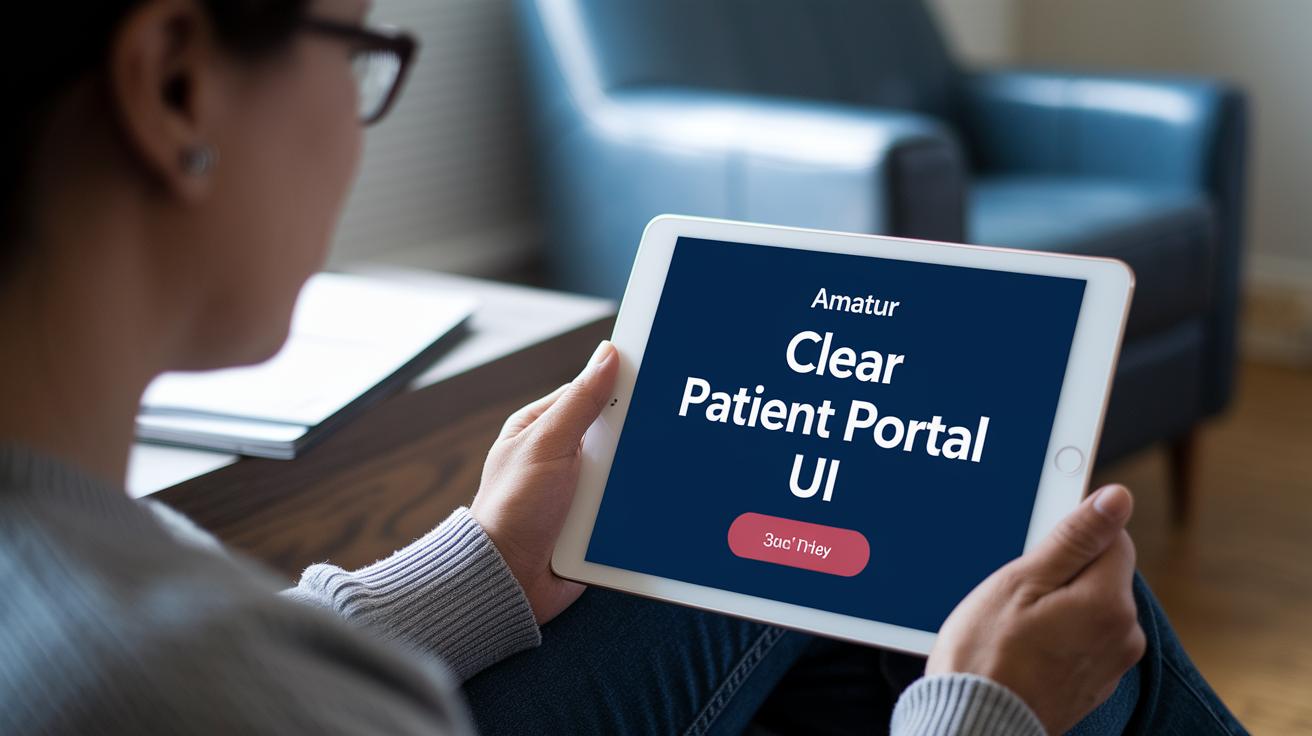
Patient portals are at the core of modern digital health. They let people check their records and manage appointments with ease. When a portal shows clear labels and familiar symbols, users feel more confident and secure about sharing their information. It’s a bit like a friendly guided tour through digital healthcare.
The design focuses on making the experience simple and intuitive. For example, websites might feature landing pages with easy menus that connect technical features to everyday tasks. This clear design helps users take charge of their health without any extra stress.
| Best Practice |
|---|
| Clear navigation labels and workflow steps |
| Responsive layout for desktops and mobile devices |
| Accessible color contrasts and readable text sizes (meeting accessibility standards) |
| Consistent branding elements and icons |
| Secure login and session management |
| Simple visual displays for lab results and appointment schedules |
Each of these practices adds up to a smoother digital experience. By setting clear paths, designers help avoid confusion and minimize mistakes that could affect health management. A patient portal that adjusts to different devices, even going from a laptop to a smartphone, ensures that everyone gets a similar, reliable experience.
Using accessible colors not only makes the site easier to read for people with vision differences but also meets important guidelines. Plus, keeping design elements consistent builds trust, while secure logins protect personal data. Clear visuals simplify complex lab results into information that’s easy to understand.
This thoughtful design boosts patient engagement and leads to better clinical outcomes. As digital health platforms mix cutting-edge medical technology with user-friendly features, they successfully bridge the gap between powerful back-end systems and a friendly, accessible front end.
Medical Design for Devices: Materials, Manufacturing, and Prototyping
Advanced manufacturing is really changing how we make medical devices. New methods like 3D printing and innovative materials let us try out designs quickly and even tailor products for each patient. This means things like implants, prosthetics, and surgical tools can be shaped just right while still meeting the strict rules for safety and quality.
Additive Manufacturing (3D Printing)
3D printing is a real game changer when it comes to building prototypes fast. It gives designers a flexible way to test out ideas for clinical tools or to handle parts of device design using external resources. Manufacturers can work with different plastics and metals to create shapes that fit each unique project. Imagine printing a surgical tool, testing it out, and then tweaking the design, all in a very short time. It’s a bit like piecing together a puzzle, where you can keep rearranging the pieces until everything fits just right.
Advanced Materials (Nitinol, LSR)
Nitinol is an exciting metal known for its shape-memory properties (it can bend and then return to its original form). This makes it perfect for devices like catheters and stents, where a bit of flexibility can go a long way for safe and effective performance. Meanwhile, liquid silicone rubber (LSR) is chosen for its soft, skin-friendly feel. It’s often used in wearables or implants because it reduces irritation during long-term use while still meeting strict medical guidelines.
Rapid Prototyping and Testing
Creating a successful medical device is all about trying, testing, and improving. Engineers make prototypes and put them through rigorous tests, then tweak the design based on what they find. This cycle of design, test, and modify helps catch any issues early on. With thorough testing before meeting regulatory checks, teams can be sure that every part of a device works well. In this way, innovative ideas can move forward safely, blending the excitement of new technology with the need for reliable performance.
Medical Design Case Studies: Innovative Solutions Across Modalities
MIT’s flexible drug delivery patch has been designed to help the heart heal after a heart attack. It uses soft, bendy materials that stick comfortably to your skin while releasing different medications at carefully planned times. Imagine a patch that cares for delicate heart tissue by giving it the right dose exactly when it’s needed throughout recovery.
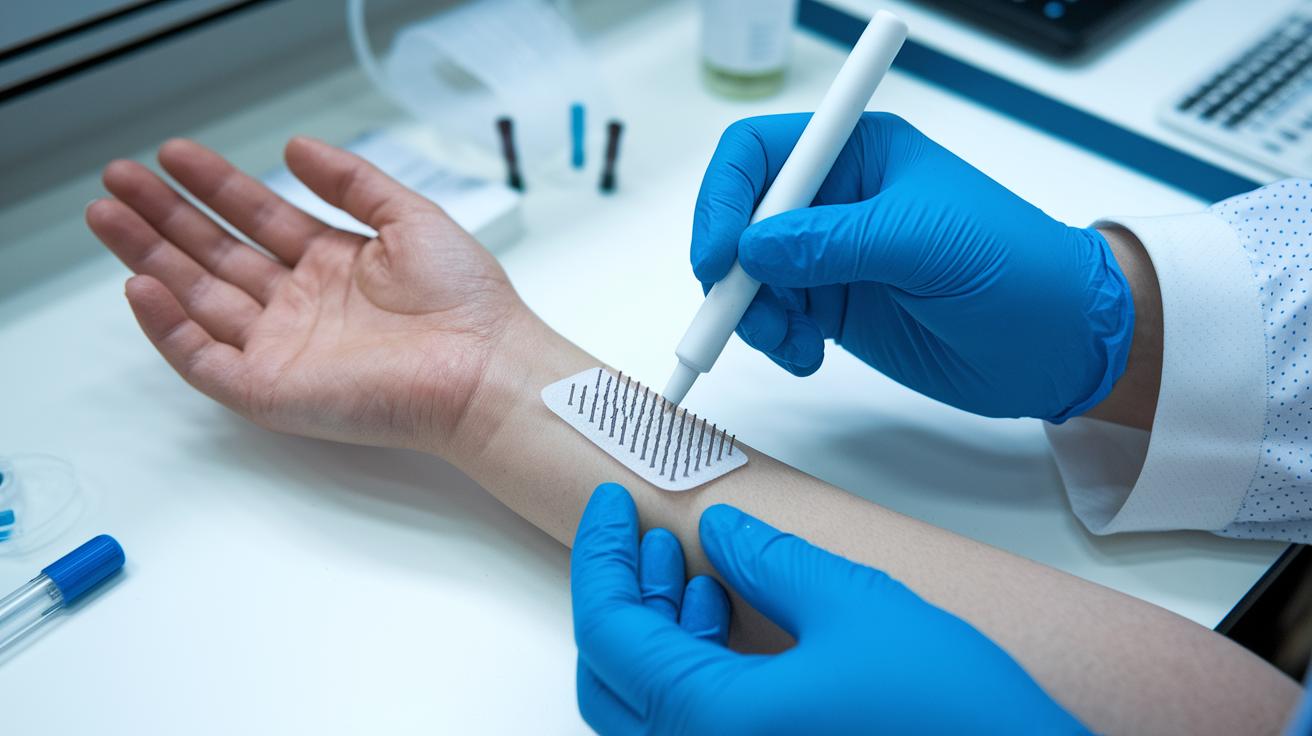
Another clever creation is the ExoPatch silicone microneedle system. This tiny, star-shaped needle patch can spot diseases early on. In tests with mice, it was able to tell the difference between melanoma and healthy skin. This means future skin checks might be faster, less painful, and just as effective as more invasive methods.
At DGIST, Prof. Jinho Chang’s team has come up with an innovative way to power implantable devices using ultrasound (that’s high-frequency sound waves you can’t hear). Their system can recharge a battery fully in just two hours, even while it sits safely inside your body. This breakthrough could lead to implants that last longer without needing frequent surgeries to change batteries.
A smart RFID (radio frequency identification) system is now helping track surgical sponges during operations. Tiny RFID tags attached to the sponges provide real-time tracking during surgery, so there’s a much lower chance of a sponge being accidentally left behind. This technology boosts safety and makes managing supplies in the operating room a lot easier.
And finally, there’s a smart wound-monitoring device equipped with reusable sensors that keeps a constant watch over a patient’s wound. It sends alerts when intervention is needed, which helps ensure consistent care. This innovative approach not only makes life easier for medical teams but also improves comfort and reliability for patients during recovery.
Medical Design Workflow: End-to-End Process and Collaboration
First up in medical design is coming up with ideas and gathering all the detailed needs. Teams start by figuring out what doctors and patients really need, using research on how people behave (studies that look at real human habits) to shape ideas that actually work. They even team up with design experts to sketch out early concepts and plan every feature, almost like drawing a clear blueprint for a tool that feels safe and easy to use. Plus, project management keeps all these ideas organized right from the start.
Next, the team makes sure the design works as it should. At this stage, trial versions (called prototypes) go through bench testing and pretend clinical setups to see if every detail does its job. Engineers and designers work side by side, testing each part in controlled settings and hands-on sessions, and then tweaking the product along the way. This back-and-forth process helps clear up any issues, making sure every change meets strict safety and performance standards.
Finally, the design moves into manufacturing. This part is backed by careful regulatory documentation (papers that prove everything follows the rules) and close collaboration among team members from different fields. By coordinating the efforts of mechanical, electrical, and software experts, the process turns into a smooth, well-organized blend of skill and teamwork. Robust project management tools help speed up this phase, aligning everyone involved and supporting the digital upgrades in medicine while ensuring the products reach the market safely and efficiently.
Final Words
In the action, we explored medical design fundamentals, patient portal UX, and advanced manufacturing techniques. We glanced at how ISO 13485, FDA requirements, and human factors work together to boost safety and usability.
We broke down real-world cases that illustrate clear steps from concept to final product. The flow of ideas, from regulatory guidelines to cross-team collaboration, shows how thoughtful medical design can drive safe and innovative tech. Enjoy the fresh insights and stay inspired.
FAQ
What are some common aspects of medical design such as ideas, logos, briefs, and headwalls?
Medical design includes creative ideas, visual branding (logos), strategic briefs, and design elements like headwalls that combine functionality with adherence to safety guidelines.
What is a medical designer and what does medical design mean in medical terms?
A medical designer develops products and digital experiences that meet strict health safety rules. They apply creative solutions to boost patient care and usability while observing regulations.
How can one get into healthcare design and what degree do you need to design medical devices?
Getting into healthcare design often requires a degree in industrial design, biomedical engineering, or similar fields, along with an understanding of health regulations and user safety principles.
What career opportunities exist in medical design jobs and related publications like Medical Design and Outsourcing Magazine?
Medical design careers range from device creation and digital interface development to consulting roles, while industry publications offer insights and good networking opportunities.
How does medical design background and news influence current trends in the field?
Ongoing news and historical insights in medical design drive trends in safety, usability, and regulatory compliance, pushing continuous innovation in healthcare design practices.