


Have you ever stopped to think about what makes a factory run so smoothly? It's all thanks to process technology, which works like a secret recipe that turns raw materials and energy into great products. In places like car factories and medicine labs, simple systems mix ingredients, information, and power in clear, careful steps to cut waste and keep things running without surprises. This approach helps everything work together better and makes the whole operation more efficient. In short, process technology is the magic key that keeps production lines at their very best every day.
Process Technology Foundations and Core Methodologies
Process technology is all about turning tough industrial tasks into smooth, steady operations. It helps set up clear systems that manage materials, data, and energy throughout production. This way, manufacturers can keep quality consistent while cutting down on waste and unexpected downtime.
Think of it like a cooking recipe. Just as you follow steps to get the perfect meal, industries use operational strategies and process tweaks to get the best outcomes. Industries like pharmaceutical manufacturing, oil refining, and car assembly use these methods to boost production, lower expenses, and stick to strict safety rules. They even mix in industrial tech (smart gadgets that keep systems running smoothly) to achieve super-accurate results. For example, Process Technology, Inc. started in Salt Lake City back in 1986 and now serves regions from Utah up to Montana, including states like Arizona and Colorado.
Here's a quick look at some key elements:
- workflow mapping
- control-loop fundamentals
- core engineering calculations
- lean manufacturing principles
- continuous improvement frameworks
When industries focus on these areas, they create a solid base for automation that combines human know-how with smart controls. This blend helps build industrial setups that are not only efficient and cost-effective, but also flexible enough to keep up with changing market needs. In short, process technology kick-starts modern production, making sure that today’s factories are both agile and reliable.
Advanced Process Innovation and Human Factors in Process Technology

Advanced process innovation is shaking up how production systems work. Companies are now mixing old-school methods with new digital tools to keep their systems smart and effective. This blend, backed by next-level tech (like advanced sensors and automation), helps machines react quickly and cuts down on downtime.
User-focused upgrades are making it easier for operators to work with complex machines. By putting people first, designers create interfaces that feel natural and processes that adapt to each user, ensuring everyone can work confidently and comfortably.
Human Factors in Process Workflows
Designing for people means using smart layouts, clear screens, and solid operator training to create a smooth experience. When systems are built with care, they help reduce stress and avoid common errors during critical tasks.
| Tool | Purpose |
|---|---|
| Predictive Analytics | Helps forecast problems before they occur |
| Digital-Twin Platforms | Creates virtual models of processes for testing |
| IoT Sensor Networks | Gathers real-time data from devices |
| Machine-Learning Models | Uses data to predict future needs |
Companies are tapping into these tools to keep an eye on performance and maximize uptime. For example, the METTLER TOLEDO case from October 20, 2025, showed how Intelligent Sensor Management not only alerts teams about upcoming maintenance needs but also adjusts processes on the fly. This smart use of digital tools means potential issues are caught early, letting teams fine-tune operations for peak efficiency.
Process technology Elevates Industrial Efficiency
The first crucial move when diving into industrial automation is to plan carefully and test things out first. Start by mapping your current workflow and spotting areas that could use a boost. Many companies begin with small trials, using gadgets like inline heaters, immersion heaters, or heat exchangers, to see how the new tools blend with what they already have. For example, a trial run at a surface finishing facility might show that mixing classic controls with new heater solutions makes production smoother.
Next up is picking the right control instruments and hardware. You’ve got to check that these parts fit well with your system, are tough enough to last, and won't break the bank. This might mean looking at options like power supplies, process controllers, or even special immersion coils, based on what your design needs. Whether you're in the business of making medical devices, printed circuit boards, or jewelry, choosing the proper components is key for steady outputs and safe operations.
Handling change step by step is another essential part of blending in automation. Gradually adding new equipment, like chemical heaters or electrochemical deposition systems, helps lower the risk and lets you adjust things on the fly. This way, the move to automation goes smoothly without throwing off the current production pace.
| Component | Application | Benefit |
|---|---|---|
| PLC | Process Controls | Streamlines operations |
| HMI | Operator Interface | Enhances usability |
| Sensor Array | Monitoring Systems | Improves accuracy |
| Heater Control | Immersion Heaters | Optimizes temperature management |
| Data Logger | Process Documentation | Tracks performance |
To see the return on your investment and scale up the automation, set clear performance goals and keep a close eye on things with continuous monitoring tools. Regularly checking your output and cost savings helps you fine-tune your strategy, ensuring that your technology investments lead to long-term efficiency improvements.
Automation Control Strategies and Implementation in Process Technology
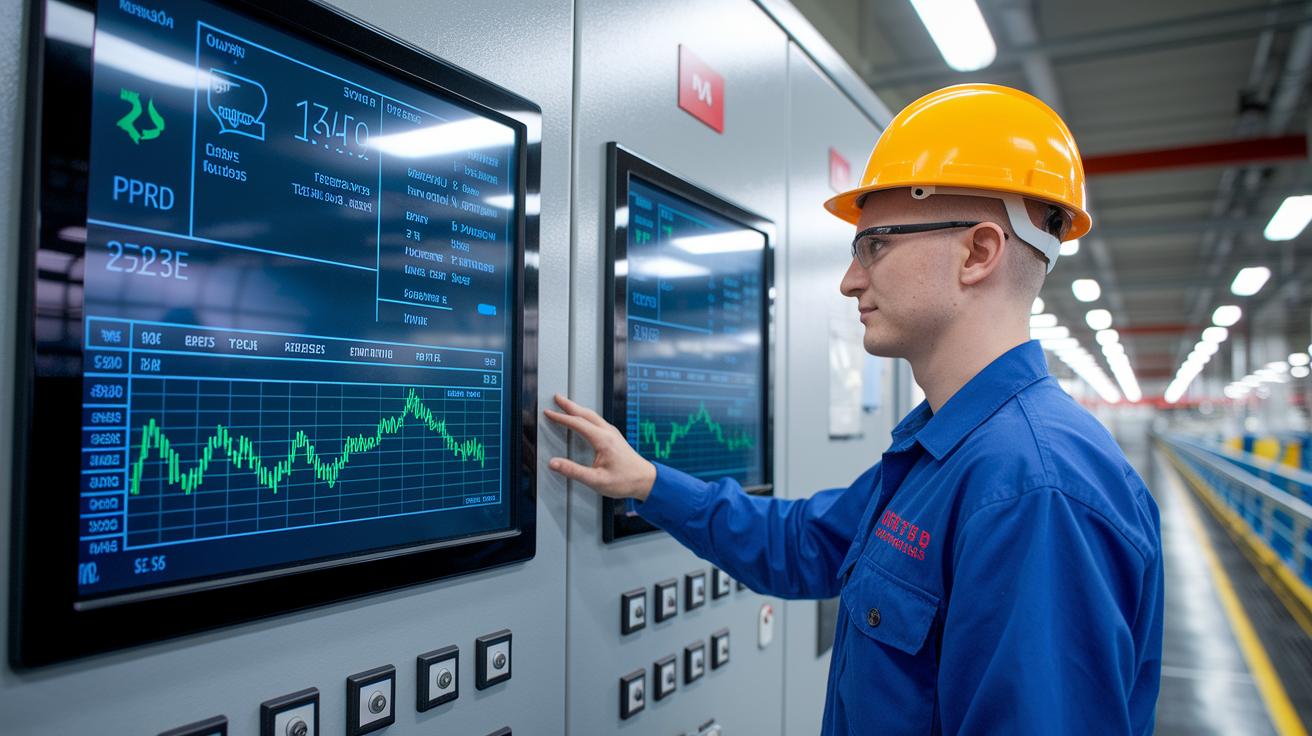
When we talk about modern industry, key control theories are like the backbone that keeps everything running smoothly. Techniques such as PID tuning (a process that fine-tunes machine behavior), cascade control (a backup method that layers control steps), and model predictive control (a way to forecast and adjust settings) make sure machines work just as we expect. These ideas let operators tweak system settings in real time so that everything stays steady and responsive.
But here's the kicker: safety is just as important as performance. Safety interlocks work like smart guards that shut down the system if something seems off, while following standards like Prop 65, EHS, REACH, RoHS, and ADA keeps operations both safe and legal. Companies need to blend these safety measures with their control strategies without missing a beat in process integrity.
- PLC logic development
- SCADA interface setup
- Sensor calibration procedures
- Feedback-loop commissioning
- Network protocol selection
- Safety-interlock integration
And on top of that, solid support services make a huge difference. Customers enjoy access to tech-support videos, troubleshooting guides, and a service plan called TechCare+ that walks them through every step. With these hands-on tools, teams can solve technical hiccups fast, turning control theories into real-world success every day.
Digital Operations Optimization through Technical System Analytics
Today, many facilities use real-time dashboards and numerous sensors to watch over every part of production. These systems collect live data from machines and processes, think energy use, temperature shifts, and equipment status, all in one view. This setup helps operators spot problems quickly and keep everything running smoothly.
- digital twins (virtual copies of physical systems)
- edge-computing nodes (devices that process data near the source)
- cloud-based dashboards (online platforms displaying real-time stats)
- predictive-maintenance algorithms (tools that forecast when maintenance is needed)
- anomaly-detection systems (programs that spot unusual behavior)
A case study from August 23, 2025, on managing industrial flare-stacks showed that keeping an eye on details like flame stability and emission levels lets teams adjust operations right away. Using live dashboards helped reduce downtime and ensured systems met safety and efficiency goals.
Another study from July 31, 2025, examined water-purity in semiconductor manufacturing. In that example, sensors monitored water by checking contaminant levels and flow accuracy. Seeing this information clearly meant issues were caught early, leading to consistent product quality and saving resources.
Best practices suggest setting up regular guidelines to review dashboard data, calibrate sensors, and check data streams routinely. This hands-on approach makes sure important insights lead to smarter and more responsive operations.
Engineering Design Methods for Scalable and Integrated System Solutions in Process Technology

When we build for scale, we’re making systems that work solidly today and continue to run smoothly as demand grows. Using a modular setup means companies can easily swap or upgrade parts without starting over from scratch. With scalability in mind, engineers craft designs that flexibly adjust to higher loads and changing needs, all while keeping performance top-notch.
A smart first step when adding custom modules is to make sure they align with the current way things run. Engineers dive into current workflows and the technical nuts and bolts to see where a custom module can boost performance. This careful fit-in keeps disruptions low and paves the way for innovative touches, like designs that cut down on carbon emissions.
Simulation Techniques for System Validation
Before any new part is put in place, simulation techniques are a must to check that everything will hold up. For example, finite-element analysis (a method that predicts how products will perform under pressure) figures out how materials react under stress, while dynamic modeling mimics real-time changes in process loads. Digital-twin testing even lets engineers play with a virtual copy of the system to catch any issues early on.
- Requirements gathering
- Simulation validation
- Prototype iteration
- Design review
Take a chemical processing plant, for instance. They recently rolled out a custom-built heating module based on these methods. By seamlessly integrating the module into their daily operations, the plant not only saw strong performance gains and energy savings but also cut down on carbon emissions. It’s a great reminder that thoughtful design not only boosts efficiency, it can also make a real difference for the planet.
Performance Metric Evaluation and Quality Assurance Protocols in Process Technology
When we talk about keeping a process in check, a few key numbers make all the difference. Think of production speed (throughput), the percentage of good products (yield), how much energy is used, and the system’s uptime (how often everything runs smoothly). These measures let operators keep an eye on how things are going, almost like a friendly dashboard that signals when something needs a bit of attention.
| Metric | Target Value | Monitoring Tool |
|---|---|---|
| Throughput | 95% | SCADA System |
| Yield | 98% | Quality Control Dashboard |
| Energy Consumption | 0.8 kWh/unit | Real-time Sensors |
| Uptime | 99% | Asset Management Software |
Quality-assurance protocols work like a safety net. They help make sure everything meets strict standards like Prop 65 (a set of health and safety rules), EHS, REACH, RoHS, and ADA. These checks are super important to stop things like wrong banking details from slipping through. The steps typically include:
- Gathering all the necessary data
- Setting clear targets or thresholds
- Scheduling regular audits to check on progress
- Making plans to fix issues as soon as they show up
This careful, step-by-step approach keeps industrial processes running safely, efficiently, and in line with all the rules.
Final Words
In the action, this article took us through the core building blocks of process technology. It explained how systematized operations, lean principles, digital tools, and custom design methods work together.
We explored methods to boost efficiency and quality, from control strategies to technical system analysis. This blend of fundamentals and advanced tools shows how process technology drives success across many industries. With ongoing improvements and practical applications, it’s clear that smart practices in process technology bring lasting benefits.
FAQ
Q: What is process technology?
A: The process technology defines how systems are organized and managed to improve industrial work. It involves methods like automated batch control and continuous monitoring to keep operations smooth and efficient.
Q: What are examples of process technology?
A: The process technology examples include systems such as automated control in manufacturing, industrial heat exchangers, and continuous flow production lines that boost efficiency and help meet regulatory standards.
Q: What is the typical process technology salary?
A: The process technology salary varies depending on experience, industry, and location. It tends to be competitive in technical fields, reflecting the specialized skills required to manage and optimize production systems.
Q: What kind of jobs exist in process technology?
A: The process technology jobs involve roles where professionals design, implement, and maintain systems that control and improve production. These roles are key in sectors like manufacturing, chemicals, and pharmaceuticals.
Q: How does process technology apply in operations management?
A: The process technology in operations management uses structured methods to orchestrate production tasks. It streamlines workflows, improves efficiency, and helps reduce operational costs through continuous assessment and control.
Q: Is process technology a degree and is it worth pursuing?
A: The process technology degree offers focused training on modern production systems, available both in-person and online (including options in Louisiana). It equips students with skills that are valuable across various technical and industrial sectors.
Q: What are process technology courses like?
A: The process technology courses provide practical and theoretical lessons on designing and managing production systems. They cover topics from workflow mapping to control systems, preparing students for hands-on technical careers.
Q: What does Process Technology Ohio refer to?
A: Process Technology Ohio usually refers to companies and educational programs in Ohio that apply process systems and management strategies to boost efficiency in industries such as manufacturing and energy.
Q: What are Process Technology Heaters and heater tech?
A: Process Technology Heaters and heater tech involve specialized equipment and the technical know-how needed for controlled heating in industrial processes. They are essential in applications like metal treatments, chemical reactions, and temperature-sensitive production.
Q: What does Process Technology in the USA cover?
A: Process Technology USA encompasses the application of system-based methods in American industries. It includes modern solutions to enhance production efficiency, quality, and safety in sectors from automotive to pharmaceuticals.