


Have you ever thought your daily commute could get a modern twist? New tech in transportation is ditching old travel routines for faster, cleaner, and smarter options.
Electric vehicles are teaming up with smart sensors (devices that detect changes in their surroundings) to transform our streets. Imagine a ride that not only cuts down on pollution but also makes quick decisions to keep you safe and on track.
This piece explains how breakthroughs in battery design and real-time data handling are merging traditional travel with innovative technology. The result is a vibrant, connected network that’s set to redefine how we get around.
Future Mobility Tech Fuels Modern Transport
The way we get around is changing fast. Electric vehicles, connected systems, and smart infrastructure are making transport look completely different. New battery breakthroughs and the rise of electric cars (future tech cars) are making trips greener and cleaner. And thanks to smart sensors, AI, and edge computing (processing data right where it's needed), cars are now able to make quick, split-second decisions. Both city streets and country roads are blending old-school travel methods with these exciting new ideas.
New transport ideas are popping up everywhere. Imagine zipping around on a scooter or catching a digital ride-share, while early concepts like air taxis and hyperloop systems aim to reach speeds of nearly 800 km/h. This evolution pulls together a bunch of cool technologies that are powering a modern transport network, such as:
- Electrification of fleets
- Autonomous driving improvements
- Enhanced connectivity solutions
- Development of smart infrastructure
- Expansion of micro-mobility options
- Integration of mobility-as-a-service (MaaS)
This mix of innovations is laying the groundwork for a future where technology and a green mindset come together to transform our daily commute. The blend of electric power, smart driving, and better connectivity not only makes travel smoother but also paves the way for a lively and efficient mobility landscape. And in doing so, it charts a clear path toward a more connected and sustainable future.
Electrification and Energy Systems in Future Mobility Tech
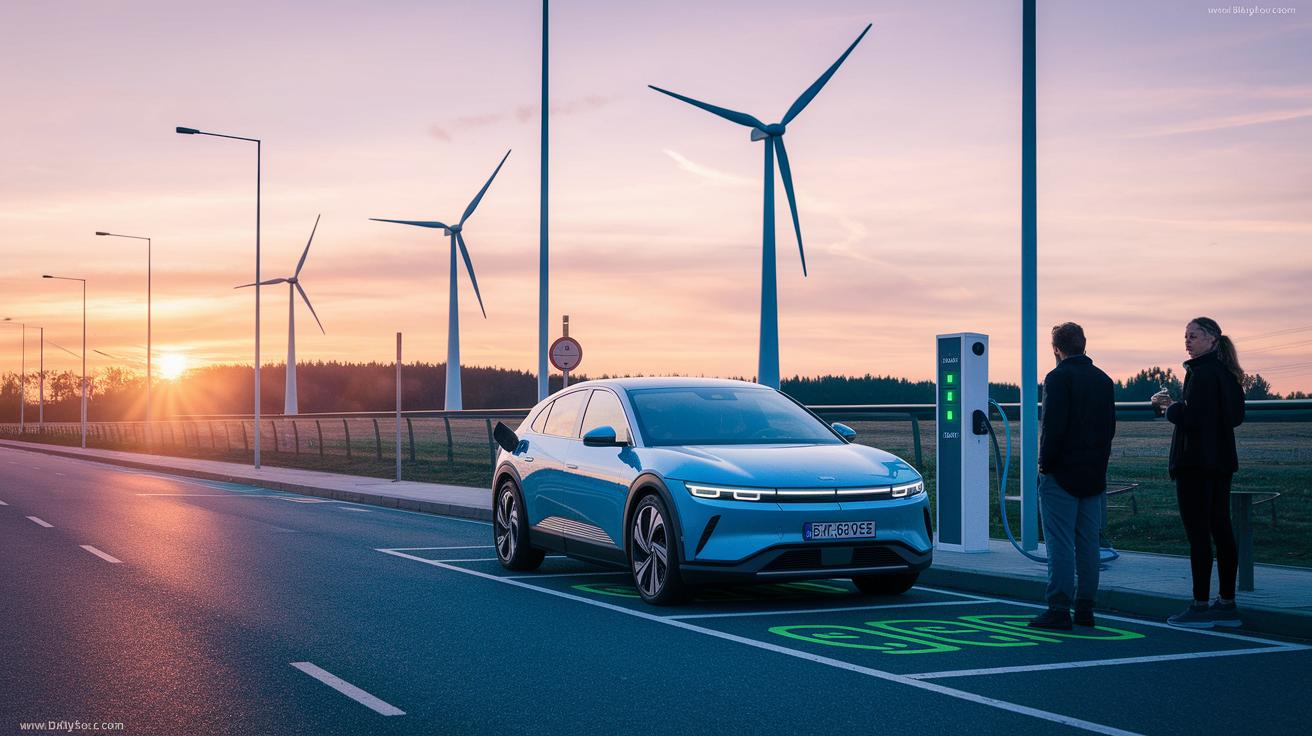
We're seeing a big shift in how we travel, thanks to vehicle electrification. Batteries and fuel cells are making it possible to move without harming our air, which is pretty exciting. Innovations in lithium-ion batteries (the ones we use in most gadgets) and solid-state batteries (a safer, faster-charging option) are letting cars go further, charge quicker, and last longer. And for heavy trucks and long trips, hydrogen fuel cells are proving to be a smart choice. In Europe, some projects are even turning extra renewable power into synthetic fuels, imagine converting surplus sunshine into cleaner energy. Plus, smart charging networks paired with efficient grids help keep everything balanced while shrinking the carbon footprint.
| Technology | Key Benefit | Current Status |
|---|---|---|
| Lithium-ion Battery | Reliable energy density and cost-effectiveness | Well-established with continual improvements |
| Solid-state Battery | Enhanced safety and quicker charging | New and showing promising prototypes |
| Hydrogen Fuel Cell | Great for heavy-duty and long-range use | Growing with pilot projects and expanding infrastructure |
| ReFuels | Transforms extra renewable power into synthetic fuels | At early trial stages in Europe |
All these energy upgrades are truly shaking up the transport world. As battery technology keeps getting better and alternatives like hydrogen become a bigger deal, electric vehicles are becoming more and more practical. The mix of smart battery tech and user-friendly charging networks not only makes our rides greener today, but also sets the stage for even cleaner travel in the future. With steady improvements and teamwork across different industries, these innovations are paving the way for an electric vehicle revolution that could completely change how we experience our daily commute.
Autonomous and Driverless Car Technologies in Future Mobility Tech
Cars today are getting smarter. We’re gradually seeing advancements in driverless tech, moving toward Level 4 and Level 5 autonomy (which means cars driving themselves in many situations). Already, pilot projects with self-driving shuttles and ride-hailing services remind us that these innovations are no longer just science fiction. Today’s vehicles also come with smart features called advanced driver assistance systems (ADAS) that use radar, lidar (laser radar), cameras, and ultrasonic sensors. They help with things like staying in lanes, adjusting speeds, and even emergency braking, making every ride safer and smoother.
And there’s another breakthrough: connectivity. Now, cars can “talk” to each other and even the surrounding systems through vehicle-to-everything (V2X) communication (which means sharing data with nearby devices). This teamwork on the road not only boosts safety but also helps traffic flow better. Plus, edge computing paired with AI (artificial intelligence) lets vehicles crunch sensor data almost instantly, so they react faster. Of course, as more cars join the network, keeping everything secure remains a top priority.
Level 4/5 Autonomy Progress
Pilot tests in city streets are already showing exciting progress towards fully self-driving cars. These projects give developers key insights, and experts believe that, by 2030, fully autonomous systems will become more common on our roads. For instance, one test even featured a bus that navigated busy streets entirely on its own, just imagine that!
Advanced Driver Assistance Systems (ADAS)
ADAS brings together several sensors into one smart setup that makes driving more precise. It uses a method called sensor fusion (which blends data from different devices) to provide real-time responses. As a result, more vehicles are now coming with these helpful features built right in.
Sensor and AI Integration
Modern cars rely on edge computing and AI algorithms to process sensor data right on board. Deep learning (a type of AI that learns from loads of data) helps analyze complex information, letting vehicles make split-second decisions. This quick decision-making is essential for the safety and reliability of autonomous vehicles.
Connected Transport Systems and Smart Infrastructure in Future Mobility Tech

Smart roads are about to change how we travel. Picture roads with tiny sensors and small computers (edge nodes) that collect real-time traffic info to ease jams and keep us safe. With fast networks like 5G and DSRC (a way for cars to talk to each other quickly), vehicles can swap information with nearby devices. This helps cars pick the best route and avoid accidents. Local governments and tech companies are teaming up on smart corridor projects that turn regular roads into digital networks ready for today’s travel challenges. In short, this system not only makes daily traffic better but also sets the stage for future inventions.
Integrated transit platforms add more connectivity by using IoT (internet-connected devices) to keep an eye on bus and taxi fleets, forecast when repairs are needed, and manage energy use. Thanks to these smart systems, both public transport and ride services get instant data to help them run smoothly. When cars and roads communicate with each other using common standards, traveling becomes simpler and more reliable. This digital upgrade isn’t just about today's needs, it also paves the way for fresh transport ideas that could change how we get around every day. All of these improvements work together to build communities that are safe, efficient, and well-connected, driving a smarter future for our roads.
Emerging Modes: Air Taxis, Hyperloop, and Drones in Future Mobility Tech
Air taxis are moving fast from ideas to real-world test flights. Major companies are busy designing fleets of eVTOL vehicles (aircraft that take off and land vertically) meant for urban landing zones. They’re targeting speeds between 150 and 250 km/h, making it possible to fly directly above ground traffic and ease congestion. But, challenges still remain, like safely integrating these vehicles into busy city skies and meeting strict safety standards. Early tests are already blending smart design with solid safety practices, hinting at a future where city air travel could be both swift and quiet.
Hyperloop systems are another exciting prospect. Trials in near-vacuum tubes, where air has been mostly removed, suggest speeds of up to 800 km/h might be within reach. Research teams in North America and Europe are working to prove that such high-speed travel can be both safe and practical. They’re digging into issues like maintaining a near-vacuum environment and protecting passengers during rapid trips. Engineers are also mapping out the necessary infrastructure while solving problems with friction and heat inside the tubes. This work could open the door to a revolutionary shift in long-distance travel.
Cargo and passenger drones are also gearing up to transform how goods and people move in urban areas. With last-mile delivery tests planned for 2024, these drones promise to navigate busy city streets with ease. Meanwhile, efforts to develop flying cars continue, despite setbacks with airspace integration and lengthy regulatory processes. All in all, these new aerial technologies offer a promising glimpse into a future where our skies help us move and connect more efficiently.
Mobility-as-a-Service and Shared Platforms in Future Mobility Tech

People are moving away from owning their own vehicles and instead choosing services that let them tap into ride-sharing, scooter rentals, bikes, and public transit. It’s like getting a bundle where you can pick the best travel option for any moment. This shift uses subscriptions and changing prices (prices that adjust based on demand) to make trips smooth and easy.
Think of it like ordering your favorite snack right when you need it. Digital transit systems help manage rides by using live updates and smart programs (AI) so that you get the perfect route while keeping traffic and pollution low.
In busy cities, shared options like e-scooters and bikes are proving to be a big help. They ease traffic jams and freshen up the air. On-demand travel apps mix different travel choices into one simple service. It’s a bit like having a friendly guide who handles all your travel plans.
As these travel platforms continue to grow, they do more than just speed up your journey. They give you handy tools to predict travel needs and plan your route just right, making everyday travel smarter and more eco-friendly.
Policy, Security, and Sustainability Challenges in Future Mobility Tech
Our rules and regulations are racing to keep up with cool new tech like self-driving cars and advanced air traffic systems for eVTOL (electric vertical takeoff and landing vehicles) and hyperloop travel. We need to update these guidelines quickly to match the pace of innovation.
Funding is another big hurdle. We’re short on cash for building charging stations, smart roads, and V2X (vehicle-to-everything) systems, and that’s why strong partnerships between government and private companies are so important.
Cybersecurity is also a top concern. With more vehicles and roadside gadgets getting connected, we need solid plans to keep communications and data safe, think of it as putting strong locks on all our digital conversations.
Environmental assessments are key, too. They help us figure out how much pollution comes from batteries, fuel cells, and synthetic fuels across their lifecycles. Government agencies and standards groups are working on roadmaps to reach carbon-neutral transit by 2050, a target that means weighing higher early costs against long-term benefits.
There are plenty of challenges ahead with funding and consistent policies, but we’re all in this together to create a mobility future that is safe, sustainable, and smart.
Final Words
In the action of exploring breakthroughs, this article shed light on futuristic innovations steering our world of transportation. It broke down electrification, driverless technology, connected systems, emerging air taxis and hyperloop, shared mobility, and policy challenges, making every concept accessible and clear.
The layered review offers a closer look at the driving force behind future mobility tech. It's an exciting time for advancements that make travel smarter, more efficient, and positively transformative.
FAQ
What are some leading future mobility tech companies?
The question regarding future mobility tech companies points to industry players working on electrification, sensor systems, and connected transport. Hyundai’s Intelligent Technology Co Ltd exemplifies companies driving these innovations.
What insights does McKinsey provide on the future of mobility?
The inquiry about McKinsey’s view indicates that their work outlines emerging trends in electrification, autonomy, and digital transit ecosystems. Their detailed PDF offers practical frameworks to adapt to these shifting patterns.
How does Hyundai contribute to future mobility developments?
The question concerning Hyundai’s role shows that the company, through its technology arm, focuses on smart, sustainable transit solutions by integrating advanced sensor tech, data platforms, and intelligent systems.
What does the future of mobility entail overall?
The question about the future of mobility sums up to a shift toward all-electric fleets, self-driving vehicles, and integrated digital platforms that create more efficient, interconnected travel experiences.