


Have you ever thought about using the sun's energy to power your home like a battery? Solar panels do just that by converting sunlight into electricity (energy you can use), which helps lower pollution. This simple idea not only cleans our air but also gives communities a way to keep the lights on during power outages. Imagine your home running on the same sunlight that brightens your day, a smart and cost-effective step toward a greener lifestyle. In this post, we'll explore how solar energy can lead to cleaner power and a healthier future.
Solar Panels for Renewable Energy: Core Efficiency, Benefits, and Costs
Solar panels are devices that turn sunlight into electricity using a process called photovoltaics (where light energy is turned into electrical energy). They do this by shining sunlight on silicon-based materials, which get excited and release electrons to produce an electric current. You can think of it like using the same bright sunlight that lights up your day to power your home. It’s a simple process that sets the stage for a cleaner, more sustainable way of living.
Using solar panels can really help cut down on greenhouse gases because they produce almost no harmful emissions compared to burning fossil fuels. Plus, by making electricity on-site, communities can become more energy independent and stay powered even during outages. This means fewer everyday surprises, like unexpected blackouts, and less reliance on distant power plants. In a nutshell, turning sunlight into electricity not only cleans our air but also builds stronger local power networks. For more details, check out the advantages of renewable energy.
- Abundant, renewable energy captured directly from the sun
- Significant cuts in greenhouse gas production
- Low maintenance that helps reduce long-term environmental impacts
- Greater energy independence from locally generated power
- Rising efficiency that leads to cost savings and improved performance
New advances in technology have boosted the efficiency of solar panels from about 10% in early models to around 26.81% today, thanks to innovations like perovskite-silicon tandem cells. This upgrade means you get more power even with the same amount of sunlight. Lower installation and maintenance costs are making it easier and more affordable to go solar. With all these improvements, solar panels are a smart choice for environmentally aware homeowners looking for a reliable, sustainable energy solution.
Solar Panel Technologies for Renewable Energy Systems

Solar panels come in two main types: photovoltaic panels that make electricity and solar thermal panels that produce heat. Photovoltaic panels are the most common today. They use silicon-based materials that release tiny charges called electrons when sunlight hits them. This neat trick, turning sunlight into electric power, is the engine behind how these panels work and keep getting better.
Silicon is the heart of photovoltaic panels. When sunlight touches the silicon, electrons are knocked loose, creating a flow of electricity. This simple idea has inspired many designs to get the most energy possible while keeping in mind cost and space.
Monocrystalline Solar Panels
Monocrystalline panels come from very pure silicon. They work at about 20–22% efficiency, which means they use space really well. They perform great even when space is tight, though they do cost a bit more because of the expensive manufacturing process.
Polycrystalline Solar Panels
Polycrystalline panels are made with many silicon crystals mixed together. They work at a slightly lower efficiency of 15–17%, but they’re more budget-friendly. This makes them a popular choice for regular setups where cost is an important factor.
Thin-Film Solar Panels
Thin-film panels use different materials like CdTe or CIGS. They usually work at about 10–12% efficiency. Their flexible nature lets you put them on curved surfaces or in places that traditional panels can’t easily reach, making them perfect for unique spots.
| Type | Efficiency Range (%) | Ideal Use Case |
|---|---|---|
| Monocrystalline | 20-22 | Space-limited, high-performance installations |
| Polycrystalline | 15-17 | Budget-friendly and standard setups |
| Thin-Film | 10-12 | Flexible uses, unconventional spaces |
Installation Steps for Solar Panels in Renewable Energy Projects
The very first thing you do in a solar panel project is take a good look at your space and decide on the right system size. You check the roof’s angle, note any nearby buildings that might cast a shadow, and make sure there’s enough room for every panel to catch plenty of sunlight. This step sets the stage for a solid renewable energy project.
Next, it’s all about getting the right permits and putting in the mounting system. You’ll need to get approvals from local authorities, which usually means having both structural and electrical inspections run to meet safety rules. Once those checks are done, you secure the panels with strong, reliable mounting hardware that fits your roof just right. This part is key to making sure the installation is safe and up to local standards.
After the panels are mounted, the work moves on to wiring, inspections, and connecting to the power grid. Technicians handle the electrical wiring, carry out all the safety tests, and get everything inspected before the system goes live. Typically, this whole process takes about 4–8 weeks, setting you up to enjoy clean energy, whether it powers your home or feeds into the grid with little maintenance.
Financial Analysis of Solar Panels for Renewable Energy Installations
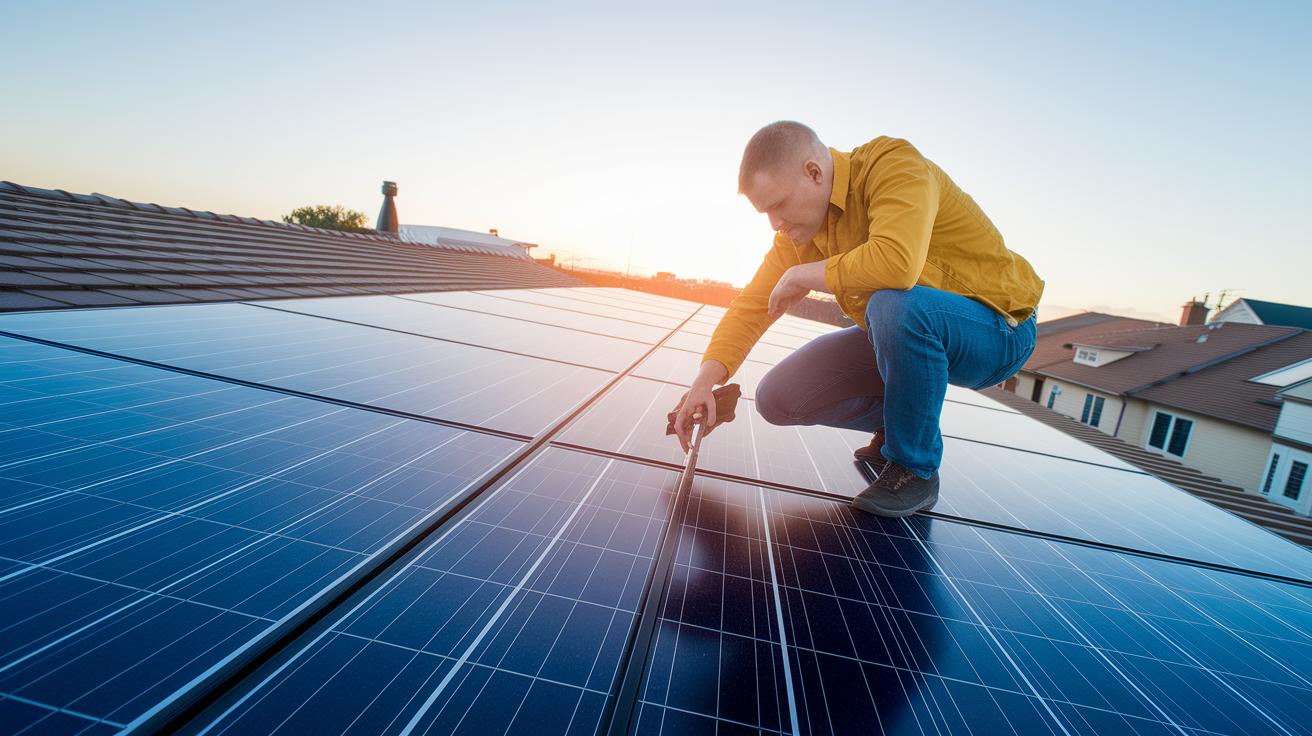
When you install a solar system at home, the upfront cost typically ranges between $15,000 and $25,000 before any incentives kick in. Instead of seeing this as just a heavy expense, think of it as an investment in cleaner energy, a bit like spending a little today to save a lot tomorrow.
Government credits can really ease this burden. For instance, the Federal Investment Tax Credit (ITC) gives you a 26% tax break through 2032, which cuts your installation cost significantly. This credit helps turn the steep initial price into something more manageable.
Most estimates suggest that your solar setup will pay for itself in about 6 to 10 years, thanks to lower electricity bills and available rebates. Over a typical 25-year lifespan, you could save anywhere from $15,000 to $25,000 on your energy bills. Plus, with minimal maintenance needed, you're looking at long-term savings that can more than cover that initial investment.
There are also plenty of financing options to consider. Whether you choose a loan, lease, or a power purchase agreement (PPA), you can spread out the cost in a way that fits your budget. All in all, solar energy offers a practical, long-term solution that’s kind to both the environment and your wallet.
Maintenance Practices for Solar Panels in Renewable Energy Systems
Solar panels are built tough and don't need heaps of upkeep. Once they're set up, they pretty much take care of themselves. Their simple design means there's not a lot of moving parts (little pieces that move) that could break, making them a smart, low-maintenance choice for clean energy.
Keeping the panels free from dust and debris really helps them work their best. Experts suggest giving them a good clean twice a year, this way, dirt or leaves won't block the sunlight they need. And it doesn't hurt to do a quick check now and then to catch any small issues before they become bigger problems.
Using monitoring tools is another handy tip. These gadgets keep track of how much energy your panels are producing and can let you know if something's off. Remember, parts like inverters (devices that turn the panels' energy into the kind you can use) usually need replacement every 10 to 15 years. Plus, with a 25-year warranty that guarantees at least 80% of the original output, you can feel sure your renewable energy system is a solid long-term investment.
Future Innovations in Solar Panels for Renewable Energy

Scientists are buzzing with excitement over new breakthroughs that are taking solar panels to a whole new level. Researchers are busy creating next-generation panels that not only grab more sunlight but are also easy to fit into different places. It’s like they’re finding smarter ways to capture sunlight and turn it into energy you can really count on.
Perovskite-Silicon Tandem Cells
Imagine mixing two recipes to get one super dish. That’s what these tandem cells do by combining perovskite (a special material that soaks up more of the sun’s light) with traditional silicon. As of November 2023, this mix reached a 26.81% conversion rate, meaning it turns a larger slice of sunlight into power by catching a wider range of the sun’s rays.
Bifacial Solar Modules
Think of these panels as double-sided mirrors. Bifacial solar modules aren’t satisfied with just the front side, they also capture light from the back. This simple twist can boost energy output by up to 15% as they cleverly use even the light bouncing off nearby surfaces. It’s a neat trick that makes every ray count.
Flexible and Smart Solar Technologies
The future of solar is getting a bit bendy and a lot smarter. Developers are crafting ultrathin, flexible, and even see-through panels that work on unusual surfaces. At the same time, smart panels equipped with tiny IoT sensors (small devices that allow gadgets to talk to each other) keep an eye on performance in real time. These features open up exciting new uses, from embedding panels in buildings to linking them into networks that act like virtual power stations.
And there’s more on the horizon, energy storage is also stepping up its game. With better lithium-ion and flow batteries on the way (expected by 2025), solar power is set to play an even bigger role as we look ahead to 2035.
Final Words
In the action we reviewed the science behind solar panels for renewable energy, from how they convert sunlight into electricity to the ways they cut gas emissions. We touched on everything, efficiency metrics, cost breakdowns, and steps needed for installation and maintenance.
Each section built a picture of accessible, clean power for everyday use. The latest advancements show exciting potential for ever-improving performance and affordability. The future is bright, and every new discovery brings renewed hope for a cleaner and more empowered energy landscape.
FAQ
What are the pros and cons of solar panels for renewable energy?
The pros include reduced emissions and low maintenance, while cons often cover high upfront costs and variability from weather conditions.
What are the best solar panels for renewable energy?
The best panels feature high efficiency, strong durability, and reliable warranties that help maximize performance and savings over time.
What are the advantages of solar energy?
Solar energy advantages span lower utility bills, decreased greenhouse gas emissions, and tapping into a plentiful source of clean, renewable power.
How is solar energy converted into electricity?
Solar energy converts into electricity when photovoltaic cells use a semiconductor process to transform sunlight into electrons that power your home.
What is solar energy?
Solar energy is power captured directly from the sun and used as a clean resource to generate electricity or heat for various applications.
What are the types of solar energy?
Types include photovoltaic systems that produce electricity and solar thermal systems that convert sunlight into heat for water or air.
How is solar energy used?
Solar energy powers homes, businesses, and utilities by generating electricity or heat, reducing reliance on nonrenewable energy sources.
Do solar panels give renewable energy?
Solar panels provide renewable energy by turning sunlight into electricity, contributing to a sustainable and continuously replenished power supply.
What is the 33% rule in solar panels?
The 33% rule refers to a common guideline suggesting that roughly one-third of a roof’s area is best suited for solar panels, though actual needs may vary.
What is the biggest drawback of solar panels?
The biggest drawback of solar panels is their high initial cost, which may be offset by long-term savings and available financial incentives.
Why is my light bill so high if I have solar panels?
A high bill might indicate system performance issues, shading problems, or output shortfalls on cloudy days, signaling a need to review your setup.