


Have you ever imagined that understanding our DNA could be as common as checking your phone? Lab costs have dropped from millions to just a few hundred dollars, and it feels like biotechnology is speeding along.
New tools like smart sensors (little devices that pick up changes) and 3D-printed tissues (layered structures built like a puzzle) are changing the way we keep an eye on our health and even make eco-friendly materials.
It’s exciting to think that these shifts could soon lead to real, everyday benefits in our lives.
Latest Breakthrough Innovations in Biotechnology
Genome sequencing has become shockingly affordable over the past decade. What used to cost around $95 million now comes out to just $950. This dramatic price cut means labs and clinics can now explore our genetic blueprints without breaking the bank. Imagine being able to unlock the secrets of your DNA at a fraction of the cost we once thought possible. It’s like suddenly finding a treasure chest that everyone can open.
At the heart of these advances are neat developments like biosensors, 3D bioprinting, bioplastics, and bioenergy. Biosensors now track vital signs, think blood pressure, pulse, and temperature, in real time, making health monitoring immediate and personal. And then there’s 3D bioprinting, which has come so far that it can craft heart valves, skin grafts, and cartilage right from living cells. It’s a major leap in tissue engineering that feels straight out of a science fiction story, yet it’s very real. Bioplastic breakthroughs are also making waves by offering eco-friendly alternatives to regular plastics, especially important when you consider the millions of tons of plastic waste clogging our oceans. Alongside these, bioenergy is on the rise too, steadily nudging us away from old fuels toward cleaner, renewable options.
Automated platforms are the unsung heroes tying these innovations together. Start-ups like Inscripta’s Onyx and Scispot TechBio are making it easier than ever to manage tricky processes, like editing genomes or engineering new strains at high speeds. These smart systems blend lab tools with digital workflows, automating routine tasks and connecting instruments with clever software. It’s a big step toward a more agile and responsive biotech world, a place where scientific innovation feels as natural as chatting with a good friend about the wonders of technology.
Biotechnology Breakthroughs in Gene Editing and CRISPR Innovation
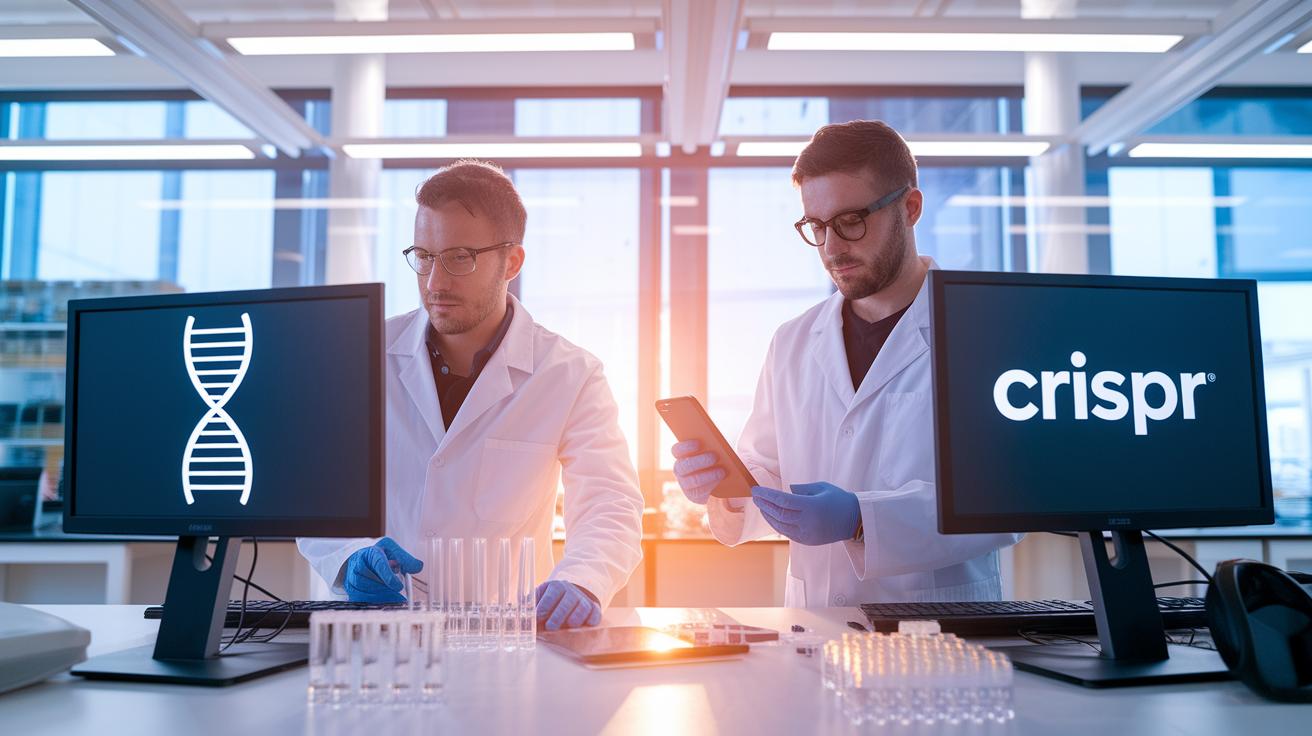
Gene editing is moving ahead fast, especially since the cost of sequencing has dropped from $95 million to just $950 in only ten years! CRISPR treatments for sickle cell anemia might be approved as soon as 2024, and new methods like base editing (changing DNA one letter at a time) and prime editing (a fresh take on gene tweaking) are starting early trials for beta-thalassemia and hemophilia. In truth, these breakthroughs are setting the stage for safer and more effective gene therapies.
Clinical Trials of CRISPR Therapies
Right now, early-stage trials (Phase I/II) are testing CRISPR treatments for sickle cell anemia, beta-thalassemia, and hemophilia. The first results are pretty promising with patients showing good responses and the treatments proving to be safe enough. For example, researchers have seen clear improvements in how blood cells work, which has everyone excited about the possibility of these therapies hitting the market soon.
Recent results confirm that safety measures hold up while patients receive real, measurable benefits. Ongoing studies are still working on the best doses and picking the right patients, so these treatments can become reliable parts of genetic medicine. Scientists are watching these developments closely, and they’re already making headlines as major breakthroughs in gene editing.
Commercial Platforms and Industrial Applications
Inscripta’s Onyx platform is a neat tool that offers a fully automated way to engineer genomes in both tiny microbes and animal cells. It has already sped up high-volume gene modifications, making the process faster and more predictable.
At the same time, Thermo Fisher Scientific and Merck KGaA/MilliporeSigma are developing innovative CRISPR workflows for industrial use. Their new systems are boosting production yields and making the process easier to scale up, a big leap forward in putting gene editing technology into everyday commercial practice.
3D Bioprinting and Tissue Engineering Breakthroughs in Biotechnology
3D bioprinting is shaking up tissue engineering by carefully building living structures one layer at a time. It works with special printers that lay down bioinks (a blend of living cells and friendly support materials) to form tissues that work like the real thing. Scientists work with care so that what’s printed mimics natural tissue closely. For instance, think of printing tiny, detailed scaffolds filled with blood vessel patterns, this method can reach up to 85% of the function found in native tissue.
Key breakthroughs in this area include:
- Bioprinted heart valves
- Skin grafts that help burn patients heal better
- Cartilage implants to mend joints
- Microvascular networks that mimic tiny blood vessels
Early clinical trials, like one started in 2024 using bioprinted skin grafts, have brought encouraging news. Patients saw quicker healing and needed fewer traditional skin graft procedures. Looking to the future, researchers are eager to see if these techniques can build even more complex tissues or maybe whole organs! They’re now focusing on making the materials even friendlier with our bodies and speeding up the printing process. This progress promises more effective, accessible repairs and even organ regeneration down the road.
Synthetic Biology Progress and Bioinformatics in Biotechnology Innovations

Digital Lab Operating Systems are shaking up how scientists run experiments. They bring together the hands-on work (wet lab) and the computer work (dry lab) using flexible digital notebooks and simple, no-code APIs. This means lab staff can update records on the fly while the system checks for quality issues automatically. It’s all about making the lab smoother and cutting down on mistakes.
Take the Scispot TechBio toolkit, for example. It’s at the heart of biotech automation, handling everything from CRISPR tasks and next-gen sequencing data to immunoassay setups. With an AI helper like Scispot AI, you get live updates on a neat dashboard. Imagine a tool that immediately points out data hiccups so you can fix problems right away. It makes complicated lab work feel a lot easier day by day.
Computational tools are adding even more strength to these innovations. They support popular programs like Jupyter Notebook and R Studio, plus use GPT-4 for modeling, which helps unpack data in a thorough, clear way. Now, things like high-throughput screening and molecular diagnostics run on AWS S3-backed data lakes that meet top security standards like SOC 2 and ISO 27001. In short, these tools keep your data safe and let labs grow as they take on more experiments every day.
Industrial and Agricultural Biotechnology Breakthrough Innovations
Agriculture is getting a real makeover that’s helping secure food for communities all over the world. Imagine crops that can handle extreme weather and even pack in extra nutrients for families who need it most. In areas battling tough, dry climates, scientists are busy creating seeds that not only survive drought but also add vital nutrition. This progress keeps food supplies steady and helps local economies by lowering the risk from unpredictable weather and poor soil quality. It’s a game-changer for feeding more people as our planet faces climate challenges.
Here are some of the exciting innovations:
- Drought-tolerant seeds that keep crops growing even in dry spells
- Crops engineered for higher yields in biofuel production (fuel derived from organic matter)
- Eco-friendly bioplastic materials that reduce environmental strain
Meanwhile, industrial microbiology is also stepping into the spotlight with smart upgrades in bio-based processes. Researchers are fine-tuning how tiny organisms break down materials (think of it as engineering nature's own production line) and are boosting fermentation techniques (similar to brewing but for creating useful substances). Thanks to these improvements, bioenergy, which is growing by roughly 7% each year, is becoming a strong rival to traditional fuels. Better fermentation means higher yields and lower costs, making it easier to harness sustainable energy solutions and protect our planet. Together, these breakthroughs in agriculture and industry are paving the way for a more secure, efficient, and eco-friendly future.
Biopharmaceutical Frontiers and Precision Medicine Evolution in Biotechnology

Biopharmaceutical advances are transforming healthcare in exciting ways. Researchers are testing new mRNA and viral vector vaccines for RSV and HPV in large Phase III studies, which means they're close to proving they work. Meanwhile, innovative drug delivery systems, like antibody-drug conjugates and nanoparticles, are being explored in clinical trials, aiming to target treatments with greater precision. Have you ever wondered how treatments can be custom-tailored to your needs? That's exactly what’s happening here, with companion diagnostics growing by 35 percent in just two years. These breakthroughs promise safer, more personalized care and mark a big step toward truly patient-centered treatments.
Next-Generation Vaccine Platforms
Next-generation vaccine platforms are using mRNA and viral vector tech to build more adaptive immunizations. Phase III trials for RSV and HPV vaccines are showing promising immune responses and meeting key targets. Researchers have streamlined their processes, speeding up development and paving the way for quicker delivery. By fine-tuning vaccine formulas, they're boosting both stability and efficiency. This progress is crucial for building global protection against diseases.
Advanced Immunotherapy and Precision Therapeutics
Advanced immunotherapy is broadening its scope with CAR-T treatments now being tested on solid tumors, not just blood cancers like leukemia. With companion diagnostics up by 35 percent in two years, doctors can design treatment plans that really fit each patient. New nanoparticle delivery methods and next-generation antibody-drug conjugates are in clinical reviews, showing potential for high precision with fewer side effects. These steps forward are reshaping how we think about targeted therapies and are opening up new, safer treatment options for many different conditions.
Emerging Trends and Future Directions in Biotechnology Innovations
In today’s research labs, AI and machine learning are speeding up discoveries by nearly 30%. Imagine this: one lab managed to cut its discovery cycle down by a third, completely changing how they run experiments. Systems biology (a way to look at all parts of a system working together) also helps scientists fine-tune enzymes and tweak cell pathways to get better results.
On the market side, things are just as exciting. In 2023, the global bioeconomy hit $1.2 trillion and is expected to grow to $2 trillion by 2027. More funding and smart investments in biotech are blending digital tools with biological research, opening up fresh territories for innovative projects.
At the same time, ethical and regulatory rules are keeping up. New guidelines for things like germline editing (altering genes in eggs or sperm) and gene drives are under review to ensure responsible innovation. This thoughtful approach means that as biotech moves forward, safety and ethics are never left behind.
Final Words
In the action, this article took you through a range of cutting-edge topics, from rapid genome sequencing and real-time biosensors to 3D bioprinting and industrial innovations in agriculture and medicine. Each breakthrough offers a clearer glimpse into how modern science is reshaping our world.
By spotlighting biotechnology breakthrough innovations, we’ve seen how these advances make complex ideas more accessible and drive industry progress. Let’s stay inspired and eager as we witness more bright progress ahead.
FAQ
What were the biotechnology breakthrough innovations in 2021?
The biotechnology breakthrough innovations in 2021 featured reduced genome sequencing costs and advanced biosensors, leading to enhanced biomedical research and industrial applications that improved data collection and environmental monitoring.
What were the biotechnology breakthrough innovations in 2020?
The biotechnology breakthrough innovations in 2020 focused on cutting-edge bioprinting techniques and eco-friendly bioenergy solutions, helping to improve medical fabrication and support sustainable industrial processes.
What new discoveries in biotechnology are expected by 2025?
The new discoveries in biotechnology expected by 2025 will likely include advanced gene editing techniques and automated research platforms that increase efficiency and support sustainable innovations in medicine and industry.
What are the recent advancements in biotechnology?
The recent advancements in biotechnology involve improved automation platforms, enhanced genome editing methods, and breakthroughs in tissue engineering that streamline research workflows and broaden the scope of practical applications.
Where can I find recent advances in biotechnology published in PDF?
The recent advances in biotechnology available in PDF format can be found through academic journals, professional conference proceedings, and industry-specific research portals that compile verified studies and technical breakthroughs.
What are the top 10 biotechnology products?
The top 10 biotechnology products include innovative genome sequencing tools, advanced biosensors, cutting-edge CRISPR editing systems, automated platforms, high-yield bioenergy solutions, bioprinted tissues, targeted bioplastics, precision diagnostic kits, improved fermentation solutions, and scalable lab systems.
How do biotechnology innovations and agricultural techniques work together?
The integration of biotechnology innovations with agriculture produces drought-resistant seed varieties, eco-friendly bioplastics, and high-yield biofuel strains, thereby strengthening food security and promoting sustainable, environmentally friendly farming practices.