


Have you ever thought that tiny particles might change how we heal? Nanotechnology is quietly changing the game in healthcare. It can spot the first signs of a disease and send medicine exactly where it's needed. Imagine these little tools acting as personal guardians inside your body, catching any hints of trouble and guiding treatments with clear, pinpoint care. They blend checking, treating, and even repairing all into one smart system. In doing so, nanotech is opening the door to medical care that's not only safer but also truly precise, a breakthrough that could spark innovative cures for everyone.
Overview of Nanotechnology’s Role in Medical Diagnosis, Therapies, and Drug Delivery
Nanotechnology is giving healthcare a fresh twist by letting scientists design tiny, smart tools that spot early warning signs of disease. These mini detectors search for small clues (biomarkers) in our bodies way before any symptoms pop up, kind of like having your own personal health scout.
At the same time, researchers have found ways to use these little particles to deliver medicine right to where it's needed, which means fewer side effects on healthy cells and better overall treatment. Plus, engineers are crafting special nanomaterials that act as a kind of supportive scaffold during tissue repair, much like a framework helps rebuild a broken structure. Together, these breakthroughs are paving the way for a future where medical diagnosis, treatment, and recovery become smarter, quicker, and perfectly tuned to each patient's needs.
Diagnostic Innovations Using Nanotechnology in Healthcare
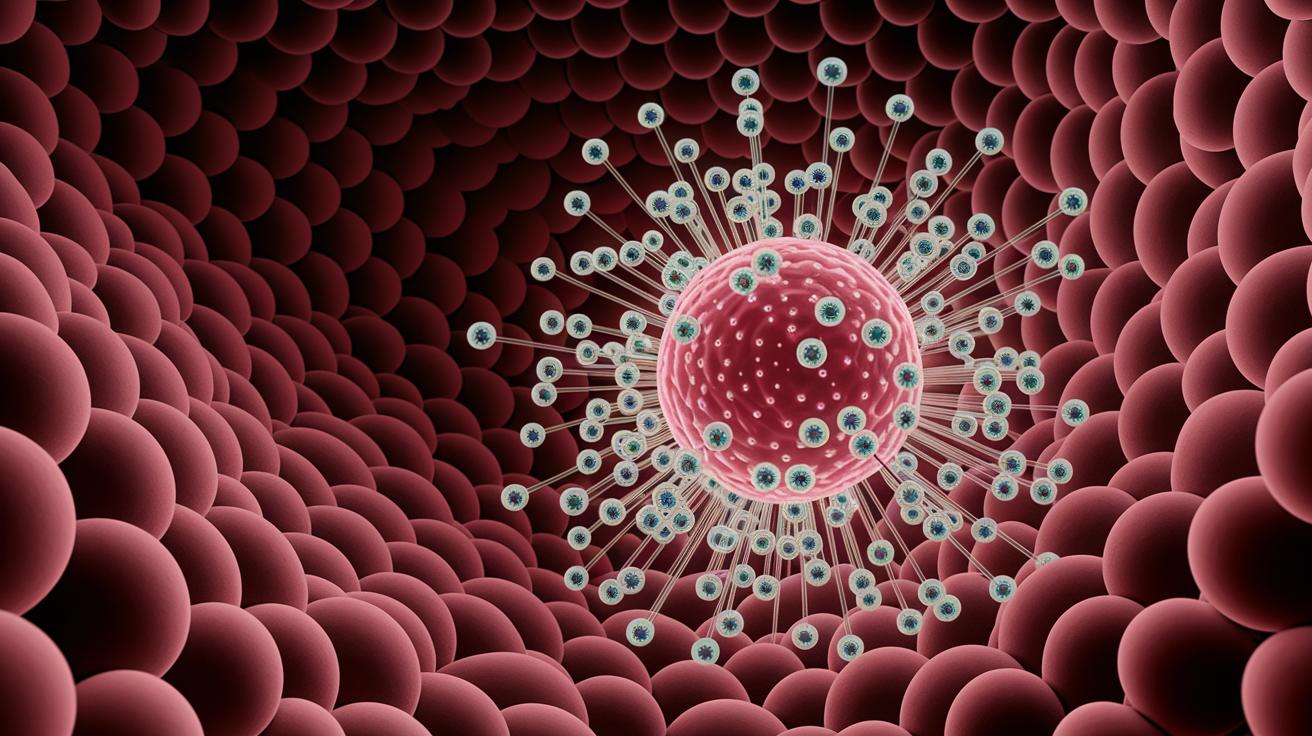
Nanoscale sensors and quantum dots are shaking up how we look for signs of illness. Imagine this: tiny particles once trapped in lab experiments can now spot the earliest hints of cancer, details that older methods often miss. Scientists use smart molecular tests (tools to spot tiny clues inside our bodies) to catch signs of heart trouble and infections long before we feel unwell.
Tools that work with light, called photonic devices, teamed up with magnetic nanoparticles, give an extra boost to early disease detection. Researchers are even testing out clever new ideas like smart pills and tiny robots (nanobots) that travel inside the body to check for issues with a precision that regular scans just can’t match. Modern microfluidic systems, which process very small liquid samples, work quickly and accurately to offer fast results.
One cool example comes from the University of Arizona. They developed a paper chip coated in nanoparticles that can quickly and cost-effectively detect norovirus in water. These fresh innovations not only cut costs but also help reduce the chances of a misdiagnosis. By mixing high-detail imaging with smart molecular tests, nanotechnology is speeding up the process of finding diseases and opening the door to treatments made just for you.
All of these breakthroughs point to a big change in healthcare diagnostics. Researchers imagine a world where catching a problem early stops it from turning into something really serious, and timely care saves lives every day.
Targeted Drug Delivery Mechanisms Enabled by Nanotechnology
Nanoparticles are like tiny delivery trucks that bring medicine exactly where it's needed, which helps keep healthy cells safe. This means treatments can be more precise, a big deal for diseases like cancer and inflammatory conditions (swelling and pain).
There are also neat treatments like photothermal and photodynamic therapies, where special particles react to certain triggers. For instance, when light activates these particles, they heat up or create reactive oxygen species (chemicals that can kill cells), which then target tumor cells. Because they focus only on the trouble spots, these methods often lead to fewer side effects than standard treatments.
Imagine tiny robots made from DNA, yep, DNA-based origami nanorobots! Researchers have built these little machines to deliver a package of molecules straight to tissues affected by leukemia and lymphoma (types of blood cancer). It’s an exciting new way to get medicine exactly where it’s needed.
Other tiny helpers, known as nanocarriers, are used to transport delicate genetic material like siRNA and miRNA (small pieces of genetic instructions) safely to problematic cells. They protect these fragile molecules along the way so that the treatment stays strong until it reaches its destination through controlled release methods.
Thanks to these smart techniques and gradual release systems, doctors can now expect more reliable results. These clever therapeutic systems are paving the way for safer and more effective treatments, slowly changing how we handle health challenges.
And guess what? Early studies show these innovations not only make treatments safer but also boost their effectiveness in real clinical settings.
Regenerative Therapy Methods in Healthcare with Nanotechnology
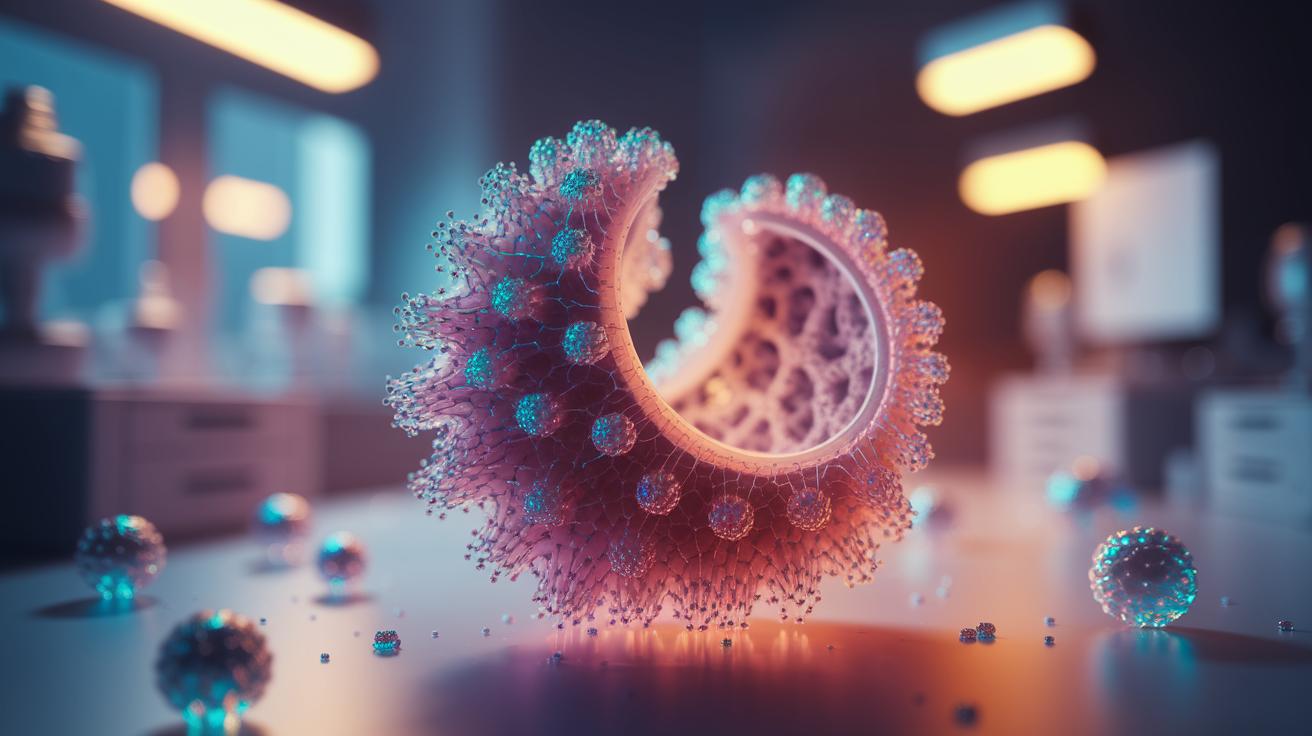
Nanomaterials are like tiny builders that create a framework for cells, just as our bodies naturally do. They form special supports called scaffolds that mimic the extracellular matrix (the natural net that holds cells together). Think of it as using miniature building blocks to help damaged tissues rebuild themselves, much like repairing an old bridge with new, sturdy beams.
Scientists are also using nanocarriers to precisely target stem cells, similar to a smart delivery system that takes healing cells directly to injured areas. This method focuses only on the problem spots, boosting the body’s ability to regenerate tissues after an injury or in cases of degeneration. For example, researchers load stem cells into nano-sized carriers and guide them to the parts of the body that need repair, ensuring a more focused and effective healing process.
Another exciting development comes from hydrogel composites. These are soft gels mixed with nanoparticles that not only get tougher but also enhance their ability to support cells. Imagine turning a sponge into a resilient pad that gently supports cell growth while slowly releasing healing agents. Together, these innovative approaches are making tissue repair smarter and more in tune with the natural ways our bodies mend themselves.
Minimally Invasive Nanotechnology Devices Transforming Patient Care
Picture a future where small, smart devices deliver top-notch care without causing much disruption. Researchers are hard at work creating nanotech tools that gently change how we get treatment. For example, scientists at the University of Wisconsin have developed a special bandage equipped with a tiny nanogenerator (a small device that creates electric fields) that turns everyday movement into energy to help wounds heal faster. It’s almost like your own motions are giving your body a little boost to mend itself.
Graphene-based wearable monitors are also changing the game for remote healthcare. These clever, flexible devices keep track of important details like your heart rate and oxygen levels, and they send that information straight to your doctor. Imagine having a little sensor that always keeps an eye on your well-being, alerting someone if things look off so you can get help quickly.
Meanwhile, tiny robotic tools are reaching exciting new heights. Engineers are exploring nanoscale robots designed to perform very precise procedures at a microscopic level. Think of it like having a mini team of experts inside your body, working skillfully on the tiniest problem spots, which could mean faster recoveries and fewer risks compared to traditional surgery.
All these innovations mix smart sensor technology with innovative hardware to create a future where care is less invasive and more connected. It’s a peek into a world where technology and healing work hand in hand to make everyday life healthier and more comfortable. Ever wonder how these tiny marvels might one day transform your own experience with patient care?
Safety, Nanotoxicity Assessment, and Regulatory Frameworks for Nanotechnology in Healthcare

Nanoparticles have brought exciting new ways to treat diseases, but they also come with fresh safety concerns. Researchers are still uncovering how these tiny particles behave in the body over time. For instance, while nanoparticles can deliver medicine exactly where it's needed, experts are looking into whether long-term, low-level exposure might slowly affect our cells. New safety steps and careful risk-check methods are being developed to keep our body’s balance safe.
Ethical issues, like making sure treatments treat everyone fairly and don’t lead to unexpected side effects, are a big part of the conversation today. Regulatory groups are busy updating rules that protect patients while still letting innovation bloom. Experienced consultants help medical companies and research labs meet these evolving safety standards. Sure, keeping up with fast-moving tech can be tricky, but there’s a lot of teamwork among regulators, industry professionals, and researchers. This collaboration aims to make sure that nanomedicines are both safe and effective as they become more common in treatments.
Future Clinical Implementation and Trends in Nanotechnology Healthcare
Translational research is quickly taking new nanomedicine ideas from the lab and bringing them into everyday care. Researchers and doctors are teaming up with clear, simple plans that could really change how patients are treated. For example, one study tested a new nanoparticle treatment that works like a tiny delivery truck, targeting cells with the accuracy of a guided missile.
Universities and industry partners are joining forces more often these days, speeding up the process of turning breakthroughs into real treatments. It’s like watching a relay race where one team hands off the innovation baton to the next, ensuring ideas move smoothly from experiments into clinics.
Funding is growing too, with more money going into nanomedicine startups and big pharmaceutical projects. Experts say this boost is fueling a wave of fresh research projects that imagine a future where every treatment is personalized and gentle on the body. Even the U.S. Bureau of Labor Statistics predicts a rise in tech jobs, highlighting the growing need for skilled professionals.
All these advances point to a future where strong collaborations and steady support lead to smarter, more reliable healthcare. Every tiny nanoparticle seems to be a little building block for creating treatments that will improve our lives in ways we can hardly imagine.
Final Words
In the action of breaking down innovative diagnosis, targeted therapies, and regenerative repair, our look into nanotechnology in healthcare shows remarkable promise. Tiny devices detect early signs of disease while smart carriers deliver treatments exactly where they're needed. Minimized invasiveness and real-time monitoring are reshaping patient care. Safety tests and evolving guidelines are part of this ongoing effort to make treatments both effective and reliable. Every step forward nudges medicine closer to a future where care is smarter and more precise.
FAQ
What are examples or types of nanotechnology in healthcare?
The nanotechnology in healthcare covers nanoscale diagnostic tools like quantum dots, targeted drug delivery systems, regenerative scaffolds, and wearable monitors. These innovations improve early detection, treatment precision, and tissue repair.
What formats are available for nanotechnology in healthcare presentations and documents?
The nanotechnology content is available in various formats such as PDFs and PPTs. These resources provide detailed overviews of innovative diagnostic systems, targeted therapeutics, and regenerative therapies.
What is the future of nanotechnology in medicine?
The future of nanomedicine involves moving from lab research to clinical application with more precise diagnostics, targeted treatments, and regenerative therapies, spurring expansion in clinical trials and research investments.
What are the advantages of nanotechnology in medicine?
The advantages of nanotechnology in medicine include enhanced diagnostic accuracy, precise drug delivery that reduces side effects, improved tissue regeneration, and cost-effective health care solutions through innovative nanoscale tools.
What are five examples of products enhanced by nanotechnology?
Five examples are nanoparticle-enhanced diagnostic chips, precision drug delivery systems, regenerative scaffolds, smart bandages that promote healing, and graphene-based wearable monitors that track patient data.
What diseases can nanotechnology cure?
Nanotechnology doesn’t cure diseases directly but aids in early detection and targeted treatment for conditions like cancer, cardiovascular disorders, and infections, ultimately improving therapeutic outcomes.
What is the promise of nanotechnology in healthcare?
The promise of nanotechnology in healthcare is to create more accurate, minimally invasive diagnostics and therapies that can transform disease detection, improve treatment efficiency, and support tissue regeneration efforts.
What does nanotechnology do to the human body?
Nanotechnology interacts with the body by employing tiny devices to detect disease markers, deliver drugs precisely to affected areas, and support tissue repair with biocompatible scaffolds, enhancing overall treatment efficacy.