


Imagine a world where medical science and eco-friendly technology work together to bring life-changing breakthroughs by 2025. Picture gene fixes (small changes in your DNA) calming stubborn brain conditions, tiny blockers easing risky body reactions, and smart immune treatments fighting challenging cancers. At the same time, science and farming are teaming up to create greener solutions, while innovative biotech ideas appear almost every day. In this article, we'll dive into the exciting advancements that could reshape healthcare and our food supply, inviting you to reconsider what you once thought was impossible.
Science Breakthroughs 2025: Spark New Innovations
Get ready for some exciting progress by 2025! Researchers are mixing clever ideas from medicine and farming to tackle big challenges. For example, one team is trying gene therapy (a way to fix genes) to help people with drug-resistant focal epilepsy, a condition that touches about 1% of folks worldwide, with only a few finding relief from usual treatments. And there’s more: scientists are testing tiny molecule blockers to ease dangerous immune reactions (cytokine storms) that can occur with severe flu, COVID-19, or sepsis. Plus, a new type of CAR therapy (where immune cells are reprogrammed) is being developed to fight aggressive cancers like neuroblastoma, a tough disease that affects many children.
Other fresh approaches are also worth noting. One idea is to block RAGE receptors (cell parts that trigger inflammation) to stop harmful chain reactions in the body. There are even new compounds in the works to help with lung and liver scarring, known as fibrosis, where current treatments just don’t cut it. AI-driven drug discovery platforms are stepping in too, speeding up the process of finding promising medicines. Researchers are tweaking treatments for non-alcoholic steatohepatitis (NASH) to help reduce the rising need for liver transplants. And on the sustainability side, innovative methods like edible antiviral coatings made from green tea extracts are being developed to keep produce fresh, while eco-friendly biopesticides derived from cellulose (a natural plant fiber) could make plants tougher. Finally, seaweed-based proteins might cut global emissions by up to 75%, offering a bright boost for our planet’s biodiversity.
- Gene therapy that could help treat drug-resistant focal epilepsy, affecting about 1% of people worldwide.
- Tiny molecule blockers aiming to calm dangerous immune reactions (cytokine storms).
- A new CAR therapy in development to lower deaths from aggressive cancers like neuroblastoma.
- RAGE receptor blockers designed to stop harmful inflammatory cascades.
- New compounds being tested to treat lung and liver fibrosis.
- AI-powered platforms to speed up finding promising drug candidates.
- Refined treatments for non-alcoholic steatohepatitis (NASH) to reduce liver transplant needs.
- Edible antiviral coatings made from green tea extracts to keep produce fresh.
- Eco-friendly biopesticides from cellulose that boost plant defenses.
- Seaweed-based proteins that could reduce global emissions by up to 75%.
Cutting-Edge Biotech Breakthroughs in 2025
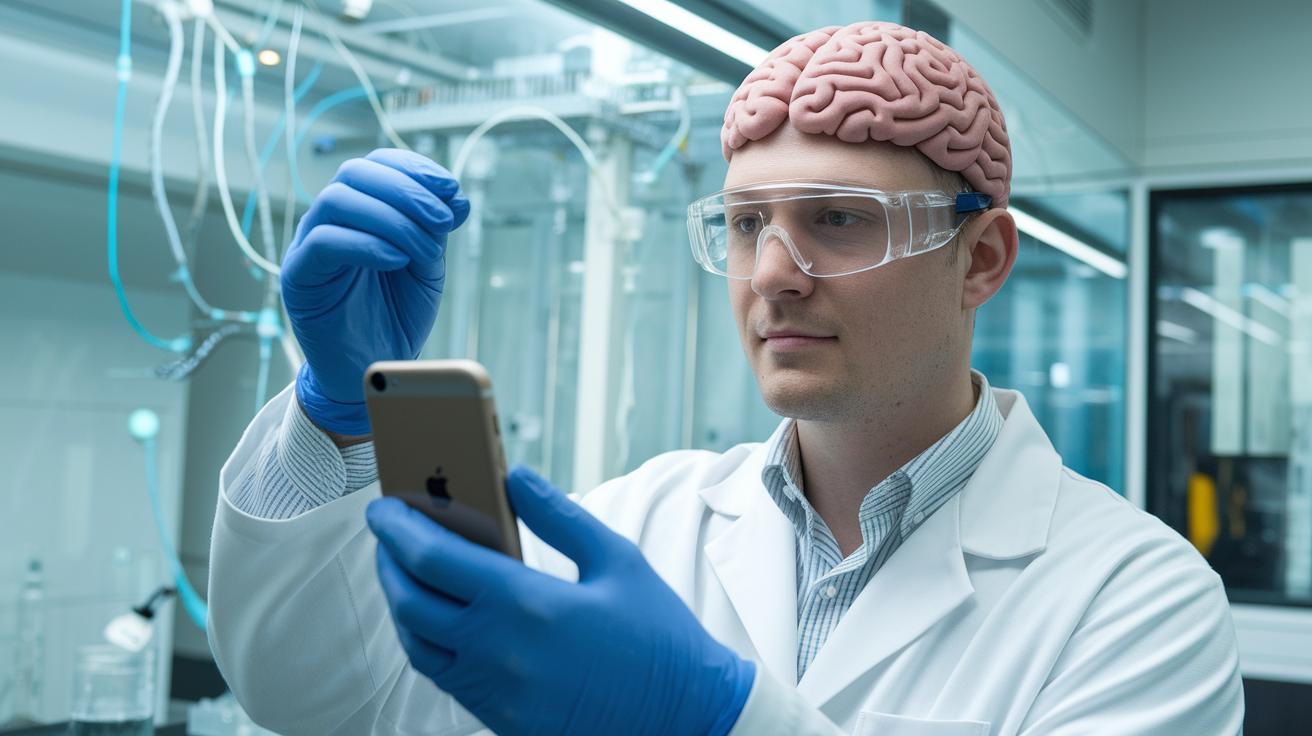
Biotech breakthroughs in 2025 combine smart treatments to help people with drug-resistant focal epilepsy, severe immune troubles, and tough cancers like neuroblastoma.
New gene therapies for focal epilepsy act like a repairman fixing a broken part in your favorite gadget. It’s a nifty way to give patients who had few options a fresh start. Imagine a tiny tool mending a complex circuit to keep everything running smoothly.
Small-molecule inhibitors help calm an overactive immune system during illnesses like influenza, COVID-19, and sepsis. Think of them as quick firefighters that stop dangerous flare-ups in their tracks.
CAR-T cell therapy, which targets solid tumors like neuroblastoma, shows encouraging results with about 15% pediatric mortality and a 50% five-year survival rate for high-risk cases. For more on CAR-T advances, check out breakthroughs in medical science.
Research on RAGE receptor antagonists along with treatments for lung and liver fibrosis and NASH is making steady progress. These efforts could reduce chronic inflammation and lower future liver transplant needs.
| Innovation | Disease Focus | Key Details |
|---|---|---|
| Gene Therapy | Focal Epilepsy | Approximately 1% global prevalence; option for patients not eligible for surgery |
| Small-Molecule Inhibitors | Influenza, COVID-19, Sepsis | Calm dangerous immune responses acting like precise firefighters |
| CAR-T Cell Therapy | Neuroblastoma | 15% pediatric mortality; 50% five-year survival in high-risk cases |
| Additional Compounds | Chronic Inflammation, Fibrosis, NASH | Targets inflammation and organ damage to reduce liver transplant demand |
Next-Generation AI and Computational Research Trends for 2025
In drug discovery, AI is really shaking things up. It sifts through thousands of compounds like sorting puzzle pieces, helping researchers pick the best candidates faster, even when tricky issues, like something called catastrophic forgetting, pop up.
Scientists are also partnering with AI co-scientist agents and coding assistants to speed up brainstorming and software building. Think of them as extra, tireless eyes that spot patterns and test out ideas really quickly. If you're curious, the deep tech world has plenty more to show on this fresh, unique approach.
Large-scale optimization is another hot topic. Innovations here are making routing algorithms smarter, boosting voice-search clarity, and fine-tuning federated analytics while keeping privacy secure. Picture it as a perfectly tuned orchestra where every part works together for faster and more reliable outcomes.
In fertility research, blending microfluidics (tiny systems that move small amounts of liquid) with AI is making sperm analysis more efficient, offering hope to lift IVF success rates. Meanwhile, AI platforms are stepping up in genomic variant interpretation to push diagnostic yields beyond the current 30% for rare disorders, helping doctors get the right answers faster.
Sustainable Science Innovations Shaping 2025
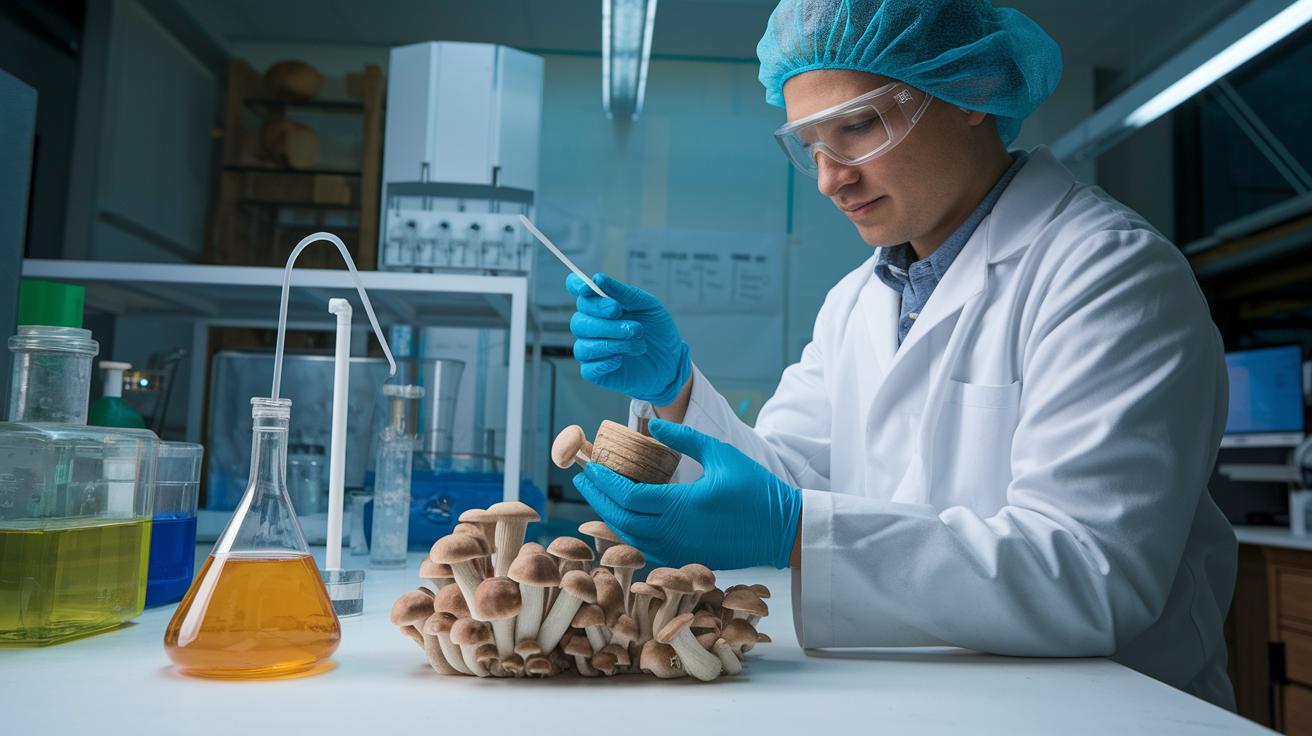
Scientists are exploring creative breakthroughs that could change how we use everyday materials in 2025. One cool idea is making pastes from fungi (mushroom-based substances) to help reduce waste from crops. They’re also turning leftover wood into plastics that are friendlier to our planet than traditional ones made with oil. Researchers are reimagining chemical processes, like how we make ammonia (a key ingredient in fertilizer), in ways that lower harmful emissions. They’ve developed water-based adhesives designed to work well even in damp conditions, and these adhesives can be recycled too. Plus, new techniques to pull CO₂ out of natural-gas streams are showing promise in cutting emissions.
Some exciting examples include:
- Fungal pastes that cut down crop waste, imagine a natural glue from mushrooms helping farmers save food.
- Eco-friendly plastics made from wood waste, offering a green alternative to old-style polymers.
- Cleaner ways to produce ammonia using smart chemical methods that ease our carbon footprint.
- Water-based adhesives that stick firmly in moist, humid settings while being totally recyclable.
- CO₂ extraction methods that tidy up natural-gas streams and help reduce pollution.
| Innovation | Impact | Description |
|---|---|---|
| Fungal Pastes | Reduces Crop Waste | Uses mushroom-based ingredients to cut down on crop waste, potentially saving vast resources. |
| Eco-friendly Plastics | Lessens Polymer Waste | Transforms wood waste into plastics, decreasing reliance on fossil fuels. |
| Green Chemistry Pathways | Lowers Emissions | Improves ammonia production with innovative methods that shrink the carbon footprint. |
| Water-based Adhesives | Boosts Durability | Designed to perform reliably in humid conditions while being recyclable. |
| CO₂ Extraction | Cuts Emissions | Refines natural-gas streams and reduces pollutants, supporting cleaner energy. |
Water-based adhesives and CO₂ extraction techniques offer practical improvements alongside the more radical ideas. Think of a water-based adhesive working like a trusty seal in heavy rain, simple, reliable, and just what you need.
Clinical and Diagnostic Science Breakthroughs in 2025
New blood tests are changing how we catch early signs of Alzheimer’s and other memory problems. These tests look at tiny markers in your blood to spot changes before symptoms really show up. It’s a noninvasive way to get an early warning and help doctors begin treatment sooner. If you’re into the latest in health checks, you might want to check out advanced medical solutions that simplify and speed up detection.
Point-of-care molecular sensors are another exciting development. Think of these sensors like fast-acting test strips that provide real-time biomarker profiles, giving doctors information about a patient’s health much quicker than older lab methods. It’s almost like the device whispers the health status to the clinician in a flash.
There’s also promising news for people with endometriosis and menstrual pain. New treatments are being developed that could ease symptoms for 176 million people. This is a major step forward, especially when you consider that in 2023, the market for pain relief treatments was valued at over $650 million. Imagine a future with less discomfort and improved daily life!
Researchers are even using measurements from our eyes to track brain activity. By studying these signals, experts hope to spot neurodegenerative issues early on. It’s a pioneering way to understand our brains and keep them healthier for longer.
And in the world of poultry, a new broad-spectrum vaccine is in the works to fight inclusion body hepatitis, a disease responsible for up to 30% mortality and costing the industry around $15 million each year. This vaccine could make a big difference for poultry health and the economy.
Overall, these breakthroughs are setting the stage for more personalized treatments and better care. They show us that the future of clinical and diagnostic technology is bright, tailored, and truly life-improving.
Collaborative Research Ecosystem and Future Frontiers in 2025
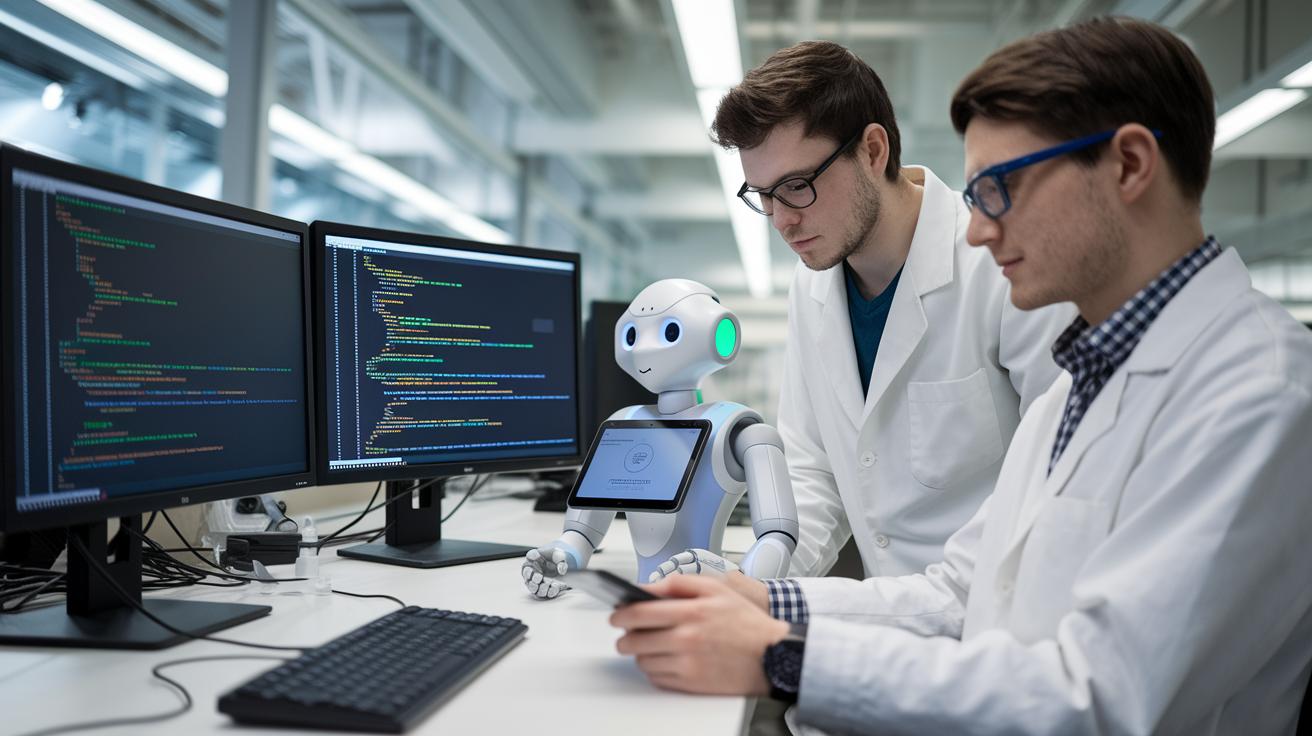
Open-source projects have really changed the way we do research. By mixing the latest scientific breakthroughs with everyday products, they help new ideas spark faster than ever. Researchers now share their tools and code, making it easier for fresh discoveries to emerge (https://fairlygreat.com?p=).
The scope of research today is huge. We’re talking about everything from smart machines and language programs to super-fast quantum computers and AI that behaves responsibly. These fields are blending together in projects that break old boundaries. New digital tools have even stepped in as lab teammates, helping scientists run tests, check their ideas, and polish practical solutions at record speed.
Money for research is also on the rise, with support coming from both businesses and government alike. This backing is fueling partnerships between universities and companies, making room for new ideas to find their wings. Looking ahead, the future includes clearer space images, smarter health tools, and massive data platforms like TimesFM, which can handle hundreds of millions of queries every month.
In short, sharing ideas and resources creates a cycle of quick discovery. It’s a reminder of how working together can truly transform research and push us into exciting new frontiers.
Final Words
In the action, this post navigated the realm of science breakthroughs 2025 in areas from biotech and AI to sustainable innovations and clinical advances. We explored gene therapy, AI-driven drug strategies, green solutions, and new diagnostic methods that could shape treatment and research worldwide.
It’s exciting to see how diverse research and collaborative efforts may soon transform our daily lives, turning current challenges into promising opportunities for a brighter future.
FAQ
Q: What are the top predicted science breakthroughs in 2025?
A: The top predicted breakthroughs in 2025 include advanced gene therapy, AI-driven drug discovery, eco-friendly innovations, and clinical diagnostic advances that promise to transform healthcare, agriculture, and environmental practices.
Q: What key scientific topics are set for 2025?
A: The key topics in 2025 span biotechnology, artificial intelligence, sustainable science, clinical diagnostics, and collaborative research models that push forward our understanding of health, technology, and the environment.
Q: What is the scientific breakthrough of the year 2025?
A: The breakthrough of the year in 2025 is expected to spotlight pioneering gene therapy approaches for challenging diseases, offering transformative treatment options for conditions like drug-resistant epilepsy and certain pediatric cancers.
Q: What new inventions in science and technology are coming by 2025?
A: The new inventions set for 2025 include eco-friendly materials, AI-powered diagnostic tools, innovative medical devices, and improved drug discovery platforms that are shaping future research and practical applications.
Q: What is the new physics discovery in 2025?
A: The new physics discovery in 2025 hints at a promising advance that could expand our understanding of fundamental forces, possibly emerging from quantum experiments or novel particle studies that open fresh research paths.
Q: What science events are anticipated for 2025?
A: The anticipated science events in 2025 will feature dynamic research showcases, interdisciplinary breakthroughs, cutting-edge biotech trials, and eco-centric innovations, drawing together academia, industry, and policymakers for collaborative advancements.
[…] research to patient care and even home help. As laboratories embrace the future with projects like science breakthroughs 2025, these innovations continue to light a spark of hope for tech-driven […]