


Have you ever wondered if smart machines might soon handle lab work better than us? Robotics breakthroughs are opening new possibilities, transforming how labs function and even improving patient care. Imagine robots carefully sorting samples like a well-choreographed dance or whipping up gourmet meals in just seconds. These innovations aren’t merely making research smoother, they're setting the stage for a future where technology fits naturally into our everyday lives. Let’s take a look at seven amazing innovations that could reshape our world.
7 robotics breakthroughs in science spark new hope
Robots are changing the game in science, and labs are now using smart machines for everything, from sorting samples to mixing chemicals. New platforms like Xavo Core, Professional, and Enterprise are making research run smoother and faster. You can almost hear a lab tech say, “I watched the robot sort samples so neatly, it was like watching a well-rehearsed dance that saved hours of work!”
Some projects are even reaching out of the lab and into hospitals and our everyday lives. Imagine a time when robots whip up gourmet meals in seconds and offer care with gentle, sensor-based kindness. These cool robot innovations and AI features are quickly becoming part of our everyday world.
- Xavo platforms mix robots into sample handling and chemical work, with big upgrades on the way through 2025, a true change from old methods to high-tech magic.
- Google’s worker robots now load personality modules from the cloud, making chats with them more fun.
- Momentum Machines’ multitasking bot can put together a gourmet hamburger in just 10 seconds.
- Universal Robots’ UR3 arm even makes its own parts and helps with tasks like gluing, painting, soldering, and grasping.
- Saul Robot, used by the Air Force, zaps virus cells quickly with pulsed ultraviolet rays.
- Asus Zenbo roams around homes, understands voice commands, and talks with smart-home devices.
- Paro and Pepper use sensors and emotion detection to boost both medical care and humanoid tech advancements.
These robotics breakthroughs show how next-generation smart machines can work with clever AI to change fields ranging from lab research to patient care and even home help. As laboratories embrace the future with projects like science breakthroughs 2025, these innovations continue to light a spark of hope for tech-driven progress.
Advanced Robotics in Laboratory Automation

Sensors in smart, self-operating devices are transforming lab work by tracking samples in real time with impressive accuracy. Imagine a setup where every little step of a sample’s journey is recorded so nothing gets missed. Plus, machine learning (a way for computers to learn from data) keeps getting these readings better and better.
New products like Path Finder and Lab Spider are making labs even more precise. With Path Finder, you can pinpoint where a sample is at any moment, while Lab Spider maps out all the details of lab processes. This boost in traceability and speed means experiments can run more smoothly and quickly.
Florian Tauchert, CEO of Xavo Inc., recently shared plans to roll out these sensor and robot tech upgrades across labs by 2025. These next-generation smart systems, powered by machine learning, will fine-tune lab processes further, creating a more efficient environment where experiments can reach new levels of productivity.
Robotics Breakthroughs in Medical Science
Medical robotics are changing patient care with amazing speed and precision. For example, the Saul Robot uses quick bursts of ultraviolet light (think of it like a tiny cleaning flash) to break down harmful viruses like Ebola in just minutes. Imagine a hospital ward getting an instant shield from a dangerous outbreak with one swift burst. Meanwhile, remote surgical rigs mix robotic arms with smart, AI-driven imaging so that expert surgeons can operate accurately even when they’re far away. These innovations aren’t just pushing the boundaries of traditional surgery, they’re also paving the way for safer and less invasive treatments.
Therapeutic care is getting a big tech boost too. The Paro therapeutic robot comes fitted with five sensors that check for posture, light, touch, sound, and even temperature. It mimics the gentle comfort of animal therapy, almost like having a caring companion nearby. This clever piece of tech shows that even machines can bring warmth and support, blending cutting-edge research with a touch of the human feel.
Right where empathy meets technology is the Pepper humanoid robot. With multi-directional microphones that catch emotions like joy, sadness, surprise, and anger, Pepper uses smart algorithms to change its responses on the fly. This helps create a lively, personalized chat with patients. By doing so, Pepper not only enhances the capabilities of medical devices but also offers a layer of care that reaches out across distances. All these breakthroughs point to a future where robotics do more than just treat, they also lift our spirits.
Industrial Robotics Breakthroughs and Mechanism Design
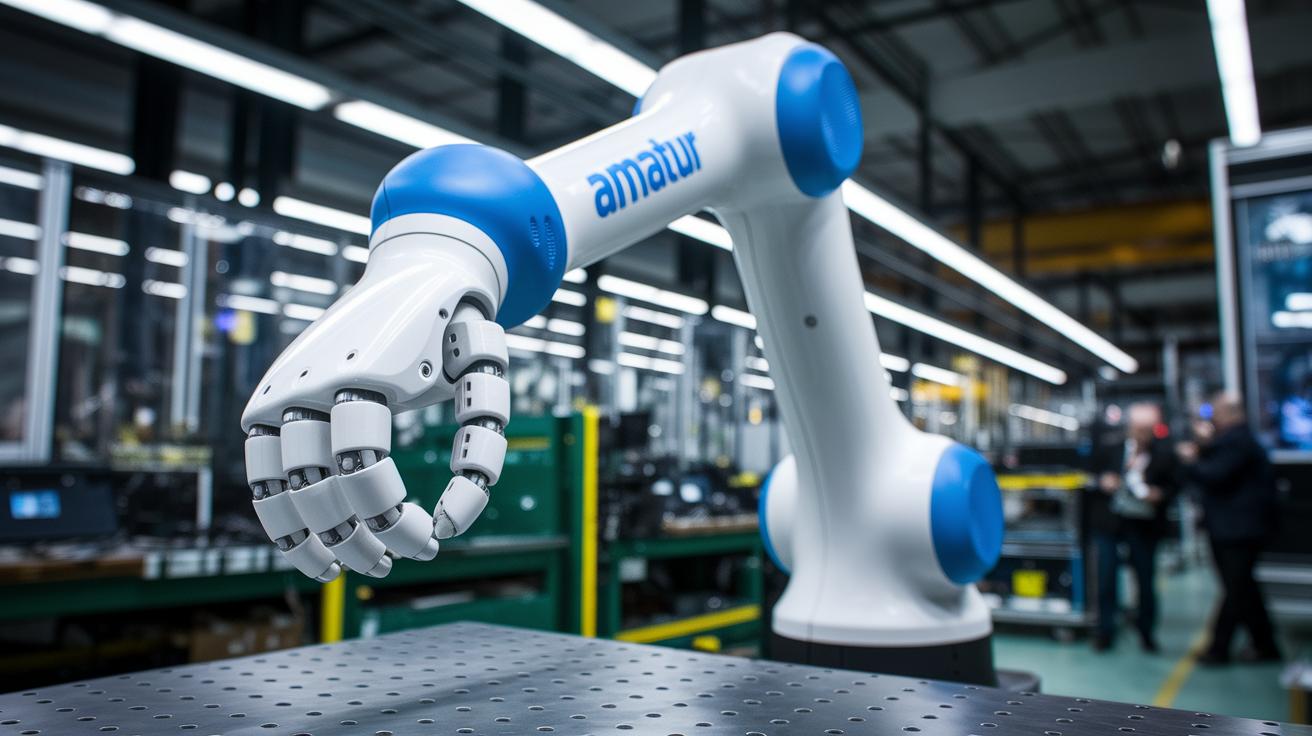
The UR3 arm from Universal Robots now comes with built-in real-time sensor feedback and a smart control system (think of it like a thermostat that ticks in adjustments instantly). This clever setup lets it whip up spare parts on the fly and tackle jobs like gluing, painting, soldering, and gripping with amazing accuracy. Just picture it: the moment a slight misalignment is spotted, the arm tweaks its grip, keeping production running smoothly without missing a beat.
Momentum Machines has also upped its game with a food-prep robot that now uses advanced motor control and smart actuation systems. This means it can put together a gourmet burger in only 10 seconds, yep, you read that right! It uses a mix of precise pneumatic tools and rotational actuators to coordinate every step perfectly, so each ingredient lands in just the right spot for a speedy, high-quality build.
Over at Google, the worker robots have embraced their quirky side with AI personality modules that make team tasks and path planning a breeze. These modules, which are loaded straight from the cloud, work with cutting-edge cooperative algorithms to help the robots move in sync in real time. And with top robotics talent refining these controls even further, we’re seeing the dawn of next-generation mechanical smarts that are more in tune than ever.
Overcoming Barriers to Future Robotics Breakthroughs in Science
In the U.S., only about one third (32%) of adults trust systems powered by AI, while in China, the trust rate jumps to 76%. That’s a huge gap which shows many people are uneasy about whether machines can work safely and fairly. Folks worry about how reliable these systems are and whether they might cause ethical issues, which can slow down the everyday use of new robotic technologies.
Laws and regulations differ from state to state, and that adds to the confusion. For instance, California has strict rules about data sharing and Colorado requires thorough anti-bias tests. This patchwork of rules leaves tech companies puzzled about which standards to follow. Many are now calling for clear, unified federal guidelines so they can roll out next-generation mechanical intelligence solutions smoothly across different regions.
There’s also a strong sense of technical skepticism. More than 75% of AI researchers believe that today’s machine-learning methods (which are techniques that help computers learn from data) aren’t enough to create truly intelligent machines. On top of that, a new finding about a hidden learning effect, where one model quietly guides another using filtered data, has sparked further questions about how reliable and consistent these complex systems can be.
To add to the hurdles, we’re seeing a trend called reverse acquihires. Big companies are snapping up startup talent by offering high salaries, which might sound smart at first. But this practice risks draining the creative minds that are essential for groundbreaking robotics research. With all these challenges coming together, it’s clear that we need thoughtful strategies, unified regulations, and solid technical checks to keep pushing robotic innovations forward.
Final Words
In the action, the article touched on exciting robotics breakthroughs in science, highlighting the role of labs, medical systems, and industrial devices. We saw how platforms like Xavo come together with AI-powered robots to simplify complex tasks, from sample management to smart-home assistance.
The piece shows that, despite some challenges, these innovations are pushing technical limits and making everyday processes smarter. With continual progress, the future of robotics holds a promise that keeps our curiosity fueled and our outlook positive.
FAQ
What notable breakthroughs in robotics have been achieved in recent years, such as in 2022 and 2024?
The robotics breakthroughs showcase advances in lab automation, industrial processes, and humanoid designs, with improvements including cloud-based AI systems and upgraded platforms paving the way for faster, safer automated operations.
What defines a humanoid robot?
A humanoid robot is designed with a human-like form and interactive features like emotion detection and adaptive responses to enhance collaboration and assist in everyday tasks.
What are some simple robotics research topics?
Simple robotics research topics often focus on basic sensor integration, machine learning for navigation, and straightforward mechanical designs that help build foundational knowledge in robot functionality.
How are science labs transforming into automated factories of discovery?
Science labs are evolving into automated centers by integrating advanced robotics platforms and AI-driven systems, which streamline tasks like sample handling and chemical synthesis for faster experimental throughput.
What is the latest news about robotics technology?
The latest news in robotics highlights innovative systems such as self-fabricating arms, AI-driven automation, and engaging humanoid robots, all pushing the boundaries of how robots collaborate with humans.
What are the big 4 aspects of robotics?
The big 4 aspects typically encompass industrial automation, lab automation, medical robotics, and home-assistance robots, each driving distinct innovations in manufacturing, research, healthcare, and personal use.
What is the latest technology in robotics?
The latest technology in robotics integrates cloud-based personality systems, automated fabrication processes, and advanced sensors, improving accuracy, efficiency, and human-robot interaction across various applications.
Which country is recognized as a leader in robotics?
Japan is frequently recognized as a leader due to its strong research foundations and precision robotics manufacturing, making it a key contributor to global robotics advancements.
What is considered the most advanced robot for 2025?
The most advanced robot in 2025 is expected to feature self-fabrication, sophisticated AI, and intricate sensor arrays, marking a significant leap in automation capabilities and interactive design.