


Have you ever noticed how monitors beside a patient seem to chat with one another? That’s thanks to medical device integration, a smart setup that links 10 to 15 monitors like teammates passing a baton in a relay race.
This clever connection gives doctors and nurses a clear, complete view of a patient’s health without any extra steps. It also cuts down on mistakes, letting medical staff focus on what really matters, caring for people. In a world where every second is precious, connecting these devices shows how simple improvements can help save lives.
Key Concepts in Medical Device Integration
Medical device integration makes it possible for devices like ventilators, heart monitors, and infusion pumps to share data with hospital systems in real time. Imagine this: in a typical patient bed, there are 10 to 15 devices, each sending its own signals. When these devices are connected, they work together to give doctors and nurses a clear, full picture of a patient's health.
This technology simplifies the way care teams work by automatically capturing data. By doing so, it cuts down on manual entry and reduces mistakes. It’s like watching vital stats update on a screen without any extra effort, which helps medical staff focus on providing the best care possible.
Plus, this smart integration is booming. Markets show that global investments could jump from $3.38 billion in 2023 to a whopping $17 billion by 2034. This growth signals that more hospitals believe in connected healthcare, making it easier to deliver timely, life-saving decisions.
medical device integration: Seamless, trusted connections
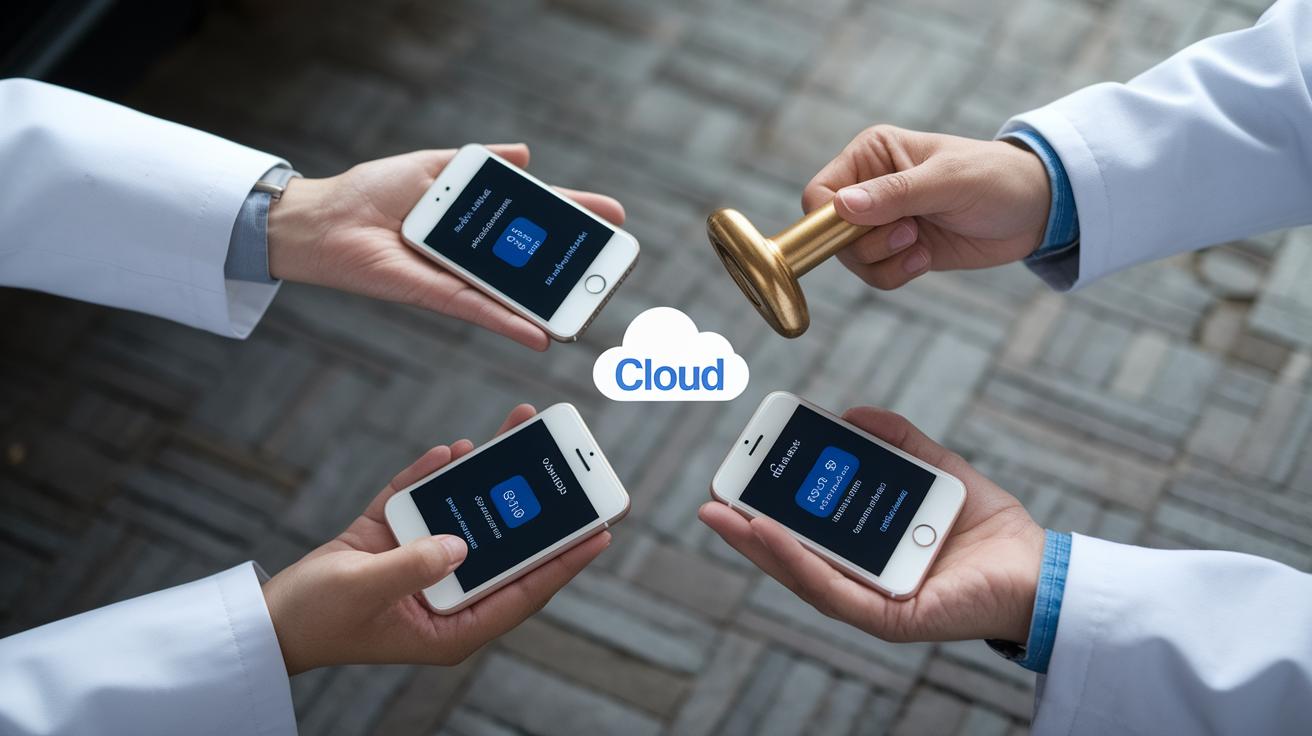
Today’s healthcare systems mix different software platforms and middleware to connect medical devices with clinical data systems. Middleware acts like a translator between devices and electronic health records (EHR), letting data flow in real time or in batches. It’s kind of like a relay race where each runner hands off the info at just the right moment.
Cloud-based Middleware Solutions
Cloud platforms such as Redox and AWS HealthLake are great for handling lots of data and adapting to changing needs. They use API management (digital tools that help programs communicate) to make sure information moves instantly. Imagine a hospital where patient monitors send live alerts to doctors via the cloud, ensuring immediate care during critical times. This works best in busy settings where data can surge and a slight delay won’t cause issues.
On-Premise Integration Gateways
When you need super-fast responses and extra security because sensitive data must stay on site, on-premise gateways are ideal. These systems use edge computing (processing information nearby rather than far away) to cache data locally, which cuts down on delays. Picture a bedside monitor sending fast readings straight to a nearby control center. These solutions are reliable and follow strict data residency rules, keeping everything safe and sound.
Hybrid Architectures
Hybrid models take the best of both worlds. They let some data live safely in the cloud while keeping more sensitive information on-site. This smart setup lets organizations tailor how devices connect based on what’s important, balancing top performance with strong security. In the end, it’s all about creating connections that are seamless and trustworthy.
Standards and Protocols in Clinical Device Connectivity
Medical devices and health IT systems need to speak the same language to work well together. Messaging standards like HL7 v2 and HL7 v3 help with that by making sure details like a patient’s vital signs are shared correctly. Imagine a device sending fresh heart rate numbers using HL7 v2, it’s like a skilled messenger passing along important news.
Today, newer tools like FHIR for RESTful APIs take on the challenge of linking systems together. Using FHIR over HTTPS or MQTT lets data flow in real time, leaving behind older, slower protocols like RS-232. Picture updated medication figures being sent instantly via FHIR, cutting out delays and confusion. It’s like solving a modern “Tower of Babel” problem where different systems finally understand each other.
DICOM is essential for imaging, ensuring that scans and pictures travel safely between systems. Alongside this, IHE integration profiles work like interpreters, syncing up different protocols so information moves smoothly. When we put these standards together, we build a strong network where devices and software connect seamlessly, giving clinicians the complete picture exactly when they need it.
Security and Compliance Considerations for Medical Device Integration

A new report uncovered 162 security holes across 45 healthcare groups, and it really shows how one small lapse can lead to big troubles. One case even saw a system without proper encryption, leaving patient details wide open to unauthorized access. This just goes to show that protecting sensitive data means stacking up multiple layers of security, not just the basics.
Tools like encryption, role-based access controls, and audit trails are at the heart of keeping data safe. Encryption scrambles information so that even if someone intercepts it, the data remains unreadable. Role-based access controls make sure that only the people who truly need the information get to see it. And audit trails? They work like a digital log, keeping track of who looked at what and when.
Regulatory rules add another layer to this security puzzle. Depending on how a system is classified, different guidelines apply. Systems seen as data consumers need to stick to privacy laws such as HIPAA and GDPR. On the other hand, if a system is considered Software as a Medical Device, it has to meet standards like FDA 510(k), IEC 62304 (guidelines for medical software), and ISO 13485 (quality management for medical devices). Check out this quick overview:
| System Type | Relevant Regulations |
|---|---|
| Data Consumer | HIPAA, GDPR |
| Software as a Medical Device | FDA 510(k), IEC 62304, ISO 13485 |
Even after a system is out in the real world, the security story isn’t over. Ongoing steps like continuous monitoring, regular patching, and updates are essential. This means that as threats evolve, our methods for protecting patient data do too. It all comes down to keeping a close eye on every part of the process to make sure everything stays secure.
Vendor Evaluation and Implementation Strategies for Medical Device Integration
Start by using a simple checklist to guide decision-makers when choosing an integration partner. A strong vendor should handle many device protocols (the rules that let devices talk to each other), ensuring smooth communication even when the devices differ a lot. It’s not just about connecting devices to systems, it also means checking that the vendor meets all regulatory standards and industry rules.
Next, think about the technical support and service level agreements (SLAs, which promise quick help when issues pop up). This ensures that any hiccups are fixed fast, keeping essential healthcare services moving without a hitch. As more devices are added, the system needs to grow without getting slow. It should also blend well with your current IT setup, so you avoid data silos and miscommunication later on.
Cost matters, too. Look over licenses and maintenance fees to find a balance between affordable pricing and long-term reliability. And remember, vendors who share real-world insights and case studies, like those on new medical technology, often offer helpful analytics and continuous improvement to keep up with changing tech and clinical needs.
| Evaluation Criteria | Description |
|---|---|
| Device Protocol Support | Ability to handle a wide range of device communication rules. |
| Regulatory Compliance Evidence | Proof that the vendor meets industry standards and rules. |
| Technical Support and SLAs | Quick, reliable help when issues arise, ensuring smooth operations. |
| Scalability and Performance | Capability to grow and perform well even as device numbers increase. |
| Integration with Existing IT Stack | Seamless addition without causing data silos or communication gaps. |
| Licensing and Maintenance Costs | Finding the balance between cost-efficiency and long-term support. |
Emerging Trends and Case Studies in Medical Device Integration
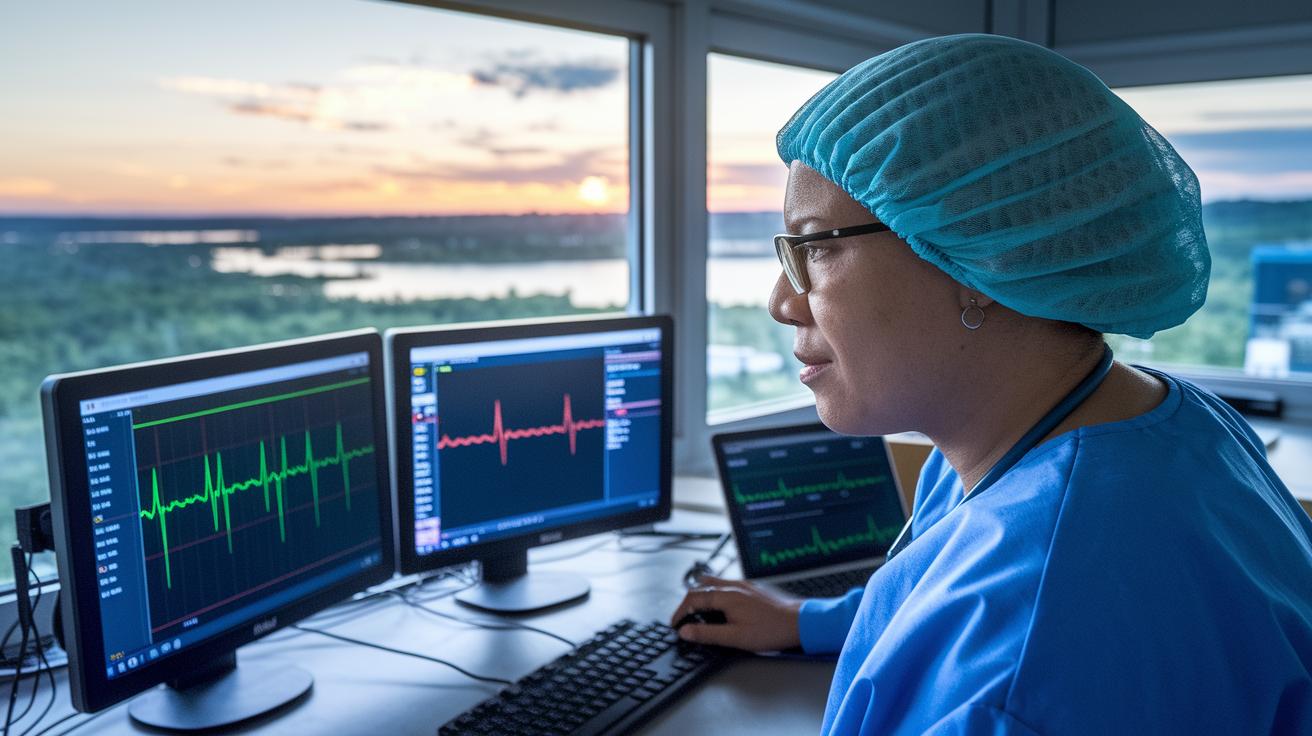
Lately, healthcare providers are trying fresh ways to connect devices and data streams. Take Dedica’s RPM platform, for example, it follows Medicare rules to help keep an eye on patients from afar. Fun fact: Remote patient monitoring was once seen as futuristic; now it powers everyday care by delivering real-time updates from multiple devices. This smart shift is easing patient management and lightening the load for busy clinicians.
Another exciting breakthrough is real-time tracking of Long COVID symptoms with systems like RTHM. This approach gathers data from various devices every minute, so doctors can get timely alerts and act quickly before issues become critical. Imagine a scenario where a quick warning makes all the difference in managing a chronic condition, it truly changes the game.
A third innovative case involves using electron spectroscopy (a method that uses electrons to study materials) for skin scans in clinics. This tool offers detailed analysis with minimal invasiveness, paving the way for early diagnosis and treatments that are just right for each patient. Each of these advancements not only boosts care quality but also makes data collection and analysis much simpler.
There’s more on the horizon. Maternal and fetal monitors and remote sleep devices have surged in use, now benefiting over 50 million Americans. These devices plug right into hospital software, giving clinicians quick access to key health metrics when they need them most.
| Case Study | Solution Type | Key Outcome |
|---|---|---|
| Dedica RPM | Remote Patient Monitoring | Enhanced adherence to Medicare guidelines |
| RTHM Monitoring | Real-Time Long COVID Tracking | Immediate patient intervention capabilities |
| Electron Spectroscopy Skin Scanning | Integrated Diagnostic Tool | Accurate early diagnosis and treatment personalization |
For more details on these exciting breakthroughs in medical science, check out "breakthroughs in medical science" at https://fairlygreat.com?p=151.
Optimizing Clinical Workflows with Integrated Medical Devices
Smart medical devices automatically gather patient info, which means less time is spent on manual entry and fewer mistakes happen. Imagine a bedside monitor that instantly updates vital signs, nurses can then focus more on patient care when every second truly counts.
Remote monitoring lets one clinician watch over several patients at once. For example, a doctor might receive real-time alerts when something changes, so they can act immediately. It’s a powerful tool that helps reduce stress and keeps everyone on track.
Telehealth is another piece of this smoother system. Devices now send patient data straight into virtual rounds, letting doctors review updated information on tablets or computers in real time. Picture a physician scrolling through a patient's health chart during a video check-up, that’s how it streamlines care and speeds up decision-making.
With these smart systems in place, documentation practically happens on its own, cutting down on endless paperwork. This frees clinicians to spend more time with patients and make choices based on live data. The result? A more efficient environment that helps deliver better patient outcomes.
Final Words
In the action, this post highlights how medical device integration is reshaping healthcare, from connecting devices like ventilators and heart monitors to streamlining workflows. We walked through software choices, security practices, and practical case studies that show the real impact of linking data in hospitals. Each section painted a picture of tech making healthcare smarter and more efficient. Stay curious about these advances as they set a positive tone for a more connected future in patient care.
FAQ
What are medical device integration jobs?
Medical device integration jobs refer to roles that connect equipment to information systems, helping clinical and IT teams achieve smooth, real-time data flow for better patient care.
What are Ascom medical devices?
Ascom medical devices are products from a company known for communication solutions that help link healthcare equipment with IT systems, streamlining care delivery and nursing workflows.
What types of bedside medical devices are approved and integrated for P2DA?
Bedside devices approved for P2DA typically include monitors, infusion pumps, and ventilators that meet regulatory standards and offer reliable data connectivity for patient care.
What is medical software integration?
Medical software integration means linking various healthcare applications and devices into one system, allowing clinical staff to access vital information quickly and efficiently.
What are examples of Class 3 medical devices?
Class 3 devices, such as pacemakers and implantable defibrillators, are high-risk items that undergo strict regulatory review due to their significant impact on patient health.
What are examples of Class 2 medical devices?
Class 2 devices include items like blood pressure monitors, infusion pumps, and diagnostic imaging systems, which are managed under moderate regulatory control after safety evaluations.
What is the recommended method for selecting a bedside device for P2DA?
The recommended method involves checking for regulatory approvals, integration capabilities, and compatibility with existing clinical workflows to ensure efficient device performance.
What are examples of Class 1, 2, and 3 medical devices?
Class 1 devices cover low-risk items like thermometers; Class 2 devices include mid-risk items such as infusion pumps; and Class 3 devices comprise high-risk items like pacemakers and implantable monitoring systems.
What is an example of integration in healthcare?
An example is connecting patient monitors, infusion pumps, and imaging devices to electronic health records, enabling real-time updates that support swift clinical decisions.
What does device integration mean?
Device integration means linking medical equipment with software systems so data flows freely, improving workflow efficiency and enhancing patient safety.
What are the 4 levels of interoperability in healthcare?
The 4 levels include foundational, structural, semantic, and organizational layers, each ensuring that systems exchange information clearly and completely.
What are the 4 classes of medical devices?
While many regions use a 3-class system, some also recognize a 4th class, with classes arranged by risk—from low risk (Class I) to very high risk (Class IV) depending on the market.