


Have you ever thought about how robots might change the way we do surgery? Lately, more and more surgeons are turning to robotic tools, and these high-tech helpers are growing by about 11% each year. Experts say that by 2026, the use of robotic-assisted procedures could hit a whopping $14 billion.
This steady rise shows us that these machines are not just fancy gadgets, they’re making surgeries safer and cutting down on mistakes. In the U.S., doctors and hospitals are jumping on board quicker than in many other places, which means that the future of healthcare is looking brighter every day.
Robotic Surgery Advancements: Market Growth and Adoption Trends
Robotic-assisted surgery is growing fast. Experts now expect the global market to reach $14 billion by 2026, which means it’s growing almost 11% every year. It’s amazing to think that in the early days, very few surgeries used robots. Today, major tech leaps in surgical robotics and computer-assisted surgery (where computers help guide the surgeon) have turned this field into a billion-dollar area with better patient outcomes and fewer risks.
Adoption of robotic surgery isn’t the same everywhere. In the United States, about 15% of surgeries involve robots, while Europe is just at about 2%. This difference comes from how healthcare systems are set up and the investments available. With more people looking for less invasive options, companies are working on upgraded systems that bring greater speed and precision. These improvements go hand in hand with constant advances in medical innovations, which play a big role in driving steady market growth.
Still, there are challenges. Doctors and hospitals face barriers like needing more solid clinical evidence, high upfront costs, and complicated payment systems. They have to carefully balance these challenges with the clear benefits, such as better surgical outcomes.
Here's a quick summary:
- Global market expected to hit $14 billion by 2026.
- About 15% of surgeries in the U.S. use robotic assistance compared to just 2% in Europe.
- Growth is driven by tech updates, rising demand for less invasive procedures, and improved patient outcomes.
- Challenges include gaps in clinical evidence, high costs, and complex payment structures.
Da Vinci System Innovations Driving Robotic Surgery Advancements
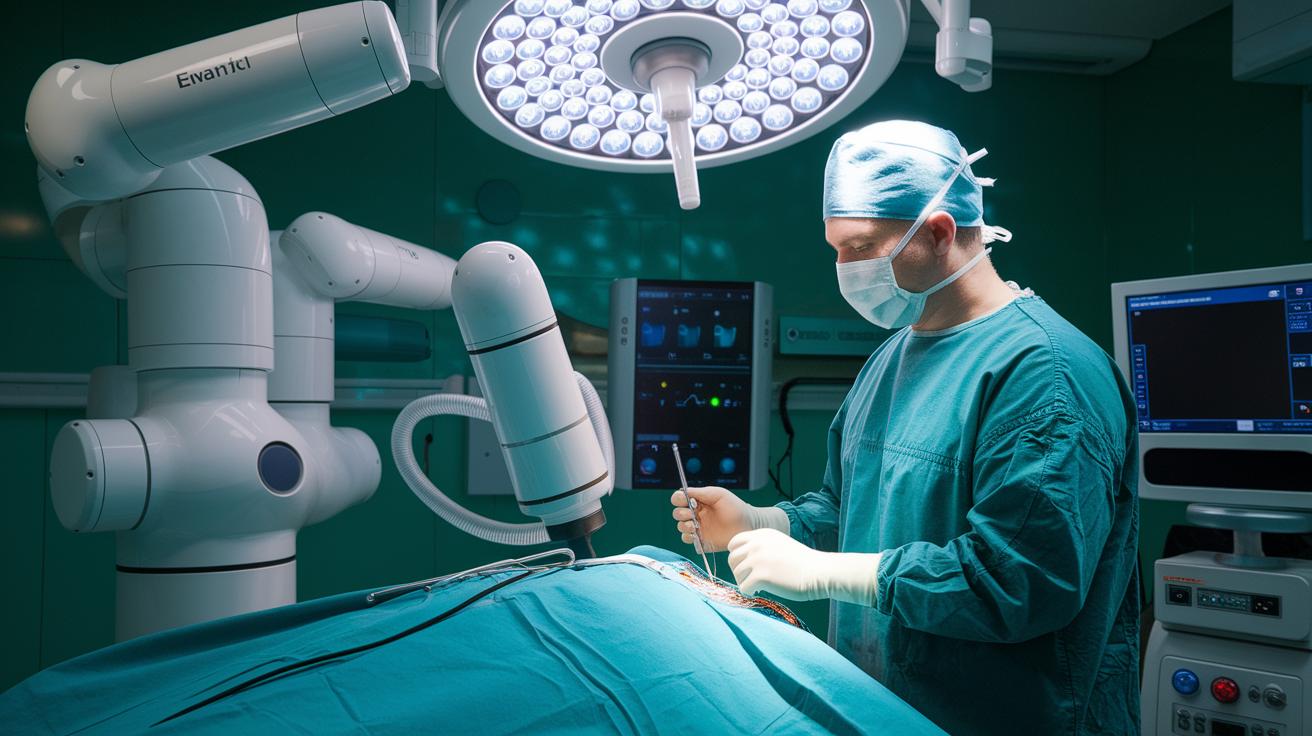
The Da Vinci Xi system is a shining example of how robotic surgery is changing the way operations are done. Surgeons use it for many procedures, from lung removals and colon surgeries to prostate treatments and hernia repairs. With its clear 3D high-definition view, every detail of the surgical field is visible, helping doctors work with pinpoint precision.
One cool feature is its easy-to-use console that minimizes strain. This console lets the surgeon focus fully on the task, and it even includes a special fluorescence imaging tool (a light method that highlights important tissues) so that key parts can be seen clearly. Plus, its wristed instruments move just like a human hand, giving surgeons natural control and plenty of flexibility.
The system has also been updated with thinner robotic arms that can reach further and a more agile camera. These changes help cut out little shakes and allow for super precise work near delicate areas. Imagine a surgeon handling the tools so steadily, it’s almost like painting a fine, intricate design.
New advances in robotic arm technology and sharper digital views are setting a whole new level in surgical care. The Da Vinci Xi shows that smart control of instruments and improved imaging can lead to better patient outcomes. It’s quickly becoming a trusted tool in modern, minimally invasive surgeries.
Even beyond the visuals and mechanics, these upgrades make the entire operation run more smoothly. Many surgeons now feel more confident during tough procedures because the system’s design is intuitive and easy to learn. In the end, it boosts safety and makes the whole process less stressful for everyone involved.
Minimally Invasive Robotic Surgery Techniques and Micro-Robotics
Miniature robotic tools are changing how doctors perform tough surgeries. These little instruments can easily slip into very tiny spaces, making them a great fit for tiny blood vessel work and delivering medicine directly where it’s needed. Imagine a teeny robot zipping through narrow body passages, reaching spots that regular tools just can’t get to. This breakthrough lets surgeons work with incredible accuracy in places that once seemed unreachable.
Abdominal surgeries have also improved thanks to super-thin and bendy instruments. These devices make single-port laparoscopy possible, which means doctors only need one tiny cut, often smaller than 1 cm, to complete the procedure. With a cut that small, patients often end up with fewer scars and quicker healing. Think of it like entering a room through a keyhole rather than kicking down the door, it gets the job done with minimal fuss.
Advances in smart tissue handling are also making a difference. New tools now offer real-time force feedback, gently guiding a surgeon’s hand to avoid any accidental damage during surgery. Imagine a device that nudges the doctor when just a bit too much pressure is applied, keeping every movement in check during the most careful parts of the operation. This kind of support is crucial when even a tiny error could change the outcome.
In early tests, a tiny robotic colonoscope navigated the colon with an impressive 95% accuracy. This level of precision shows just how far these innovations have come. By merging tiny designs with smart technology, these tools are paving the way for safer, more precise procedures that benefit patients with fewer risks and better recovery results.
AI-Enhanced Operative Methods and Autonomous Systems in Robotic Surgery

AI and machine learning are speeding up how we plan surgeries. These smart systems can automatically break down CT (computed tomography) and MRI (magnetic resonance imaging) scans into clear, detailed sections. This neat trick cuts the usual prep time by almost 40%. Think about it: doctors used to sift through scans for hours, but now, AI gets it done in minutes.
In the operating room, getting instant data really changes the game. Systems that support decision-making quickly warn surgeons if they spot any unexpected differences in a patient’s anatomy. That quick feedback is like having a tireless assistant by their side, helping boost confidence during tricky procedures.
Then, there’s the amazing progress in robots handling tasks on their own. For instance, early models of robots that sew up wounds managed to stitch pig tissues in just 90 seconds with an error smaller than one millimeter. That kind of precision is incredible and might one day help reduce the time a patient spends under anesthesia. Similarly, early tests of automated devices that stop bleeding have been successful 85% of the time. These strong results are stirring up more research and tests in the field.
Now, imagine a robot system that not only lends a hand but also starts to make smart choices by itself. As these autonomous suturing and bleeding control systems get better, they learn and improve with every operation. The goal isn’t to replace surgeons but to give them an extra edge, like a sharper tool in their kit, that makes surgeries safer and more accurate.
Comparative Analysis: Robotic Surgery Advancements vs Traditional Procedures
Robotic surgery is showing some clear advantages over older methods, making a real difference in patient outcomes. For example, in prostate surgery, using a robotic system can cut blood loss by about 20% compared to the classic open approach. This means fewer complications and quicker stability after the procedure. Patients also tend to leave the hospital roughly 15% sooner, which is great news for getting back to everyday life.
When it comes to gynecologic surgeries, robotic hysterectomy is turning heads too. Many patients report around 30% less pain after surgery compared to traditional laparoscopy (a minimally invasive technique). With less discomfort, they’re often back to their normal routines about 25% faster. It’s a big boost in recovery when you think about the stress surgery puts on the body.
Another area where robotics shine is in colectomy. A review of 10 clinical trials even found that complications drop by about 12% with robotic methods versus standard laparoscopy. And with error rates for suturing falling below 2%, these systems prove to be both precise and a big help in reducing surgeon fatigue.
Key benefits include:
- Prostatectomy: 20% less blood loss and 15% shorter hospital stays.
- Hysterectomy: 30% less postoperative pain and a 25% quicker return to daily activities.
- Colectomy: 12% lower complication rates.
Overall, robotic surgery offers improved precision, fewer complications, and faster recovery times. These benefits not only support better patient care but also help ease the workload on surgeons, marking a significant leap forward from traditional procedures.
Future Trends, Economic Considerations, and Regulatory Landscape in Robotic Surgery Advancements
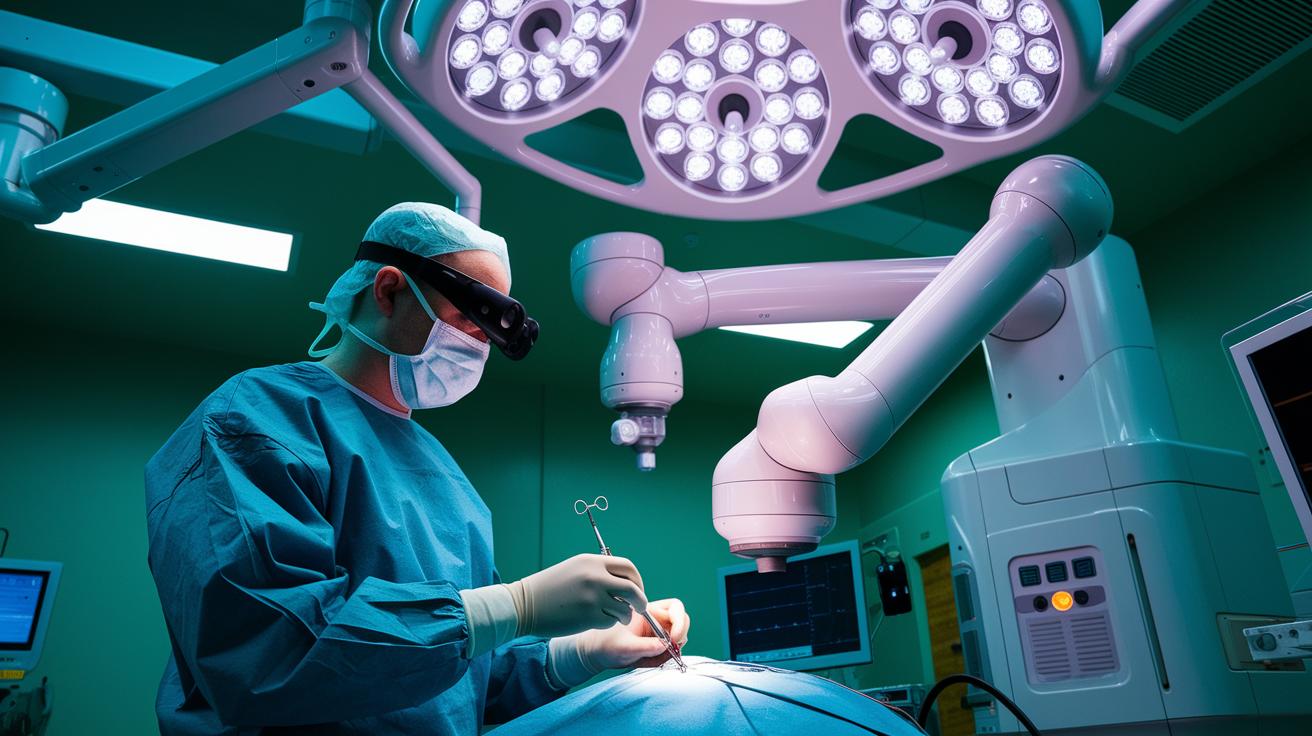
New inventions are paving the way for the future of robotic surgery. For example, augmented reality overlays show key details right where surgeons work, making each operation more precise. Also, hybrid operating suites, rooms that mix trusted surgical tools with modern robots, let surgeons handle many kinds of procedures in one setting.
Remote surgery platforms let doctors perform tough operations from far away. This means that even in places where local expertise is scarce, patients can get top-notch care. And as these tools get better, surgeons around the world can team up more easily, sharing tips and skills to improve patient outcomes.
Studies suggest that using these systems more often can cut the cost per procedure by about 20%. Many hospitals expect to cover their expenses after roughly 400 operations, which makes this tech a smart investment. These savings could drive even more hospitals to add robotic systems to their operating rooms.
Rules and regulations are evolving alongside technology. Over 10 robotic devices have already received FDA clearance, so safety standards are catching up with innovation. Meanwhile, updated CE guidelines are now including AI modules (smart computer tools) to ensure that all new tech meets global safety standards.
Globally, more hospitals are embracing digital surgery. In the Asia-Pacific region, operating rooms with robotics jumped by 25% between 2019 and 2022, while Europe saw an 8% increase. Many of these hospitals report improved efficiency and lower costs, which not only helps patients but also makes cutting-edge robotic care available to more communities worldwide.
Final Words
In the action, we explored a dynamic look at the global rise in robotic surgery advancements. We examined market growth, refined instrumentation like the Da Vinci system innovations, and the power of AI in turning complex procedures into smart, efficient tasks.
Each section shed light on how precise techniques and smarter tools are reshaping patient care. The future of robotic surgery advancements shines bright, promising even better outcomes and deeper insight into technology's exciting role in medicine.
FAQ
What are the advantages and disadvantages of robotic surgery?
The advantages of robotic surgery include reduced blood loss, shorter recovery times, and increased precision, while its disadvantages involve high costs, additional training needs, and reliance on further clinical evidence.
What is the impact of robotic surgery in healthcare?
The impact of robotic surgery in healthcare is significant, offering minimally invasive techniques that improve patient outcomes and reduce recovery times, though challenges like cost and clinical evidence remain.
How does robotic surgery benefit surgeons?
The benefits for surgeons include enhanced precision, tremor reduction, and improved ergonomics, which help reduce fatigue and streamline complex procedures, contributing to better surgical performance overall.
What benefits does robotic surgery have over laparoscopic methods?
The benefits over laparoscopic procedures include superior 3D visualization, more precise instrument control, reduced postoperative pain, and shorter hospital stays, leading to improved patient recovery.
What do robotic surgery statistics reveal?
The statistics reveal a rapidly growing market projected to hit $14 billion by 2026, with diverse adoption rates worldwide and clinical benefits such as less blood loss and quicker recovery times.
What might a robotic surgery research paper cover?
A research paper on robotic surgery likely covers market growth, clinical benefits, innovations like the Da Vinci Xi system, and challenges such as high capital costs and evolving regulatory pathways.
What are examples of AI in robotic surgery?
Examples of AI in robotic surgery include algorithms for faster CT/MRI planning, decision support systems to identify anomalies, and autonomous suturing prototypes that perform with high precision.
What topics do robotic surgery articles discuss?
Robotic surgery articles discuss advances in visualization, precision instruments, minimally invasive techniques, economic and regulatory considerations, and the integration of new technologies such as AI and augmented reality.