


Ever wonder if those giant spinning blades are just for show? In truth, wind turbines work like huge pinwheels, catching the breeze (moving air) and turning it into clean power. Imagine watching them spin as they convert the wind into electricity that helps keep our air fresh. These machines are a smart, green alternative to fossil fuels since they reduce harmful emissions while powering our homes. Today, we're diving into how these windcatchers work and why they might just transform our energy future.
How Renewable Energy Wind Turbines Convert Wind to Electricity
Wind turbines capture the energy of moving air and turn it into electricity. They usually feature a horizontal-axis design with two or three blades that spin when the wind blows, kind of like a pinwheel reacting to a gentle breeze. This spinning action changes the wind's moving energy (kinetic energy) into useful mechanical energy.
The whole turbine is built to work at its best. Tall towers lift the blades to heights where the wind is steadier, and turbines are often grouped together in wind farms on open fields or rural lands to catch as much wind as possible. The wind itself happens because the sun heats parts of the Earth unevenly, creating air pressure differences that push air around, like nature’s own engine.
- Wind capture: The blades meet the moving air, turning wind energy into motion.
- Mechanical rotation: This motion spins a rotor that’s connected to gears inside the turbine.
- Electrical generation: The spinning motion then powers a generator, which transforms the energy into electricity.
Wind energy comes with important environmental benefits. By moving away from fossil fuels like coal and gas, which produce a lot of pollution, wind turbines help lower harmful emissions and create cleaner air. It’s a tiny but powerful way to help the climate. For more on these benefits, check out the advantages of renewable energy.
Turbine Mechanics Overview in Renewable Wind Power

The rotor holds long, smooth blades that come out from a central hub. These blades are shaped much like an airplane wing, helping air flow over them gently to lower resistance and lift the blades up, kind of like a sail catching a burst of wind or a river flowing around a stone.
The design of the blade itself works closely with its placement to pull more energy from even the softest breezes. This means that the smooth curve and sturdy build of the blades team up to make the turbine more effective at capturing wind energy.
Inside the nacelle, the steady spinning of the rotor feeds a built-in generator system. Instead of a simple switch, the nacelle contains carefully chosen parts that change the spinning motion into steady, clean electricity.
Installation Guidelines for Renewable Energy Wind Turbine Systems
It all starts with studying the wind and mapping the site. Experts dive into historical wind data and topographical surveys to pick out open farmlands or rural spots where the wind stays consistently strong. This careful planning sets a solid foundation for a reliable turbine project.
Next, the team checks if the project is doable. They go over local regulations and see if nearby roads and infrastructure can handle the transportation of those big turbine parts. They also look at weather trends and the lay of the land to find any possible issues before installation. This step confirms that the project makes sense from every angle.
Then comes building a strong base and assembling the tower. Engineers design deep foundations to support the heavy components while constructing towers that can handle various wind conditions. Moving the large parts and piecing them together at the site takes precise timing and cautious handling. Everyone monitors the process closely to ensure the structure remains steady even when the weather changes.
Finally, the project sticks to eco-friendly practices and strict safety rules. Teams adopt methods that lessen the environmental impact during manufacturing, transport, and setup. They choose energy-saving materials and recycle installation waste to cut down on pollution. Plus, comprehensive onsite safety protocols and training make sure everyone stays protected. This approach creates a greener and safer work environment.
Efficiency Optimization Techniques for Renewable Energy Wind Turbine Output
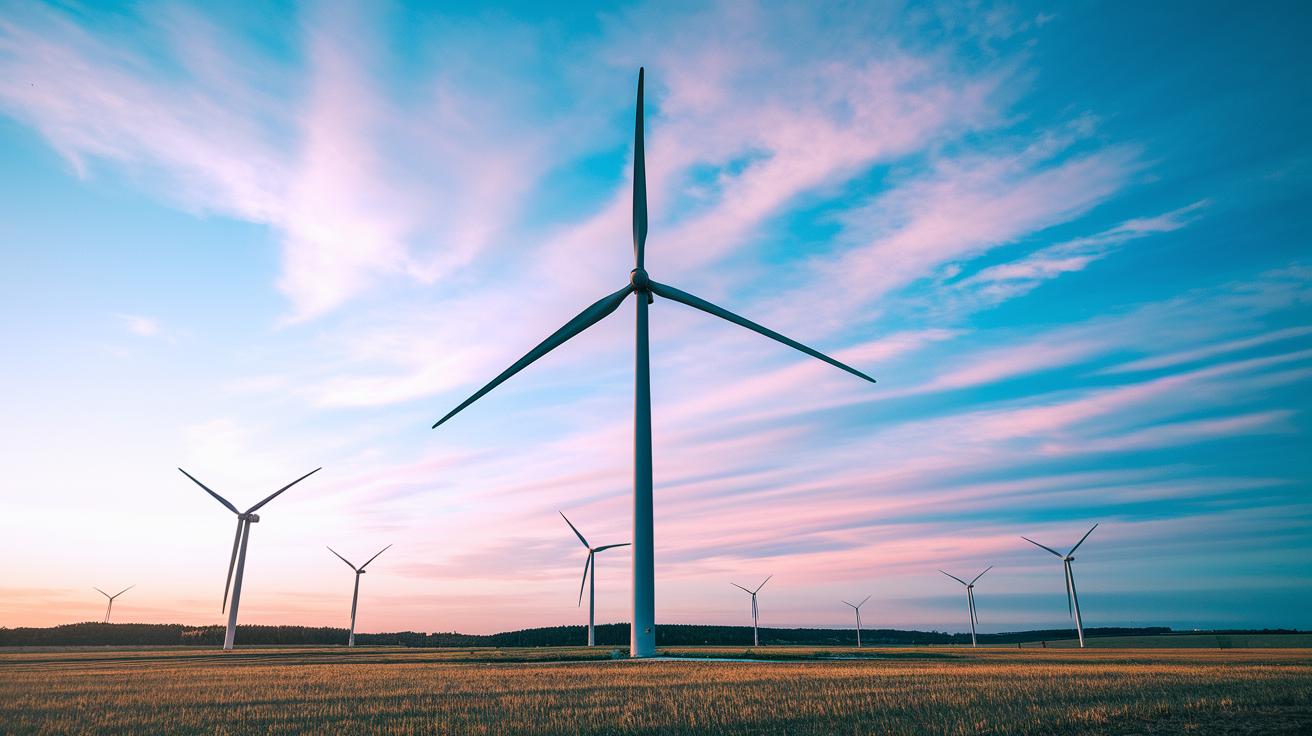
New turbine designs are really boosting how well these machines work. By using taller towers and longer blades, turbines can catch the wind even when it’s not blowing hard. This simple change helps them start up sooner and produce more energy overall. Thanks to better designs and smoother manufacturing, the cost to build these systems has dropped by nearly 75 percent since 2008. Today’s turbines even come with built-in gauges that keep an eye on things like rotations per minute (RPM), power output, and wind speed. This means adjustments can be made in real time to keep everything running at peak performance.
When prices drop, efficiency usually climbs too. As more turbines get built and the process becomes more refined, every component is designed to squeeze out the most energy without costing too much. Operators often check numbers like rated power (the maximum energy a turbine can produce under ideal conditions) and overall capacity to spot little tweaks that reduce energy loss. Using this data helps teams fine-tune settings so that each turbine works reliably, even when the wind decides to change its mind.
| Metric | Description | Typical Values |
|---|---|---|
| Capacity Factor | The ratio of actual energy output to the maximum possible | 30-50% |
| Cut-In Speed | The minimum wind speed to generate power | 3-4 m/s |
| Rated Power | The maximum electrical output under ideal conditions | 1.5-3 MW |
By using real-time data, teams can tweak performance on the fly. This approach makes sure that turbines keep working efficiently, no matter how quickly the wind changes.
Cost Analysis and Project Financing for Wind Turbine Projects
Wind energy projects have gotten a lot cheaper over the past decade. Thanks to better manufacturing methods and smarter designs, the cost of wind energy dropped by 74% from 2008 to 2018. This means that wind turbines are now a more appealing option for both investors and local communities. With falling expenses, projects can spend less upfront while still delivering clean energy efficiently. Imagine it like this: modern turbine designs and efficient building techniques let you do more without stretching your budget.
Government help has long been a big part of pushing renewable energy forward. Early energy policies and tax rebates from the 1970s and 80s set the stage for today’s growth. Now, there are many ways to finance these projects, whether through power purchase agreements, green bonds, or tax-equity partnerships. There are plenty of real-world examples shared online that show how these financing models work, giving investors and communities a clearer picture of what to expect.
When planning these projects, figuring out payback times and managing risks is key. Investors look closely at how long it will take to earn back their money while keeping an eye on any bumps along the way. This means carefully checking market trends, technology performance, and changes in regulations. By staying on top of these details, decision-makers can tweak their strategies to secure steady returns and keep projects adaptable as energy needs change.
Environmental Impact Analysis of Renewable Energy Wind Turbines

Wind energy projects genuinely help our planet. By swapping out fossil fuels for wind power, we cut down a huge amount of greenhouse gases, imagine taking roughly 1.3 million cars off the road by 2050. This means cleaner air and better public health as we see fewer harmful emissions floating around.
People often ask about the impact on wildlife and the landscape. Sure, some folks worry about how wind turbines might affect birds, bats, or even the view. But surveys show that nearly 75% of the public supports these projects. Plus, installing these turbines on wide-open, rural, or farming lands helps keep any disruption to both animals and communities to a minimum.
From the time a wind turbine is built to when it’s taken down, there are several steps that can cause a bit of pollution. However, with new designs and smarter recycling methods, engineers are cutting down on these impacts. This thoughtful planning ensures that wind energy stays one of our best bets for a cleaner, more sustainable future.
Final Words
In the action of exploring how wind transforms into power, we broke down turbine mechanics, installation steps, efficiency tweaks, cost factors, and the environmental upsides.
We saw how a renewable energy wind turbine captures nature’s force to create clean, dependable power without the heavy footprint of fossil fuels. This overview leaves us feeling upbeat about tomorrow, knowing that even a simple breeze can light up a future filled with smart, sustainable energy.
FAQ
Q: What is a renewable energy wind turbine project?
A: A renewable energy wind turbine project uses wind’s natural movement to produce power by installing turbines in open areas. The project involves planning, site mapping, and installing turbines to convert wind into electricity.
Q: What are the advantages of wind energy?
A: The advantages of wind energy include reducing greenhouse gas emissions and lowering fossil fuel use, which supports cleaner air. See advantages of renewable energy for more details on these benefits.
Q: How does a wind turbine generate electricity?
A: The wind turbine generates electricity by capturing wind energy with its blades, turning this movement into mechanical rotation, and finally powering a generator that produces electrical energy.
Q: What is the cost of a renewable energy wind turbine project?
A: The renewable energy wind turbine cost depends on factors like project scale, site conditions, component quality, and installation logistics. Costs vary from one project to another based on detailed financial and resource assessments.
Q: What is considered the best renewable energy wind turbine?
A: The best renewable energy wind turbine combines high efficiency, durability, and ease of installation. It performs well after careful wind resource assessment and planning to match local energy needs and conditions.
Q: What are the advantages and disadvantages of wind energy?
A: The wind energy advantages include minimal emissions and renewable power, while disadvantages involve inconsistent wind speeds and potential site-specific challenges that may affect installation and operation.
Q: Can wind turbines be used for home energy?
A: Wind turbines for home use can provide enough supplemental power when placed in areas with reliable wind patterns, helping reduce dependency on grid electricity by converting local wind into usable energy.
Q: What does a wind turbine diagram show?
A: A wind turbine diagram shows parts like the blades, rotor, tower, and nacelle. This visual guide helps explain how wind energy is caught and transformed into electrical power through mechanical and electrical processes.