


Have you ever wondered if exploring space could change our world? Companies and government teams are launching rockets in ways that feel both exciting and full of promise. This journey into space isn’t just about advanced technology, it feels like opening a door to endless opportunities.
Each mission reminds me of a modern race among the stars, sparking fresh ideas and new possibilities right here on Earth. And as satellites zip into orbit and flights bring curious travelers closer to space, every step moves us toward a future full of hope and innovation.
Space Travel Overview: Scope, Vehicles, and Stakeholders
Space travel is an exciting field where government agencies like NASA join forces with companies such as SpaceX, Blue Origin, and Virgin Galactic. It mixes human journeys with robotic probes to explore beyond the familiar bounds of low Earth orbit. Think of it like watching a spacecraft tear through the atmosphere, a modern chariot racing towards the stars. Each mission pushes us a bit further into the vast unknown.
Recent events show just how dynamic this world is. For example, on November 9, 2025, SpaceX sent 29 Starlink satellites soaring into space from Florida, then followed up with another 28 from California on November 6, 2025. Blue Origin also made headlines by taking six space tourists on a suborbital flight on October 8, 2025. And Virgin Galactic is busy preparing for a crewed flight mission set for 2027. These milestones not only spotlight advanced rocket designs but also hint at fresh market opportunities in our journey to explore beyond Earth.
Every piece of this puzzle plays its part. Human space missions, robotic systems, and crucial infrastructures like the International Space Station (which is scheduled for deorbiting in 2030) all serve as stepping stones. Together, they help us fine-tune new technologies for space travel and boost our work in low Earth orbit, steadily opening up endless possibilities for exploring the cosmos.
Space Travel History: Milestones from Ballistic Missiles to the ISS
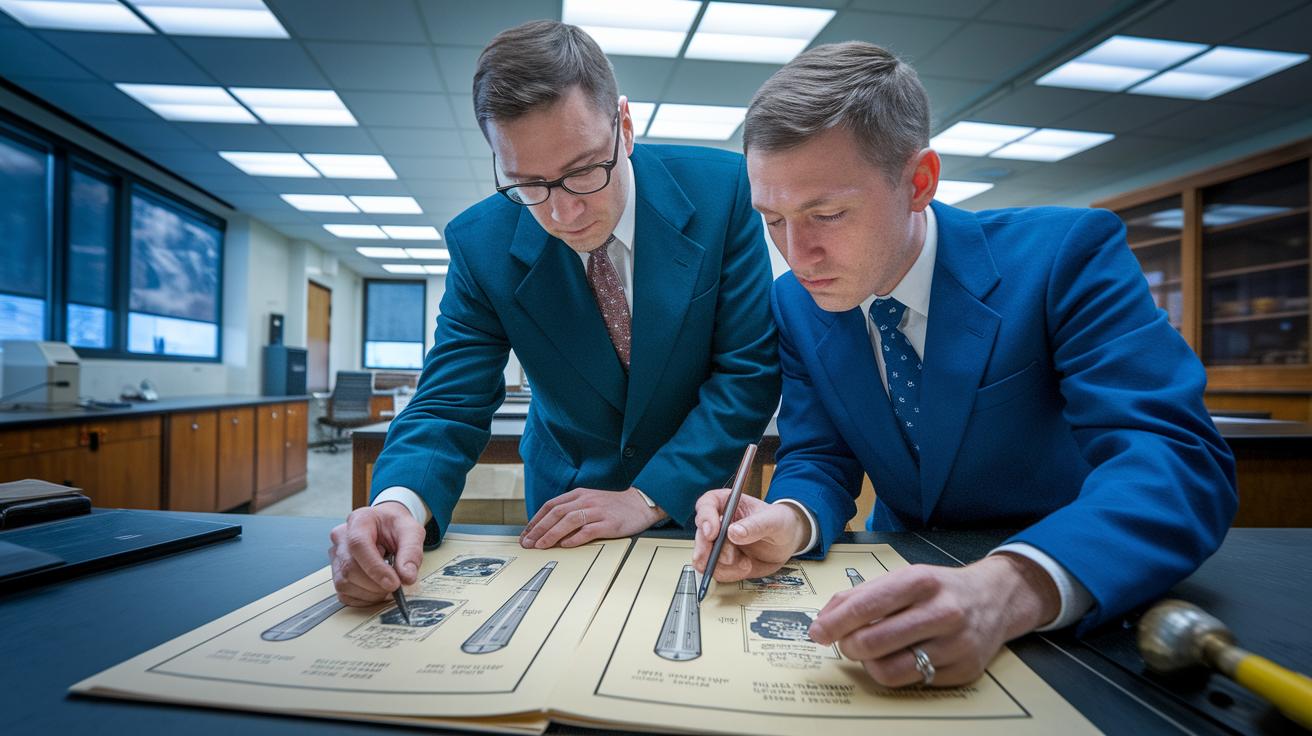
Rocket science really got its start during World War II when engineers were busy testing ballistic missiles. They took military tech and reworked it for space travel, setting the scene for the Cold War space race where each side kept pushing the boundaries of rocket design and the basics of how things orbit. Imagine a group of engineers carefully mixing unstable fuels while dreaming big about the stars, this early experimentation laid the very foundation for modern space exploration.
The Apollo program was a huge game changer. On July 20, 1969, it made history by landing astronauts on the Moon for the very first time. Between 1969 and 1972, six successful missions showed the world new ways to land on and explore the Moon. This incredible achievement not only wowed people around the globe but also set a high bar for what could be done in space.
The shuttle era kicked off on April 12, 1981, with the launch of Space Shuttle Columbia. Over 24 missions, the shuttle became a workhorse for scientific discoveries and even military projects. Although the tragic Challenger disaster in 1986 left a deep mark on the history of space travel, that period taught us a lot about handling risks and understanding safe reentry and managing orbits.
In 1998, the International Space Station was launched, marking a new chapter of teamwork among nations in space. Floating high above Earth, the station serves as a living lab where scientists can study everything from how plants grow in near-weightlessness to the behavior of fluids in space. Its ongoing work reminds us that collaboration can keep pushing the frontiers of space exploration even further.
Commercial Space Travel: Private Enterprises and Tourism Opportunities
Imagine stepping into a future where space travel feels almost as normal as your daily commute. Companies like Blue Origin, Virgin Galactic, and SpaceX are paving this new path, turning space tourism into a real possibility. For example, on October 8, 2025, Blue Origin’s New Shepard took six lucky passengers on a short trip just above Earth, giving them a taste of weightlessness and a view unlike any other. Virgin Galactic is gearing up with SpaceShipTwo for its first commercial flights expected by 2027, while SpaceX’s Crew Dragon is already busy moving astronauts and researchers to the International Space Station. These ventures are making space travel broader and more accessible, moving well beyond the days of only government-led missions.
Now, let’s talk about the cost. A seat on one of these suborbital trips ranges from $250,000 to $450,000. Sure, that might sound like a lot, but it covers not just the ride but the advanced engineering and safety measures that go into making the journey possible. It’s like booking a ticket for a once-in-a-lifetime adventure, where you get to experience the thrill of shaking off Earth’s gravity and catching a glimpse of our beautiful blue planet from afar.
The outlook for commercial space tourism is bright and full of promise. As these companies fine-tune their technology and operations, we can expect more innovations that make space travel safer and, hopefully, more affordable in the future. With even more players set to join the race, the dream of soaring beyond our home planet might soon become a reality for many enthusiasts eager to explore the extraordinary realm just above us.
Space Travel Technology: Innovations and Safety Protocols

Space travel gets a boost from amazing new inventions and strict safety checks that work together like parts in a well-oiled machine. In this section, we explore the latest developments that make venturing beyond Earth not just possible but also safer and more efficient.
Advanced Propulsion Systems
Ever heard of reusable rockets? Take SpaceX's Falcon 9, for instance, it can be flown more than once, which really cuts costs. And then there are the next-gen cryogenic Raptor engines powering Starship tests, pushing missions even deeper into space. It’s like swapping out an old bicycle for a zippy high-speed train in the blink of an eye!
Safety Protocols
Keeping space travelers safe is a big deal. Engineers have put together smart safety plans to handle the challenges of space. One method, called hypervelocity reentry analysis (a fancy way to test how well heat shields work), makes sure a spacecraft can handle a fiery return to Earth. Plus, systems like reentry abort plans and launch escape setups act as backup, just in case something unexpected happens. Imagine it as a robust safety net that’s always ready to catch you during a high-speed descent.
Radiation Shielding
Space is full of harmful cosmic radiation, so protecting spacecraft is key. New techniques use advanced materials such as layers of polyethylene (a sturdy type of plastic) and active magnetic fields to block dangerous particles. Some ideas even include a kind of “Space Armor” to shield against tiny micro-meteoroid hits. Think of it as dressing your spacecraft in a high-tech suit of armor that keeps both the crew and equipment safe from unseen hazards.
All these breakthroughs, from powerful propulsion systems to smart safety measures and cutting-edge radiation shields, come together to form a tough, reliable framework. They not only help launch us toward new frontiers but also ensure that every mission is backed by strong safeguards, making our journey into the cosmos both thrilling and secure.
Space Travel Futures: Moon, Mars, and Beyond
NASA’s Artemis program is gearing up to bring us back to the Moon with a series of missions planned between 2025 and 2028. They’re not just making a comeback to lunar landscapes, they’re also testing out fresh technology and honing the skills needed for more daring trips. It’s like practicing on your home court before playing in a big championship game.
When we set our sights on Mars, plans for crewed missions around the 2030s are making the rounds. Along with that, twin satellites will study Mars’ weather patterns (think of it as checking the forecast on another planet) to see if living there could someday be more than just a dream. These exciting steps spark ideas about exploring new worlds, facing off with harsh conditions, and maybe even calling Mars home one day.
For journeys that stretch even further into space, we need a super-reliable network. Upgrades to the Deep Space Network are key to keeping our space travelers connected, no matter how far they roam. This enhanced communication system is like having a high-tech walkie-talkie that works across the vast distances of the cosmos, ensuring our data and our explorers stay in touch as they journey into the great unknown.
Space Travel Planning: Training, Costs, and Regulations
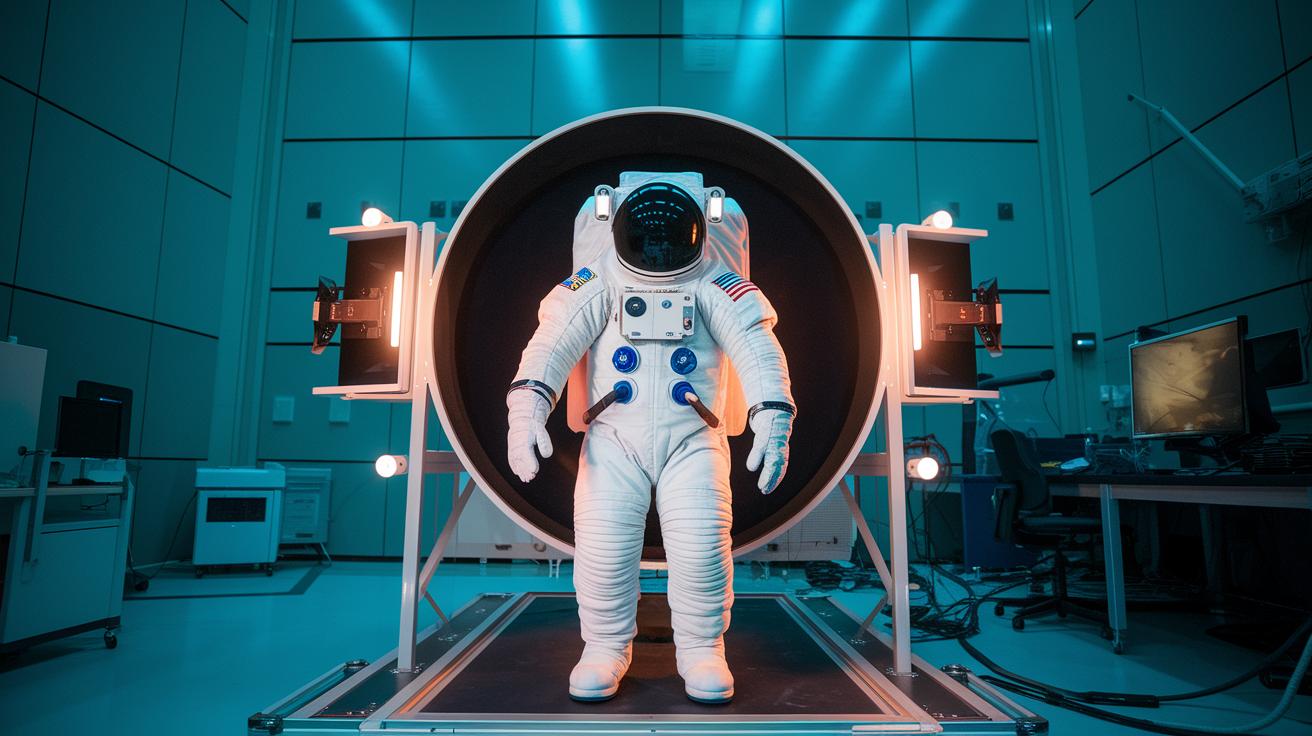
Have you ever wondered what it takes to head off into space? Astronauts dive into training programs that can last anywhere from 6 to 12 months, where they experience zero-gravity environments and practice realistic mission simulations. It’s very much like rehearsing for a big event, where every little detail counts when life takes a leap into the unknown.
And the costs? They’ll definitely catch your eye. Imagine paying around $55 million for a seat on the International Space Station under NASA agreements, or roughly $300,000 for a suborbital flight. But it’s not just a pricey ride; you’re also getting cutting-edge tech, proven safety systems, and strict regulatory checks. Rules from the FAA and international treaties make sure that every step from launch licensing to operator protocols is spot on.
| Aspect | Details |
|---|---|
| Training Duration | 6 to 12 months |
| Cost Estimates | ISS seat ~$55M; Suborbital flight ~$300K |
| Regulatory Bodies | FAA, international treaties |
| Insurance Options | 10% to 20% of trip cost |
Planning a journey into space isn’t just about mastering the final frontier, it’s also about balancing careful preparation with the thrill of adventure. From in-depth training to navigating global regulations, every bit of the process is designed with safety and efficiency in mind.
Final Words
In the action, the post took us through space travel's diverse facets, from pioneering missions and advanced technologies to exciting private enterprise ventures. We saw how missions, historical milestones, and safety innovations work together to shape the future.
The discussion highlighted dynamic planning aspects and the brave new world of commercial spaceflight. With each step forward, space travel continues to spark curiosity and excitement. Keep your eyes on the skies and feel inspired by what comes next.
FAQ
How much will it cost to travel to space?
The cost to travel to space varies widely. Suborbital experiences can cost around $300,000 per seat, while orbital trips to the ISS may run into tens of millions, based on mission details and provider.
Why are those two astronauts stuck in space?
The idea that two astronauts are stuck in space suggests that technical setbacks or unexpected system issues may be delaying their return, such as communication problems or onboard equipment malfunctions.
What is space travel called?
The term “space travel” is used for both human and robotic missions beyond Earth. It covers various ventures into orbit, deep space, and satellite deployments, embracing exploration and scientific research.
What are 5 facts about space travel?
Five facts about space travel are: it involves human and robotic missions, includes both government and private projects, uses advanced propulsion, employs robust safety measures, and fosters a growing space tourism market.
What space travel themed items are popular?
Popular space travel themed items include toys, games, artistic drawings, and even custom earbuds. Celebrities like Katy Perry have embraced these futuristic designs, sparking widespread fan and consumer interest.