


Do you think nature's gifts could power a brighter future? Imagine using the sun, wind, and water to light up our lives while freshening the air we breathe. In 2024, renewables powered over 30% of the world's electricity, showing us a smart, sustainable way to move away from old fuels.
This piece explores how these clean technologies help create local jobs and cut harmful emissions. Renewable energy isn’t just a modern solution, it’s a hopeful and practical step toward a cleaner, healthier tomorrow.
Renewable Energy Technologies: Comprehensive Overview
Renewable energy technologies are ways to use nature’s own power, like sunlight, wind, water, heat from the earth, or even organic waste, to create electricity or heat. It’s like tapping into a never-ending supply of resources that don’t run out, so we can generate clean power without harming our environment.
These methods are important because they offer a steady, sustainable alternative to traditional fuels. They help keep our air clean and support both local jobs and global efforts to cut down on harmful carbon emissions. Imagine this: one hour of bright sunlight could meet the world’s annual energy need. That really shows how investing in renewable energy can change our future.
| Technology | Key Benefit | Efficiency Range | Primary Use |
|---|---|---|---|
| Solar | Abundant energy capture | 15%-25% | Electricity generation, heating |
| Wind | High energy yield in suitable sites | 25%-45% | Electricity generation |
| Hydro | Reliable baseload power | 60%-90% | Electricity generation, water management |
| Geothermal | Consistent heat extraction | 10%-20% | Electricity generation, direct heating |
| Biomass | Utilizes organic waste | 15%-25% | Electricity generation, heating |
In 2024, renewable energy sources provided over 30% of the world’s electricity, stressing their role in reducing our ecological footprint. With more investments flowing into these technologies, they're set to replace fossil fuels bit by bit, making our power systems cleaner and more sustainable. It’s not just about meeting today’s demands, but also about lighting the way for a future where every watt truly counts.
Renewable Energy Solar Technology Systems and Innovations
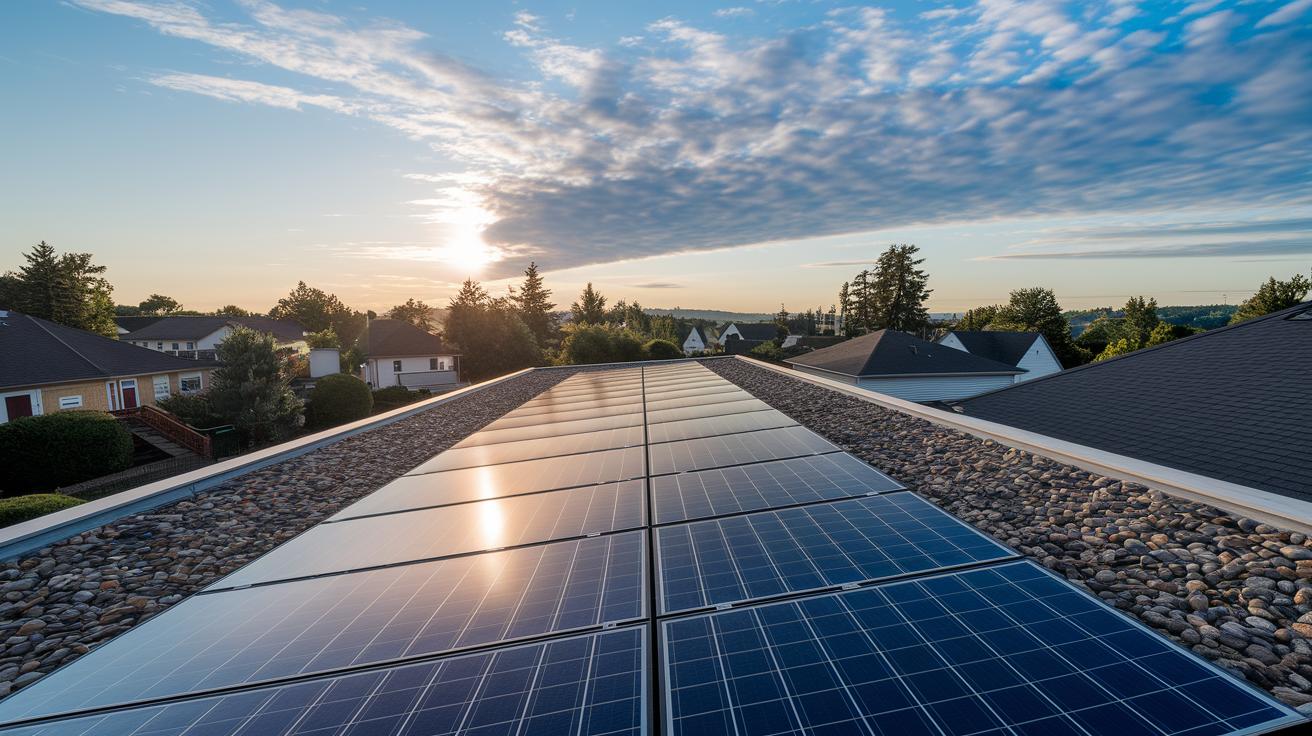
Solar power taps into an endless supply of energy from our closest star. Every day, sunlight floods the Earth with more energy in just one hour than many areas use in an entire year. This amazing natural bounty makes solar technology a reliable, clean energy source.
Home energy options have gotten a big boost from advances in photovoltaic technology. For example, new cell types like perovskite have ramped up efficiency from 3% back in 2009 to over 25% today. Some tandem designs even push past 30%, and bifacial panels can grab light from both sides to create even more power. If you’re curious about the pros and cons of photovoltaic compared to concentrated solar power, check out this guide on solar energy.
Concentrated solar power plants work a bit differently. They use mirrors or lenses to focus sunlight, heating fluids until they produce steam that drives turbines. This method turns heat into electricity at a rate above 20% and is perfect for large, sunny, and open spaces.
UK homeowners can see real financial benefits too. Photovoltaic panels can cut energy bills by as much as £525 a year, thanks to ongoing cost savings and quick setups. With these perks, solar technology is brightening the way toward a sustainable future.
Renewable Energy Wind Power Systems and Advances
Wind power is an essential part of today’s energy scene, offering a cost-effective and eco-friendly way to make electricity. Whether it’s a small setup in your community or a huge wind farm off the coast, wind energy brings stability and balance to our power grid.
Floating Offshore Turbines
Floating offshore turbines let us harness strong, steady winds found far from land, even in deep waters. These systems use tough foundations and smart mooring setups (devices that secure them in place) to cut costs and make it easier to build in challenging areas. Imagine windmills floating out at sea, working smoothly where regular fixed towers just wouldn’t fit.
Advanced Blade Designs
The latest wind turbine blades are a game changer. Made from strong, light composite materials, these longer blades work well even when the breeze is soft. Picture a turbine with a blade that slides through the air with barely any resistance, helping it generate extra power without taking up more space.
Bladeless Wind Energy
Bladeless wind systems are another cool innovation. Instead of spinning blades, these setups use the natural vibration from the wind to produce energy. This design reduces noise and means there’s less need for regular maintenance. Early tests show that even without the traditional blades, these systems can reliably turn wind into electricity.
Around the world, wind energy is set to grow even more as these creative designs boost efficiency and lower costs. With the global push for cleaner energy, wind power is becoming a key player in our journey toward a greener future.
Renewable Energy Hydro, Geothermal, and Marine Energy Innovations

Using a mix of renewable energy sources helps fill the gaps left by solar and wind power. Each type has its own strengths: steady water flows for hydropower, constant underground heat for geothermal, and reliable tides for marine systems. All of these work together to make our power grid sturdier and help regions rely less on a single energy source.
Hydropower Innovations
Hydropower is one of the key ways we get renewable energy. Some projects use a river’s natural flow without needing huge dams, while pumped storage setups store extra energy by moving water for later use. Even small turbines in local communities can generate power and help control floods or support irrigation. For example, a small river setup might balance water supply and produce electricity for nearby homes.
Geothermal System Designs
Geothermal energy taps into the Earth’s natural heat, giving us a steady way to power homes and heat buildings. Some systems create artificial reservoirs to draw out more heat, and others use warm groundwater directly for heating houses or factories. With improved well drilling techniques, we can reach deeper and hotter spots. Experts even ask sometimes, “Is geothermal energy renewable?” because it depends on heat that naturally replenishes over time.
Marine Energy Converters
Marine energy systems capture the power of the ocean. Tidal barrages use consistent tidal flows, and stream turbines turn moving water into energy. New wave point absorbers, still in early testing stages, show promise in converting the ocean’s movement into power. Each of these systems adds another steady, diverse source of energy.
Together, these renewable systems help boost grid resilience by offering a variety of steady energy streams while reducing our reliance on any one kind of power.
Renewable Energy Bioenergy and Biomass Conversion Techniques
Biological feedstocks like leftover plant matter and organic waste are a really neat way to create energy from everyday materials. They let us turn things that might otherwise be tossed out into fuels, which helps cut down our dependence on fossil fuels and brings carbon emissions down.
Recent advances in bioenergy tech are sparking lots of excitement. Researchers are making headway with fuels from algae and crop byproducts. For instance, one company called XFuel is working on algae-based jet fuel that mixes easily with diesel, which in turn reduces our carbon footprint. They use algae that grows quickly and needs very little in the way of resources, making the whole process more sustainable and efficient.
It’s not just about plants and algae, though. Even waste from cities and industries is getting a second life. Through a process called catalytic reforming, materials like human waste, food scraps, and wood remnants are being turned into fuel. This innovative method even powers prototype aircraft, showing us that even the toughest waste materials can become a clean energy source.
In short, these bioenergy methods hold great promise for cutting lifecycle emissions. They not only help meet today’s energy needs but also pave the way for a cleaner, more sustainable future for everyone.
Renewable Energy Storage System Innovations and Smart Grid Integration
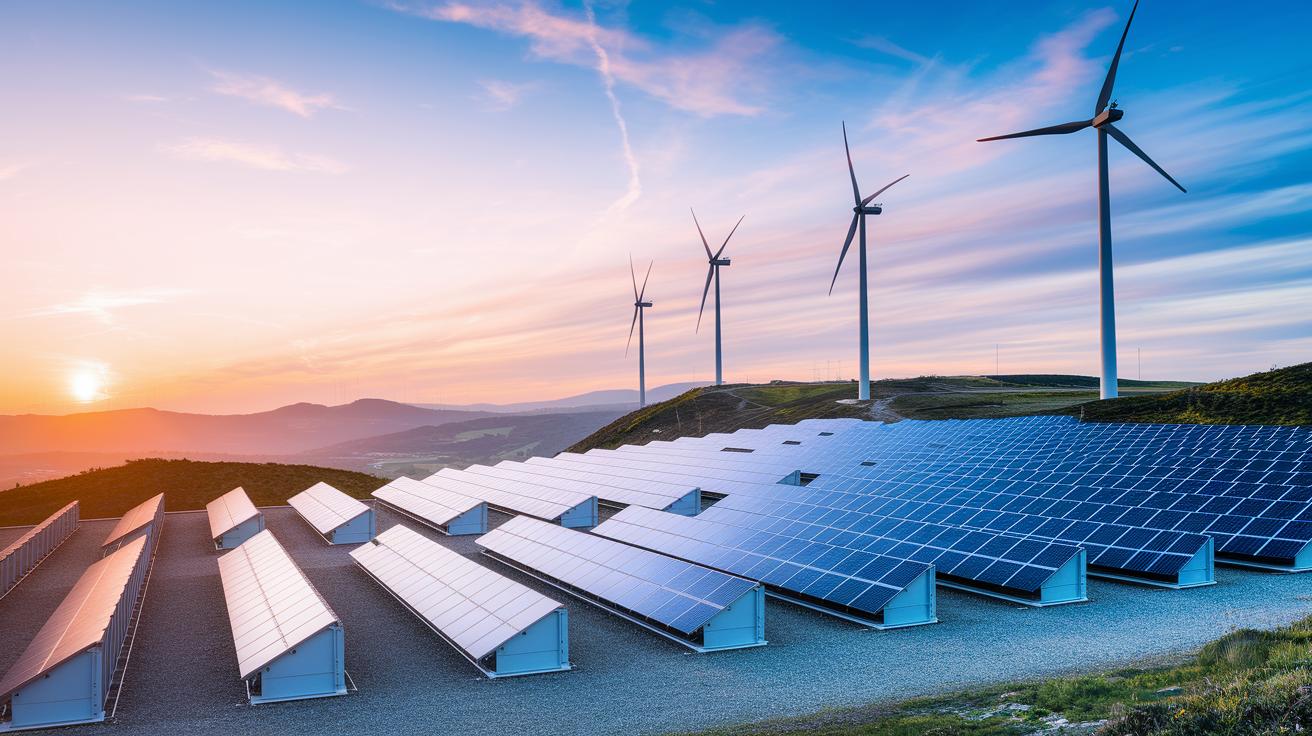
Renewable energy, like wind and solar, doesn’t always come in a smooth, steady flow. Since the power generated can be a bit unpredictable, it sometimes makes keeping our power grid stable a real challenge. By storing extra energy when the sun shines or the wind blows and then releasing it later, we create a buffer that helps the grid run smoothly during those quieter periods.
Imagine it like saving a bit of your favorite snack for later, even when things get a little unpredictable, you’re covered. The technology behind these energy storage options is advancing fast, offering different methods to store and manage power. Here are a few exciting examples:
- Lithium Iron Phosphate BESS – These systems are known for their solid thermal stability and can go through over 5,000 cycles, making them a trustworthy long-term solution.
- Solid-State Batteries – They pack a punch by storing more energy in smaller spaces, thanks to their higher energy density.
- Redox Flow Batteries – Perfect for situations where you need energy stored for longer periods, keeping things steady when demand is high.
- Thermal Energy Storage – Uses heat retention methods to tuck away energy, which is later converted back into electricity.
- Hydrogen Storage Systems – These provide a flexible way to store excess power by turning it into hydrogen fuel that can be used when needed.
Now, smart grid technology is taking these innovations even further. With advanced digital tools like AI and digital twin systems (which create a virtual model of the grid), operators can predict energy needs in real time and balance supply with demand more effectively. Even peer-to-peer energy trading via blockchain is starting to let consumers share their extra stored power, making the network even more reliable. This blend of cutting-edge tech with tried-and-true energy storage methods is helping us build a power grid that’s not only smart but also dependable and ready for the future.
Renewable Energy Technologies Empower a Bright Tomorrow
Across the globe, renewable energy is quickly changing how we power our lives. Experts say that by 2025, renewables will likely push coal aside as our main energy source. With many regions already using renewables and strong government backing, the future is looking bright, cleaner, and more varied.
Tax credits and renewable energy credits (extra financial boosts for clean projects) are speeding up the spread of sustainable power. Programs like the U.S. ITC/PTC give both homeowners and businesses a financial break to choose renewables. These credits help lower the upfront costs and spark growth in solar, wind, and other green technologies, setting the stage for more widespread adoption.
Finance tools such as bonds and green loans are also making a big impact. Investors are drawn to sustainable bonds, which support clean projects while offering steady returns, and green loans often come with attractive rates that make switching to renewables easier. These tools help fund large green energy projects without relying heavily on old-style borrowing methods.
In 2024, the renewable energy sector topped a value of $1.2 trillion, a sign of heavy investments and a rising number of projects worldwide. Smart risk management and careful financing practices are essential to navigate market ups and downs, paving the way for a reliable and eco-friendly energy future.
Renewable Energy Technologies: Future Prospects and Next-Generation Power Solutions

Companies and governments are stepping up their support for renewable energy, pouring resources into next-generation power tech. It's like a whirlwind of activity in labs where researchers explore new materials that could make solar panels work far better than ever before. This buzzing scene shows a clear promise for cleaner, more efficient power systems and reflects a real commitment to sustainable energy research.
Take, for instance, advanced solar materials such as perovskite-silicon tandems that aim for over 30% efficiency. These breakthrough designs might completely change how we generate power. And there’s more, green hydrogen is on the rise as a zero-emission fuel ideal for heavy industries and long-distance transport. Meanwhile, innovations like solid-state and flow batteries are progressing fast, promising safer and denser energy storage by 2030. On top of all that, techniques like carbon capture and storage (CCS) and bioenergy with carbon capture (BECCS) are joining the mix to help reduce carbon emissions even further.
Looking ahead, many of these exciting innovations are set to hit the market by 2030. Early indications even point to AI-driven digital twins (virtual replicas of energy systems) optimizing grid performance for a dramatic cut in carbon footprints. It’s an inspiring journey toward a cleaner, more sustainable energy future, one that feels both within reach and truly transformative.
Final Words
In the action, the post took us through a clear look at various renewable energy technologies, from solar and wind to hydro, geothermal, bioenergy, and smart storage systems. It broke down each method and highlighted their roles in increasing clean power production and grid reliability.
These insights show that renewable energy technologies are building a cleaner, more resilient power system. Today's advances and sustainable finance set the stage for a promising, energy-smart future.
FAQ
What renewable energy technologies resources are available?
The renewable energy PDFs, PPTs, articles, and notes offer comprehensive overviews explaining renewable energy technologies, including operating principles, benefits, and applications. They serve as useful guides for students, professionals, and curious readers.
What are examples of renewable energy and green technologies?
Examples include solar, wind, hydropower, geothermal, and biomass. These represent key renewable energy sources and green technologies widely used to generate clean power while reducing dependence on fossil fuels.
What are the advantages of renewable energy?
The advantages of renewable energy include lowering greenhouse gas emissions, increasing energy resilience, and offering sustainable, low-cost power options that promote environmental and economic well-being.
What are nonrenewable resources?
Nonrenewable resources refer to fossil fuels like oil, coal, and natural gas. They deplete over time and produce higher greenhouse gases, making them less sustainable than renewable energy options.
What is the latest technology in renewable energy?
The latest renewable energy technology features innovative solar materials such as perovskite-silicon tandems, advanced battery storage, green hydrogen solutions, and smart grid integration that enhances energy efficiency and system resilience.