


Ever wonder what our genes can really do? Picture a world where a simple switch boosts our health, a farmer fine-tunes crops with pinpoint accuracy, and tiny signals inside our bodies give us early warnings of trouble.
Recent breakthroughs, using tools like the mvGPT platform and Cyclone gene-switch technology (a clever way to turn gene functions on and off), are making this vision come true. These advancements are stretching the limits of both medicine and farming, offering smarter and safer ways to improve our lives and protect nature.
Genetic engineering breakthrough news: Exciting Advances
Recent studies in genetic engineering are changing how we think about medicine, farming, and our environment. Researchers are trying fresh gene-editing methods that tackle tough health issues, help make crops stronger, and protect endangered species. These advances are sparking a burst of new ideas and bringing precision medicine into the spotlight.
Scientists are now using state-of-the-art tools that let them control genes with great precision. From successful lab experiments to creative new setups, innovations like the mvGPT and Cyclone platforms are grabbing attention. These breakthroughs build on CRISPR (a simple tool for gene editing) techniques and open up promising possibilities for better diagnosis and treatment.
- mvGPT platform from Penn Engineering – Imagine a tool that can boost, lower, or completely change gene activity all at once. For example, mvGPT was able to remove a mutation linked to Wilson’s disease in human liver cells.
- Cyclone gene-switch technology from Weill Cornell Medicine – Think of a gene’s off switch that works with acyclovir. Cyclone lets scientists easily flip genes on or off in cells.
- Engineered bacteria for early cancer detection – Picture tiny bacteria designed to signal the first signs of cancer, making early detection possible.
- Hybrid embryos grown in artificial wombs – Envision a mix of human and monkey cells developing in an artificial womb, opening new doors for gene research.
These breakthroughs highlight a clear goal: developing safer, less invasive gene therapies. Each new discovery, from advanced editing tools to a broader vision of the genomic future, pushes the focus toward smarter, more secure medical and agricultural solutions.
Advanced Gene-Editing Tools Driving Genetic Engineering Breakthrough News
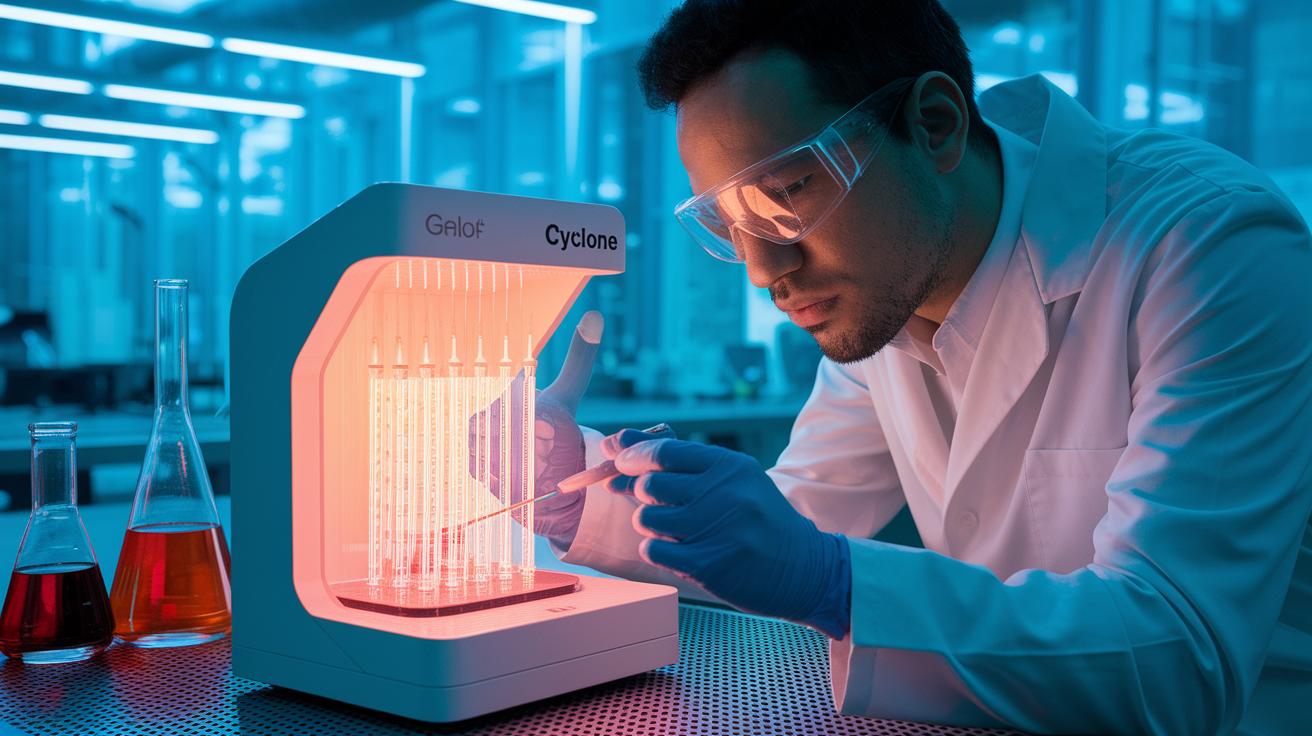
Recent breakthroughs in gene tech are turning heads as two standout tools, Cyclone and mvGPT, step into the spotlight. Together, they offer a safer, more hands-on way to test gene therapies, kind of like having a well-tuned set of controls in a high-tech lab.
Cyclone Gene-Switch Technology
Cyclone is a neat tool that uses an acyclovir-controlled poison exon system. Think of it as a reversible switch that can easily turn genes on or off without any harmful side effects. It’s like flipping a light switch to brighten or dim a room, making it perfect for fine-tuning disease models in gene therapy research.
mvGPT Precision Editing Platform
mvGPT brings a bunch of editing powers into one simple platform. This tool can lift gene activity, tone it down, and even correct mistakes in our DNA. Early tests on human liver cells have shown promising results, and now researchers are eager to try it out in animal models for heart and metabolic disorders. Imagine it as a volume knob that not only adjusts the sound but also fixes any glitches.
| Tool Name | Mechanism | Key Features | Future Applications |
|---|---|---|---|
| Cyclone | Acyclovir-controlled poison exon | Non-toxic; reversible on/off gene control | Gene therapy research |
| mvGPT | Integrated gene modulation | Combined up/down regulation and direct editing | Tests in cardiovascular and metabolic disorder models |
Each tool brings its own unique strength to the table. Cyclone offers a clear, instant on/off gene control, while mvGPT packs several editing functions into one easy-to-use package. Together, they mark a big step forward in genetic medicine, opening the door to safer and smarter gene therapies.
Key Biomedicine and Agriculture Applications in Genetic Engineering Breakthrough News
Medicine is changing fast thanks to groundbreaking work in genetic engineering. Researchers are developing clever ways to catch illnesses early and treat them better. Imagine engineered cells that work like tiny alarms in your body or bacteria that hunt down cancer cells during trials. It’s like science is teaching us new tricks to manage health risks, and sometimes even challenging old methods, such as producing eggs from two male mice, to open doors to fresh biomedical insights.
Here are a few of the amazing breakthroughs in medicine:
- Engineered bacteria that pick up on cancer cells during human trials.
- Successful creation of eggs using two male mice.
- Growth of human-monkey hybrid embryos in artificial wombs.
- Genetically tweaked pig organs used in transplant studies.
- Gene-drive techniques aimed at reducing mosquitoes that cause close to one million deaths a year.
On the farming side, these genetic tools are also lighting the way toward healthier crops and a more sustainable future. Scientists are now using DNA tracing (a method to track the origin of genetic material) to verify the source of prized wine grapes. At the same time, smart breeding techniques are making crops stronger, richer in nutrients, and better able to fight off pests. Instead of playing catch-up with problems, agriculture is shifting to smarter, proactive methods that secure our food supplies and help care for the environment.
Key agricultural innovations include:
- DNA tracing to confirm the source of wine grapes.
- Fine-tuned breeding strategies for better crop yields.
- Sustainable, organic improvements that cut down on chemical use.
- Development of pest-resistant plants thanks to detailed gene insights.
- Creation of crop varieties that can handle changing climates.
These exciting advances in both biomedicine and agriculture remind us that with genetic engineering, we’re not just treating diseases or growing food, we’re redefining our future. Isn’t it amazing to see science and nature come together to make our lives healthier and our planet more sustainable?
Ethical, Regulatory, and Policy Aspects of Genetic Engineering Breakthrough News

Recent discussions and policy updates have really put genetic engineering under the spotlight. With science moving fast and society's expectations changing, those in charge are rethinking how to keep an eye on these breakthroughs.
Governments are adapting their rules to match the pace of change. For example, Kenya now requires extra safety checks and individual approvals for GMOs. Similar updates are taking place in Canada, New Zealand, the UK, and the US regarding clinical gene therapies. These changes are building a safer path for testing and using genetic innovations while keeping caution in check.
Meanwhile, talks about using CRISPR (a gene-editing tool) in reproductive health, research on embryos with mixed genes (chimeric embryos), and gene-drive techniques have sparked lively debates. Experts from places like ASU, UEA, and Purdue are weighing in, saying that any rules need to honor both the science’s potential and what the public cares about.
Key focus areas include:
- Keeping rapid innovation aligned with public and environmental safety.
- Tackling ethical concerns in reproductive gene editing.
- Setting clear guidelines for research with chimeric embryos.
- Monitoring gene-drive projects to ward off misuse.
- Creating straightforward international oversight systems.
Future Directions in Genetic Engineering Breakthrough News
Scientists are making exciting strides in gene editing, and every experiment feels like a step into a bright future. Ongoing tests with mvGPT and Cyclone are now setting up animal studies to tackle issues such as Wilson’s disease and heart disorders. Meanwhile, researchers are busy exploring ways to edit genes right inside living organisms and even create materials that can heal themselves. They’re also mixing tiny tech (nanotechnology) with smart computer analyses (computational genomics) to design edits that are both predictable and precise.
They’re focusing on several key areas:
| Research Focus |
|---|
| Animal studies |
| In vivo editing |
| Ethical review of hybrid embryos |
| Synthetic living materials |
| AI-driven design |
Looking ahead, researchers hope to see mvGPT perform well in animal models and Cyclone work effectively across different cell systems. With each breakthrough, they’re not just enhancing gene therapy, they’re also uncovering fresh insights into the complex ways our bodies work. This forward-thinking approach could soon transform treatment strategies and expand our real-world understanding of genetics.
Final Words
In the action, we explored cutting-edge innovations, from mvGPT editing liver cells to Cyclone’s gene-switch system, groundbreaking engineered bacteria, and the growth of hybrid embryos in artificial wombs. Our dive into gene-editing tools revealed their potential in medicine and agriculture, along with ethical challenges and future research priorities.
• mvGPT platform
• Cyclone gene-switch
• Engineered bacteria
• Hybrid embryos
This roundup reflects exciting strides in genetic engineering breakthrough news, sparking optimism for a future filled with smart, precise science.
FAQ
Q: What is the latest genetic engineering breakthrough news?
A: The genetic engineering breakthrough news today highlights innovations like the mvGPT platform, Cyclone gene-switch, engineered bacteria for cancer detection, and hybrid embryos, which shape research directions.
Q: How do genetic engineering breakthroughs impact medicine and agriculture?
A: The genetic engineering breakthroughs impact medicine by advancing gene therapies and clinical treatments, while they boost agriculture through improved crop traits and sustainable practices.
Q: What are some cutting-edge tools discussed in genetic engineering news?
A: The genetic engineering news features cutting-edge tools such as mvGPT and Cyclone technology, which offer precise gene editing and controlled gene activity essential for new treatment approaches.
Q: What topics are covered in genetic engineering and biotechnology news articles?
A: The genetic engineering and biotechnology news articles cover disease treatment advancements, ethical debates, innovative editing techniques, and real-world applications in both medicine and sustainable agriculture.
Q: How do recent genetic engineering advances set future research priorities?
A: The genetic engineering advances, including mvGPT, Cyclone, engineered bacteria, and hybrid embryos, set future research priorities by demonstrating effective methods to address genetic diseases and enhance agricultural productivity.