


Have you ever stopped to think about what kicked off our journey into the unknown? Back in the day, we started small and brave. We even sent fruit flies on rockets and turned military gear into space tools. Those early steps paved the way for human flight beyond our blue skies. In this article, we explore that fascinating history and show how a mix of curiosity, science, and bold creativity turned simple experiments into a bright future in space exploration.
Historical Overview of Space Exploration: Foundations and Early Experiments
After World War II, work on ballistic missiles opened the door to modern rocket science. Researchers quickly realized that the same ideas used for military purposes could be applied to send objects far beyond Earth. Think of it like using an early sketch to inspire a famous architect’s final plan.
Early experiments in space biology kicked off on 20 February 1947 when scientists sent fruit flies into the air aboard a V2 rocket. They wanted to see how a tiny living creature would react in the mysterious conditions of space. It might sound simple now, but back then it was a bold leap into something completely new. Imagine sending a handful of fruit flies into space to check if they could handle the unknown, that’s how daring these tests were.
These first trials with both missiles and living creatures set the stage for later manned missions. The lessons learned from those early days helped scientists tweak their methods and dream even bigger. In truth, that mix of rocket technology and early biological tests laid down the blueprint for a future where exploring Earth’s orbit and beyond would change our scientific and technical world forever.
Space Exploration Breakthroughs: Sputnik Launch Era and Initial Satellite Missions
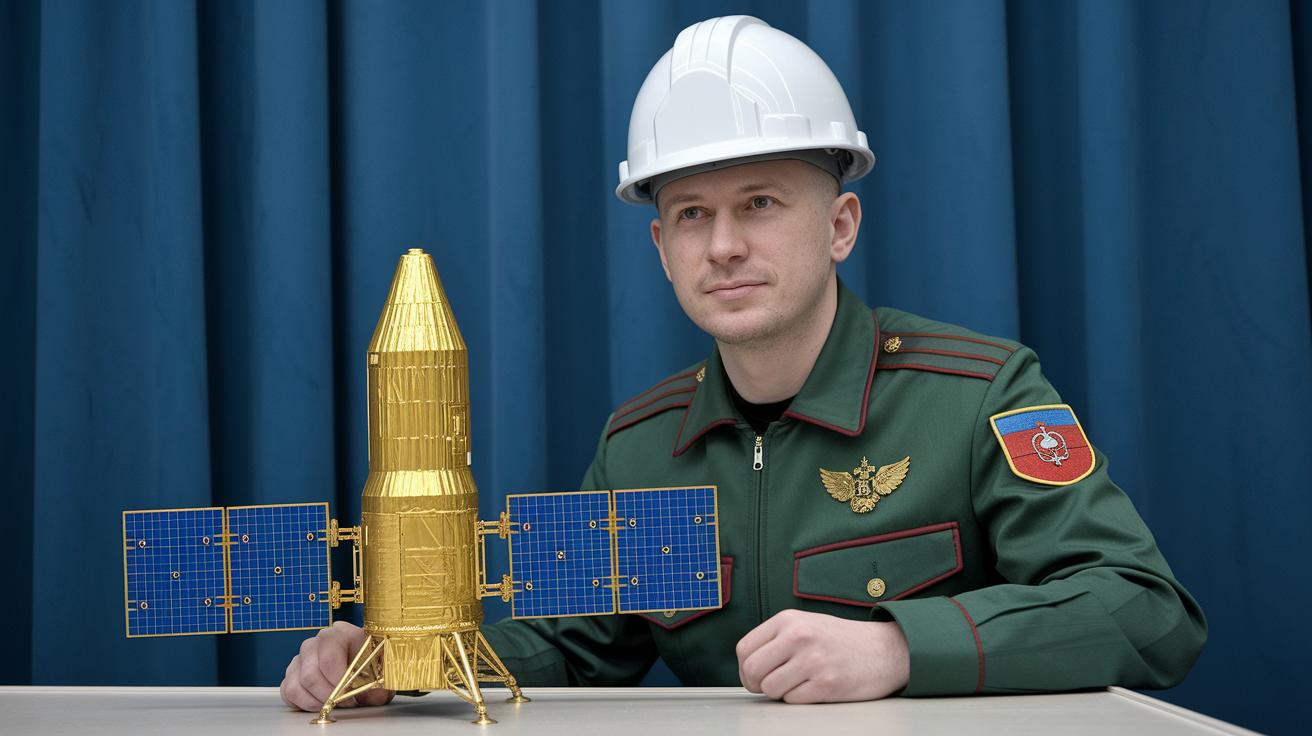
In Moscow, big political dreams and the hope of showing off tech smarts mixed together to start early satellite projects. On August 2, 1955, the Soviet Union announced its own satellite plan as a direct answer to U.S. ideas. This bold step was meant to show the world that science and national pride go hand in hand.
Over in Washington, U.S. leaders weren’t sitting still. They pushed ahead with strong research efforts to not only catch up with the Soviets but also to lead in new tech ideas. Their work aimed to spark exciting innovations in space studies with a focus on practical and advanced science (new technologies made simple).
| Event | Date | Significance |
|---|---|---|
| Soviet Satellite Project Announcement | 2 August 1955 | Started the Cold War space race |
| Launch of Vanguard 1 | 17 March 1958 | First solar-powered satellite still orbiting today |
These key launches did more than win small political points; they showed that satellite technology was ready to push human limits beyond our planet. Every new orbit added energy to the competition, which led to more breakthroughs in things like communication, weather tracking, and navigation. It’s like each mission fanned the flames of discovery during a time when even science was part of a larger contest.
Milestones in Human Space Exploration: Pioneering Flights and Apollo Mission Achievements
On 12 April 1961, Yuri Gagarin flew into orbit aboard Vostok 1, becoming the very first human to venture into space. His flight sparked a sense of wonder about the cosmos, imagine the excitement of seeing Earth from such a breathtaking angle, a view that truly reshaped how we feel about our home.
Soon after, from May 1961 to May 1963, the Mercury Seven carried out a series of bold missions. Take John Glenn’s flight, for example; at age 77, his journey proved that the spirit of discovery isn’t limited by age. And remember President Kennedy’s stirring speech on 12 September 1962 at Rice Stadium? His call to land a man on the Moon brought the nation together, motivating engineers and explorers to push the boundaries of what we thought possible.
Then came 20 July 1969, when Neil Armstrong stepped onto the Moon during the Apollo 11 mission. That historic moment captured hearts around the globe and showcased the incredible power of human ingenuity. Not long after, Apollo 12 faced a major challenge. On 14 November 1969, lightning struck the launch vehicle, interrupting power and guidance systems. Even with this unexpected setback, the crew calmly persevered, demonstrating remarkable resourcefulness under pressure.
The journey closed with Apollo 17, when between 11 and 14 December 1972, Eugene Cernan became the last person to walk on the Moon. His final steps symbolized years of careful planning and bold exploration, leaving a lasting legacy of determination and a deep-seated thirst for discovery.
Evolution of Space Exploration: Shuttlecraft Legacy and Reusable Orbit Vehicles
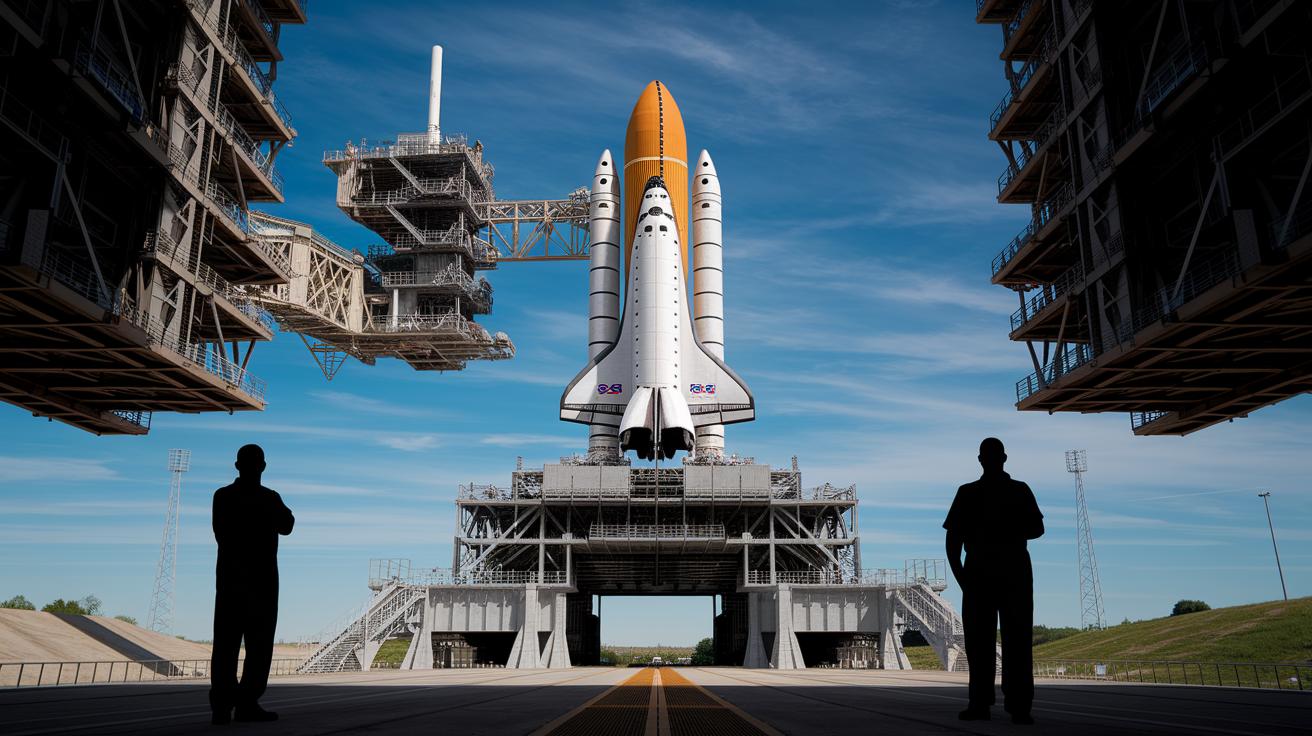
When Columbia lifted off in April 1981, NASA changed the game by moving away from rockets that could only be used once. Instead, they built a shuttle with tough, repairable parts that could come home, be fixed up, and head out again. It’s a bit like having a trusty delivery truck that always comes back with a fresh load, ready to go on another trip through space, carrying out experiments, and launching key satellites.
Then, on January 28, 1986, a terrible accident happened. The Challenger broke apart just 73 seconds after takeoff, and all seven brave crew members, including teacher Christa McAuliffe, lost their lives. This loss hit hard and led to a long pause in missions as NASA took a closer look at safety. They rethought their methods and put stronger checks in place so future flights would take even better care of the crew.
Later on, these shuttlecraft helped put together the International Space Station and send important satellites into orbit. Their ability to be used again and again proved that reusable vehicles are a key part of modern space travel.
International Collaboration in Space Exploration: The ISS and Global Orbital Efforts
The International Space Station kicked off as a bold idea where countries teamed up to reach for the stars. It began as a floating lab in space, a place free from gravity where scientists could test ideas and uncover new insights. Since November 2000, teams from around the world have lived and worked there, exploring how life and technology tick in a truly weightless setting.
NASA, Roscosmos, ESA, JAXA, and CSA all played their parts by adding special modules, sharing expert know-how, and pooling their resources. Working side by side, these space agencies turned the ISS into a hub for experiments in biology, physics, and studying our own planet. Imagine scientists carefully watching how gravity, or the lack of it, affects everything from plants to technology, all while planting seeds for the next chapter of space travel.
This spirit of global teamwork isn’t just about advancing science here and now. It lays the groundwork for even more exciting, joint space missions ahead. When countries come together like this, sharing knowledge and techniques, they create a future full of promise and endless opportunities beyond Earth.
Modern Space Exploration Focus: Mars Missions and Robotic Probe Advances
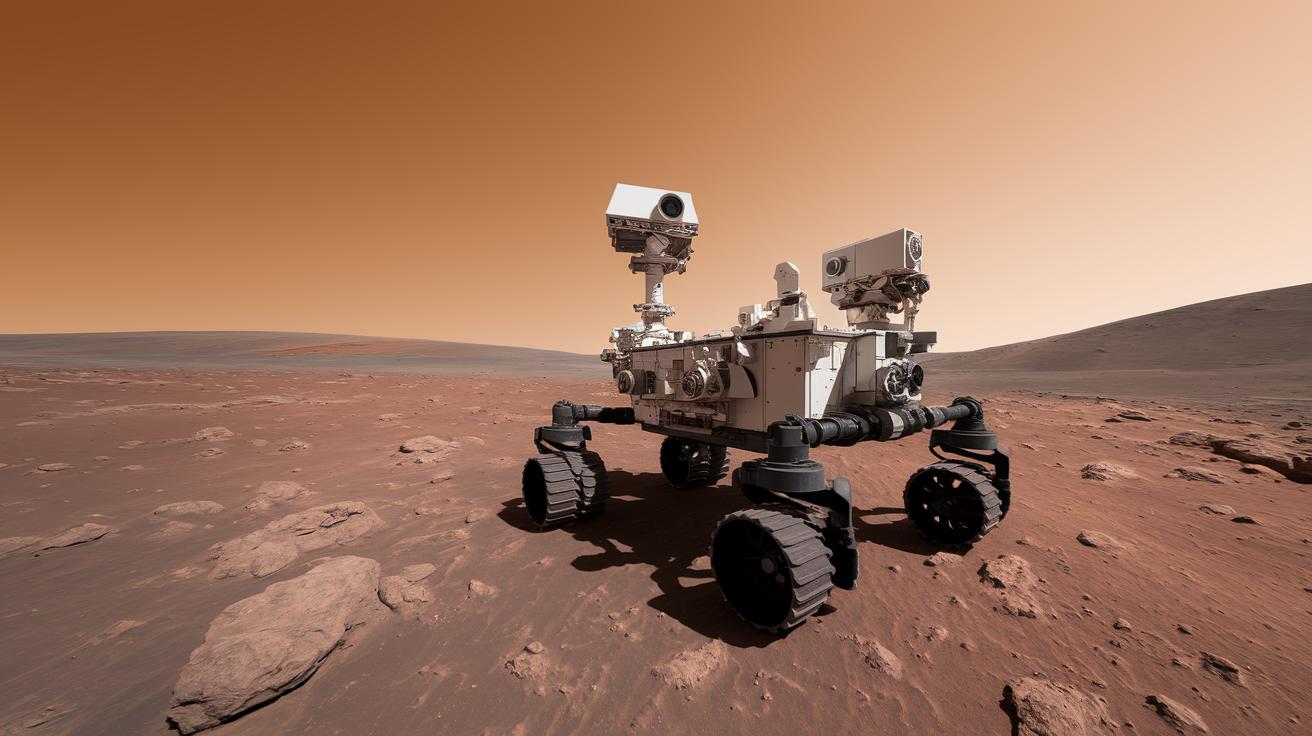
Mars missions aim to solve some of our biggest mysteries about our red neighbor. Scientists are busy mapping its surface, hunting for clues of old water flows, and figuring out if life might have once existed there. Imagine a rover slowly making its way over a dusty, red plain, with cameras and sensors snapping details like pieces of a giant puzzle.
Robotic explorers are our trusty tools in these quests. Orbiters circle above, gathering broad information about weather and surface changes, while rovers get down close to examine rocks and soil with instruments that work kind of like a doctor’s toolkit. Some rovers even analyze the chemical makeup of the terrain, helping us get a clearer picture of Mars. It’s a team effort that not only improves our view of the planet but also checks out new tech for long trips in space.
All the data these probes send back is key to planning future human missions. They help us decide how to set up life-support systems, pick safe landing spots, and design habitats that could one day host humans. It’s like laying the groundwork for one day stepping onto another world.
Impact of Space Exploration: Technological Leaps and Economic Contributions
Space technology is a big part of our global economy. By 2020, it helped build a market worth about $366 billion. This success comes from years of hard work, daring missions, and a lot of research that not only stretched the limits of science but also gave us useful tools for everyday life. Investments in space travel turned exploration tools into practical gadgets that make our daily routines smoother.
These space missions have sparked innovations that change how we communicate, navigate, and even get medical care. Engineers and scientists took breakthroughs from space and reinvented them into products and services billions of people use. It’s amazing to see how bold space missions keep driving progress in many industries, lighting up new ideas that improve our lives.
- GPS navigation systems
- Weather satellite networks
- Medical imaging scanners (like CAT and MRI machines)
- Laptops and portable computers
- Optical devices and computer mice
- Satellite TV and communication networks
Ongoing space exploration keeps the field vibrant and full of fresh ideas. Each new mission dives deeper into science and engineering, pushing the limits and sparking improvements that ripple across various sectors. Every venture in space not only challenges what we think is possible but also brings practical advances that reshape technology and boost economic growth here on Earth. The ripple effects of these pioneering missions continue to inspire next-generation breakthroughs, making space exploration a never-ending source of progress and opportunity.
Final Words
In the action, early rockets paved the way from post-war missile work to the thrill of human spaceflight. We traced the evolution from biological experiments and first satellites to reusable orbiters and international cooperation on the ISS. Mars missions and probe findings remind us that every milestone adds a new chapter to the history of space exploration. Each phase shows tangible progress that inspires innovation and fuels a bright future in science and tech.
FAQ
What reliable resources can I use to explore the history of space exploration, including books, timelines, PDFs, essays, and Wikipedia entries?
Reliable resources like published books, detailed timelines, academic essays, PDFs, and trusted Wikipedia entries offer clear overviews of space exploration milestones—from early experiments to major achievements.
What is space exploration?
Space exploration involves sending probes, satellites, and humans beyond Earth to study space, gather data, and inform future innovations that deepen our understanding of the cosmos.
Why is space exploration important?
Space exploration is important because it drives technological advances, expands scientific knowledge, and spurs economic benefits while inspiring creativity and curiosity about our universe.
Are any of the first seven astronauts still alive?
Many of the first seven astronauts have passed on, as the pioneers from early human spaceflight missions have largely aged, leaving behind a legacy that continues to influence space research.
Why did NASA wait 50 years to go back to the Moon?
NASA waited for decades because shifting priorities, constrained budgets, and evolving technology steered focus toward other missions, delaying a return to lunar exploration until new goals emerged.
What are the four stages of space exploration?
The four stages of space exploration include early experimental launches, satellite missions amid political competition, human spaceflight milestones, and modern initiatives led by planetary and robotic probes.
Why is July 20, 1969 important for the history of space exploration?
July 20, 1969 is important because it marks the Apollo 11 Moon landing, when Neil Armstrong and Buzz Aldrin stepped onto the lunar surface, cementing a key milestone in human spaceflight.