


Have you ever stopped to think about how a tiny chip can literally transform your day-to-day life? This little bit of technology helps make everyday tasks smoother and even boosts emergency care. It’s like scanning a bar code that instantly links you to important details, be it your medical records or security info. The chip itself is as simple as it gets, no bigger than a grain of rice, but early tests prove it packs a powerful punch. Let’s explore how this small device is making our routines faster, safer, and more connected.
microchipping technology Sparks Positive Societal Impact
At its core, a microchip is a tiny glass capsule that houses an antenna coil and a little chip no bigger than a grain of rice. Think of it as a mini two-way radio that both sends and receives signals. Early tests started way back in 1998, and by 2004, under the name PositiveID, it even got the go-ahead from the FDA for commercial use.
When the chip gets scanned, its unique number pops up and links to an external database filled with important personal or medical details. It works a bit like scanning a barcode at the store, each number pulls up all the relevant info stored securely in the system.
| Feature | Description |
|---|---|
| Unique ID Encoding | The chip encodes a one-of-a-kind number that identifies it |
| Database Lookup | This number links to detailed personal or medical records |
| Access Control Activation | The chip can trigger locks on doors or devices |
| Automated Device Commands | It can start a vehicle or process payments with just a scan |
| Animal Identification | Used for identifying pets and livestock in a similar way |
This simple yet clever mechanism makes everyday tasks smoother. Imagine walking up to a door that "greets" you with a simple scan, or a car that starts with just a quick check. Even in emergencies, the chip can quickly bring up patient-specific details, helping medical teams respond faster. Isn’t it amazing how such a small device packs such a big punch?
Technical Innovations and the Chip Implantation Process
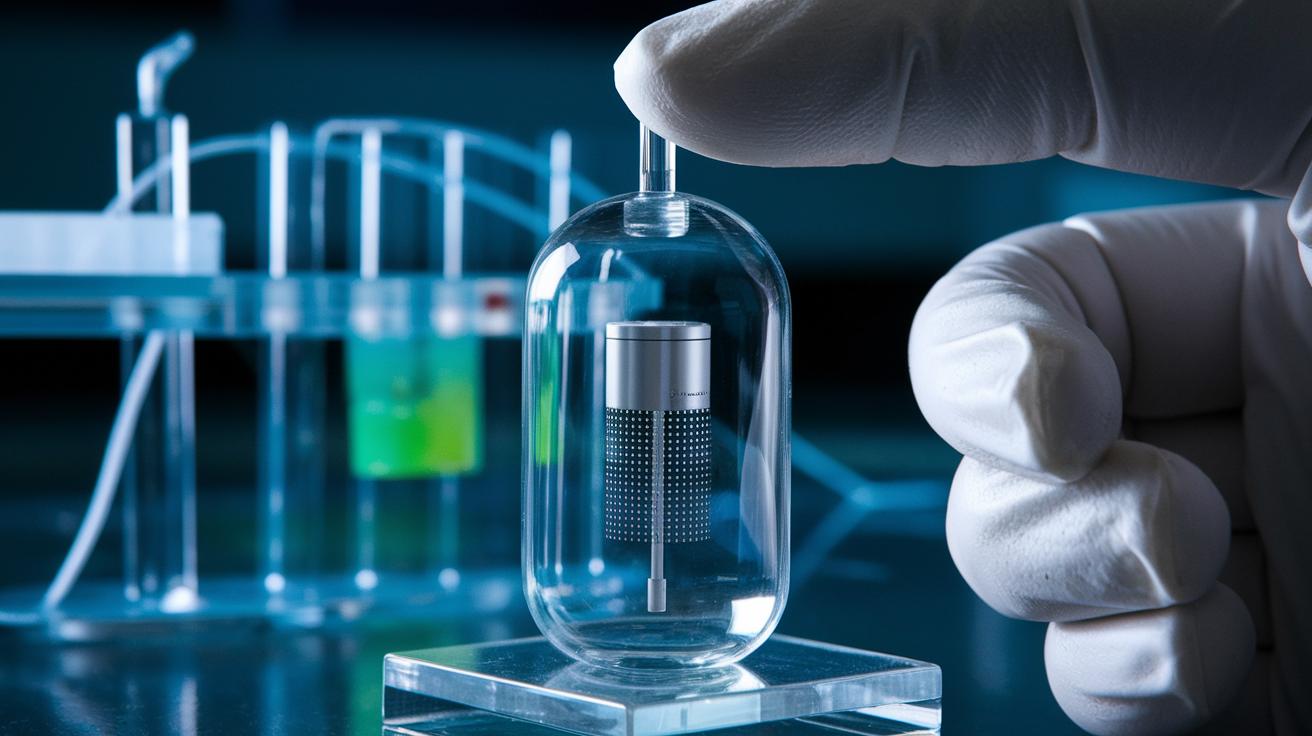
These implants use a special kind of glass that your body accepts easily to encase a tiny microchip and a little antenna coil. The whole thing is about 12 mm long and 2 mm wide. Think of it as a mini walkie-talkie that sends and receives signals when you scan it. The latest designs come with a biodegradable biofilm coating that cuts down on unwanted reactions in your tissues. Plus, new versions pack extra sensors (like for temperature and pH) along with an antenna that now picks up signals from 50 to 100 mm away. It’s almost like having a piece of high-tech magic that works in less than a minute, kind of like snapping a quick photo on your smartphone.
The process of getting this chip implanted is super quick and simple, usually taking less than a minute with hardly any discomfort. Let’s break down how it happens:
- Site selection and cleansing
- Applicator loading and sterilization
- Needle insertion and chip deployment
- Position verification via scanner
- Dressing application and patient instruction
| Step | Description | Typical Time |
|---|---|---|
| 1 | Cleansing & anesthesia prep | 2 min |
| 2 | Applicator setup | 1 min |
| 3 | Chip injection | 30 sec |
| 4 | Scanner verification | 1 min |
| 5 | Dressing & recovery guidance | 2 min |
These careful, well-thought-out steps work together to lower the chance of complications. From the initial cleaning of the spot to the final bandage, every move helps keep everything sterile and the chip perfectly in place. New design features, like improved antennas and extra sensors, add a boost to the chip’s performance. All these improvements make the whole process smoother and safer, giving users a reliable way to tap into this smart tech.
Applications of Microchipping Technology in Medical and Pet Identification
Medical microchips are now helping save precious minutes in emergency situations. For instance, one hospital project showed that treatment delays dropped by 30% when emergency teams could quickly check a patient’s allergy and medication history. This kind of smart, case-based approach shows how better database systems can make a real impact in critical care.
Pet microchips work a bit differently. They focus on swift identification instead of storing lots of data. In one city pilot, linking vet records with a national registry helped reunite many lost pets with their owners. Even though these chips look similar to medical ones, they need specialized scanners to quickly pull up the owner’s contact details and essential information.
These chips make it possible to:
- Gain secure entry to buildings or workplaces
- Start vehicles without physical keys
- Retrieve emergency medical data quickly using new medical technology (a way to access life-saving info fast)
- Dispense prescriptions automatically
- Reunify lost pets with their families
- Manage large groups of livestock
| Factor | Human Applications | Pet Applications |
|---|---|---|
| Data Privacy | Robust protocols keep patient information confidential | Stores only basic IDs and owner contact details |
| Usage | Used in emergencies, secure access, and automated dispensing | Helps reunite lost pets and manage livestock |
| Critical Application | Provides life-saving info during emergencies | Ensures quick identification for pet recovery |
| Challenges | Balancing rapid access with strict privacy requirements | Maintaining accuracy in large groups of animals |
In both cases, scanning the chip gives a unique ID that links to a broader database. Whether you're in a busy hospital or a bustling veterinary clinic, the equipment is designed to work quickly and securely every time.
Key Benefits of Microchipping Technology for Individuals and Animals
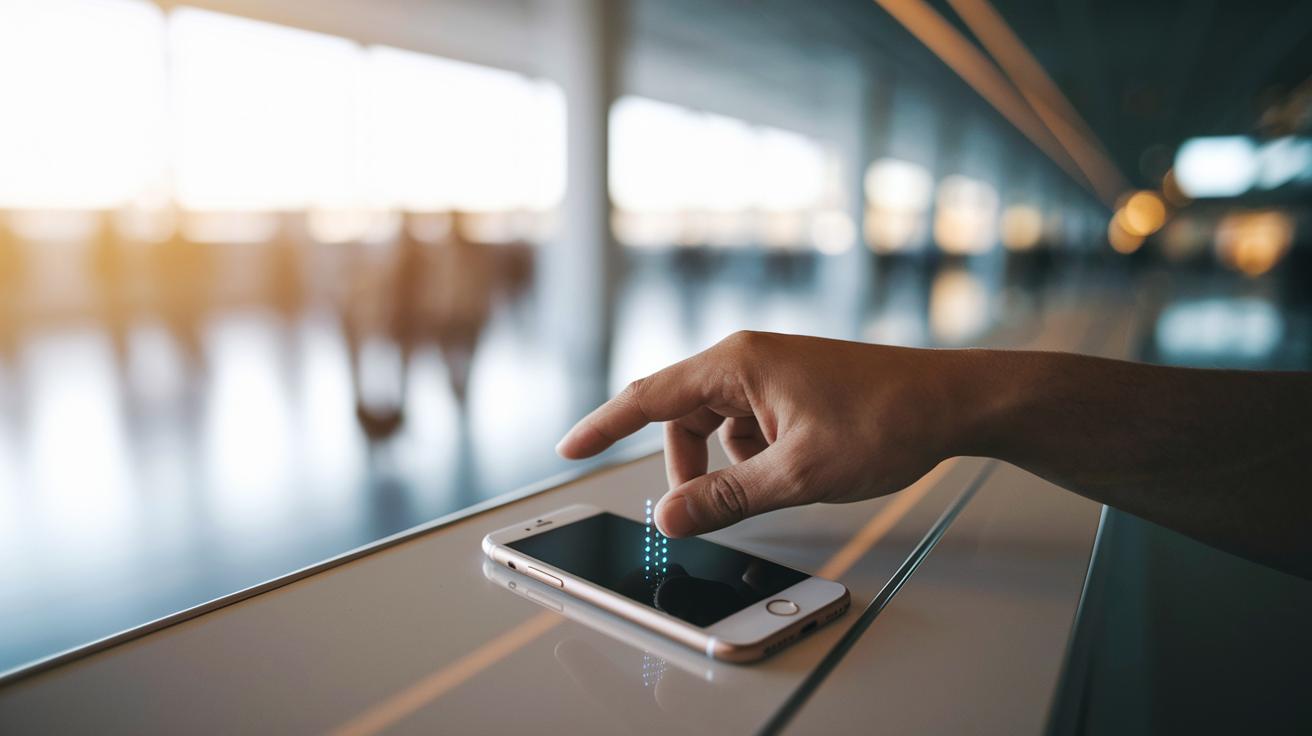
Ever worried about misplacing your wallet or ID? Microchip technology might just be the simple solution you need. This tiny implant acts like a digital key, just a quick scan at airports, on buses, or even at your favorite club lets you check in without any fuss, smoothing out everyday tasks and boosting security.
If you're a pet owner, this tech is a real lifesaver. A microchip helps identify your treasured companion quickly, which means lost pets have a better chance of finding their way back home. It works the same way in managing livestock, offering a steady way to keep track of animals without extra ongoing costs.
Here's what you enjoy:
- Instant credential verification
- Smooth payments and transport access
- Quick access to life-saving medical records
- A one-time, affordable fee
- A permanent ID for your pet or livestock
Looking ahead, this technology really shines in long-term savings. With a one-time fee ranging from about $50 to $200 and nearly zero recurring costs, both individuals and animal caregivers can cut down on paperwork and enjoy enhanced security over time. In short, microchipping simplifies day-to-day check-ins and provides a smart, cost-effective way to manage identity for many users.
Risks and Safety Considerations in Microchipping Technology
Microchipping tech offers lots of benefits, but it comes with its own set of risks. These tiny chips may seem handy, yet they can raise some health and safety concerns. Even though they work like a mini two-way radio, the electronic parts inside a small glass capsule might interact with your body in ways that are hard to predict. The very act of implanting the chip, a bit like a minor procedure, can also open the door to unexpected complications.
Some possible issues include:
- Infection at the insertion site
- Allergic reactions to the glass or coating
- The chip moving under the skin
- Interference with medical diagnostic tools
- The risk of the chip overheating
- Long-term questions about how well the chip works with your body
Privacy is another big concern with microchipping. Each chip stores a unique ID linked to your personal info, which means a security breach could let someone track you or misuse your data. Imagine if a hacker managed to clone or alter your chip data, that could put your privacy at serious risk.
To tackle these problems, experts are hard at work on safety measures. They use modern encryption (a way to scramble information so only the right people can read it) to protect your data, and off-body scanning techniques help reduce the risk of someone tampering with the chip. In the end, it's all about balancing the cool benefits of microchipping with the need to keep both you and your information safe.
Ethical, Legal, and Regulatory Considerations for Microchipping Technology
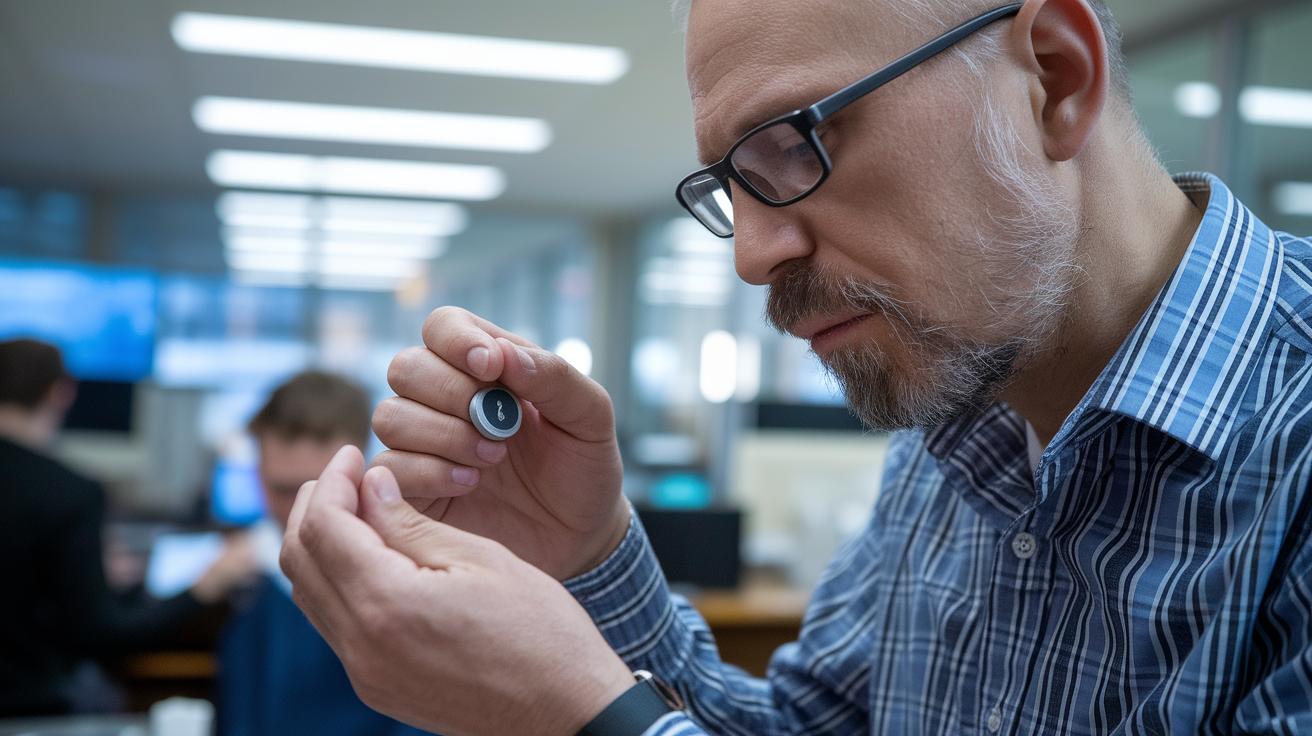
Your body is your own, and no one should force a microchip into it without clear permission. Many folks worry that getting this chip could mean losing a bit of control over their personal space, and the idea of truly informed consent is at the heart of the debate. Even though experts say the chip is optional, some worry that subtle pressures in workplaces or public settings might push people into accepting it just to fit in. This ongoing discussion about bodily autonomy really underlines the need for solid ethical guidelines as this technology slowly becomes more common.
On the legal front, governments are keeping a very close watch. In the U.S., for instance, the FDA makes sure that any human implant is safe and does what it’s supposed to do, while in the European Union, a chip must carry a CE mark before it’s allowed on the market. Some countries have also passed laws to stop forced microchipping so that people can protect their personal choices. These rules aim to balance the promises of exciting new tech with the need to secure privacy and prevent any data from being misused.
Case Study: Three Square Market
Back in 2017, an event in Wisconsin really brought these concerns into focus. At Three Square Market, employees were part of a pilot program where they got microchip implants, and soon many began to question whether those with chips might get treated better than those without. Critics were quick to point out that this could lead to unfair advantages and workplace bias. This incident pushed for new policies and sparked a closer look at ethical boundaries in company settings, reminding us all how crucial it is to protect personal choice as microchipping technology evolves.
Future Trends and Market Outlook in Microchipping Technology
Recent studies show that microchipping tech is set to grow by around 8% between 2023 and 2030. This boost comes from its expanding use in healthcare and security. Experts say that if manufacturing costs drop by about 30% in the next five years, we'll see even smaller chips fitting into more everyday systems.
New breakthroughs are making microchips smarter. Picture chips with multiple sensors that track your health in real time, devices that connect to the Internet of Things (a network that links everyday objects), and even tech that lets your brain communicate directly with machines. These cool advances are cutting costs and ramping up the chip’s capabilities, pushing them into both medical and everyday settings.
| Trend | Sector | Projected Year | Impact |
|---|---|---|---|
| Multi-sensor health chips | Healthcare | 2025 | Continuous patient monitoring |
| IoT integration in assets | Logistics | 2027 | Automated inventory tracking |
| Neural interface prototypes | Neurotech | 2028 | Brain-machine control experiments |
| Biodegradable coatings | Veterinary | 2026 | Reduced long-term tissue reaction |
Looking forward, several new ideas promise to reshape the field:
- Encrypted peer-to-peer implant networks
- AI-driven anomaly detection in chip data
- Self-powered wireless implants
- Blockchain-backed identity registries
By 2040, many experts believe that microchipping will be a key part of smart cities, modern healthcare, and advanced security. Expect a future where data flows effortlessly, systems are more efficient, and privacy is strongly protected, all thanks to ongoing innovations in chip technology.
Final Words
In the action, we explored how microchipping technology works, from its tiny, rice-grain sized components to its unique ID linking methods. We walked through the implantation process, highlighted security and privacy questions, and touched on ethical debates.
It all ties into a system that not only makes life smoother but also opens new paths in healthcare and pet identification. Every step taken reflects a future filled with bright innovations.
FAQ
What exactly is microchip technology?
Microchip technology refers to implantable RFID chips—tiny devices about the size of a grain of rice that transmit a unique ID when scanned. This ID links to databases for identification and access.
How is microchipping used in humans and pets?
Microchipping in humans helps with secure access and medical data retrieval, while in pets it stores a unique ID for identification, aiding in quick reunion if lost. It does not provide real-time tracking.
What companies develop microchipping technology?
Companies specializing in microchipping design and manufacture implantable chips for various uses such as pet identification and secure data management, following strict safety and regulatory standards.
Can a microchip track my dog, and what are its side effects?
Microchips in pets only store an identification number; they do not offer live tracking. Side effects are generally minimal, with rare cases of mild insertion site irritation or reaction.
Are there any reasons not to microchip your dog?
Some pet owners avoid microchipping due to concerns over potential allergic reactions, minor infection risks at the insertion site, or personal reservations about implanting electronic devices.
How long does a microchip last in a cat?
A cat’s microchip is built to last a lifetime, maintaining functionality without the need for maintenance over many years.
What does microchipping in relationships mean?
In relationship contexts, the term may refer to the use of implanted chips for secure data storage or access control, highlighting how technology subtly integrates into personal and shared spaces.
Which country is microchipping humans being practiced in?
Some countries allow voluntary human microchipping trials in carefully regulated settings, though no nation enforces widespread mandatory human microchipping.