


I had the textbook pregnancy—glowing skin, strong baby kicks, and a wide circle of support. I imagined the early weeks would be long naps, soft lullabies, and satisfied smiles. Instead, ten days after my son arrived, the ground beneath me gave way. What started as a single episode of violent vomiting spiraled into sleepless nights, frantic doctor visits, and a crushing sense that I was failing as a mother. This is my story of postpartum depression—of guilt, exhaustion, and dark thoughts—and how I finally found help. I share it in the hope that another parent feels less alone.
From Perfect Pregnancy to Postpartum Reality

Basking in compliments about my glowing skin, I truly believed motherhood would come as naturally as breathing. The cesarean scar ached, but my heart was full the day we brought my son home to my parents’ house. He was healthy, strong, and adored by three generations. With my mom swooping in at 4:30 a.m. to feed and change him, I actually felt spoiled, I could sleep until late morning and still beam proudly at a cooing baby. Those first ten days convinced me I had aced the transition from expectant mother to super-mom. I had no idea how quickly that illusion would shatter.
The First Vomit & the Seed of Panic
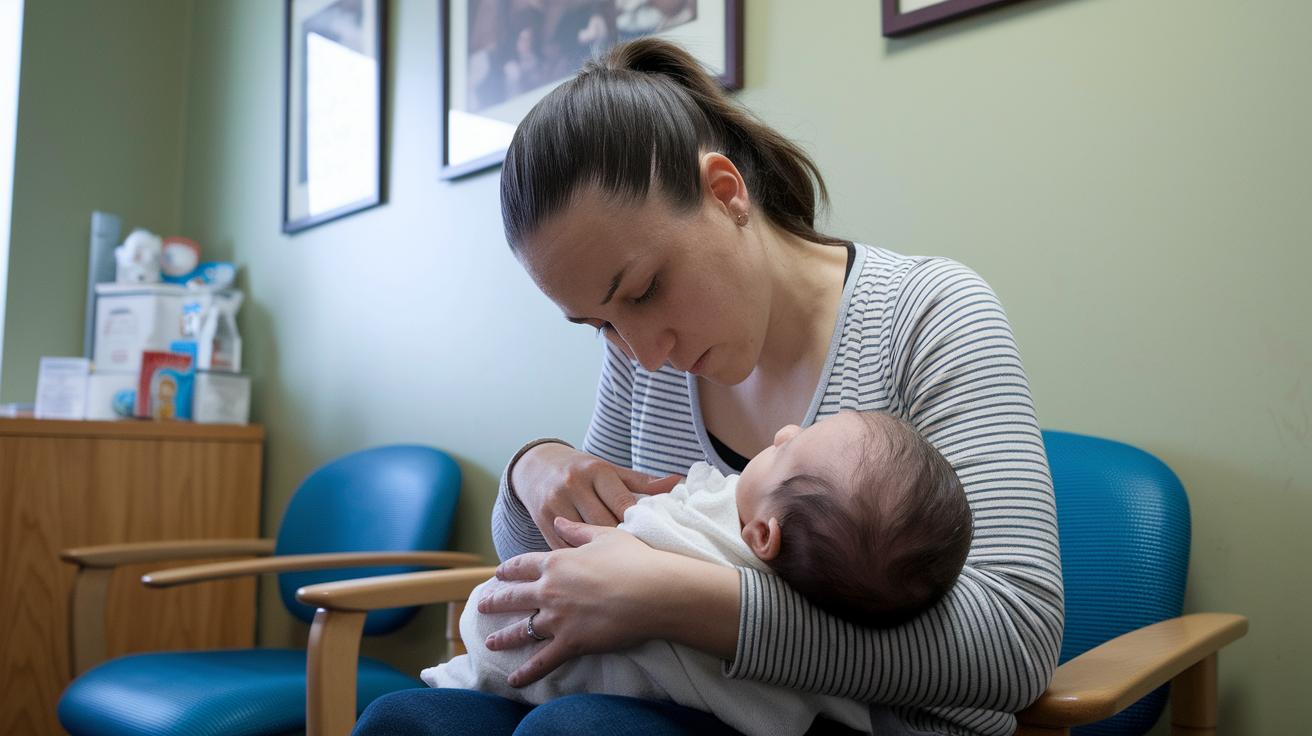
It happened on day ten: a geyser of milk arced three feet across the room and splattered the wall. People laughed nervously, babies spit up, right? My gut told me something was terribly wrong. I banned everyone else from feeding him, convinced that if I just breast-fed harder, longer, better, I could fix whatever was happening. My milk was slow, my incision still raw, yet every other day I hauled my tiny son to the pediatrician. Each unanswered question made the panic louder, and every mile in the back seat I silently clenched against stitches that begged for rest.
A Maze of Tests and an Infant Surgery
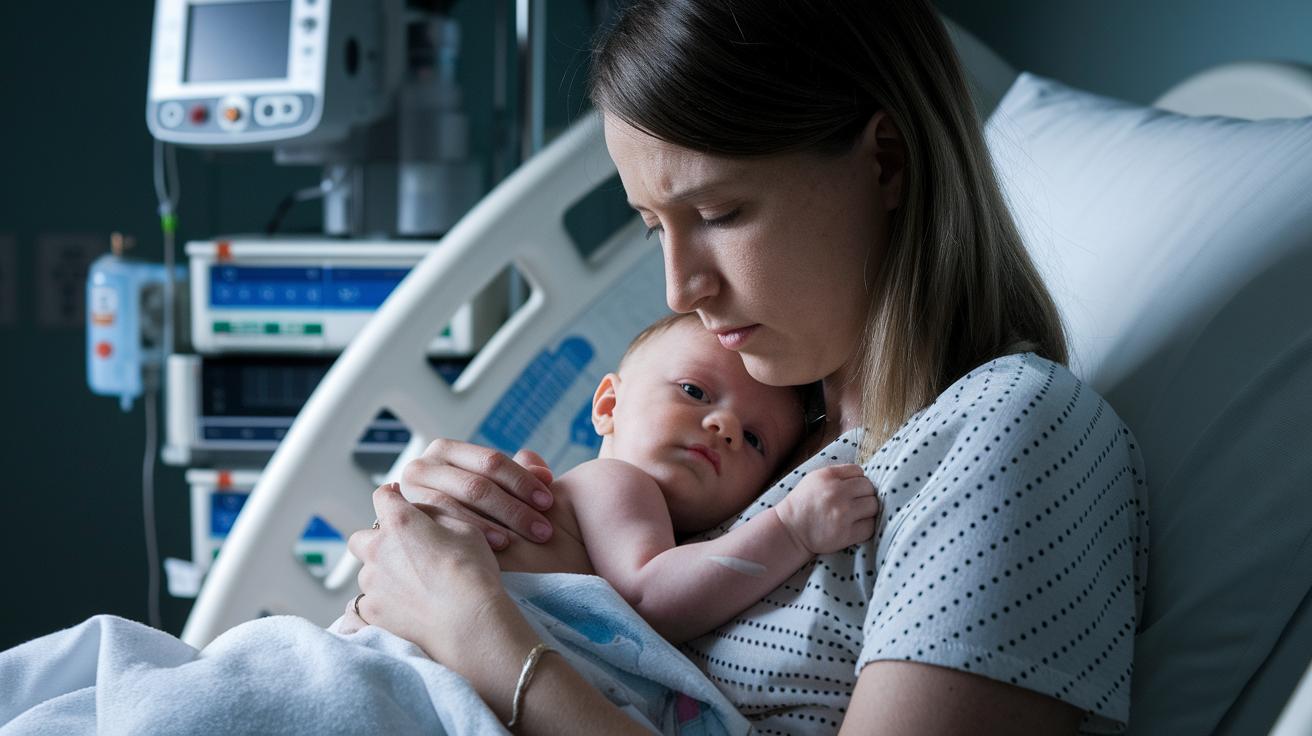
By his one-month check-up we were living at radiology suites. I pressed his trembling body against cold plates for X-rays, watched opaque barium slide down his throat, and prayed through every ultrasound. Doctors suspected pyloric stenosis but test results fought each other, so they scheduled “exploratory” surgery, words that freeze any parent’s blood. He came through the operation like a champ, tiny fists still waving under morphine. Everyone celebrated and urged me to move on, yet the guilt tightened. If I were a worthy mother, I told myself, none of this would have happened. Shame became my constant companion.
When Milk Dries Up and Shame Sets In

Back home I scrolled social media, watching other mothers perch infants on perfect nursing pillows, milk dripping like gold. My own supply vanished almost overnight, and I cursed my body for betraying my baby. To dull the self-hatred I reached for liquor, just enough, I reasoned, to take the edge off while Mom covered night duty. On the outside I was still the capable daughter, smiling through cracked lips. Inside, I sobbed hourly and repeated a single sentence: “If I were a better mother, he wouldn’t suffer.” Alcohol was my secret anesthetic, and the hangovers only deepened the fog.
When My Mother Collapsed
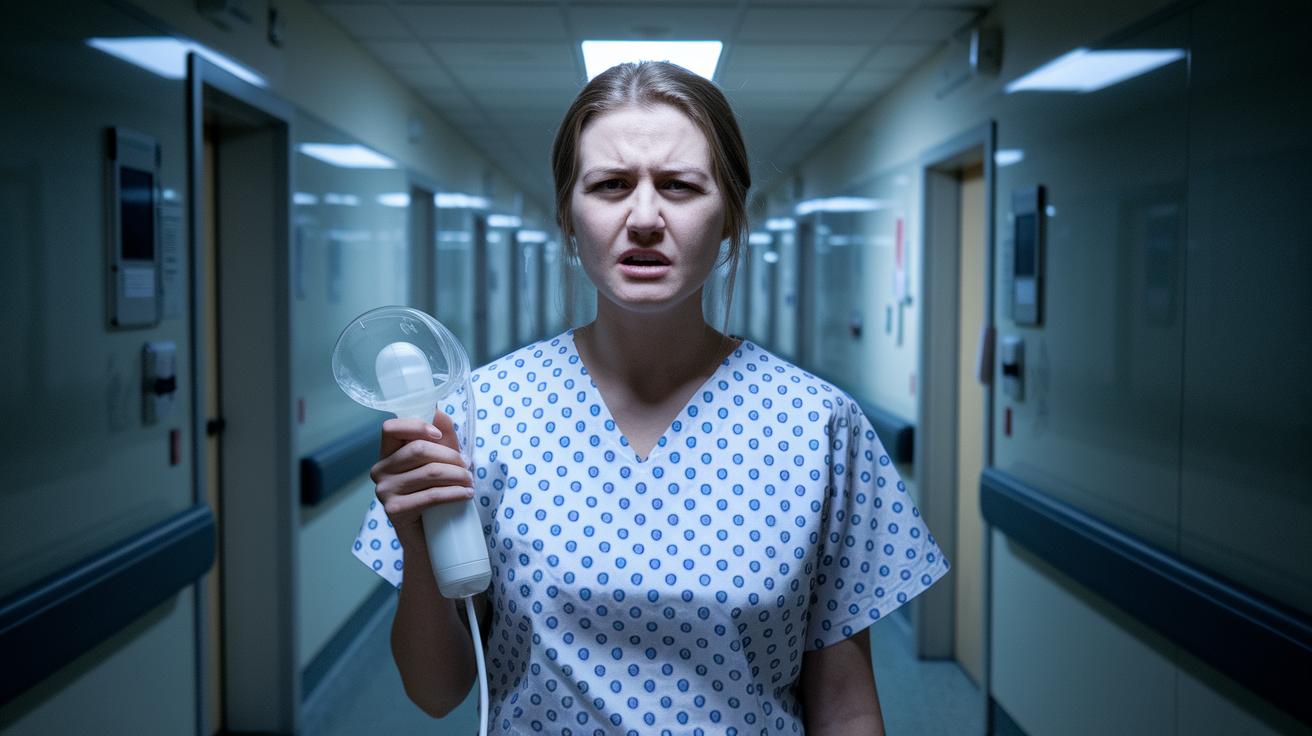
Just as I thought life could not tighten the vise any further, my father shook me awake before dawn. Mom, my 4:30 a.m. lifeline, was paralyzed and gasping. Doctors soon named the culprit: Guillain-Barré syndrome, a rare nerve disorder that catapulted her into a coma within hours. In a single heartbeat I lost my caregiver, my confidante, and the only person who suspected I was unraveling. The plan had been simple: I’d return to work while she watched the baby. Now I stood in the ICU corridor clutching a breast pump that no longer worked, wondering how to keep anyone alive.
Bills, Sleep Deprivation, and Energy Drinks
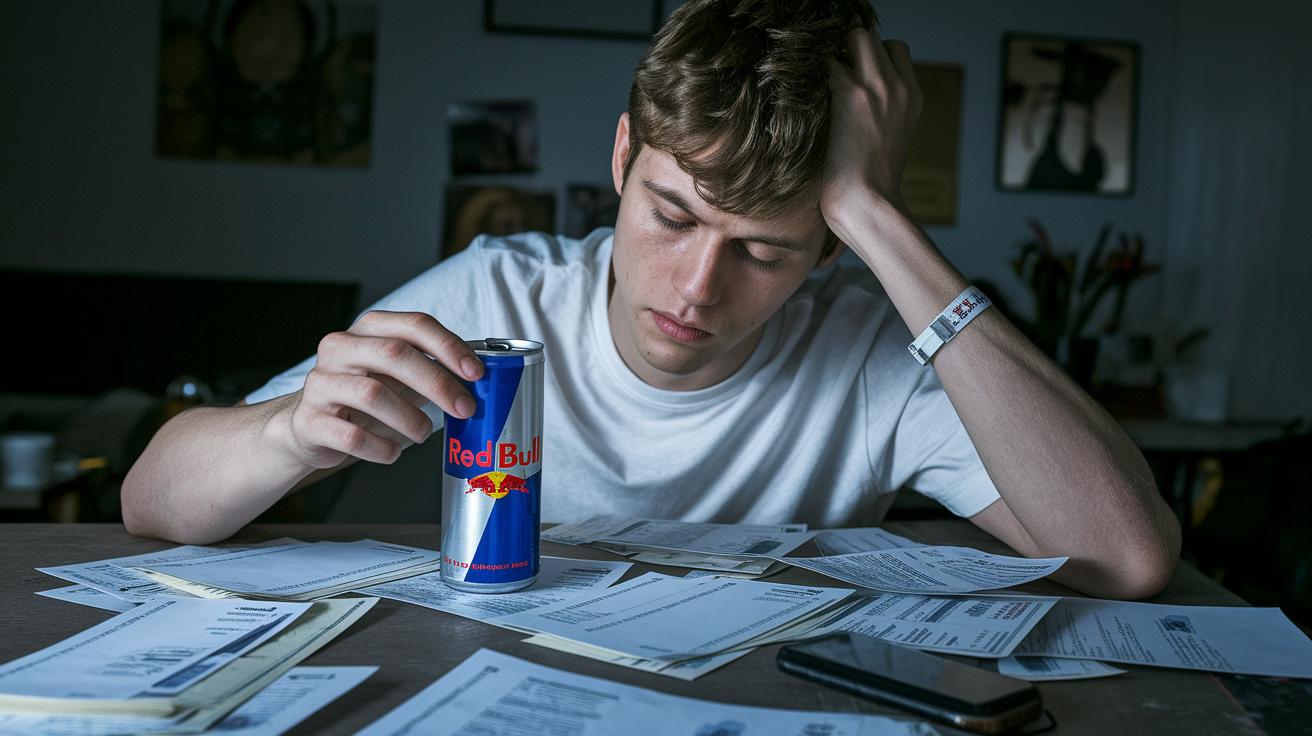
Within a week my mother’s hospital stay cost more than a starter home, despite a $60,000 grant. Public wards lacked equipment; private care devoured our savings. I slept four fractured hours, then guzzled can after can of Red Bull to fake competence. For anyone convinced the drink “does nothing,” try replacing meals with three or four cans a day; your heart will pound like a faulty engine. Between changing diapers and sorting medical bills I coached my distraught father, searched for daycare, and calculated how to resume work. The buzzing caffeine high masked a body and mind edging toward collapse.
More Diagnoses, More Responsibilities

Just when I believed the crisis docket was full, specialists discovered my son had a wandering eye that might demand surgery. In the same week, my sister-in-law phoned with a high-risk pregnancy and tearful pleas for advice. Evidently I had become the family’s resident problem-solver. I nodded sympathetically, organized appointments, and drew up budgets while my own emotions stayed locked behind a smile. I don’t remember tasting food or feeling sunlight, only the constant vibration of my phone and the sweet chemical burn of another energy drink. Every new task confirmed my private verdict: I was failing at everything.
Dark Intrusive Thoughts
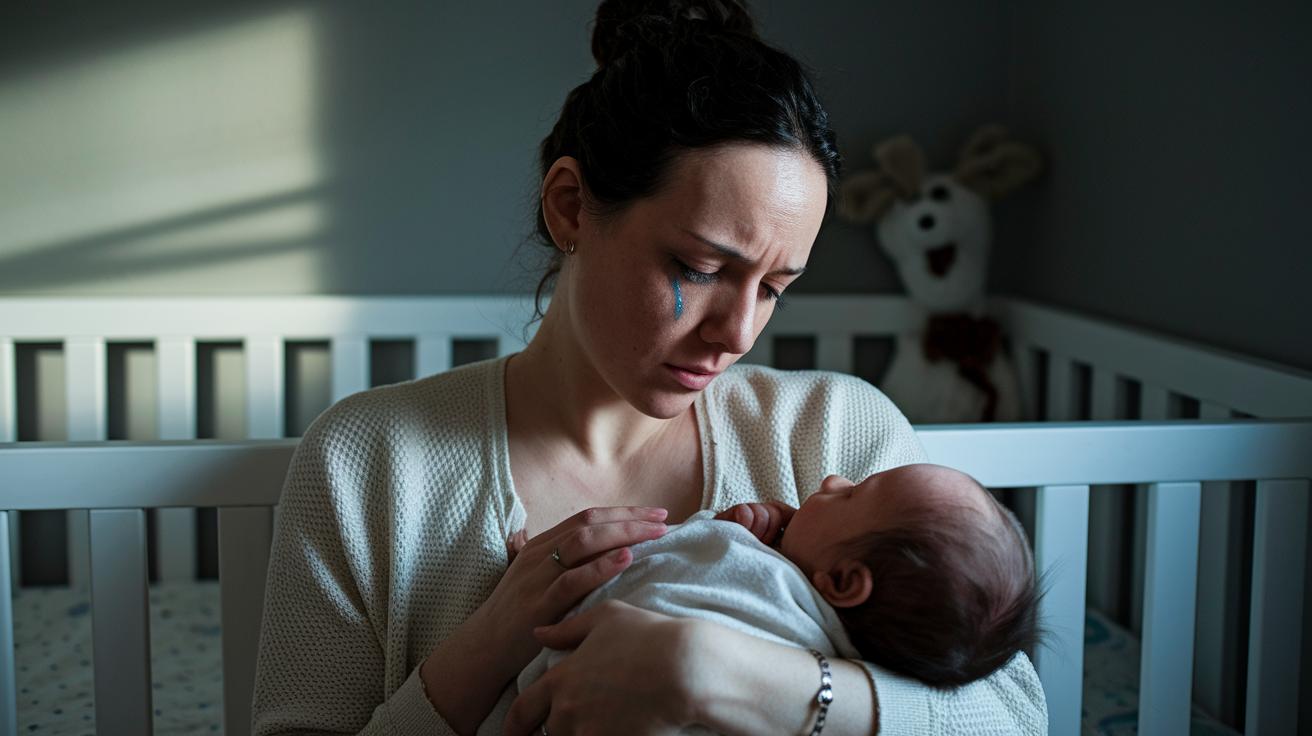
One afternoon I sat beside the crib, eyes gritty with exhaustion, and pictured how effortless it would be to open the window and let everything, every bill, every scream, every guilt-soaked minute, drop away. The vision lasted seconds; horror followed immediately. I clutched my son, sobbing apologies he couldn’t understand, then hated myself for even imagining harm. The scenario replayed day after day, a grotesque mental loop that fed my conviction I was unfit. These are the conversations we rarely have about postpartum depression, yet intrusive thoughts are its toxic trademarks. Silence only granted them more room to grow.
Realizing I Needed Help

Two weeks before my son’s first birthday my phone rang at 4 a.m. again, this time with news that Mom had died. My first reaction was relief: one less spinning plate. The indifference chilled me to the bone. In that moment I finally admitted something was very, very wrong. For nearly a year I’d survived on caffeine, alcohol, and three hours of sleep, pretending emotions were optional. Grief should have floored me; instead I felt empty. I knew if I didn’t reach out soon, the next casualty might be my child, or me.
Therapy, Medication, and Hope

It took another six months before I saw a doctor, sobbing through the intake forms while my toddler stacked wooden blocks in the waiting room. A prescription for antidepressants and the first of many therapy sessions became my lifeline. Healing wasn’t linear; guilt still flares when my son catches a cold. Yet, slowly, laughter returned, meals replaced energy drinks, and the window that once looked like an escape now frames a future. If you hear echoes of your own story in mine, please remember this: asking for help is not weakness, it’s the most courageous gift you can give your child.