


Have you ever thought about how tiny bits of space junk might cause big problems for our missions? Right now, debris floating around Earth isn’t just extra clutter, it can really endanger satellites and crewed spacecraft. There are thousands of these leftover pieces from old missions, and even a small fragment can spark serious damage. These bits risk the technology we count on for communication and exploration. In this post, we’ll explore how these little hazards change our plans to make space missions safer for both our gadgets and our explorers.
Space Debris Overview and Definition
Space debris is any human-made object that now just orbits Earth without doing its original job. Right now, about 36,000 pieces larger than 10 centimeters are floating around our planet. Out of these, 30,000 have been tracked, and 6,000 are still unregistered. Since 2021, another 12,000 objects have joined this clutter, showing us that this is a growing challenge.
Most of this space junk comes from broken satellites, used-up rocket parts, and shrapnel from collisions during missions. Even a tiny piece, about the size of a blueberry, can hit a satellite with the force of a falling anvil. It might sound hard to believe, but even the smallest fragments can be dangerous. A little shard, just a few millimeters wide, might damage important parts of a spacecraft if it collides at high speed. For this reason, scientists stress the need for better tracking and safety checks to keep both manned and unmanned spacecraft safe in orbit.
Origins and Classification of Orbital Debris
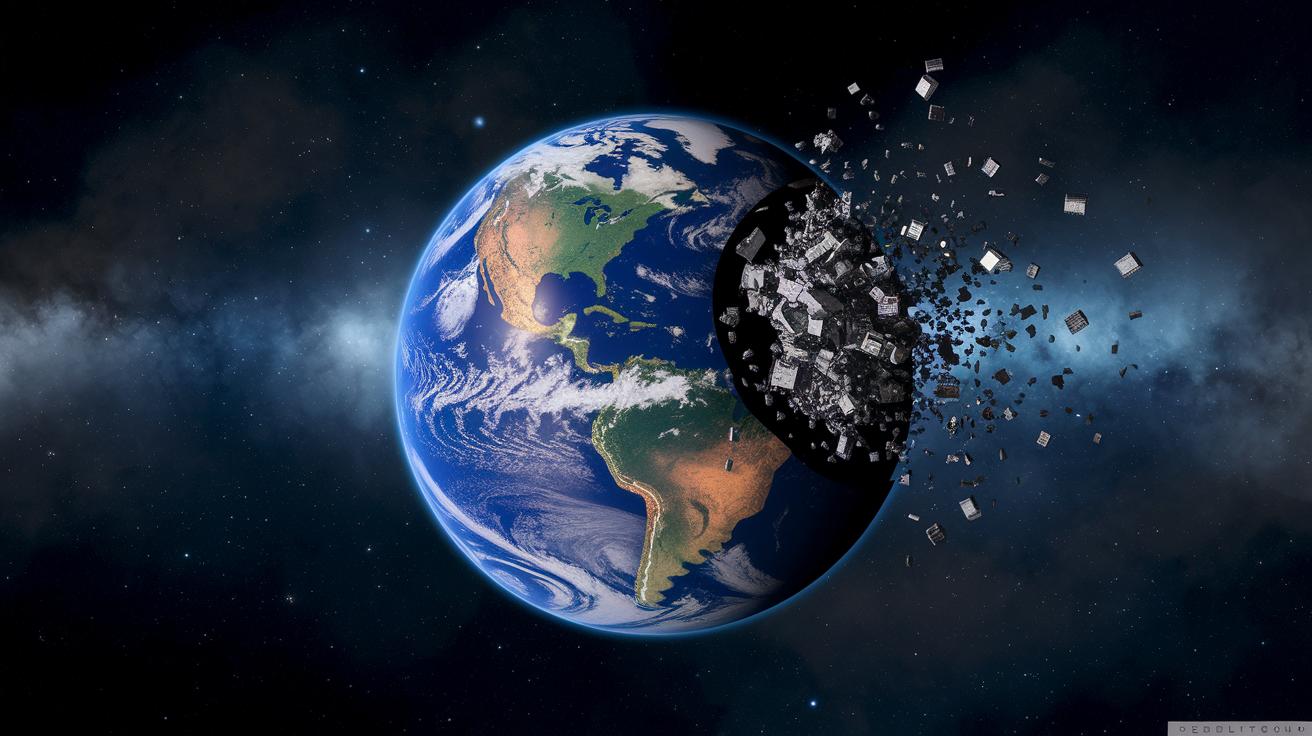
Imagine a piece of space trash from a satellite breakup that could orbit Earth for centuries. Most of this orbital debris comes from events like satellite collisions, explosions that cause satellites to break apart, or remnants left when a mission is finished. Each of these events creates debris that brings its own set of challenges.
Sometimes a satellite suddenly shatters, maybe because it collided with something or experienced an explosion, and suddenly, hundreds of tiny pieces scatter into space. Think of it like a firework that never really fades away; some of these bits can float around for up to 1,000 years, depending on how high they are. And then there’s the debris left over from the mission itself, like tools, clamps, or even tiny paint flecks from surface erosion, all adding to the crowded space environment.
Satellites that have finished their jobs also add a lot of extra clutter. Even though teams try to safely remove or deorbit these satellites (that means guiding them to burn up in the atmosphere), sometimes a failed attempt leaves behind fragments that stick around in orbit for anywhere between 10 and 1,000 years.
It’s also interesting to note that more than 96% of all catalogued debris comes from activities by the U.S., Russia, and China. This shows us that these nations have been sending things into space for a long time. Sorting debris into clear categories is essential, it helps us understand the risks better and plan safer launches.
| Debris Category | Source | Average Lifetime |
|---|---|---|
| Fragmentation debris | Satellite breakup or collision | 100–1,000 years |
| Intact objects | Defunct satellites & spent stages | 10–1,000 years |
| Mission-related debris | Tools, clamps, separation hardware | 5–500 years |
| Paint flecks & particles | Surface erosion & micrometeoroid impacts | 1–100 years |
Space Debris: Shaping Safer Space Missions
Keeping our planet’s orbit safe is a bit like organizing a busy playground. Scientists use cool tools like radar, optical telescopes, and laser ranging (using focused beams of light) to watch over around 30,000 known pieces of space junk. In 2023, scientists noticed that while about 2,800 new objects joined the orbiting crowd, roughly 2,000 either fell back to Earth or were pushed out. This constant shuffle shows why we need reliable ways to track these bits to avoid bumps and crashes with both manned and unmanned missions.
Ground-based networks are like our trusty lookout towers. They daily collect data that builds a big picture of what’s happening up there. New sensor technology can now spot objects as tiny as 1 cm, which is a total breakthrough. This means that if something unexpectedly comes too close, scientists can quickly decide what to do to keep everything safe up there.
One of the exciting parts is how these tracking tools now work with real-time data and computer simulations to predict where debris might go. This smart mix of technology doesn’t just react to debris, it helps predict and prevent dangerous collisions. Next-generation monitoring tools are being added to fine-tune our ability to forecast and respond to any potential space hazards. Meanwhile, ground-based stations keep a steady eye on the skies, making sure that tracking stays one step ahead.
New developments in radar and optical imaging are also improving how clearly we see these objects in action. When these high-tech tools join forces with robust ground observation networks, they create a multi-layer shield around our satellites and other orbiting vehicles. Experts point out that keeping track of even the smallest bits is essential because a tiny piece of debris can sometimes start a chain reaction of collisions if left unchecked. Overall, these advancements are a promising sign that we’re getting better at keeping space safe for everyone.
Collision Risks and the Kessler Syndrome Impact
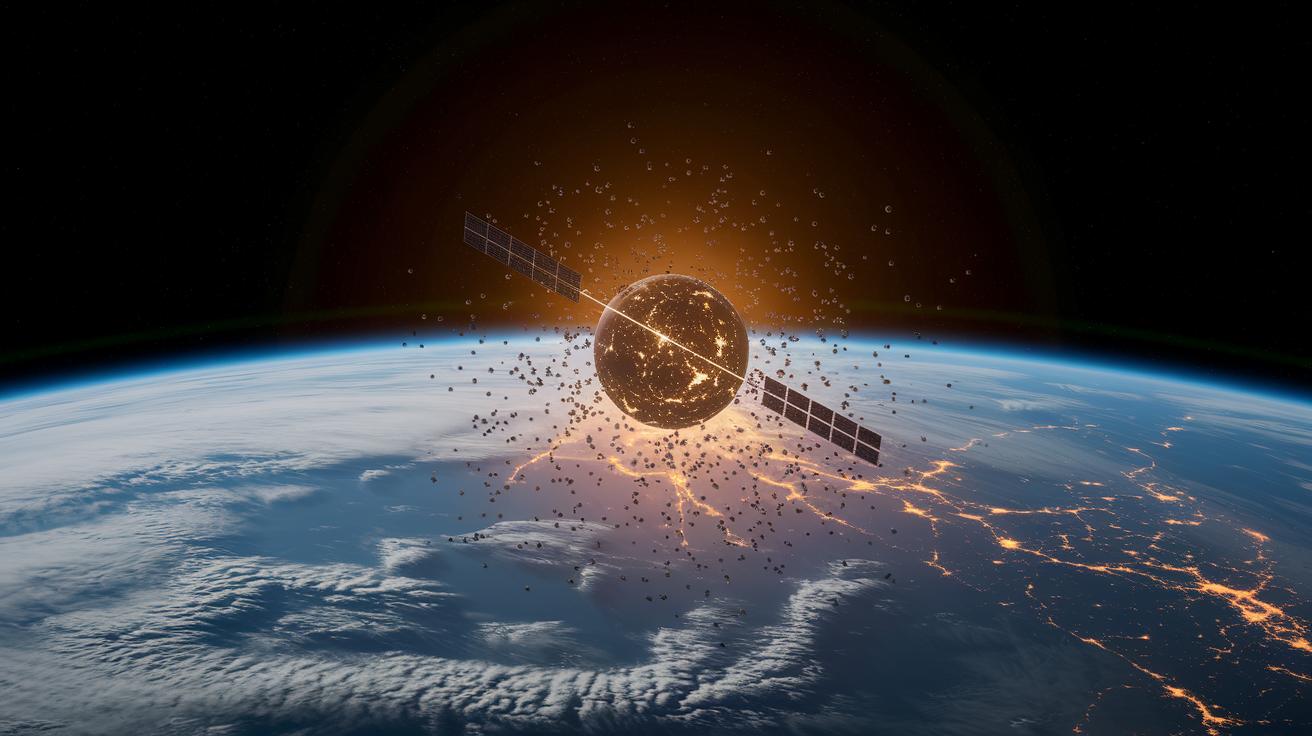
When pieces of space junk collide, it’s not just a single accident, it can trigger a domino effect. Two fragments crashing together can shatter into countless smaller pieces, a process we call the Kessler syndrome (basically, a runaway breakup that makes the space environment even messier). It’s like one small mishap setting off a chain reaction that creates even more hazards for satellites and spacecraft.
At about 800 km above Earth, the stakes really get high. There’s roughly a 10% chance that a satellite being deployed will bump into space debris. Imagine launching a satellite into a "trash zone" where one in ten encounters hits space junk, pretty wild, right? Even tiny impacts can splinter into numerous fragments, each one posing a potential threat.
A real-life example happened with Shenzhou 20’s crew on November 5, when a suspected debris hit caused delays in their return. This close call reminds us that even a single collision can have serious consequences for crew safety and mission schedules. What makes it even trickier is that about one million pieces, roughly the size of a centimeter, are so small they’re hard to spot, and their unpredictable paths make them dangerous to dodge.
Here’s a quick breakdown:
| Key Point | Implication |
|---|---|
| Kessler syndrome | Each collision can spawn more debris in a chain reaction. |
| High-orbit risks | Satellite launches face up to a 10% collision chance. |
| Small debris | Tiny fragments, though hard to detect, can be very dangerous. |
| Safety measures | Enhanced tracking and monitoring are crucial. |
Scientists and engineers are hard at work developing better ways to monitor space debris and safeguard our missions. By keeping a close eye on these tiny but mighty risks, they’re making sure our space adventures can continue safely even as the clutter above grows.
Mitigation and Remediation Strategies for Space Debris
Active solutions have already shown great results. In 2023 alone, careful removals helped deorbit about 2,000 objects, while natural drag took care of the rest. Satellites and other objects follow end-of-life deorbit protocols that work like guiding a lost toy out of a crowded room, each one is gently steered toward its proper fate instead of just floating around in orbit. For example, picture a satellite guided into a controlled descent, much like a parachute softly leading a skydiver to safety.
New capture methods are also on the rise, blending smart technologies with tried-and-true physics. Ground-based lasers are being tested to nudge tiny debris into the Earth’s atmosphere, while devices like space nets, harpoons, and electrodynamic tethers (tools that use electric currents to manage motion) are designed to grab larger, inactive objects. But every approach brings its own set of challenges. Laser-based removal, for instance, must deal with dual-use concerns since the same tech could be misused if not carefully managed, it's a bit like using a magnifying glass to focus sunlight: precise work that can get risky if misdirected.
Commercial cleanup ventures are stepping in too, with demonstration missions already showing promising results. These initiatives combine proactive cleanup methods, which snatch dangerous fragments before they spread, with passive strategies that rely on natural decay. An example of a passive approach is designing satellites so they burn up completely when re-entering the atmosphere, leaving behind hardly any pieces to track.
Each method comes with its own trade-offs. Active interventions can quickly target specific risks but usually involve complex, high-tech solutions that carry operational risks. On the other hand, passive methods might be more affordable and inherently safer but depend a lot on how atmospheric drag behaves at different altitudes. Balancing these approaches is key to making space a cleaner and safer place for everyone.
Policy, Regulation, and International Collaboration on Debris Management
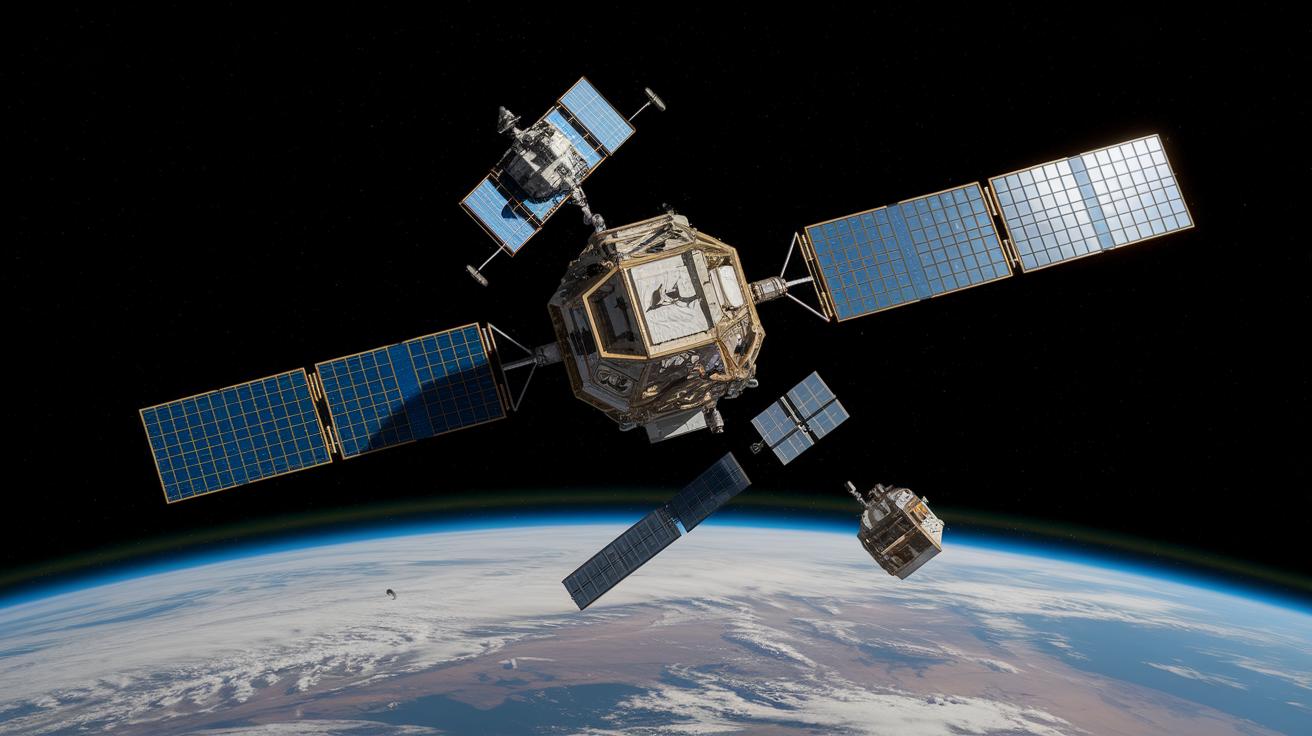
Organizations like IADC and UN COPUOS suggest that satellite operators take care of their equipment once it's done with its mission. They recommend that satellites either be deactivated or moved to decay orbits (paths that lead to a natural drop from space) to help slow the buildup of space debris.
Even with these friendly guidelines, there aren’t any strict rules yet. That means each country ends up using its own approach, which leaves debris management all over the map. Some experts even think that offering tax breaks or credits in return for solid end-of-life plans could nudge companies toward more responsible actions.
Many have also put forward the idea of a global debris registry, along with sharing real-time tracking data among space agencies and operators. With this kind of international teamwork, it would be much easier to keep an eye on all the space objects and make smart, proactive decisions to avoid collisions. In the end, clear rules and open data sharing could make space activities safer and help maintain cleaner, more sustainable orbits for everyone.
Final Words
In the action, we dived into the world of space debris, exploring its definition and scale. We broke down its origins and how fragments turn our orbit into a challenging zone. We peeked at cutting-edge tracking systems alongside efforts to stop cascade collisions. We also examined cleanup methods and global policy moves aiming to curb this issue. Each step shows how real progress in space safety can benefit everyone. There's hope in smarter approaches and collaborative efforts, making our future in orbit brighter and safer.
FAQ
Space debris tracking
The approach to space debris tracking employs tools like radar, telescopes, and laser ranging. It monitors orbiting objects to predict potential collisions and support safe satellite operations.
Space debris map
The idea behind a space debris map is to provide a visual representation of orbiting objects. It shows locations and movements to help identify risk areas and plan avoidance measures.
Space Debris game
The space debris game simulates managing orbital waste. It offers an interactive experience where players track and clear simulated debris, teaching them about the complexities of space safety.
Space debris removal
The process of space debris removal involves methods like using nets, lasers, and tethers to clear defunct satellites and fragments. This helps lower collision risks and maintain a safer orbital environment.
Space debris examples
The term “space debris” includes objects like nonfunctional satellites, spent rocket stages, and fragments from collisions. Even tiny pieces can cause great damage due to their high speeds in orbit.
Is space debris a problem
The concern over space debris highlights that accumulated orbital waste increases collision risks, which can disrupt active missions and add challenges to future space operations.
Space debris – NASA
The mention of NASA in space debris matters reflects the agency’s role in monitoring and researching debris. NASA works on strategies and technology to reduce risks for current and future missions.
Space debris solutions
The search for space debris solutions focuses on a mix of removal technologies, improved tracking methods, and international cooperation. These efforts aim to minimize collision hazards in orbit.
What is a debris from space?
The question about what constitutes debris from space points to any nonfunctional object orbiting Earth. This covers spent satellites, rocket parts, and fragments from disintegration events.
What is the 25 year rule in space?
The reference to the 25-year rule explains that satellites should be moved to a safe orbit or deorbited within 25 years after their mission ends, helping to lower space debris accumulation.
What is the current status of space debris?
The current status of space debris indicates that thousands of objects are tracked in orbit, with new fragments added regularly. This growing clutter calls for continued monitoring and protective measures.
Can space debris hit Earth?
The possibility of space debris hitting Earth exists, though most burn up during reentry. However, larger fragments can survive and pose risks, making monitoring efforts essential.