


Have you ever wondered if our world could be even smarter than we are? Picture a city where buildings fix themselves and home helpers quietly ease our daily routines. By 2050, we might be chatting with computers using only our thoughts while ordinary places burst with life.
In this article, we’re diving into five key areas that mix together to create a cleaner, healthier future. Stay with us as we explore how these breakthroughs could reshape our work, our health, and the way we live every day.
Key Forecasts for Future Tech 2050
By 2050, new technology will change our world faster than we ever imagined. Everyday places will feel almost alive thanks to AI that quietly makes our surroundings smart and ready to react. We might even see non-invasive brain-to-computer links (devices that let your mind chat with digital systems) taking over the role of our smartphones. And imagine cities built with self-repairing materials that freshen the air and tweak energy use, all making our world cleaner and healthier.
There are five big areas that will reshape how we live:
- Ambient AGI systems: Smart helpers that blend into our homes and public spaces.
- Neural interface devices: Easy-to-use gadgets that connect our brains directly to technology.
- Self-healing urban infrastructure: Buildings and roads that fix themselves with tiny, engineered materials.
- Wireless-charged autonomous transport: Roads that give electric vehicles a boost as they drive.
- AGI-driven geoengineering: Systems designed to help manage our climate, like controlling sunlight and capturing CO₂.
Each of these fields works together like parts of a puzzle, where advances in one spark progress in the next. Together, they set the stage for deep changes in our society, economy, and environment by mid-century.
AI Development Driving Future Tech 2050

From Narrow AI to AGI by 2050
Have you ever wondered how today's AI, which tackles specific tasks, might grow into systems that think almost like we do? In the near future, AI won't just be about recognizing images or translating text. Instead, imagine a smart system that helps doctors by examining patient records, advises finance experts on market trends, and even helps researchers sift through mountains of studies. It's like taking a basic calculator and turning it into an all-in-one tool that offers deep insights across many areas.
Advances in Machine Learning and Neuromorphic Hardware
Recent breakthroughs in learning algorithms and the rise of spiking-neuron chips are boosting AI performance in exciting ways. These chips mimic the way our brain cells work, which means they can respond faster and use less energy. Plus, with miniaturized AI designs, powerful machine learning is now running on everyday devices without draining much power. Think of it like the jump from bulky desktop computers to sleek smart devices that keep up with you in real time.
Ethical Framework for Future AI
As we start blending brain-computer interfaces with advanced AI, we encounter new ethical questions, especially around mental privacy and bias. When AI systems begin to mesh with the way we think, setting fair rules is more important than ever. Future policies will decide how data should be handled and ensure that everyone's rights are looked after while pushing for fair progress. Imagine a digital world where you can feel confident that your personal information is treated with care. Striking this balance is crucial if we want AI to truly benefit all of us.
Robotics and Automation in Future Tech 2050
By 2050, smart robots that move on their own are all set to change how we handle shipping and storage. In busy warehouses and during last-mile deliveries, these robots will zip around, keeping track of stock and making sure packages are delivered accurately and fast. Imagine a bustling shipping hub where agile robots scurry about, turning what used to be a hectic process into something smooth and almost effortless.
Humanoid robots and friendly robot companions are taking on important roles in eldercare and classrooms. These approachable machines will help with everyday chores and even offer warm, personalized interactions. Picture an older person getting gentle medication reminders from a caring robot, or students enjoying interactive lessons at a pace that suits them. This hands-on, friendly approach is set to make daily care and learning a lot more engaging and comfortable.
In workspaces like factories and labs, eco-friendly collaborative robots are teaming up with people to boost productivity. Here, cobots (collaborative robots designed to work safely alongside humans) help complete tasks with a focus on efficiency and environmental care. Made with biodegradable parts and energy-saving components, these machines work hand-in-hand with their human colleagues. The result? A work environment where the blend of smart technology and human talent creates safer, cleaner, and more dynamic operations.
Sustainable Energy Innovations of Future Tech 2050
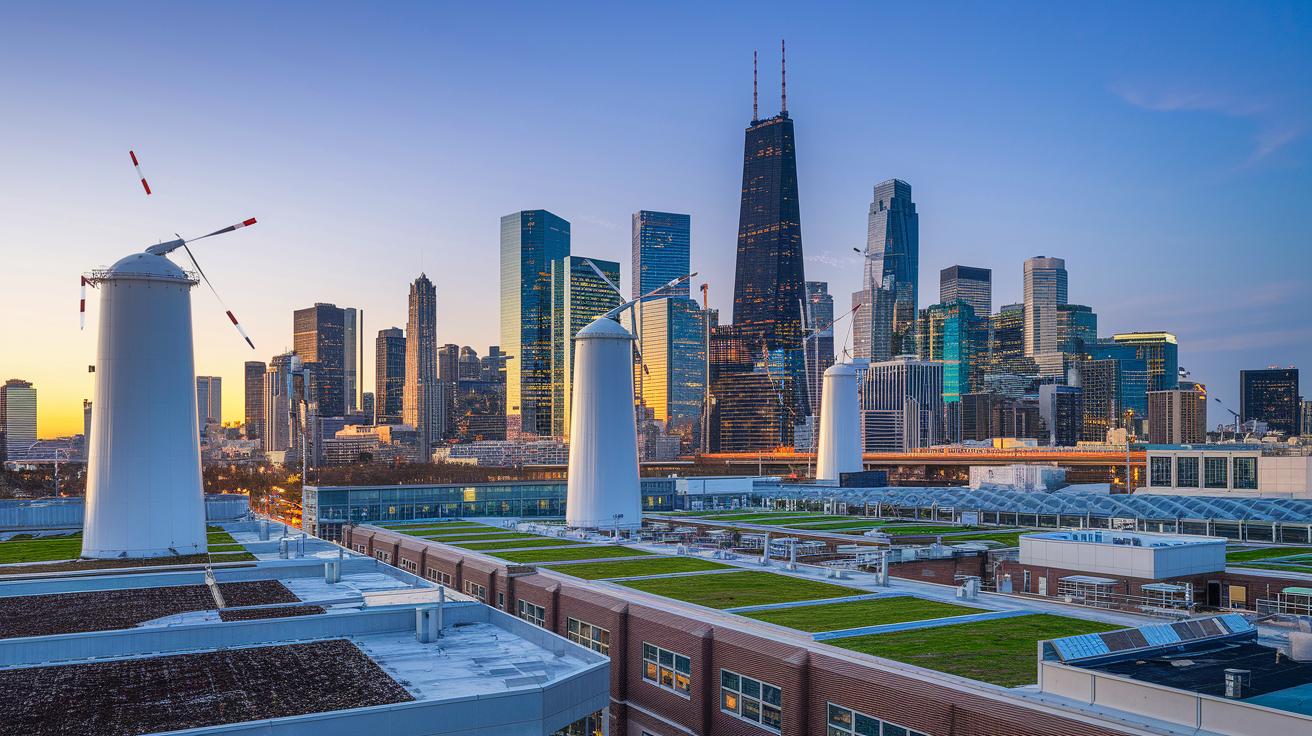
Our planet is changing fast, and by 2050, clean energy solutions will be a game changer in battling climate change. Imagine powering whole cities with energy beamed from satellites high above, while smart systems cool our air by capturing and removing CO₂. It’s not just a hopeful idea, it’s a key step in balancing our progress with taking care of the environment.
| Technology | Status by 2050 | Impact (CO₂ Reduction Potential) |
|---|---|---|
| Orbital Solar | Up and running, beaming gigawatts of clean power | Very high, with no direct emissions |
| Smart Geoengineering | Deployed worldwide, managing aerosols and capturing carbon | Big, able to remove billions of tons of CO₂ |
| Advanced Batteries | Efficient with fast charging and over 500 Wh/kg capacity | Moderate, ensuring reliable energy storage |
When these zero-carbon technologies work together, they boost our energy grid and make the switch to clean power smooth. By linking power from space, smart climate controls, and breakthrough storage solutions, our cities can both thrive and adapt to change. In truth, creating a low-carbon society is a practical goal we’re ready to reach.
Biotechnology Breakthroughs Shaping Future Tech 2050
Engineered bacteria are gearing up to help clean our oceans in a big way by munching through plastic waste like tiny living machines. Imagine these little helpers working away to clear out debris, making our coastlines healthier and keeping marine life safe. And that’s not all, genetically enhanced trees are being designed to act like super sponges, soaking up carbon at rates five times faster than regular forests. Together, these natural innovations promise a greener planet by naturally cutting down pollutants and soothing our climate.
There's also a fresh twist coming to how we produce food, thanks to synthetic biology. Scientists are turning yeast (the same one you might use in baking) into a tool for creating animal-free dairy and meat alternatives. This process uses up to 90% less land than traditional farming. Picture farmers blending specially grown yeast cultures to whip up products that taste remarkably like their conventional counterparts. This not only frees up land for other important uses but also eases the environmental strain, offering a smart, sustainable way to feed us all.
In the field of medicine, breakthroughs are on the horizon that might just transform how we heal. With the magic of 3D bioprinting (that’s like printing living tissues and organs), doctors could eventually create body parts on demand, easing transplant shortages. Meanwhile, anti-aging therapies that target the natural wear and tear of our cells could add decades to our healthy years. Just imagine a future where personalized regenerative treatments and lab-grown organs bring fresh hope to patients everywhere, radically rethinking how we approach healthcare.
Transportation and Space Tech in Future Tech 2050

Futuristic ground transportation is entering a bold new era with high-speed Hyperloop systems. Imagine cargo racing through vacuum tubes at speeds over 600 mph (miles per hour) with hardly any resistance slowing it down. This means faster and more efficient shipments, whether you're in a bustling city or a quiet rural area. It’s a change that could make our daily travel and logistics a lot smoother.
Picture this: flying taxis zipping above busy streets. These autonomous vehicles come with onboard AI (smart computer pilots) that help them glide confidently through tricky air routes. So, you can skip the never-ending traffic jams below and enjoy a fast, hassle-free ride in the sky. It's a refreshing twist on everyday travel that fits our modern, hectic lives.
Out in space, fresh ideas for transport could open up huge new possibilities. Think of missions that mine asteroids for rare metals (special elements we really need), easing the load on Earth’s own resources. At the same time, scientists are exploring how to build homes on the Moon and Mars using 3D printing (like a giant printer that builds structures) from materials found right on those celestial bodies. This blend of clever engineering with smart resource use is paving the way for a sustainable future off our planet.
In orbit, manufacturing hubs in a microgravity environment, where there’s hardly any weight, can produce materials with an accuracy that just isn’t possible on Earth. This cutting-edge process fuels advanced research and helps build components for projects both at home and beyond. By linking space-based production with efficient transport, we create a cycle of innovation that connects our world with the cosmos and sparks even more curiosity about what lies ahead.
Quantum and Computing Innovations for Future Tech 2050
Next-generation quantum processors are coming soon, and they'll help us mimic the way molecules interact. That means we could speed up finding new drugs and creating better materials. It's like switching from a rough doodle to a super-detailed, high-quality image that shows every little nuance.
New secure quantum internet protocols, plus zero-knowledge proofs (which basically let you prove something without revealing sensitive details), are set to protect our digital world, even as quantum computing challenges current security methods. And with edge-AI chips crunching advanced data on the go while using very little power, it feels like having a smart assistant right in your device. These tech breakthroughs are paving the way for a whole new era of digital safety.
Then there are digital twins, virtual replicas of real systems that keep an eye on things 24/7. This constant monitoring can cut maintenance costs by nearly half, making everything from healthcare to manufacturing run smoother and more efficiently. Altogether, these innovations are charting a course toward a digital future that's as smart as it is secure, touching every part of our lives.
Urban and Digital Ecosystems in Future Tech 2050
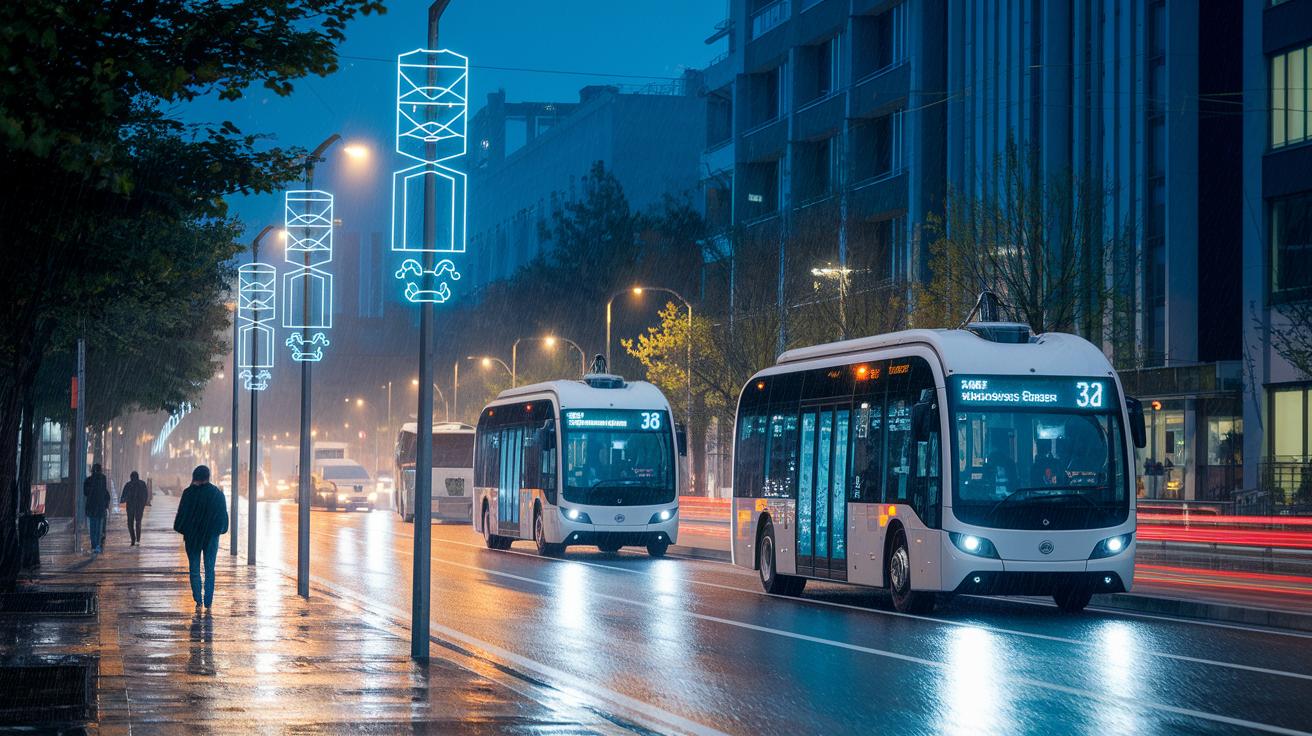
Imagine walking through a city where hidden sensors keep an eye on things like energy use and air quality. These smart networks adjust themselves in real time, tweaking lights and ventilation to ensure the air stays fresh while energy is used wisely.
Now, picture roads and sidewalks that come with built-in wireless power mats. These mats can recharge autonomous electric vehicles as they move along, meaning your car effortlessly gets a battery boost without needing to stop. It’s a practical twist that makes daily commutes feel much smoother.
Consider a digital twin of the entire city, a virtual model that mirrors real-world conditions. City planners can use this digital copy to manage traffic, coordinate emergency responses, and fine-tune infrastructure on the fly. It’s like having a real-time playbook that prepares the city for any unexpected event.
Finally, think of over 50 billion connected devices, all talking to each other through the Internet of Things framework. From streetlights to park benches, everyday objects will share information to help create public services that flex and adjust according to our needs. This blend of digital smarts gives our cities a new level of safety and responsiveness.
Final Words
In the action, we traveled through a vivid landscape of new AI, smart robotics, clean energy breakthroughs, biotech strides, and digital innovations. We unpacked how these innovations merge to shape practical, smarter living.
Every piece plays a role in building a clearer picture of future tech 2050, sparking ideas and fresh perspectives. Thinking about where these trends lead keeps our spirits high and curiosity alive as we embrace a world of ever-advancing technology.
FAQ
What are the key predictions for future tech 2050?
The key predictions for future tech 2050 suggest a world where ambient intelligence, neural interfaces, and self-healing urban systems reshape everyday life, transforming how we work, live, and connect.
What are some future tech 2050 inventions?
The future tech 2050 inventions include brain-computer interfaces replacing smartphones, eco-friendly robotic helpers, smart roads with built-in wireless charging, and metabolic cities using nano-engineered materials for cleaner air.
How will the world and map of 2050 change?
The vision for 2050 Earth features widespread digital integration and renewable energy systems that redefine national borders and urban planning, creating a world map marked by sustainable cities and advanced technology grids.
How can I write a future technology 2050 essay?
A future technology 2050 essay details emerging innovations like AGI, neural devices, and hyper-efficient energy systems using vivid examples to show how these advances will reshape society and improve daily life.
What are the top predictions for 2050?
The top predictions for 2050 highlight ambient AGI systems, neural interfaces, self-healing infrastructure, smart transport solutions, and renewable energy breakthroughs that offer practical benefits and everyday improvements.