


Have you ever stopped to think that a single keen observation might change your neighborhood? Citizen science lets you turn everyday moments into real research.
Imagine stepping outside and taking note of how raindrops fall or listening to a nearby bird sing. Every little detail you record helps build a better picture of the world around you.
Your small contribution can make a big difference in understanding and caring for our community. So why not join a group that makes local efforts spark smarter, homegrown science?
Citizen Science Projects: Spark Active Local Impact
Citizen science projects let you dive right into science work that begins in your own neighborhood. You can literally help gather and study data on things like weather, wildlife, or even the stars. Imagine stepping outside with your smartphone and noting down how the rain falls in your area, small actions like these really add up in big studies.
When you join a project by signing up online or downloading its app, you're joining a community of curious folks. They often offer quick lessons so you can learn the best ways to observe nature. Soon, everyday activities become a fun way to support research in your own community. And if you're curious, you can explore open science for more on how people work together on these projects.
To get started, follow these simple steps:
- Pick a project that interests you and fits where you live.
- Set up an account on the project’s website or install its app.
- Finish any short training or tutorial.
- Do your observations or experiments using the given guidelines.
- Share your data and check out what others have to say.
Sticking with it turns tiny observations into lasting change, building a network where every little piece of data adds to our bigger picture of the world.
Environmental Monitoring Citizen Science Projects
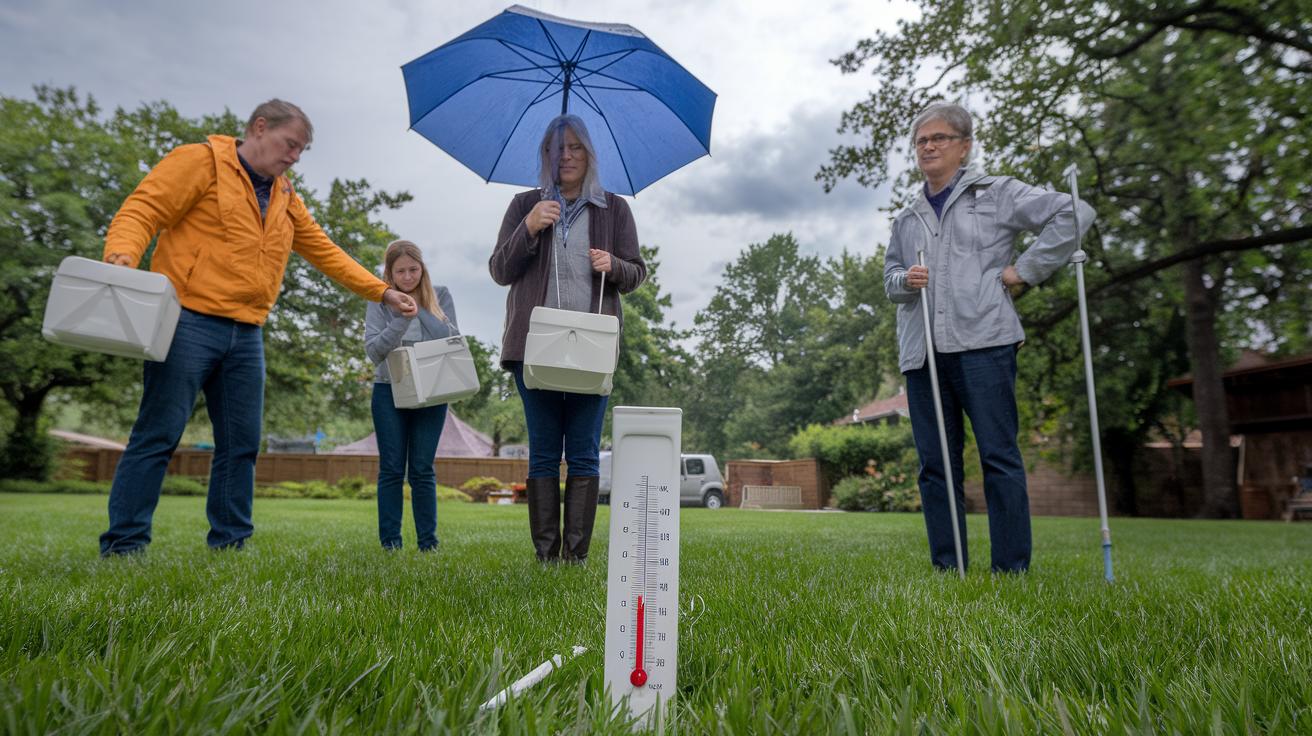
Volunteer-led freshwater projects like CoCoRaHS and GLOBE invite regular folks to step outside and record local weather and water quality details. Imagine heading out to your favorite park or even your backyard, armed with simple tools to measure rain, temperature, or water clarity. You might watch a sudden shower, jot down how much rain fell, or test water pH levels after a sunny spell. Each of these small observations builds a big picture that helps scientists track weather trends, monitor water conditions, and catch early hints of environmental change.
In addition, insect monitoring projects add another rich layer to the mix. Initiatives such as Bumble Bee Watch and Monarch Watch ask volunteers to note everyday encounters with bees, butterflies, and other important insects. Picture yourself spotting a lively swarm of butterflies around a blooming flower or a busy bee hopping from one blossom to the next. Sharing these moments lets researchers see patterns in insect populations, learn about habitat health, and shape efforts to protect these little heroes of our ecosystem.
Astronomy Observation Citizen Science Projects
Every evening, curious people join a global effort to watch the skies. Initiatives like Globe at Night invite volunteers from all over the world to count the stars they see. By simply looking up and noting the stars, you're helping track how light pollution changes over time. It's pretty neat to think that basic observations can reveal big environmental shifts.
These projects are all about mapping light pollution. Volunteers share the number of stars they count in their area, which helps scientists see how city lights affect our night skies. Together, these collected observations create a clear record of the glow over both city streets and quiet country areas.
Another way to get involved is through crowdsourced astrophotography analysis. For instance, the Milky Way Project has volunteers look at images from the Spitzer Space Telescope. Participants identify cool features like infrared bubbles (glowing areas caused by dust and gas) and dark filaments, offering fresh clues about how stars form and galaxies develop. It turns an ordinary evening into a fun dive into the mysteries of our universe.
Biological and Ecological Citizen Science Projects
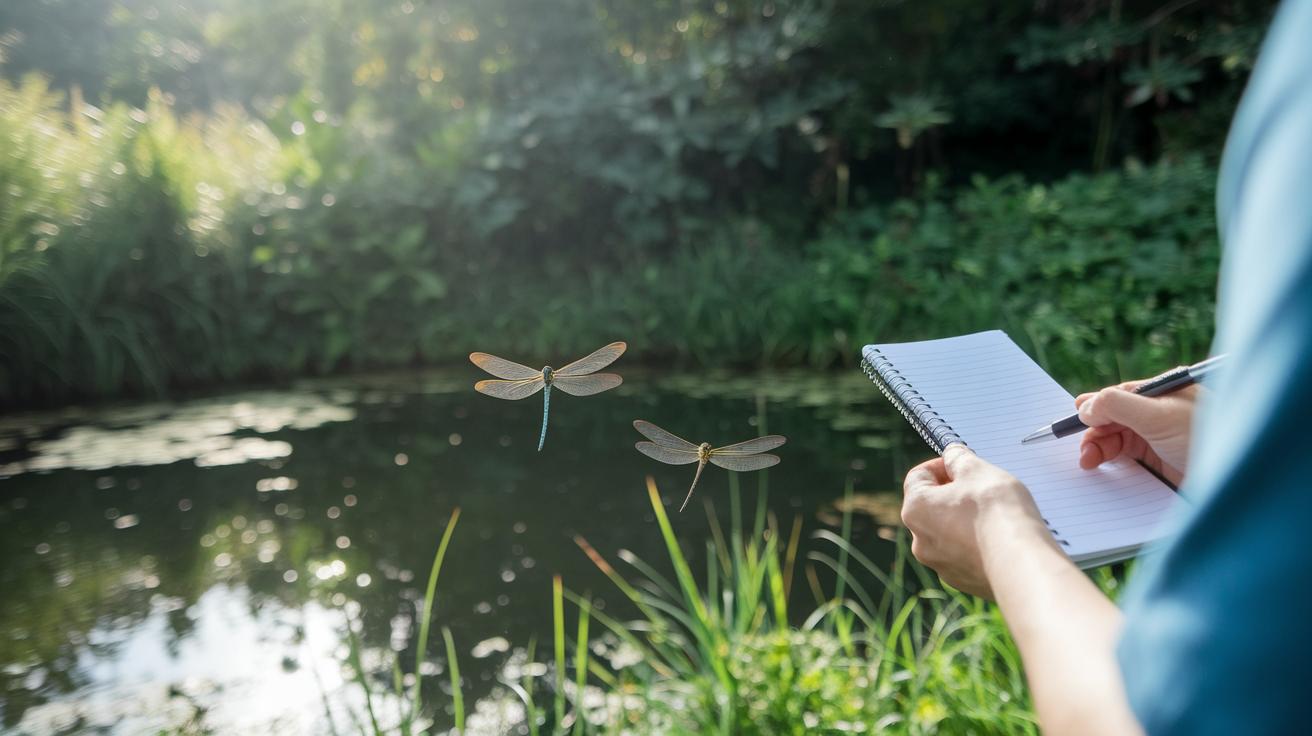
Ecological projects let you get up close with nature by collecting simple data on both land and water. They invite everyday people to make small observations that help scientists track changes in the environment. Whether you notice a bird’s flickering wings or catch the gentle sounds beneath the waves, each bit of data helps piece together the big, beautiful picture of our natural world.
Insect Monitoring Initiatives
Have you ever stopped to watch a swarm of dragonflies? The Dragonfly Swarm Project does just that by gathering reports from volunteers in over 16 countries. Each sighting, no matter how quick, helps create a global map of how these lively insects move over time. Meanwhile, Monarch Watch asks community members to record when and where they see these delicate butterflies and note changes in their life cycles. Together, these projects collect heaps of data that let scientists spot trends in insect migration and seasonal patterns.
Marine and Aquatic Monitoring
Coastal studies invite you to explore another side of nature. Whale.FM encourages you to listen for the sounds of killer and pygmy whales and record these moments with precise time stamps. By doing so, you help build a unique archive of underwater chatter that scientists use to better understand marine communication. At the same time, the Big Seaweed Search brings coastal enthusiasts together to record sightings of 12 different seaweed species across the UK. These observations are key for tracking shifts that could be tied to climate change or the spread of new species. Each simple note you make, whether on land or by the sea, adds to an important pool of information for ecological research.
Digital Platforms for Citizen Science Projects
Digital research websites are like buzzing community centers where everyone can explore citizen science projects. Sites such as The Resource Depot offer hands-on learning tools, creative project ideas, and guides for teachers that help students and community members build practical skills. On these platforms, scientists and enthusiasts share simple, step-by-step methods, turning tricky data tasks into everyday activities. I remember a 2013 campaign that introduced a new project each month, it really got people excited and made science feel reachable for all.
Education sites and blogs also lend a hand by curating project lists and detailed lesson plans. For instance, a post titled "20 Citizen Science Projects for Students of All Ages" gives clear instructions and fun activities that turn learning into real-life adventures. These digital spaces not only introduce fresh ways to gather data but also create supportive communities where novices and experienced citizens exchange ideas and contribute to public research in a meaningful way.
Final Words
In the action, this article explored how everyday contributions are vital across diverse fields, from environmental monitoring and astronomy observation to biological and digital platforms. We looked at how participating in citizen science projects empowers enthusiasts to support practical research and broaden scientific understanding.
The blog post broke down clear steps for getting started and highlighted exemplary initiatives making a positive impact on science. Stay curious and motivated, every observation brings the world of science a bit closer to your hands.
FAQ
What citizen science projects are near me?
The citizen science projects near you typically include local environmental monitoring like water quality checks and wildlife counts. These projects let you capture observations in your area and work with community scientists.
How do citizen science projects for students and kids work?
The citizen science projects for students and kids offer fun, hands-on research experiences that combine simple experiments, nature observations, and online modules to engage young minds in real-world science.
What is a list of citizen science projects or the top 10 science projects?
The list of citizen science projects, including top science projects, spans various fields like astronomy, ecology, and weather tracking, giving you a range of options to match your interests and skills.
How can I join free citizen science projects?
The free citizen science projects let you join without any fees. They are hosted on online platforms that cover topics such as space observation, environmental testing, and animal tracking, making science accessible for everyone.
How do citizen science projects from home or online work?
The citizen science projects from home or online use digital tools and apps to collect data. These projects range from image classification to environmental surveys, so you can contribute without leaving your house.
What do citizen science projects in astronomy involve?
The citizen science projects in astronomy typically involve counting stars, mapping light pollution, or classifying space images. They help researchers study star formation and galactic structures using community-collected data.
What is a real world example of citizen science?
A real world example of citizen science is the Globe at Night project, where volunteers count visible stars to map light pollution, contributing important data that supports environmental research.
What is the purpose of a citizen science project?
The purpose of a citizen science project is to involve everyday people in collecting and analysing real-world data, which helps researchers with large-scale studies while increasing public engagement in science.
What is the largest, longest running citizen science project in the world?
The largest, longest running citizen science project is often seen as a comprehensive weather network where volunteers provide detailed weather observations over many years, greatly aiding climate research.