


Have you ever thought that a video call with your doctor might replace a long, tiring drive to the clinic? Thanks to cool digital tools, getting care is now a lot faster and easier. Smart devices and handy phone apps help bring better check-ups with less waiting, no matter where you live.
In this post, we'll show you how digital health innovations are leading to better results for patients every day.
digital health innovations Landscape Today
Digital health innovations are completely changing how we experience healthcare. They come in ten useful solution groups that help both doctors and patients along every step of the way. Think about it: before remote monitoring, people living in small towns or remote areas had to travel long distances just for a routine follow-up. Today, digital tools make that kind of hassle a thing of the past.
Here’s a neat list of what these innovations include:
- Telemedicine
- Remote Patient Monitoring
- Electronic Health Records (EHRs)
- AI in Diagnostics & Drug Development
- Wearable Health Devices
- Mobile Health (mHealth) Apps
- Online Pharmacies
- Value-Based Care Models
- Administrative Automation
- Next-Generation Innovations
These tools offer clear benefits. Take telemedicine, for example, it lets you meet with a doctor safely from your home, even if you live far away. Remote Patient Monitoring pulls in real-time data from devices like smartwatches, which helps catch any issues early. Digital health records ensure that doctors have quick access to important details, reducing mistakes. And AI steps in to help speed up tests and customize treatments just for you. In simple terms, these digital wonders are improving care and making the whole system run smoother.
The impact on the market is huge too. Investments in digital health keep growing, and predictions show that the global market for wearable devices could hit $38.9 billion by 2026. That means hospitals and clinics will not only work better but might also see some cost savings. With innovative software and patient-focused care on the rise, we’re headed toward a future where healthcare is more affordable, effective, and personalized.
Telemedicine Advancements in digital health innovations
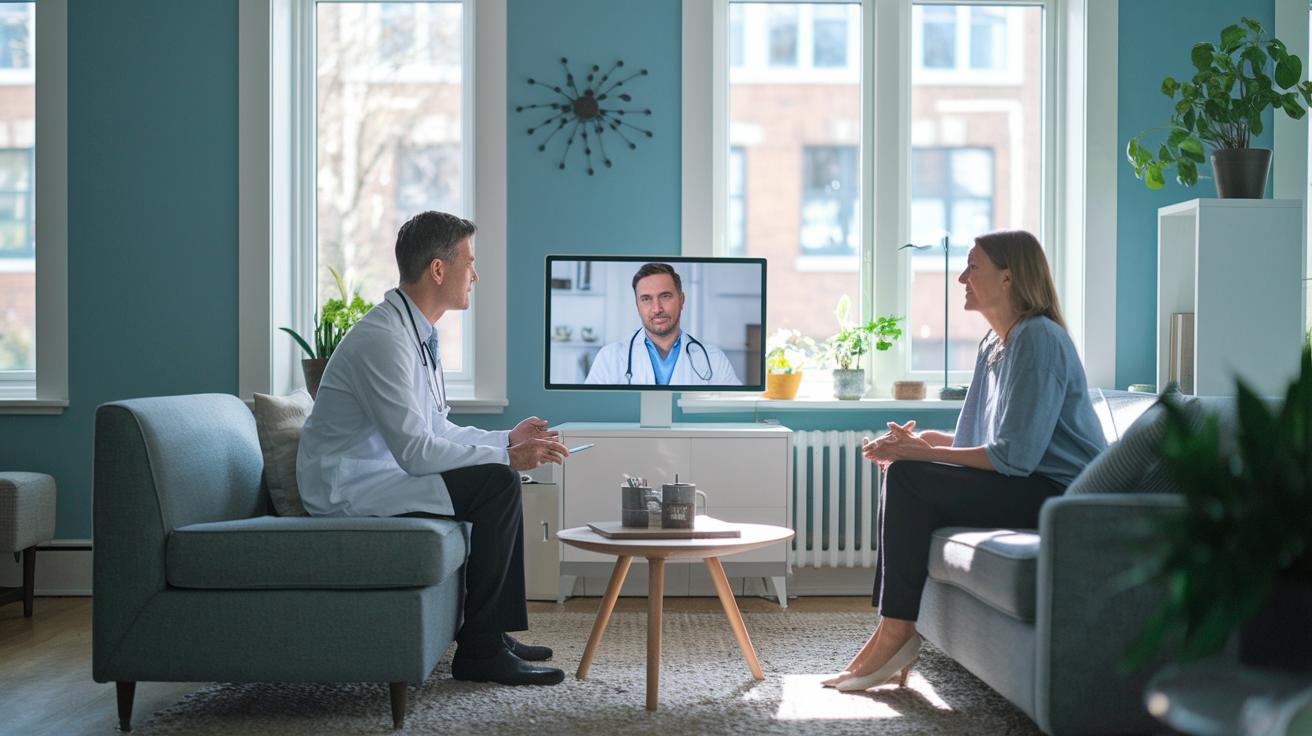
Telemedicine is changing how we get healthcare by making it easier and more accessible for everyone. It lets patients talk to their doctors through video chats and secure messages, which is a big win, especially for folks living in remote or underserved areas. Imagine not having to drive long hours just to see a clinician, now you can do it all from home. It’s a fresh take on care that slashes travel time and helps manage long-term conditions better.
One cool part of this tech revolution is how different tools work together. For example, there are systems that let you send information ahead of time (like pictures for skin checks or scans for radiology) so the specialist can review them when it suits their schedule. Meanwhile, virtual care platforms link up with digital health records to keep everything organized. It’s kind of like having your medical notes neatly arranged on your computer, making it easier for the doctor to know your story at a glance.
Investing in better telehealth technology and faster networks is key to keeping these high-quality video chats and secure exchanges running smoothly. As hospitals and clinics continue to upgrade their digital setup, more people are choosing remote consultations, even those that aren’t live at the same time. This steady growth means telemedicine is here to stay as an essential part of patient-focused care.
AI-Powered Diagnostics in digital health innovations
AI is changing the game when it comes to diagnosing and treating illnesses by making everything faster and more accurate. Smart systems, like machine learning models, can now detect conditions such as neurodegenerative diseases earlier by looking at images and clinical data. This means that in clinics and labs, decisions can be made quicker, cutting down on the delays we once faced with standard tests.
AI is making its mark throughout healthcare. For example, clinical decision support platforms help plan care that fits you just right, while AI-driven microbiome profiling gives insights for treatments made to order. There's also the GAMAT automated mobility assessment, which uses computer vision and LiDAR (tech that uses lasers to sense the world) to check patient movement better than hands-on methods. Even Cornell’s mental health tool is using machine learning to track symptoms in real time. Below is a table highlighting some of these key innovations:
| Innovation | Application | Key Benefit |
|---|---|---|
| Machine Learning Models | Detect neurodegenerative diseases | Early diagnosis |
| Clinical Decision Support | Personalized care planning | Accelerated diagnosis |
| AI Microbiome Profiling | Therapy development | Customized treatments |
| GAMAT Assessment | Mobility evaluation | Enhanced accuracy |
There are hurdles too. Adding these new tools into existing healthcare systems can be tricky because of technical challenges and rules that need to be followed. But the rewards, better patient outcomes, fewer uncertainties in diagnosis, and more personalized care, are drawing support from many healthcare professionals. As these technologies get better and regulations adapt, AI-powered diagnostics are bound to play a big role in shaping the future of patient care in truly exciting ways.
Wearable Device Evolution in digital health innovations
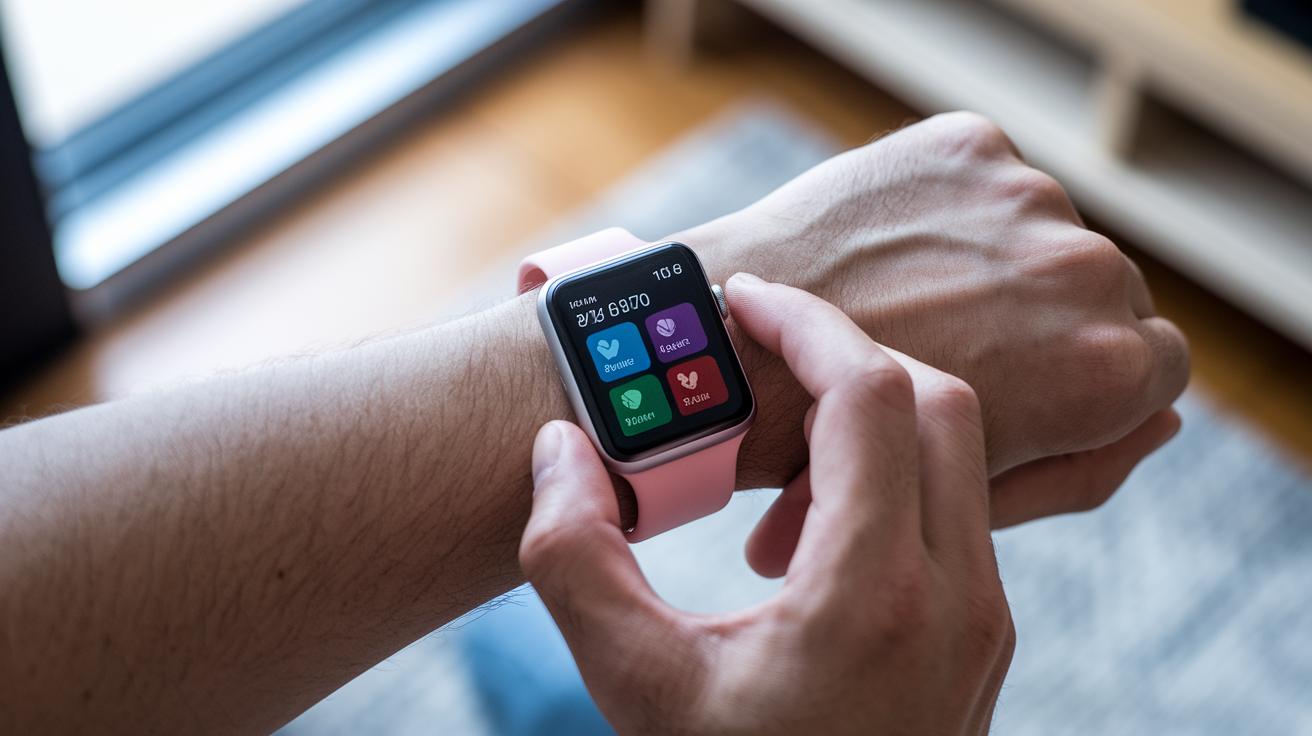
Every day, a range of wearables helps us keep an eye on our wellness. Think about how smartwatches and fitness bands check your heartbeat, track your steps, and even monitor your sleep as you go about your day. They also come with sensors that continuously record things like blood pressure, blood sugar (the amount of sugar in your blood), and oxygen levels, making it easier for doctors to watch over your health from a distance.
Then there are the specialized devices that take health tracking a big step further. For example, some smart insoles use AI (artificial intelligence, which is like a computer’s brain) to help lower the risk of diabetes-related amputations for over a million people each year. Other clever gadgets, from glucose monitors made just for diabetes to orthopedic insoles that help with foot issues, give doctors more specific details about a patient’s condition than ever before.
The future looks bright for these innovations. Market experts predict that the global scene for wearable health tech could hit nearly $39 billion by 2026. Thanks to advances like cost-effective sensor patches produced using 3D printing (a method of making three-dimensional objects layer by layer), these devices can now be personalized to fit individual needs. As design becomes more adaptable and manufacturing gets even smarter, we’re on track to see better patient care and a healthier world.
Remote Patient Monitoring and mHealth Applications in digital health innovations
Today’s healthcare uses smart gadgets and mobile apps to keep track of our well-being. Imagine wearing a watch that checks your heart rate or tracks your steps, while an app helps you remember your medicines or monitors your exercise. These devices send their data straight to dashboards that doctors use to see how you’re doing. It’s like having a personal health helper that lets you check for signs of diabetes or high blood pressure right from your phone. And yes, there are even apps that can spot heart issues or tell you if you’re not sleeping well, all in real time.
| App Name | Primary Function | Active Users |
|---|---|---|
| Omada Health | Chronic disease management | 500,000 |
| MyFitnessPal | Nutrition and fitness tracking | 200,000,000 |
| HeartSafe | Arrhythmia detection | 600,000 |
| SleepWell | Sleep pattern analysis | 1,200,000 |
These connected tools do more than just show numbers. They help ensure patients follow their treatment plans, catch issues early, and reduce surprise trips to the hospital. When you get alerts about something unusual in your data, it can prompt a quick visit to your doctor. This way, monitoring turns into a smart, proactive way of managing your health. As we move toward more personalized care, this teamwork between you and your provider leads to safer and more efficient treatments that truly make a difference in everyday life.
digital health innovations: Optimizing Patient Outcomes

Cloud-hosted electronic health records (EHRs) act like a secure digital locker for patient files, turning a confusing jumble of paper trails into a neat, organized library. This means doctors and nurses can check a patient’s full history right when they need it, closing the gaps that often pop up when data is spread out. When everything is stored in one place, every caregiver can see the whole picture and work together more smoothly.
Built-in analytics dashboards gather info from different sources to help track health trends in the community and see how treatments are working. Automated routines handle routine tasks like scheduling, billing, and record-keeping, lightening the load on busy healthcare teams. This switch to smart systems not only saves time but also reduces mistakes, letting professionals focus on taking great care of patients.
Standards like FHIR and HL7 (rules for sharing health data) form the backbone of smooth information exchange. They help different systems talk to each other and share data easily across many tools. But connecting shiny new platforms with older systems still can be tough, and keeping up with strict data rules remains a challenge for providers as they build more connected and responsive healthcare solutions.
Security and Regulatory Considerations for digital health innovations
Rules and guidelines really shape how digital health innovations are built. For example, the FDA device classification and sticking to HIPAA compliance (privacy rules) steer how these products are created. Every new device or piece of software must meet clear standards, which means teams spend a lot of time testing and tweaking before anything hits the market. This careful process is all about making sure patient safety and legal standards come first, even if it takes extra time and money, whether you’re a startup or a big company.
Cybersecurity is another must-have ingredient in digital health. Techniques like encryption (a way to scramble data so only the right people can read it) protect sensitive information both when it's stored and when it's moving around. Multi-factor authentication and breach notifications add extra layers of safety by keeping out unauthorized access. But when different systems don’t follow the same security steps, it can make sharing information tricky. Because of these challenges and the need to stick to strict privacy rules, tech providers must keep updating their methods and work closely together to keep digital health solutions safe and secure.
digital health innovations: Optimizing Patient Outcomes

More money is flowing into health-tech startups, and investors are taking note of smaller companies that quickly point to clear improvements in patient care. They love agile firms that fill real care gaps with smart ideas. New ways of funding have entrepreneurs buzzing with excitement, these fresh models help bring products to life that boost care while keeping costs down. In short, this influx of capital is speeding up the roll-out of digital tools that promise healthcare that’s faster, more personal, and more effective.
Schools and tech companies are teaming up like never before. Researchers are partnering with tech firms to shorten the time between a rough prototype and a practical solution. Ever been to conferences like HLTH or Health 2.0? They’re vibrant meet-ups where experts gather to showcase emerging solutions like telemedicine (doctor visits over the internet), virtual reality treatments, and even blockchain (a way to keep data super secure). These events mix different ideas, spark creative partnerships, and help solve challenges like scaling up projects or handling intellectual property.
Experts believe we’re on the brink of significant change in digital health. They see a future filled with virtual clinical trials, smarter AI (advanced computer programs), and expansive digital health ecosystems that tie everything together. Think of virtual reality therapies pioneering new ways for patient rehab, or blockchain stepping up to keep health data extra safe. New tech will soon allow different systems to work together effortlessly, helping doctors get more done while keeping patients engaged. As these innovations grow, the future of digital health promises real benefits for both patients and their care teams.
Final Words
In the action of reshaping healthcare, our post broke down key categories like telemedicine, AI-powered diagnostics, innovative wearables, remote monitoring, cloud platforms, and security considerations.
We explored how digital health innovations drive clinical improvements, streamline operations, and spark market growth while making care more patient-friendly.
The discussion reveals a future bright with growing investments and breakthrough tech that continues to redefine care. Stay encouraged by the momentum behind digital health innovations and the positive change they bring.
FAQ
What are examples of digital health solutions and technologies?
The digital health offerings include telemedicine, remote monitoring, EHRs, AI in diagnostics, wearable devices, mHealth apps, online pharmacies, value-based care models, and automation that enhance patient care and data management.
How does digital health support overall wellness?
Digital health supports wellness by providing personalized tools, remote care options, and continuous monitoring that empower individuals to track and manage their health effectively.
What defines a digital health system and what tools does it include?
A digital health system organizes patient data using electronic records, mobile apps, and connected devices to streamline care delivery and improve communication between patients and providers.
What are common challenges in digital health?
Digital health faces challenges like data security, interoperability issues, inconsistent protocols, and integration hurdles that can complicate seamless care and effective data exchange.
Who offers digital health courses?
Digital health courses are available through universities, specialized institutes, and online platforms that provide training in digital tools, health data management, and regulatory standards.
What do digital health innovations and trends include?
Digital health innovations include AI-driven diagnostics, telemedicine, wearable technology, and automation, while trends emphasize expanding access, personalized care, and growing market impact.
What is a digital health PDF?
A digital health PDF is a document outlining guidelines, research, and updates on digital health tools and systems, serving as a quick-reference resource for professionals.