


Ever thought about nature itself powering our lives? Renewable energy is like a relay team where wind, sunlight, and water each take a turn. They work together, generating, storing, controlling, and transmitting power, like pieces of a puzzle that fit perfectly to meet our everyday needs. Big projects using these natural forces show us that this way of powering our world is not only smart but also a bright, sustainable choice for the future.
How Renewable Energy Systems Work: Core Components
Renewable energy systems are like a well-oiled team working together to gather, hold, control, and share clean power. Big names like RES have shown how strong these setups are by bringing more than 18 GW of projects to life around the globe. Imagine a network where natural forces such as wind and sunlight get turned into energy you can actually use, that's the magic behind modern renewable systems.
At the core of these systems is a building-block approach. It’s like putting together a high-tech gadget piece by piece, where every part has its unique job to keep things running smoothly. Think of the process like a relay race, where each step hands the baton along seamlessly from one stage to the next.
| Component | Function |
|---|---|
| Generation | Grabs energy from natural sources like wind and solar |
| Storage | Keeps extra energy in batteries or other media for later use |
| Control | Manages the flow of energy with smart systems that keep supply and demand in balance |
| Transmission | Sends energy from its source to our homes, businesses, and communities |
By weaving these elements together, renewable energy systems form a smooth and reliable network that meets our daily power needs in a sustainable way. Isn’t it fascinating how nature and technology work hand in hand to light up our world?
Comparing Renewable Energy System Types: Solar, Wind, Hydro, Biomass, Geothermal
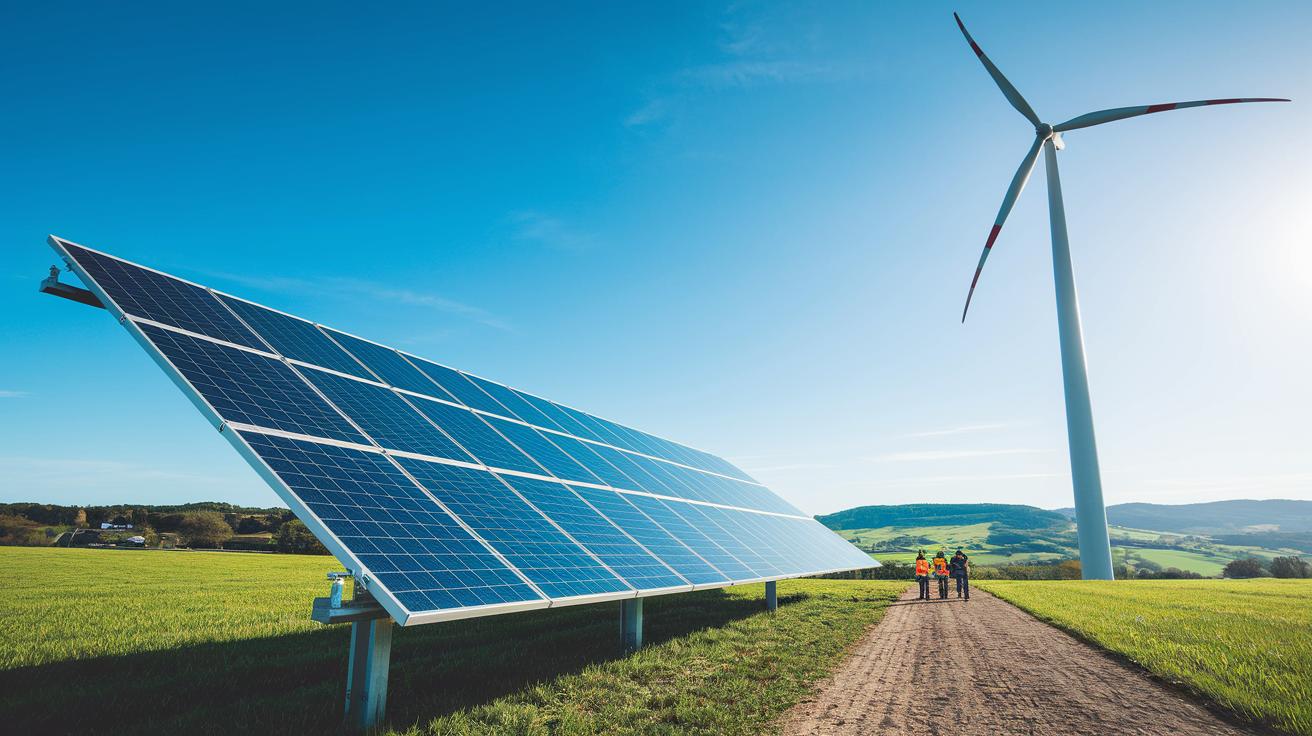
Renewable energy systems come in many flavors, each built to suit different places and needs. Think about solar panels that catch sunlight from both sides, working hard even during chilly winters, or wind turbines fine-tuned with smart oil checks to perform better. Every option, solar, wind, hydro, biomass, and geothermal, has its own set of benefits and challenges. Experts often chat about how to boost performance at forums and webinars, sharing tips on everything from improving turbine parts to using magnets for extra efficiency.
| Type | Capacity Range (MW) | Efficiency (%) | Typical Applications |
|---|---|---|---|
| Solar | 1-300 | 15-22 | Residential arrays, commercial installations, off-grid systems |
| Wind | 2-500 | 30-45 | Onshore wind farms, offshore turbine installations |
| Hydro | 1-200 | 80-90 | Small run-of-river projects, large dam-based stations |
| Biomass | 1-50 | 20-30 | Local heating, electric generation in industrial settings |
| Geothermal | 1-100 | 10-20 | Direct heating, power plants near geothermal hotspots |
When you line these systems up next to each other, it’s clear that each type taps into local resources and meets specific regional needs. Solar arrays, for example, provide flexible options that can work even when the light isn’t perfect. Wind systems benefit from little upgrades, like improved shafts that help them run smoother. Hydroelectric setups shine with high efficiency, while biomass plants offer localized energy that fits community needs. Meanwhile, geothermal systems use the earth’s natural heat to generate power in specific areas. Together, these methods give communities a balanced toolkit to create clean, resilient energy grids that work in a variety of settings.
Energy Storage Solutions in Renewable Energy Systems
Energy storage is like having a backup battery for clean energy. It saves power from the sun or wind when there’s more than needed and then releases it when nature isn’t as generous. For instance, companies like RES have already signed up for 1.5 GW of storage-backed power plans, making sure that energy is available when you need it, day and night.
Modern storage relies on smart battery systems and flow technologies (which use moving fluids to store energy). Think of it as having a battery that just keeps on going or a system that works like a gentle current, steadily saving energy. These setups are built to handle heavy charge cycles safely and offer a reliable burst of power when regular supplies fall short. It’s like having a quiet helper behind the scenes that keeps everything running smoothly.
Smart monitoring paired with microgrid management keeps an eye on how energy is used. New systems come with sensors and digital controls that track each bit of energy in real time, adjusting the flow as demand changes. During outages or high-demand moments, microgrids can even take charge on their own, ensuring you don’t lose power. In this way, our energy network stays balanced, flexible, and ready for an ever-changing world.
Design and Integration Best Practices for Renewable Energy Systems
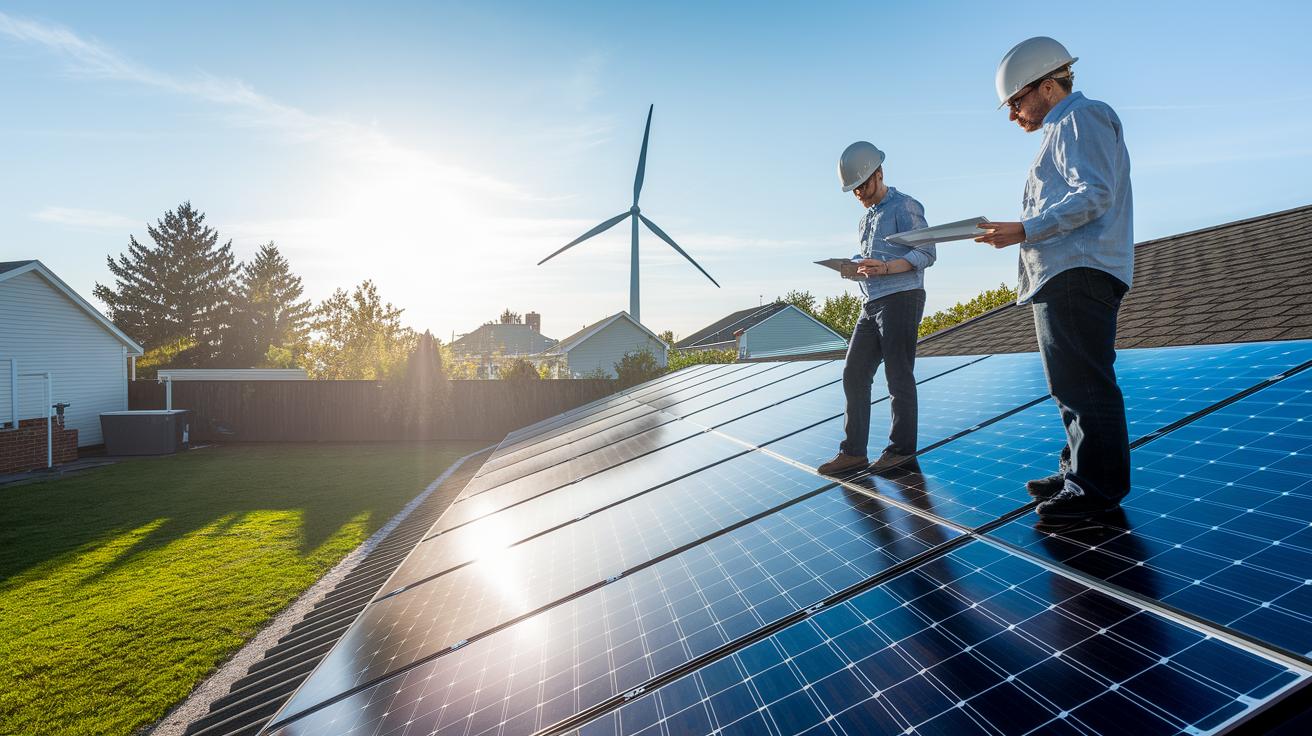
Creating a renewable energy system that really works starts with solid planning. Think of it like checking out your backyard before planting a garden, you want to know exactly how much sun or wind the spot gets. That way, you can size the system perfectly to match your energy needs. Experts team up with you to choose the right parts for your setup, whether you're working off the grid or staying connected. It’s a bit like picking the best pieces for your favorite gadget so everything fits just right. Keeping in touch with the pros also means your project stays in line with all the current rules.
Installation and follow-up care are just as important. Skilled electricians, certified by NABCEP, handle off-grid and emergency backup setups with care, always making sure every detail meets safety standards. A well-planned layout, neat wiring, and securely mounted components, imagine building a finely tuned machine, are key to a reliable system. Regular tasks, like cleaning panels and checking inverters, help keep everything running smoothly. Scheduling these routine check-ups not only makes your equipment last longer but also keeps surprises at bay. By taking these steps, you create a renewable energy solution that stays efficient and blends modern technology with time-tested methods for a bright, sustainable future.
Cost-Benefit Analysis for Renewable Energy Systems
When you’re mulling over renewable energy for your home or business, it’s all about those upfront costs and the incentives that come with them. For example, many homeowners might pay roughly $3.00 per watt, while larger commercial projects usually run about $2.50 per watt. And thanks to tax credits and government subsidies, these savings can really add up over time.
In places where energy bills are sky-high, think Alaska, where prices in big cities are double the national average and remote areas can be even steeper, getting a custom solar quote might work out far better than standard neighborhood installations. Models show that local incentives and specific energy needs play a big role in how soon you can recoup your investment. Even small tweaks in cost or incentive percentages might mean saving years of expenses!
| Metric | Home Systems | Business Systems |
|---|---|---|
| Upfront Cost ($/W) | $3.00 | $2.50 |
| Tax Credits / Incentives | 26% + regional subsidies | 20% + commercial grants |
| ROI Payback Period | 5-7 years | 4-6 years |
These numbers highlight why it’s important to look at every detail when planning your installation. If you’re curious about how these factors impact your solar savings, take a peek at the "solar energy pros and cons" page to see how a tailored quote can really shift the bottom line.
Industry Trends and Future Outlook for Renewable Energy Systems
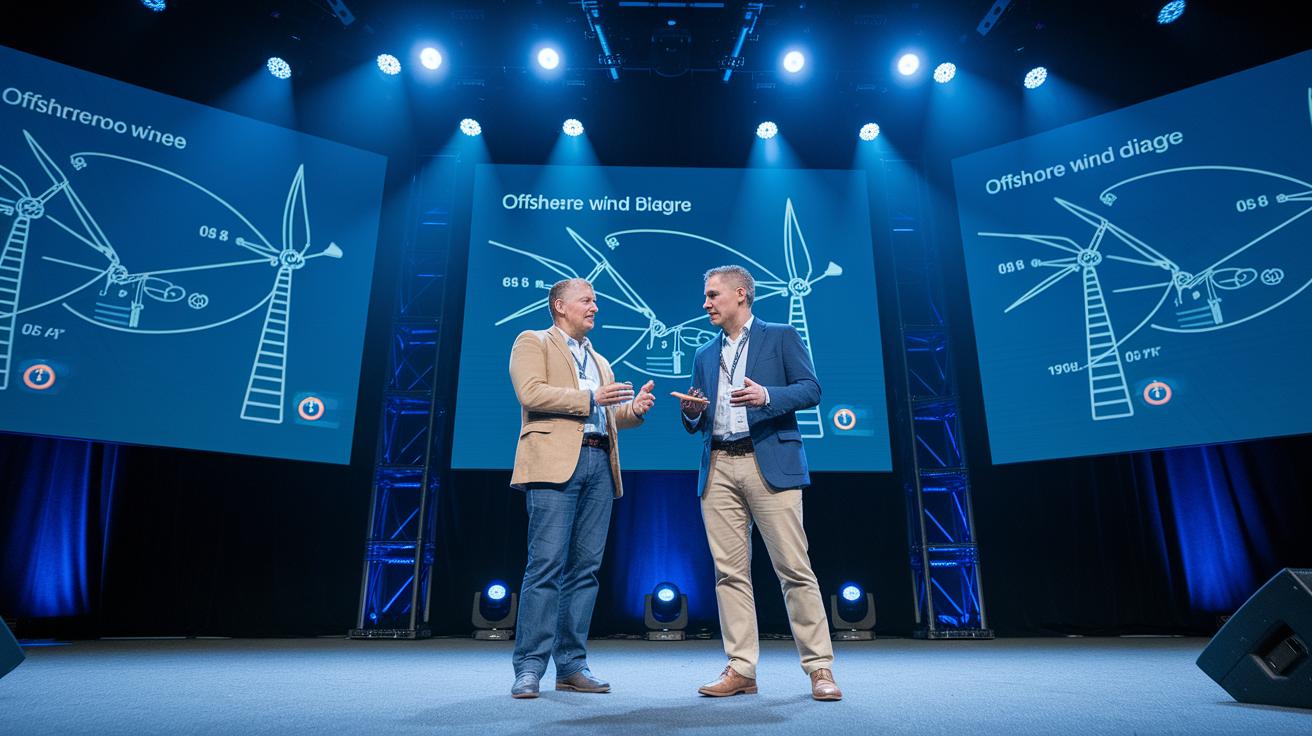
Recently, clean energy breakthroughs have sparked lively conversations at events like the Offshore & Floating Wind Europe webinar in October 2021 and American CleanPower’s Siting & Environmental Compliance Virtual Summit in July 2021. At these meet-ups, experts and engineers chat about new sectors and share fresh insights on upcoming research and tech trends. One expert mentioned, "Innovative approaches in grid management can reshape how communities access renewable power," which got everyone talking.
College engineering programs are also stepping up by focusing on renewable energy and energy storage. They’re busy testing next-gen battery ideas and storage methods that can make our systems more reliable. Think of it like tweaking your favorite appliance to make it work even better. This collaborative vibe encourages new perspectives and practical solutions that help set the course for tomorrow’s tech.
Looking ahead, industry insiders are excited about breakthroughs in floating wind platforms, bifacial panels (solar panels that capture sunlight on both sides), and smart grid controls powered by AI (machines that learn). These advancements promise not only more accurate power forecasts but also a broader push for clean energy innovations. Over the next decade, these fast-evolving technologies are set to empower emerging sectors and build a stronger, more sustainable energy network.
Distributed Power Networks and Microgrid Case Studies in Renewable Energy Systems
RES shows us what decentralized power really looks like. They have 6 GW of assets like wind, solar, storage, and transmission that work together as a smart, blended system. It’s a neat example of how careful project design and financing can build networks that mix different renewable sources to deliver clean power, even without a traditional grid.
In some remote Alaskan communities, microgrids are stepping in for rural electrification. Imagine a small town where backup systems use bifacial panel technology (panels that capture sunlight on both sides) to grab every bit of power, even in tough conditions. These systems are made just for community projects, helping keep essential services on and local needs met. It’s all about choosing the right components and using off-grid methods that bring energy resilience to isolated areas.
Take one case study, for instance. Remote villages have off-grid installations designed to keep power flowing at all times. They pair smart storage solutions with flexible solar arrays to handle power spikes, and finance the projects in a way that fits local scales. Picture an Alaskan microgrid that combines modular solar panels with battery banks to match occasional demand bursts, all supported by community-based funding. Meanwhile, RES’s massive 6 GW portfolio reminds us that every element, from generation units to control systems, is picked for robustness and easy upkeep. These stories show that thoughtful design and clever funding not only light up communities but also spark further progress in renewable energy.
Final Words
In the action, we broke down how renewable energy systems work, explored different types like solar and wind, and examined key elements such as energy storage and smart integration. We also took a close look at cost factors and future industry trends. Each segment aimed to explain the complex parts in simple terms. This discussion shows that renewable energy systems can truly change how we get clean power every day. It’s a bright signal that innovative ideas are shaping a smarter, greener future.
FAQ
What are renewable energy systems?
Renewable energy systems refer to setups that capture energy from natural sources such as wind, solar, hydro, biomass, and geothermal, then deliver clean electricity through integrated control and storage components.
What are the 5 main types of renewable energy?
The 5 main types of renewable energy include wind, solar, hydro, biomass, and geothermal, each using natural resources and offering unique efficiencies and applications for generating clean power.
What are examples of renewable energy systems?
Examples of renewable energy systems include onshore and offshore wind farms, solar panel arrays, hydroelectric power plants, and biomass conversion facilities that provide sustainable alternatives for energy generation.
How do renewable energy systems work in Alaska and Fairbanks?
In Alaska and Fairbanks, renewable energy systems often include off-grid solar microgrids and wind installations that power remote villages, delivering dependable clean energy even in challenging climates.
What renewable energy systems projects exist in the UK?
In the UK, renewable energy projects mainly cover extensive wind and solar installations, complemented by storage and transmission networks that collectively support a reliable and sustainable power supply.
Which companies are known for renewable energy systems, including Renewable Energy Systems Ltd and Holdings Limited?
Leading companies in renewable energy systems, such as Renewable Energy Systems Ltd, deliver global projects in wind, solar, storage, and grid solutions while contributing significantly to clean power advancements.
Where can I find renewable energy systems PDF reports and datasets?
Renewable energy systems PDF reports and datasets are available through technical libraries, academic journals, and government publications that present detailed insights into energy production and technology trends.
Is Renewable Energy Systems a public company?
Renewable Energy Systems operates as a major independent firm; checking financial market listings can provide details regarding its public or private status and current corporate information.
What does renewable energy mean on my electric bill?
Renewable energy on your electric bill signals that part of your power comes from clean, natural sources like wind or solar, which helps reduce overall carbon emissions in the energy mix.
What insights does the IEA renewable energy report 2025 offer?
The IEA renewable energy report 2025 offers insights into future power trends, emerging technologies, and evolving market segments, guiding stakeholders in making informed clean energy decisions.
What careers are available in renewable energy systems?
Renewable energy systems careers span engineering, project management, design, installation, and maintenance roles, providing opportunities to contribute to innovative and sustainable energy solutions.
What are the latest renewable energy trends?
The latest renewable energy trends emphasize advancements in wind, solar, storage, and smart grid integration, reflecting rapid technological strides and growing global adoption of clean power solutions.