


What if a tiny piece of space junk could trap astronauts 250 miles above Earth? That may sound like something from a movie, but three Chinese taikonauts are now in this tricky spot because a hit damaged their return capsule.
Meanwhile, six other crew members are waiting at the space station while engineers work hard to fix the problem or switch over to a backup spacecraft. It’s a tense situation that really shows the risks of space travel and makes you wonder how experts plan to safely bring the team home.
Astronauts Stuck in Space: Incident Overview and Search Intent Fulfillment
Three Chinese taikonauts, Wang Jie, Chen Zhongrui, and Chen Dong, are currently stranded about 250 miles above Earth. Their return capsule was hit by debris (small pieces of space junk), which means they’re now stuck. This sudden mishap has everyone talking about the real dangers in space travel and whether similar problems could affect future missions, both manned and unmanned.
The damaged capsule is still attached to the Tiangong space station. There, six other astronauts are waiting for a clear safety decision. Engineers are now working carefully to decide whether the injured capsule can be fixed for re-entry or if the crew will have to use the newly arrived Shenzhou-21 spacecraft for a safe return.
• Three Chinese astronauts are stranded due to a hit from space debris.
• The damaged capsule remains connected to the Tiangong space station, home to six astronauts.
• Engineers are weighing the risks between fixing the capsule for re-entry or switching to the Shenzhou-21 spacecraft.
Right now, the main focus is on safely bringing the crew home. Decision-makers are trying to balance the risks of using a damaged capsule with the plans for a rescue mission on Shenzhou-21. This incident not only highlights the real challenges of operating in space but also reminds us why having strong safety protocols is so important in an era where orbiting debris is becoming more of a concern.
Technical Malfunctions Aboard Orbital Lab Leading to Astronauts Stuck in Space
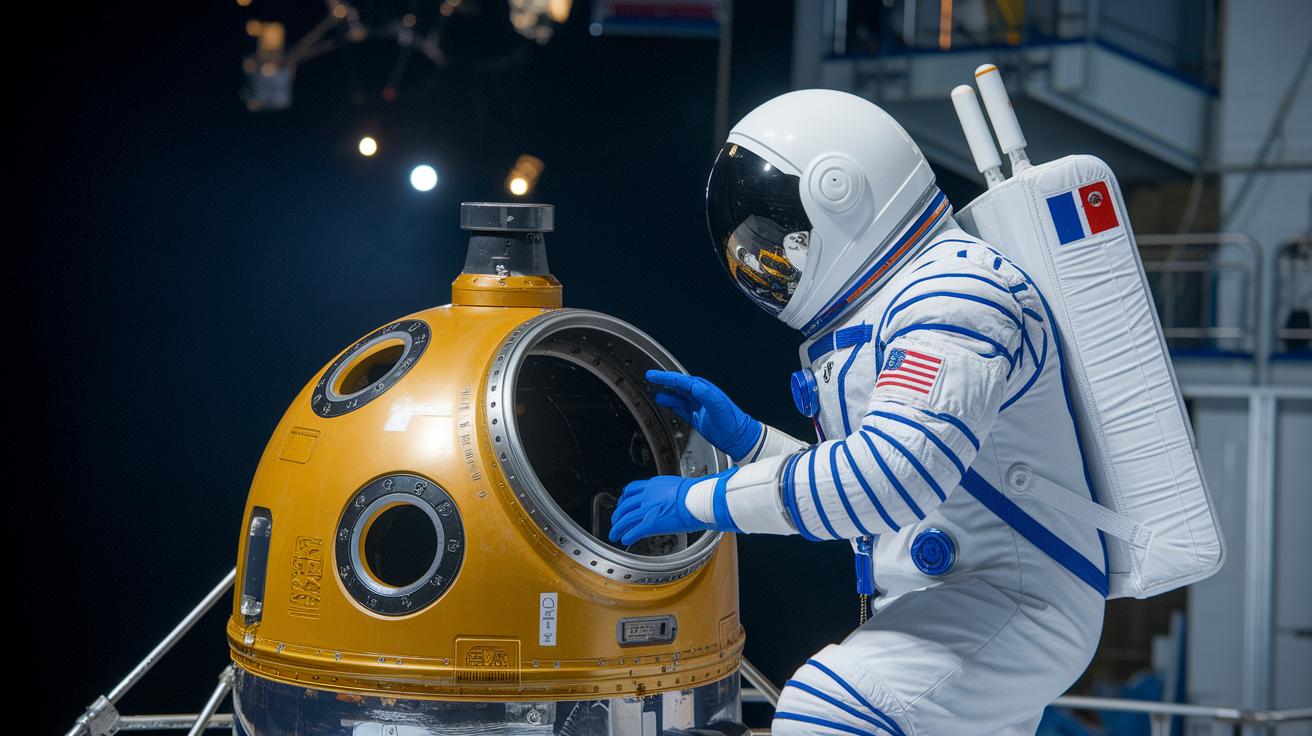
Engineers are now digging into what happened when a bit of space debris hit the capsule's outer wall. This collision damaged the capsule and raised worries about some key onboard systems (important parts that keep everything running smoothly). Even a small scratch like this could really mess up how the capsule comes back down to Earth, making the situation more risky for the crew spending extra time in space.
Meanwhile, mission teams are carefully checking life-support and environmental controls on the Tiangong station. They’re testing the equipment to be sure it can handle stress, even after the hit. Since these systems are what keep the station habitat safe, it’s crucial they catch any other problems that might pop up, especially with the growing concerns about space debris.
Right now, reentry systems are offline as experts run simulations and detailed tests. With the capsule damaged, it’s not safe for an immediate return. So, decision-makers are balancing the urgency of getting the crew home with the need to be extra sure every system is rock-solid before giving a final go-ahead.
Astronauts Stuck in Space: Extended Mission Delays and Hazards
What started as a week-long mission has stretched out into several weeks in weightlessness. Every moment in orbit brings new challenges, and even routine tasks seem tougher when time goes on unexpectedly. Imagine this: a voyage planned for just seven days now feels like an endless relay in space, where every single check matters more than ever. This sudden change is pushing the team to double-check every final system confirmation.
Right now, the mission team faces a big decision. They’re checking if the capsule, now a bit worn from its extended stay, is still safe for reentry. Engineers are closely watching the docking moves with the backup spacecraft, Shenzhou-21, which might be the key to getting the crew back home safely. It’s a tricky balancing act, comparing the risks of the current capsule with the promise that a fresh vehicle might offer.
The entire mission plan has been thrown off course by this unexpected delay. Earth-return operations are on hold until final checks finish, and even the schedule for activities in orbit has had to be reshuffled. Extra safety reviews and new docking strategies have pushed every part of the mission onto a new timeline, showing just how one surprise can ripple through and change the whole project.
Astronauts Stuck in Space: Crew Health Vulnerabilities and Resource Challenges

Medical experts are keeping a close eye on the crew as time in zero gravity takes its toll. Spending so long without Earth's pull means their bones are getting weaker and muscles lost strength (yes, even in space, our bodies need a bit of gravity). With the mission stretching beyond its original plan, each extra day in orbit raises these health risks. Even the food is being portioned carefully now to make sure every meal helps fight off the effects of weightlessness.
At the same time, the mental toll of long-term isolation is hard to ignore. Living confined in a tiny space and constantly adjusting to life without gravity can be really tough. To help ease the strain, the team is taking part in online counseling sessions. These check-ins let them share how they're feeling and support one another through the ups and downs. With their stay in space extended, keeping both their physical health and mental well-being in check while managing limited supplies has turned into a top priority.
| Health Issue | Impact | Mitigation |
|---|---|---|
| Bone Density Loss | Weakened bones from prolonged weightlessness | Focused exercise regimens and medication |
| Muscle Deterioration | Loss of muscle strength due to zero gravity | Regular physical training and strength monitoring |
| Psychological Stress | Mental strain from isolation and extended confinement | Virtual counseling and structured group sessions |
Every step, from adjusting rations to providing virtual counseling, is being carefully monitored to address both body and mind. The crew's team is working hard to ensure they're safe and ready for a return, even as the mission's end date stays a bit unpredictable.
Rescue Strategies for Astronauts Stuck in Space: Emergency Plans by Chinese Space Missions
The team has built the essential safety steps into the overall mission plan. They include simple checklists, practice drills for events like power outages and sudden temperature shifts, and even a backup rescue procedure with Shenzhou-21.
They've also combined elements like flight path trials and risk tracking with other technical challenges to keep things neat and avoid repeating details. One drill was even praised as "a clear, carefully executed series of steps that didn't allow for any mistakes."
Communication Challenges for Astronauts Stuck in Space: Ground Control Response
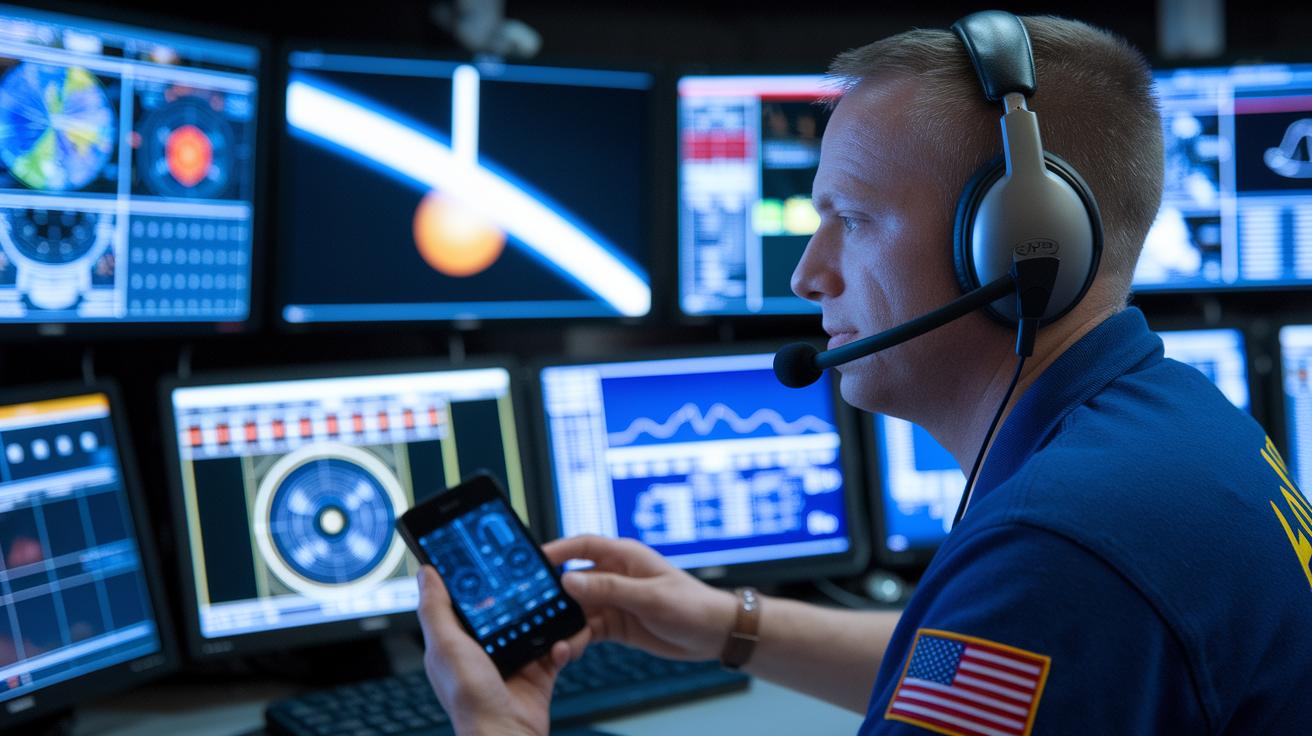
Mission control depends on a mix of uplink channels, backup bands, and relay satellites to stay connected with the crew. When telemetry delays popped up, engineers switched to testing the command-link with backup frequencies to ease data traffic and keep the lines open, so the crew still gets instructions on time even when the signal falters.
Signal interruptions have made contingency routing a must. To keep direct chat with ground control, data gets rerouted through alternate paths, cutting the risk of losing critical commands at key moments. This method lets mission teams handle distress signals smoothly while watching out for any new safety concerns.
Right now, an official investigation is digging into the data gaps while controllers monitor every downlink stream. With support from centers like space center houston, experts are checking signal strength and network performance to pinpoint what might be causing interruptions. They’re working hard to toughen the system against future communication challenges in space.
Lessons Learned from Astronauts Stuck in Space: Safeguards for Future Missions
The Tiangong crisis really opened our eyes to the need for better tracking of space debris and more dependable return vehicles. Engineers now believe we should add extra shielding and backup systems to help prevent similar issues in future missions. They've also updated policies with tighter controls on space operations and stricter safety checks on every launch. And here’s a cool fact: space debris can damage a spacecraft's hull just like a pebble can dent a car, tiny objects up there can cause big problems.
When we compare these challenges to what’s been learned from SpaceX missions, it turns out that collision-avoidance strategies used in commercial space travel could also boost national efforts. Integrating these lessons helps refine emergency return plans. In fact, these insights have led to pre-planned rescue schedules and more rigorous safety protocols, ensuring that response procedures are clear and timely.
Looking ahead, next-generation safeguards will involve regular pressure tests on mission systems and stronger international collaborations. Future flights also plan to include programs aimed at boosting astronauts’ psychological resilience alongside technical upgrades. This way, crews stay motivated during long periods in microgravity and are better prepared to handle any surprises on their way home.
Final Words
In the action, our article covered the incident from a hacked return capsule to emergency rescue plans, touching on technical malfunctions, crew health concerns, and communication fixes. We examined the real-time impact of a capsule breach and how backup strategies aim to bring the crew safely home. The analysis walks you through the risks of space travel and recounts key learnings to guide future safety measures. This clear review helps underline the urgency and technical depth behind astronauts stuck in space while inspiring hope for smarter, safer missions ahead.
FAQ
How many space stations are there?
The count of space stations changes over time as older modules retire and new ones launch. Currently, active stations include the ISS and Tiangong, which support human space missions.
How do the Tiangong space station and the ISS compare?
The Tiangong station is China’s compact, modular lab, while the ISS represents an international collaboration. Both provide platforms for space research and technology testing in orbit.
Why are Chinese astronauts currently stranded in space?
The Chinese taikonauts are stranded after presumed space debris damaged their return capsule. Engineers are now assessing whether to use the compromised module or a backup spacecraft for a safe return.
How many astronauts have floated away in space?
Historical records and tight safety protocols show that astronauts have never permanently floated away in space. Mission safeguards, like secure tethering and reentry procedures, protect the crew.
Are astronauts still stranded in space?
Current reports confirm that the affected crew members remain in space while experts evaluate safety measures. Backup rescue plans are under discussion to secure a safe return.
What historical space stations shaped space exploration?
Past orbital installations like Mir, Skylab, Salyut 1, and even unique platforms like the Hubble Space Telescope played important roles, offering key insights that drive today’s space research efforts.
What is meant by “Chinese astronauts BBQ”?
The phrase “Chinese astronauts BBQ” is usually a tongue-in-cheek remark about life in space rather than a report of an actual onboard event. It reflects a playful take on everyday activities in orbit.