


Have you ever thought about how the branches and trimmings you toss out could actually power our homes? Biomass energy takes everyday leftovers, like wood chips and crop bits, and turns them into a steady, reliable fuel you can count on.
It’s pretty cool when you think about it. Instead of just wasting these materials, we’re giving them a new purpose. And unlike energy that depends on the wind or sun, biomass fuels our machines in its own unique way.
Recent numbers show that more and more people are using biomass energy to cut down on waste and reduce our need for fossil fuels. This smart approach not only clears out our trash but also helps build a greener future for everyone.
biomass energy Drives a Greener Future
Biomass energy comes from organic stuff like wood, crop leftovers, and even waste. In simple terms, we burn or chemically treat these natural materials to release the energy they’ve stored over time. Think of it like using leftover wood chips or crop trimmings to power your home instead of just tossing them aside. It’s a pretty clever way to turn what we’d normally discard into a constant source of power, much like turning kitchen scraps into enriching compost.
Back in 2019, the International Energy Agency shared that global bioenergy supply was around 57 EJ (that’s a huge amount of energy!), about 5% of the world's primary energy. This tells us that biomass isn’t just a fringe idea; it’s a key part of the overall energy mix. As more folks join in, it’s clear that organic power is teaming up with other renewables to cut down our need for fossil fuels, paving the way toward a more sustainable world.
Here’s a quick look at the main ways biomass energy can be turned into power:
| Method | Description |
|---|---|
| Direct combustion | Burns biomass at high temperatures to produce steam, which then generates electricity. |
| Gasification | Converts biomass into a gas mixture (syngas) that fuels engines or turbines. |
| Pyrolysis | Heats biomass with little oxygen to create bio-oil, biochar, and gases. |
| Anaerobic digestion | Breaks down organic matter with microbes in a no-oxygen setting, producing biogas. |
What’s really exciting about biomass energy is its steadiness. Even when the sun isn’t bright or the wind isn’t blowing, you can count on this energy to support your power grid. By taking everyday organic leftovers and turning them into electricity, we’re not only reducing waste but also boosting our energy security in a way that feels both smart and green. Isn’t it amazing how nature helps power our future?
Types of Biomass Feedstocks for Energy Generation
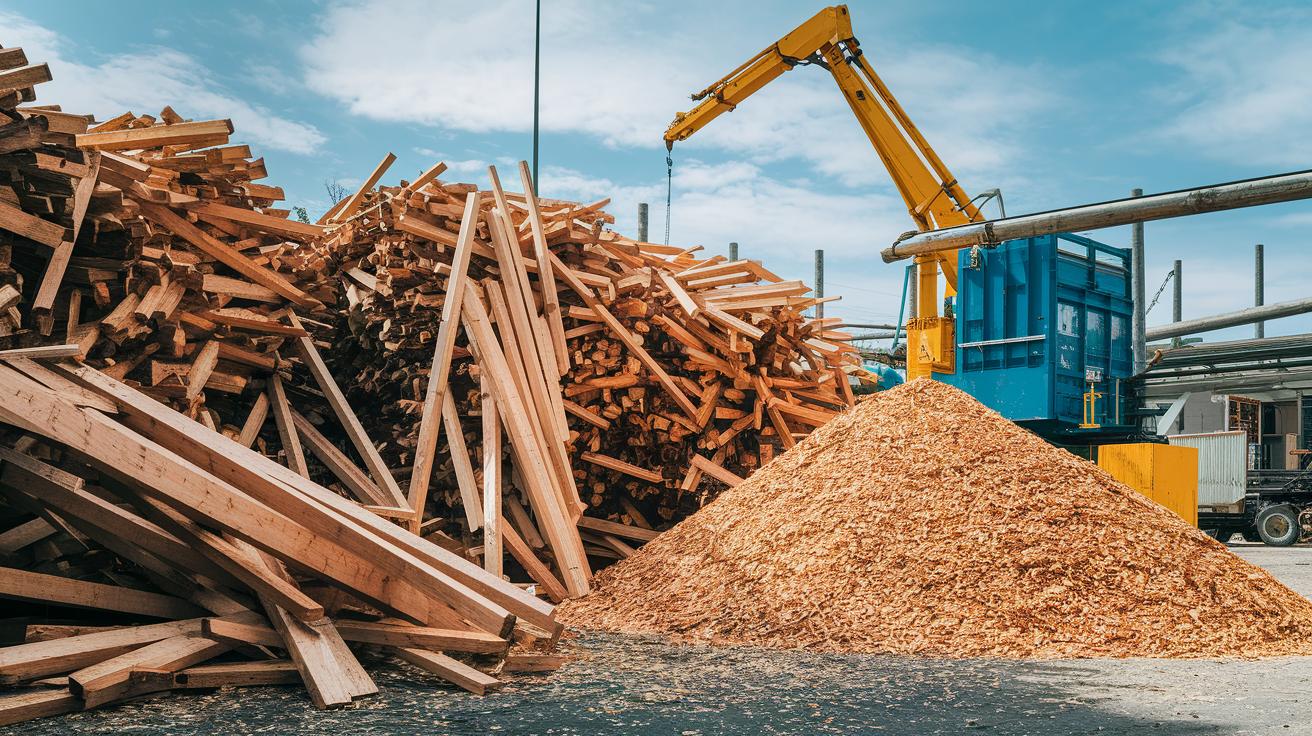
Biomass feedstocks are the natural ingredients that let us turn leftovers into clean, renewable energy. They come from industries, farms, and even city waste, giving new life to old materials so we can power our homes and businesses without piling up garbage. Imagine those wood chips from sawmills that once cluttered the yard now fueling our turbines and boilers!
Wood Residues
Wood residues, like sawmill scraps and wood chips, make up about 60% of all biomass feedstocks. They’re pretty common and can produce roughly 8–15 gigajoules of energy per ton (a measure of energy output). In simpler terms, what used to be waste from logging and processing now turns into a valuable fuel source that can brighten entire communities.
Agricultural Residues
After harvest, crops often leave behind straw and husks, what we call agricultural residues, which account for around 20% of biomass feedstocks. These leftovers are collected seasonally and offer a reliable boost to energy production while also keeping our fields cleaner. It’s like turning nature’s scrap material into a dependable energy supply.
Energy Crops
Energy crops such as switchgrass and miscanthus are grown specifically with energy production in mind, contributing roughly 10–15% of biomass feedstocks. Each ton of these crops can produce between 18–22 gigajoules of energy. It’s a neat example of planning ahead, by farming these special plants, rural areas get a significant boost in renewable energy.
Municipal Organic Waste
Municipal organic waste, which includes food scraps and yard debris from cities, makes up about 5–10% of biomass feedstocks. By gathering this everyday waste before it hits landfills, we not only clean up our urban spaces but also create another source of bioenergy that powers our world.
| Feedstock | Description | Typical Energy Yield |
|---|---|---|
| Wood Residues | Sawmill waste and wood chips from logging | 8–15 GJ/ton |
| Agricultural Residues | Crop leftovers like straw and husks | Varies |
| Energy Crops | Plants grown specifically for energy (e.g., switchgrass) | 18–22 GJ/ton |
| Municipal Organic Waste | Food scraps and yard waste from urban areas | Varies |
Key Conversion Processes in Biomass Power Plants
When it comes to getting energy from organic matter, picking the right method is key. The method you choose affects not only how well you can convert the biomass but also how much it costs and how it impacts the environment. Each process works best with certain kinds of feedstock and has its own ideal temperature range and output, so it’s important to match the method with your needs.
Thermal conversion methods use lots of heat to break down the biomass. For example, in direct combustion, the fuel is heated between 800 and 1,000 °C to create steam that drives turbines, usually giving about 20–25% efficiency. Gasification heats the biomass to around 700–900 °C to produce syngas (a mix of carbon monoxide and hydrogen, which are gases that burn) that can power engines or turbines at roughly 30–40% efficiency. Pyrolysis, on the other hand, gently heats the biomass at 400–600 °C in a low-oxygen setting to produce bio-oil, biochar, and gases. Each of these methods has its own advantages depending on what you want from your power plant.
Then there’s anaerobic digestion, a more biochemical approach that happens at lower temperatures, between 35 and 55 °C. Here, tiny microbes break down organic material to create biogas, which is mostly methane, about 50–70% of the gas. Even though it works at a lower heat range, this process can yield electrical efficiencies of about 30–35% and is a gentle, effective way to manage waste.
| Process | Temperature Range | Major Outputs | Efficiency |
|---|---|---|---|
| Direct Combustion | 800–1,000 °C | Steam, turbine electricity | 20–25% |
| Gasification | 700–900 °C | Syngas (CO + H₂) | 30–40% |
| Pyrolysis | 400–600 °C | Bio-oil, biochar, gases | Varies |
| Anaerobic Digestion | 35–55 °C | Biogas (~50–70% CH₄) | 30–35% |
Biomass Energy versus Other Renewable Power Sources
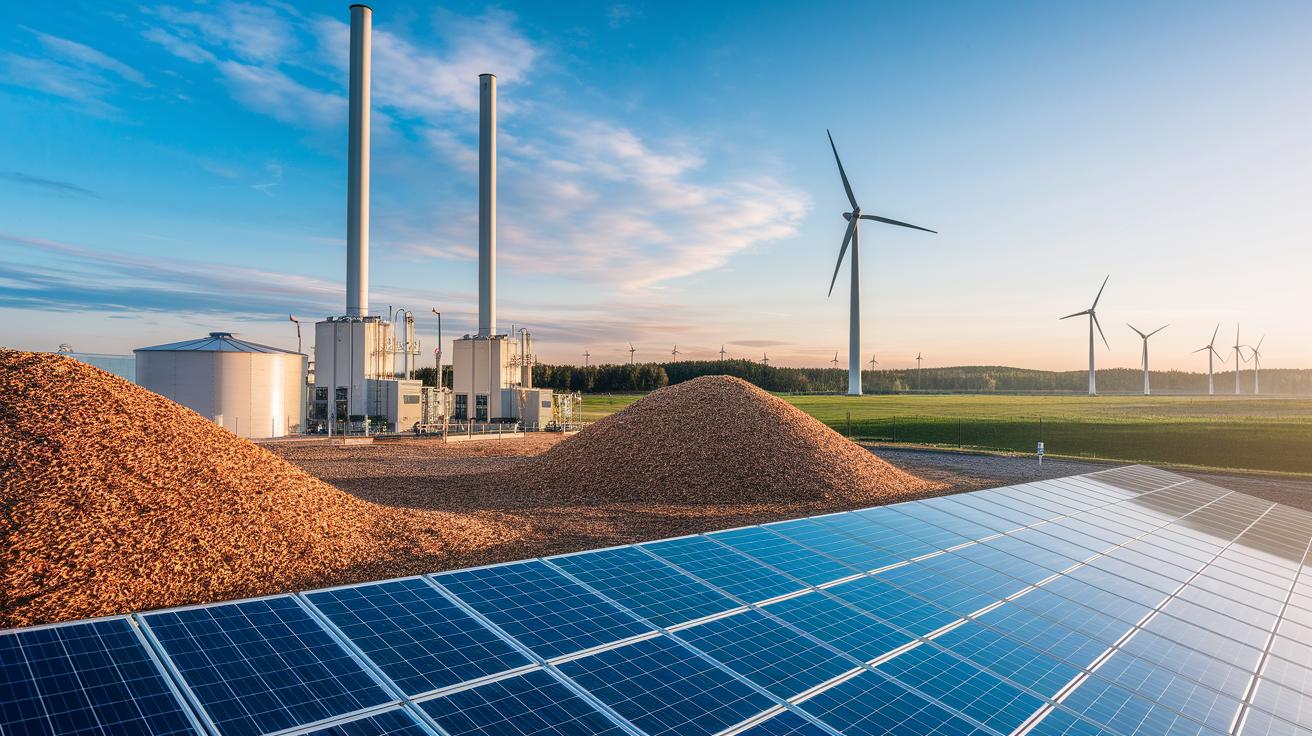
Biomass energy really stands out when you compare it with solar and wind power. While solar panels typically work around 15–20% efficiency and wind turbines usually hit about 30–45%, biomass plants manage to operate at roughly 80%. In simple terms, they deliver energy steadily, every day, even when the sun isn’t out or the wind isn’t blowing.
This constant energy output is a huge plus when you're plugging into the grid. Solar and wind can be a bit unpredictable, but biomass reliably meets the everyday energy needs. Sure, hydropower can do a similar job, but biomass has the extra bonus of being set up near local resources. That flexibility helps keep the whole system stable and reliable.
Of course, it’s not all smooth sailing. Biomass systems come with their own set of challenges, like managing the raw material and handling emissions. There are also valid concerns about how they use land and impact local air quality. These trade-offs need careful management if biomass is going to play its part in a balanced renewable energy plan.
Environmental and Economic Benefits of Biomass Energy
Biomass energy is a great choice for our planet because it works like a natural cycle. When biomass is burned, the plants that grow back take in the carbon released during combustion. This process keeps overall emissions low, around 10 to 50 grams of CO₂ per megajoule, much less than natural gas, which ranges from 80 to 100 grams per megajoule. It’s like nature’s own way of recycling carbon.
Another awesome benefit is how biomass helps reduce waste. By turning everyday organic materials, like food scraps and yard debris, into energy, we can divert about 50 to 70% of this waste from landfills. Imagine a facility where what used to fill up landfills now powers homes and communities. This switch not only slashes bulk waste but also cuts down on harmful emissions from landfill decay.
Biomass projects also boost local economies. For every gigawatt produced, around 100 new jobs can appear in rural areas. Plus, local waste-management costs can drop by roughly 20%. Think about a community being revitalized by a biomass plant that creates jobs, cuts waste fees, and supports the environment, all at the same time.
Challenges and Drawbacks of Biomass Energy Deployment
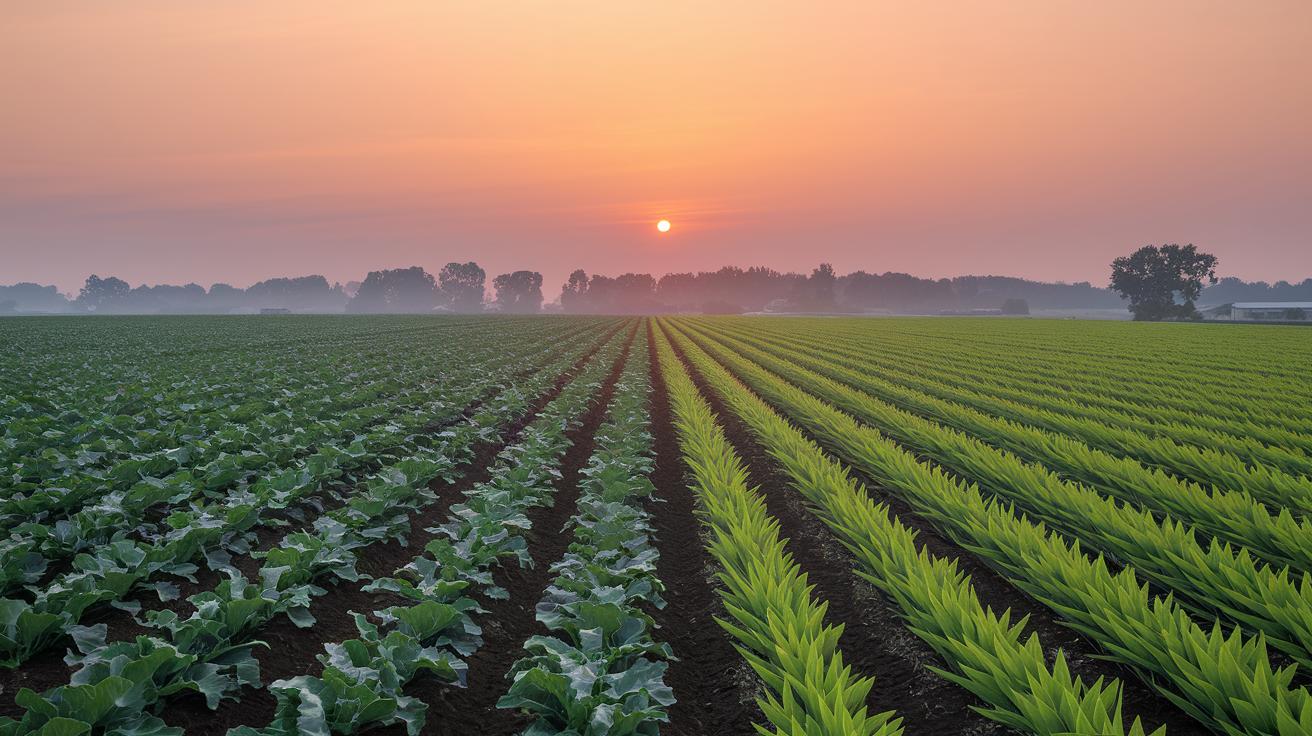
One big issue with biomass energy is land use. Growing crops just for fuel can take up 20-40% of farmable land, land that could be used to grow food or keep natural habitats intact. Think of it like turning your best fields entirely into energy crop farms, leaving less room for other important uses.
Burning biomass also brings its own worries. When organic material burns, it lets out tiny particles (PM10 and PM2.5) and gases like NOₓ that can lower the quality of the air. This means that nearby communities might face health risks from these pollutants.
Also, the cost and effort needed to get biomass energy up and running can be quite high. Moving the raw material around adds about 15-25% extra to the expense, and setting up a biomass plant can cost between $3,000 and $5,000 per kilowatt installed. In comparison, gas plants generally cost around $800 to $1,200 per kilowatt, making the initial investment for biomass projects much tougher.
Case Studies of Successful Biomass Energy Projects
At the Drax Power Station in the United Kingdom, biomass energy is being used in a big and innovative way. Instead of sticking only with coal, the plant burns 10 GW of wood pellets together with coal. This smart mix has helped cut down CO₂ emissions by about 20% since 2014. Think of it like adding a bright, eco-friendly ingredient to an old recipe, an easy change that really helps the environment.
Over at the University of Iowa, there’s another cool example of turning waste into energy. They use an anaerobic digester (a system that breaks down waste without using oxygen) to process 14,000 tons of dairy manure each year. The result? They generate 5 MW of clean electricity. Imagine being able to take something that might be a problem and turning it into a steady source of power that supports the local area. This creative approach not only makes good use of waste but also helps lessen the load on landfills while powering homes and businesses.
Emerging Trends and Innovations in Biomass Energy Technologies

Bioenergy is getting a fresh spin thanks to new conversion methods. One cool development is mixing biomass with hydrogen to really ramp up efficiency. And there are these BECCS projects, which basically blend biomass energy with carbon capture (a process that traps carbon emissions), aiming for a global target of 1.3 GW by 2030. Imagine a power plant that not only churns out energy but also cuts down carbon emissions for a cleaner sky.
At the same time, smaller, off-grid systems are making their mark. Tiny micro-gasification units, usually around 50 to 100 kW, can bring power to remote areas. On top of that, improvements in enzymatic conversion have bumped energy yields by about 15%, making these setups even more appealing. All in all, whether it's major, centralized projects or these nimble, local solutions, everything is paving the way toward a greener and more efficient bioenergy future.
Final Words
In the action, we explored what biomass energy is, breaking down its feedstocks and conversion methods into neat, relatable parts. We discussed its steady performance compared to other renewables while weighing its upsides, like waste reduction and local economic boosts, against some drawbacks. Real-life examples and fresh innovations brought the topic closer to home. It’s clear that biomass energy holds promise for a cleaner, more resilient power mix, leaving room for optimism as future improvements light the way ahead.
FAQ
What is biomass energy and which materials are used?
Biomass energy means turning organic matter such as wood, crop residues, and waste into power using methods like combustion, gasification, pyrolysis, and anaerobic digestion, which adds a steady component to renewable energy.
How are biomass conversion processes carried out?
Biomass conversion processes transform organic matter into energy using direct combustion, gasification, pyrolysis, or anaerobic digestion to produce steam, syngas, bio-oil, or biogas for electricity and heat.
What are common types of biomass feedstocks?
Common biomass feedstocks include wood residues, agricultural residues, dedicated energy crops, and municipal organic waste, each offering different energy yields for bioenergy production.
How does biomass energy compare to other renewable sources?
Biomass energy offers reliable baseload power with high capacity factors, similar to hydropower, and stands out against solar and wind by providing continuous energy generation.
What environmental benefits does biomass energy offer?
Biomass energy features a carbon-neutral lifecycle, reduces emissions versus fossil fuels, and cuts landfill waste by repurposing organic materials, thus aiding environmental and local economic improvements.
What challenges affect biomass energy deployment?
Biomass energy faces challenges like land competition for feedstocks, air pollutant emissions (such as PM and NOₓ), supply chain complexities, and higher capital costs compared to gas-based plants.
Can you share examples of effective biomass energy projects?
Projects like the UK’s Drax Power Station co-firing wood pellets with coal and the University of Iowa’s anaerobic digester processing dairy manure show biomass energy’s ability to reduce emissions and generate electricity efficiently.
What emerging trends are shaping the future of biomass energy?
Emerging trends include hydrogen co-firing, BECCS projects, micro-scale gasification for off-grid needs, and advances in enzymatic conversion techniques that promise improved efficiency and flexibility.