


Have you ever wondered if there’s a clever system that can help doctors spot problems earlier? AI in medicine (that’s short for artificial intelligence, which means smart computers that learn from data) is making it easier for doctors to read scans, lab tests, and symptoms. It acts like a trusty helper, noticing patterns that our eyes might overlook. This nifty technology helps catch early signs of disease so doctors can decide on treatment sooner. In short, AI is stepping in to make health checks sharper, paving the way for better care for everyone.
AI Applications in Medical Diagnosis: Benefits, Limitations, and Impact
AI-powered diagnosis is like having a smart helper that sorts through huge amounts of health data to spot patterns that might hint at a disease. In simple words, these systems pull in details from things like scans, lab tests, and even your symptoms, then compare them to well-known signs of illness. This means your doctor might catch something early that could have been overlooked in a regular check-up.
These systems use clever computer programs (algorithms) to support doctors when they're figuring out what’s going on. Think of them as a second set of eyes offering advice based on lots of past cases and patterns. They’re a mix of helpful tools that can speed up the process and boost accuracy, although they’re still learning to handle tricky data and fit perfectly into current work routines.
Here are some ways AI lends a hand:
- Image analysis
- Predictive analytics (using data to forecast outcomes)
- Decision support
- Symptom checking
- Remote screening
Recent studies and trials show that AI can pick up early signs of illness on scans or tests, which helps in making fast decisions during emergencies. This means doctors can sometimes get you on the right treatment faster and with more confidence, paving the way for care that’s more tailored to you and helps keep a closer eye on how a disease is progressing. Still, these tools depend a lot on the quality of the data they get and need regular updates as medical knowledge improves. As we keep refining these systems, AI could really change how smoothly clinics run, cut down on mistakes in diagnosis, and offer a better experience for patients, all major steps forward in medical innovation.
Machine Learning Techniques for Medical Diagnosis
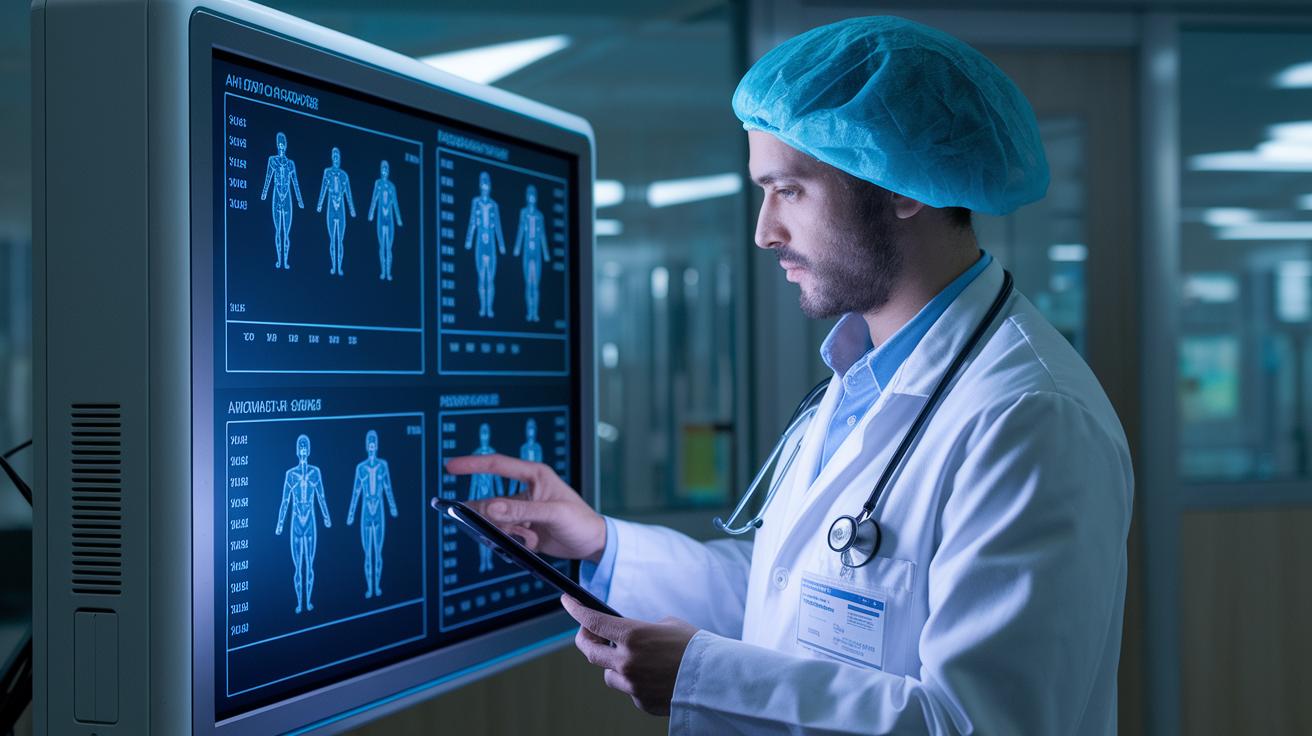
Machine learning is changing how doctors diagnose illnesses by sifting through huge amounts of patient data. It helps streamline the diagnostic process using models that learn from past examples to spot patterns and unusual details in new cases.
Supervised learning, for example, relies on data with labels, meaning doctors and researchers provide examples with known outcomes so the model can learn to recognize specific conditions. In contrast, unsupervised learning works with data that isn’t pre-labeled, grouping similar features together and sometimes revealing hidden relationships in patient records. And then you have reinforcement learning; this approach refines its performance step by step by getting feedback on its decisions, which is handy in complex medical settings.
Some common techniques include:
- Random forests
- Support vector machines
- Clustering algorithms
- Ensemble models
- Neural networks
Predictive modeling is at the heart of spotting diseases early. By analyzing trends from historical data, these combined methods can give an early warning about a potential health issue, letting clinicians intervene sooner and boost patient outcomes.
Medical Imaging Analysis in AI-Enhanced Diagnosis
Imagine a tool that turns ordinary medical scans into detailed snapshots of health. AI systems do just that by mixing fast data crunching with smart algorithms. They take raw images and neatly run them through steps like cleaning up the image and highlighting key parts. This means even subtle signs of a condition can be spotted early on.
Deep learning techniques, especially convolutional neural networks (CNNs), play a big role here. Think of CNNs as clever computer brains that learn by looking at heaps of labeled images. They catch patterns and small differences in pixels, making a once-complicated process much easier to understand. It’s like having a friend who points out details you might have missed, giving doctors extra confidence in their decisions.
| Imaging Modality | AI Technique | Benefit |
|---|---|---|
| X-ray | CNN | Better detection |
| MRI | Auto-segmentation | Faster analysis |
| Histopathology | Slide analysis | More accurate ID |
| CT | Lesion quantification | Precise measuring |
Recent upgrades in image processing and training with diverse data sets are pushing AI towards human levels of expertise. This steady progress means that whether it’s an X-ray, MRI, or another imaging type, the results feel even more reliable. Doctors can now make quicker and more confident calls about treatments based on these clear, evidence-backed insights. It’s pretty exciting to see technology and medicine work so closely together for better patient care.
AI-Powered Clinical Decision Support for Diagnosis

CDSS mixes smart computer programs with real-time patient data to help doctors make better calls. These systems sift through lots of details from medical records, lab tests, and images to offer hints about what might be going on and suggest treatment choices. It’s like having an extra set of careful eyes in a busy clinic where every minute counts.
Case Study: Diabetic Retinopathy Screening
One real-world example had an AI tool used in several clinics to scan for diabetic retinopathy. This tool looked over thousands of eye images, quickly spotting tiny changes that could be early signs of trouble. By catching issues earlier, it helped reduce missed diagnoses and got patients treatment on time. One patient even said, “After years of hidden symptoms, the alert from this system led to early treatment that saved my vision.”
Case Study: Sepsis Prediction in ICU
Another case focused on predicting sepsis (a serious body-wide infection) in the ICU. The model gathered different pieces of data like vital signs, lab results, and past records to trigger alerts right when they were needed. It acted a bit like a vigilant nurse, warning the team about subtle shifts in a patient’s condition. This faster response has led to better care and quicker interventions when every second matters.
It wasn’t all smooth sailing, though. Connecting these advanced tools to older hospital systems brought its own challenges, like aligning different data sources and keeping everything consistent. Still, seeing these systems work in real clinics shows their exciting potential to change patient care with smart, digital health solutions.
Ethical and Regulatory Frameworks in AI-Based Medical Diagnosis
Patient consent is super important when AI helps with medical diagnoses. Digital screening tools ask for clear, upfront permission so patients know exactly how their health information is used and kept safe. Simple data security steps like encryption (turning data into a secret code) and strict access controls build trust between patients and their healthcare team.
- Biased training data
- Transparency
- Accountability
- Informed consent
- Liability
Regulatory agencies like the FDA and EMA have set up rules to make sure AI medical tools are safe and effective before they’re used in clinics and hospitals. Developers have to go through strict certification processes, which means they run serious tests and show real-world evidence that their systems can reliably support clinical decisions. In short, these guidelines ensure that AI tools stay within legal boundaries while handling sensitive health data responsibly.
By following these rules, patients stay protected and trust in new diagnostic technologies grows. As more healthcare providers add AI tools to their practice, meeting these standards is key to offering faster, more accurate care every day.
Emerging Trends in AI-Driven Medical Diagnosis Solutions
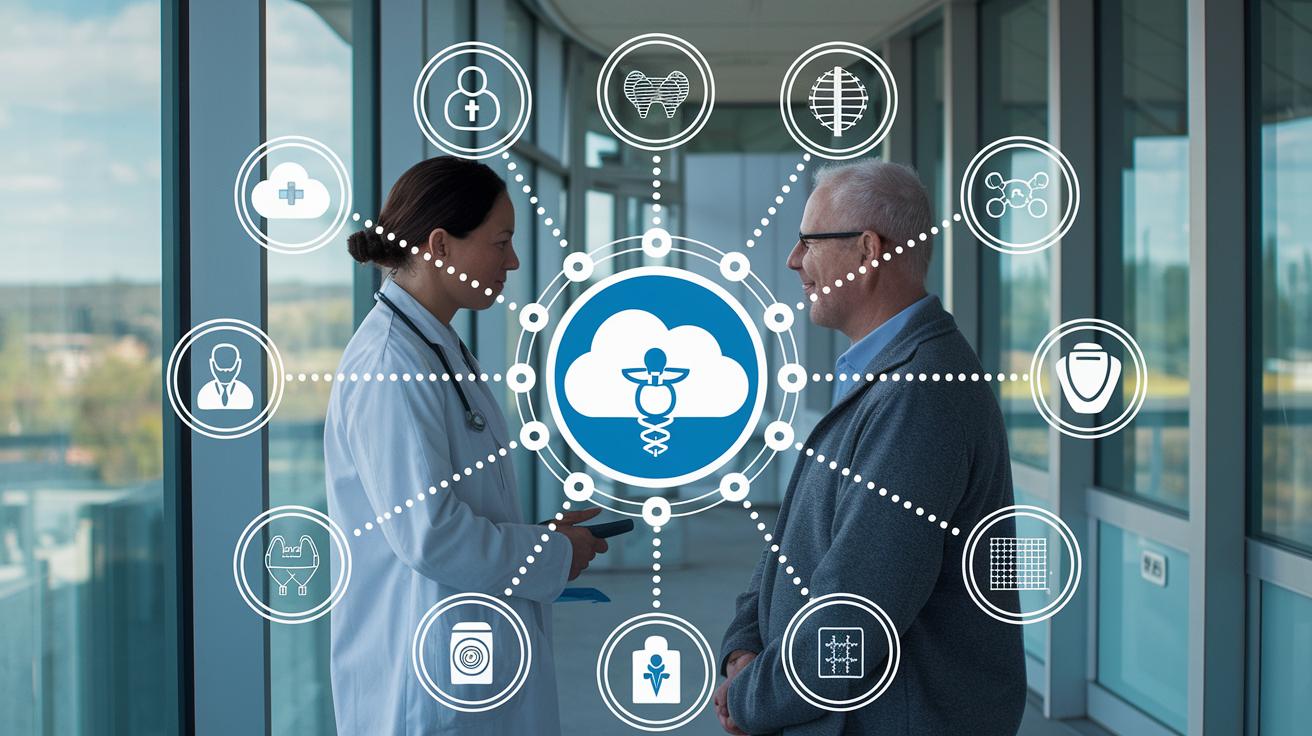
Imagine a future where doctors get a full picture of your health simply by blending your genetic information with your medical images and health records. That’s exactly what combining data like genomics, imaging, and electronic health records (EHR) lets AI do, it builds a much clearer snapshot of what's really going on with you.
New tech tools are already stepping up to the plate. Mobile health apps using AI are bringing real-time insights directly to your phone, making it easier to make quick, smart health decisions. And there are wearable devices that keep tabs on your vital signs even when you're not in a clinic. Plus, cloud-based systems are breaking down old silos, so doctors can access all this important information in one go.
All these trends are setting the stage for faster, tailored care that truly fits each patient. It’s like piecing together a puzzle where every bit of data helps form a picture that’s both detailed and adaptable to the ever-changing world of healthcare.
Final Words
In the action, we explored the essence of using AI in medical diagnosis. We covered a range of topics from machine learning techniques to improving medical imaging, clinical decision support, and ethical guidelines. Each section shed light on how advanced algorithms are shaping patient care and diagnostics.
We also looked at trends from mobile health apps to wearables that boost early disease detection. AI in medical diagnosis continues to help improve outcomes and spark new ideas for digital health solutions.
FAQ
Frequently Asked Questions
Q: What is AI-powered medical diagnosis?
A: The AI-powered medical diagnosis uses advanced algorithms for analysis, supporting early disease detection and improved diagnostic accuracy through applications like image analysis, predictive analytics, decision support, symptom checking, and remote screening.
Q: What machine learning techniques support medical diagnosis?
A: The machine learning support in medical diagnosis involves supervised, unsupervised, and reinforcement methods such as random forests, support vector machines, clustering, ensemble models, and neural networks to enhance patient decision-making.
Q: How does AI enhance medical imaging analysis in diagnostics?
A: The AI-enhanced imaging analysis uses deep learning architectures like convolutional neural networks to interpret scans, automate segmentation, and quantify lesions, thereby improving detection in modalities like X-ray, MRI, histopathology, and CT.
Q: What are examples of AI-powered clinical decision support systems in action?
A: The clinical decision support systems include solutions for diabetic retinopathy screening and sepsis prediction in ICU, where automated alerts and integrated algorithms lead to higher diagnostic precision and better patient outcomes.
Q: What ethical and regulatory challenges are there in AI-based medical diagnosis?
A: The ethical and regulatory aspects focus on patient consent, data security, algorithm bias, transparency, accountability, and navigating complex FDA and EMA certification processes while integrating these technologies safely.
Q: What emerging trends are shaping AI-driven medical diagnosis solutions?
A: The emerging trends incorporate the integration of multimodal data like genomics, imaging, and electronic health records along with mobile AI apps, wearable diagnosis systems, and cloud-based decision support to broaden healthcare applications.