


Postpartum depression (PPD) is more than the "baby blues." It is a serious, medically-recognized mood disorder that can appear anytime within the first year after childbirth. Left unaddressed, PPD can lead to tragic outcomes, including suicide, which is one of the leading causes of maternal death after six weeks postpartum. Partners, relatives, friends, and health professionals must understand that PPD is real, treatable, and never the mother’s fault. Early recognition, compassionate support, and prompt medical care save lives. In the sections below, discover essential facts, risk factors, red-flag symptoms, and the urgent interventions that can bring hope and healing.
1. Recognizing the Subtle Warning Signs
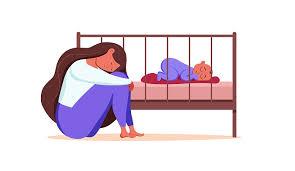
Postpartum depression doesn’t always announce itself loudly. Sometimes there are no obvious warning signs; at other times, a new mother’s tears, silence, or irritability may be dismissed as normal fatigue. Tragically, some partners or relatives think she is "pretending" or "being dramatic," leaving her to struggle in isolation. Domestic violence can worsen the spiral, and even well-meaning healthcare workers occasionally overlook the clues. If a mother’s mood or behavior changes noticeably after birth, she seems withdrawn, unusually anxious, or expresses hopelessness, take it seriously. Believing her, listening without judgment, and encouraging professional help can prevent a desperate situation from becoming life-threatening.
2. How Common Is PPD, and What Does It Look Like?

Roughly 10% of pregnant or postpartum women, or one in ten, experience PPD. Symptoms often peak twice: immediately after birth and around ten weeks postpartum. Many mothers describe crushing fatigue yet sleepless nights, disinterest in their babies, loss of appetite, and a persistent low mood that steals joy from once-loved activities. Untreated, PPD can advance to postpartum psychosis, marked by hallucinations, delusions, or severe agitation, with a 25% chance of re-occurrence in future pregnancies. Because symptoms vary and can emerge slowly, every new mother deserves routine mental-health check-ins during pediatric or maternal follow-up visits.
3. Who Is Most at Risk? Key Risk Factors

Certain situations raise a mother’s vulnerability to postpartum depression. Teen parents may lack emotional and financial support. Women with a personal or family history of depression face greater odds of relapse. Infertility struggles, traumatic labor, or preterm delivery can heighten stress, as can caring for multiples such as twins or triplets. Hospitalization of a fragile newborn may compound fear and guilt, while weak family support leaves mothers feeling alone. Knowing these risk factors allows families and clinicians to watch closely, offer empathy, and intervene early, before sadness deepens into despair.
4. Yes, There Is Help, And It’s Urgent
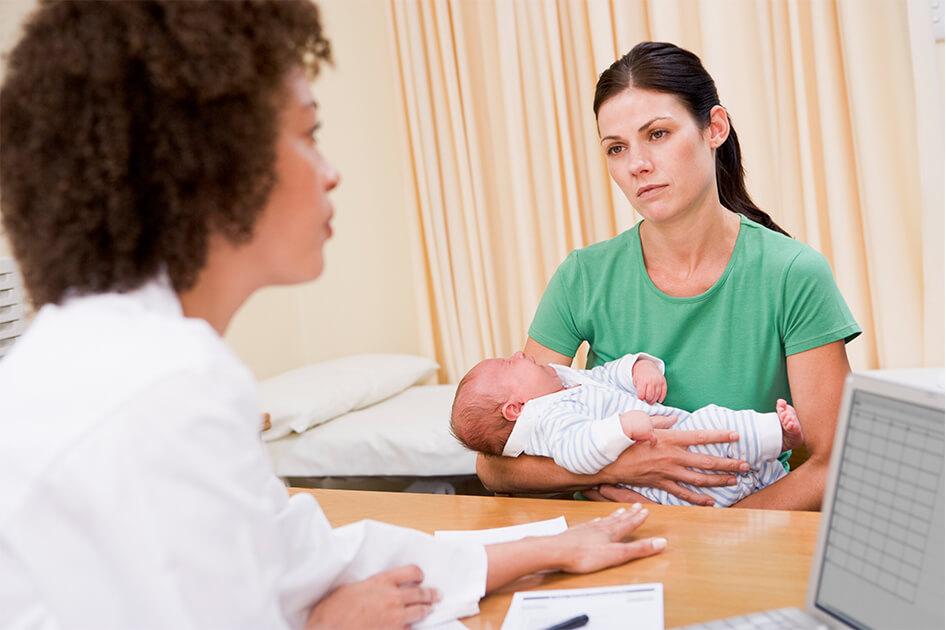
Treat postpartum depression as the medical emergency it is, on par with a gunshot wound or life-threatening bleed. Swift action saves lives and preserves the critical bond between mother and baby. Evidence-based care includes compassionate counseling, peer support groups, and, when indicated, antidepressant medication that is compatible with breastfeeding. Encouraging skin-to-skin contact, shared feeding routines, and respite breaks can strengthen the mother-infant connection while reducing overwhelm. Partners should attend appointments, ask questions, and advocate for prompt referrals. When society treats maternal mental health with the urgency it deserves, recovery becomes the norm, not the exception.
5. Share the Load: Why Community Support Matters

Women are stronger than many realize, but strength should never be confused with invulnerability. If you observe signs of depression, persistent sadness, anxiety, or thoughts of self-harm, do not brush them aside. Offer childcare so she can rest, deliver a meal, or simply sit and listen. Post or forward reputable resources, crisis hotlines, and local support groups. Each share, conversation, or kind gesture chips away at stigma and can quite literally save a life. Spread the message: postpartum depression is common, treatable, and worthy of every ounce of our collective care.