


Have you ever wondered what it really means to push past our natural limits? Transhumanism is like giving ourselves a software upgrade, blending science and technology to help our bodies and minds work even better. It builds on ideas ranging from tiny machines (think of them as little helpers) to new ways of understanding the brain. This exciting movement envisions a future where we can live with fewer restrictions, feeling faster and more in tune with what we can truly do. It invites us to think about our potential in a whole new way and imagine a life where aging and mental limits are just a thing of the past.
what is transhumanism: Bright Future
Transhumanism is a movement that uses technology to help us go beyond our natural limits. In simple words, it’s about blending science with our bodies and minds to deal with problems like aging and limited intelligence. This idea mixes things like tiny machines at the molecular level (nanotechnology), biology breakthroughs, computer tech, and even brain studies to make us healthier and smarter.
Imagine someone whose thinking works like a supercharged computer. They can quickly solve puzzles and grasp new ideas almost instantly. That’s the heart of transhumanism, using modern tools to boost the ways we think, learn, and live.
People who support transhumanism focus on big goals like reaching superintelligence, living life in good health for a longer time, and feeling overall better each day. Instead of waiting for nature to take its course, they believe in upgrading ourselves step by step. Projects such as brain-computer interfaces and tweaking our genes are part of this adventure. While these ideas offer exciting breakthroughs, they also invite us to think about what it truly means to be human.
This friendly look at transhumanism prepares us to think deeper about how technology can transform our future.
Historical Evolution of the Transhuman Movement

The story of transhumanism goes way back, far earlier than most people realize. Long before our modern devices, thinkers like Winwood Reade in 1872 and visionaries such as Nikolai Federov, H. G. Wells, J. B. S. Haldane, and J. D. Bernal dreamed of a time when humans could outgrow natural limits. These early ideas, tied to a broader thought called posthumanism (the idea that we can evolve beyond our current state), sparked a lasting curiosity about pushing past our mortal boundaries.
Fast forward to the mid-1900s, and you'll find Julian Huxley using the term transhumanism to talk about using science to improve what it means to be human. Back then, even though the tech wasn’t up to speed yet, the basic groundwork for transhuman ideas was already being laid. Then came the late 1980s and early 1990s, when groups like the Extropians, led by Max More, picked up the torch. These early pioneers mixed wild futuristic dreams with serious science, laying the groundwork for what transhumanism is today.
Big moments in this journey include Richard Feynman’s 1959 talk about tiny technology (nanoscale tech that works on an incredibly small level), K. Eric Drexler’s breakthrough work in nanotechnology, and the famous Human Genome Project from 1990 to 2003. Each of these achievements built a stepping stone toward today’s advances in human enhancement. They keep inspiring new research and fuel ongoing efforts to expand human potential in unexpected ways.
Transhumanism and Technology: Enhancing Human Capabilities
Transhumanism is about using technology to go beyond our natural limits. Imagine having your brain mapped into a computer, that’s what we call mind uploading. It’s like transferring your thoughts into digital code so that your ideas and memories can live on. On the other hand, cryogenic freezing saves human bodies at extremely cold temperatures. Since the first freeze in 1967, about 500 people have been preserved, with the hope that future medicine might revive them.
Genetic engineering is another fascinating area where scientists adjust our DNA to fight diseases and enhance traits we once thought were unchangeable. Think of it like upgrading your computer’s components to make it run better. And then there’s artificial superintelligence, machines designed to think faster than any human, challenging what we even define as intelligence.
Cyborg enhancements mix biology with tech, adding bionic limbs or smart sensors to help us overcome aging. Hive-mind interfaces, meanwhile, aim to connect our brain signals directly with computers, which could let us share thoughts or creativity in real-time.
Lastly, nanoscale medical robots are tiny machines that work inside our bodies to target problems with pinpoint accuracy. They act like tiny lasers, offering treatments that are simple and less invasive. These groundbreaking advances might one day change how we live, think, and interact, bringing science fiction a little closer to reality.
- Mind uploading
- Cryogenic freezing
- Genetic engineering
- Artificial superintelligence
- Cyborg enhancements
- Hive-mind interfaces
- Nanotechnology
Philosophical and Ethical Foundations of Transhumanism

Transhumanist philosophy is all about taking control of our own evolution, thinking ahead about the long term, and exploring ideas like singularitarianism (the belief that machines might eventually surpass human thinking), effective altruism (making the biggest positive impact), and rationalism (using clear, logical thinking). It invites us to question what limits we’ve always accepted and see enhancements as a chance to improve ourselves while rethinking our duties to one another. As we upgrade ourselves, we also start to wonder about shifting power and what rights future, enhanced individuals might enjoy. Researchers in areas like science and technology studies (which looks at how science fits into our lives) give us fresh viewpoints on these big questions.
Technoprogressive Perspective
Technoprogressives believe that tech upgrades should be guided by fairness, equality, and oversight from the community. They think improvements in health and intelligence should help everyone, not just a select few. With public accountability and solid rules, they’re confident we can balance new tech with social benefits. Imagine a future where devices like brain-computer interfaces (gadgets that help your brain communicate with computers) go through community review processes that make sure they’re safe and available to all. This view sees responsible progress as a way to lift society and narrow the gaps between different groups.
Libertarian Perspective
Libertarians, on the other hand, argue that market forces and personal freedom should drive how we enhance ourselves. They believe that if there are fewer restrictions, innovation will happen faster and solutions will come in many forms, even if that means accepting some risks along the way. They say that individual choice should lead the way in technological updates, with minimal outside interference. In this light, the freedom to experiment and compete can naturally result in the best outcomes for human improvement.
Societal Impact and Controversies of Transhumanism
Transhumanism has become a hot topic in our society, stirring up debates that reach from huge funding projects to the boardrooms in Silicon Valley. Billions of dollars have been pumped into research centers and think tanks focused on boosting our human capabilities. Many people are excited by the idea that advanced tech might help improve our health and intelligence, but others worry about fairness and other risks. Just think about a future where only a few can afford treatments to extend their lives, it really makes you wonder who will pay the price.
On one hand, transhumanism has led to cool, innovative projects that are changing how we interact with technology. On the other, as research in bioengineering (reworking biological systems) and artificial intelligence (creating smart machines) picks up the pace, our current rules are struggling to keep up. This fast progress could widen the digital gap, leaving some people behind. Many fear that such radical enhancements might not only boost inequality but also chip away at what being human really means.
Debates over radical human enhancement continue to heat up among policymakers, ethicists, and everyday people. Key topics of discussion include:
- Unequal access to enhancements
- Potential risks that could threaten our very existence
- The loss of what makes us uniquely human
- Concerns over biosecurity and privacy
- Gaps in regulations and ethics
Future of Transhumanism: Outlook and Emerging Trends
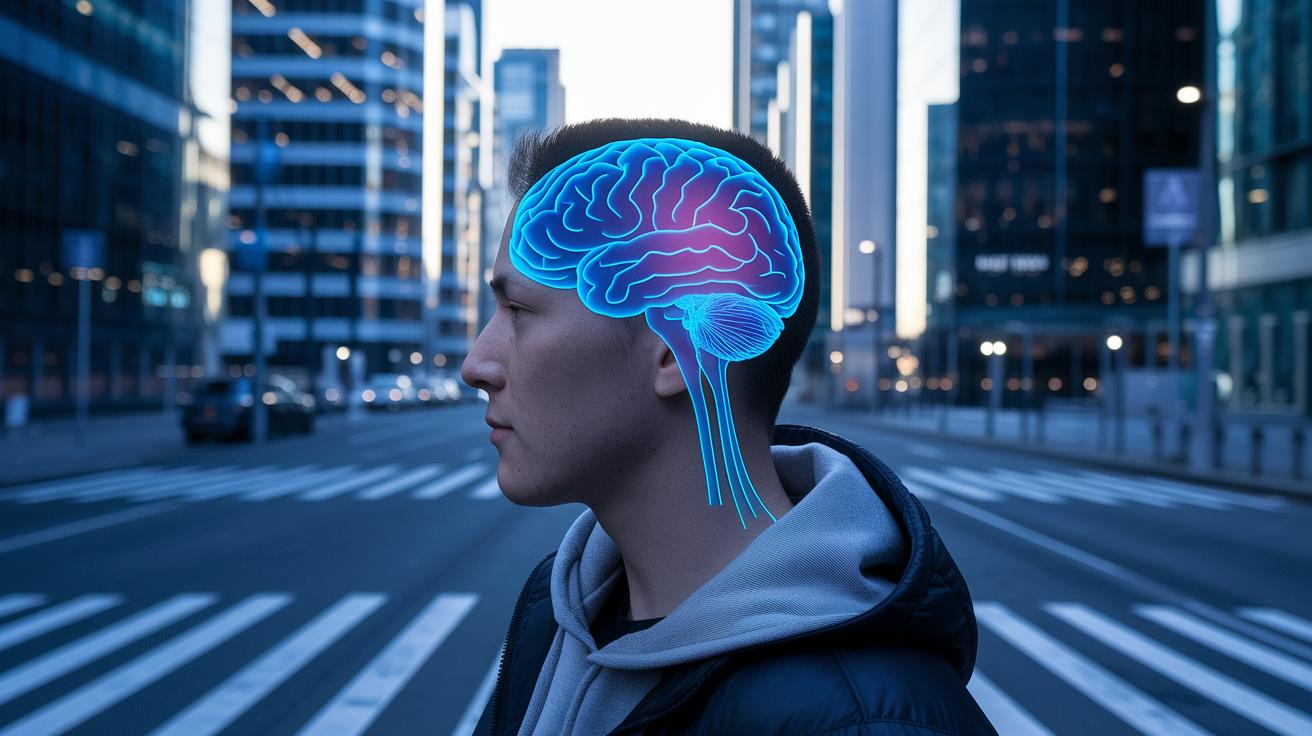
Technology is steadily changing what it means to be human, and the future of transhumanism is full of exciting opportunities. Experts say that by 2030, smart computer programs (AI) will be a key part of our everyday lives, helping with everything from decision-making to sparking our creativity.
Imagine a world where your brain can chat directly with digital systems. Thanks to devices like brain-computer interfaces, similar to projects like Neuralink, we might soon connect our thoughts with machines in ways that sound almost like science fiction.
At the same time, advances in nanomedicine (tiny tech working at a cellular level) promise treatments tailored just for you, while new genetic therapies could offer health solutions designed for your unique needs. In short, these breakthroughs hint at a future where our natural abilities team up with powerful tech tools.
Some experts even talk about a major turning point, a singularity, where human thinking and machine intelligence mix so completely that society transforms. Others predict that by 2040, blending our bodies with machines might become as normal as using a smartphone.
With every new discovery, the line between our biology and technology blurs a little more. If you’re curious, check out this link what is the future of tech to explore a time when enhancing human abilities is not just a fantasy, but a tangible reality. These visions inspire both hope and careful planning as we step into a future filled with transformative change.
Final Words
In the action, we broke down transhumanism into its basic ideas and traced its evolution from early sparks to modern tech trends. We looked at how technology boosts human abilities, along with the big ethical and social questions it raises.
We also explored the push and pull of different views on using tech for human enhancement. With so many exciting changes ahead, it's clear that what is transhumanism continues to inspire thoughtful debate and innovation.
FAQ
Q: How is transhumanism addressed in the Bible?
A: Transhumanism in the Bible is not directly discussed, though some interpret stories of human transformation as a metaphor for the quest to overcome limits, which modern technology now seeks to achieve.
Q: What are some examples of transhumanism?
A: Some examples of transhumanism include genetic modifications, brain–computer interfaces, and AI-driven cyborg enhancements. These approaches aim to improve human abilities and extend life by overcoming natural limitations.
Q: What is the goal of transhumanism?
A: The goal of transhumanism is to use technology to boost mental and physical abilities, extend lifespans, and improve overall well-being, thereby overcoming the constraints of human biology.
Q: Is transhumanism bad?
A: The impact of transhumanism is viewed differently by many. Some see it as a way to advance human progress, while others express concerns about risks to equality, identity, and privacy depending on how technology is used.
Q: What is a transhumanism PDF?
A: A transhumanism PDF is a downloadable document that explains the movement’s ideas, historical milestones, and emerging technologies, serving as an informative guide for those interested in human enhancement.
Q: Is transhumanism possible?
A: Many experts believe transhumanism is possible due to rapid advances in fields like AI, genetic engineering, and nanotechnology. Still, its full realization remains a topic of active discussion and research.
Q: How can someone become transhuman?
A: To become transhuman, one might embrace emerging technologies such as advanced medical treatments or brain–computer interfaces, which help enhance physical and cognitive abilities beyond natural limits.
Q: What does Transhumanism 2030 refer to?
A: Transhumanism 2030 refers to near-future predictions where breakthroughs in AI, nanomedicine, and interfaces between minds and machines could lead to widespread human enhancements, marking significant progress in technology.
Q: Do transhumanists believe in God?
A: Transhumanists hold a range of beliefs; some incorporate spiritual ideas into their vision, while others maintain secular viewpoints, reflecting diverse perspectives on science, philosophy, and spirituality.
Q: Is Elon Musk a transhumanist?
A: Elon Musk supports technological progress and has shown interest in brain–computer interfaces, but he has not strictly identified as a transhumanist. His work generally aligns with advancing human capabilities through innovation.
Q: Who are famous transhumanists?
A: Famous transhumanists include thinkers like Ray Kurzweil and Max More. They have been influential in promoting the use of technology to enhance human life and expand what humans can achieve.