


Have you ever thought about how one bold idea could change the way we see space? This timeline shows key moments when daring moves shifted our view of the cosmos. From Sputnik orbiting in 1957 to the amazing launch of the James Webb Telescope in 2021, each event reminds us how pushing beyond limits leads to big breakthroughs. So, come along as we explore these remarkable milestones and remember that nothing's impossible when we set our sights high.
Comprehensive Timeline of Space Exploration Milestones
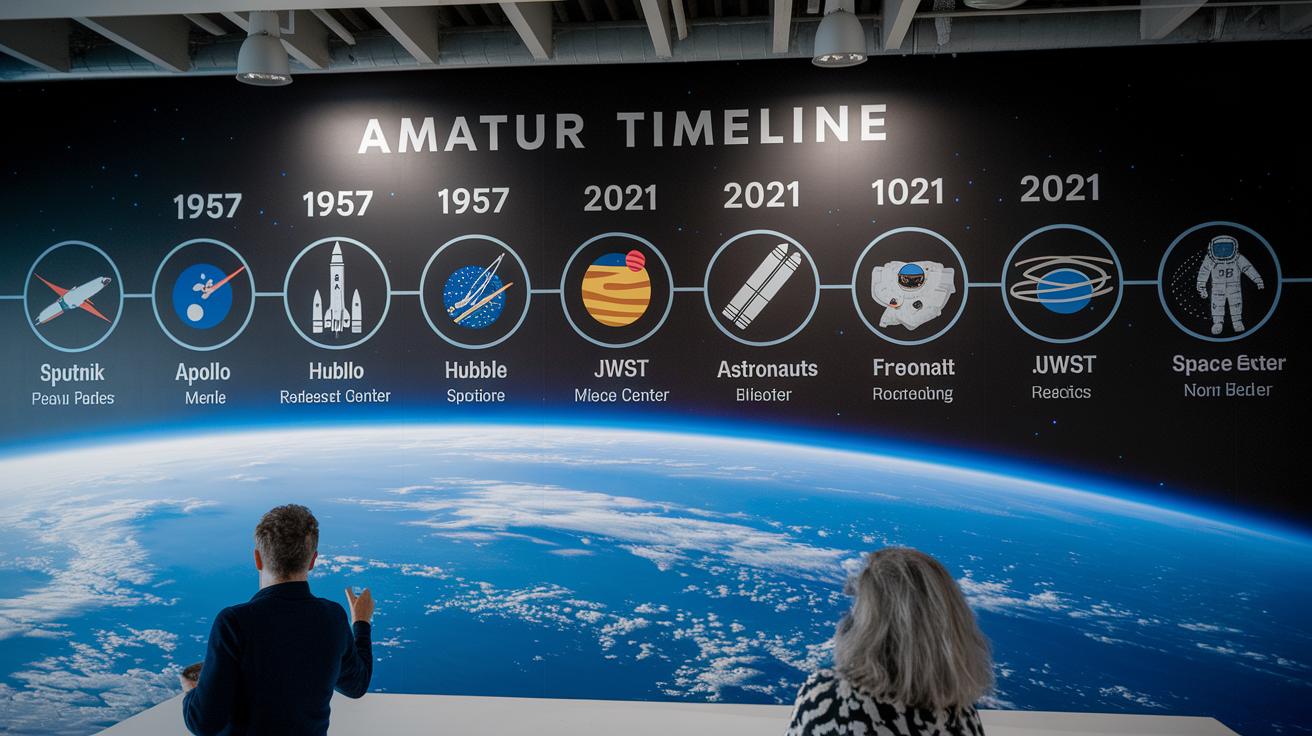
Have you ever stopped to think about how far we've come in exploring space? This timeline captures some of those big leaps, starting with Sputnik's first orbit in 1957 and leading up to the launch of the James Webb Telescope in 2021. Each entry reminds us how every mission pushed the limits of what we believed was possible.
This simple look at key dates also gives us a peek into NASA's storied mission history and the many exciting, sometimes challenging moments in space exploration over the past 50 years. Every milestone tells a story of trial, triumph, and the thrill of discovery.
| Year | Mission/Event | Significance |
|---|---|---|
| 1957 | Sputnik 1 Launch | First artificial satellite sent into orbit |
| 1961 | Yuri Gagarin’s Flight | First human journey into space |
| 1961 | Kennedy’s Moon Goal | Set a bold target for American spaceflight |
| 1969 | Apollo 11 Lunar Landing | Human footprint on the Moon |
| 1972 | Apollo Program Conclusion | Last mission of six successful lunar landings |
| 1981 | Columbia Shuttle Launch | Debut of reusable space shuttles |
| 1986 | Challenger Disaster | A tragic moment that reshaped safety protocols |
| 2021 | James Webb Telescope Launch | A fresh look into the early universe |
Early Rocketry: From WWII Ballistic Missiles to First Spaceflight Steps
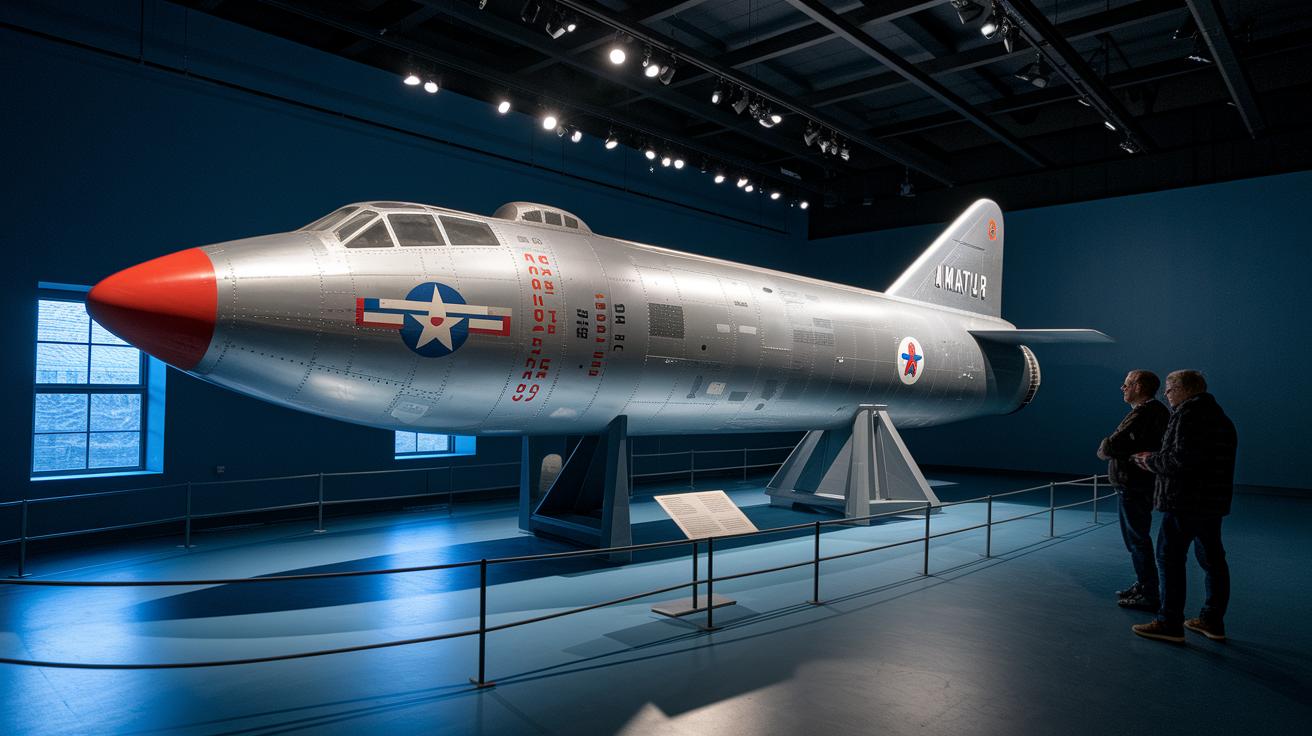
During the Second World War, engineers built early missiles like the V-2. Originally made as weapons, these rockets showed raw power and smart design that later made space travel possible. Military research during the war, plus the know-how from German scientists, kicked off experiments that suggested controlled flight beyond Earth could really happen. Tests from 1944 to 1950, with their simple yet powerful thrusts, gave us a glimpse of a future in space.
After the war, the United States and the Soviet Union reworked their missile technology into machines that could launch into space. This shift from destructive weapons to scientific explorers was a true breakthrough. One standout moment was the creation of the R-7 Semyorka, which later became the trusted rocket to launch Sputnik into orbit. It’s amazing how methods born in wartime sparked humanity’s first big leap into the cosmos.
Sputnik and the Satellite Launch Era in the Space Exploration Timeline
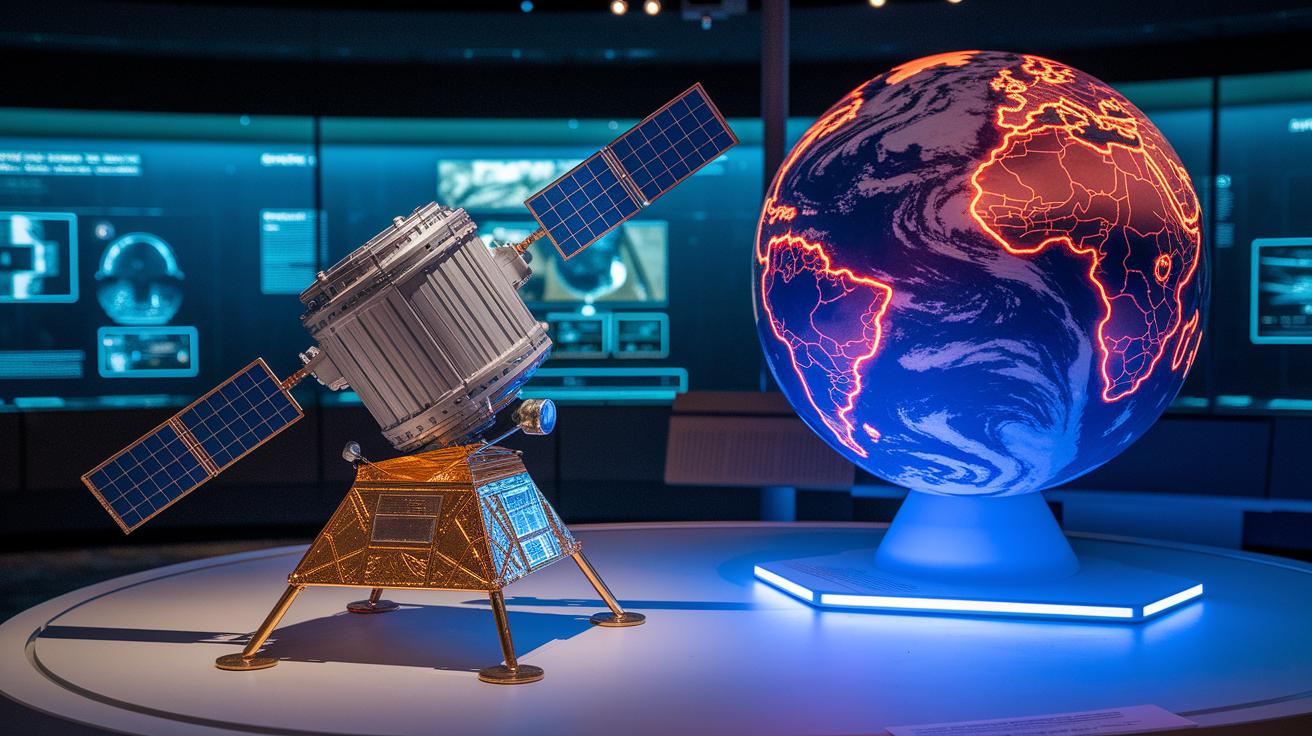
Back on October 4, 1957, the USSR sent Sputnik 1 into space, sparking a new era of exploration that felt almost magical. This little satellite, roughly the size of a beach ball, was the very first man-made object to circle our planet. Its success lit up people’s imaginations worldwide and showed us that launching things into space was not just a wild idea, it was something real.
Then, in January 1958, the United States launched Explorer 1. This satellite quickly uncovered Earth’s hidden radiation belts (layers of charged particles trapped by our planet’s magnetic field), which later got named the Van Allen belts. This finding not only deepened our grasp of what’s out there but also reminded us how important it is to study our planet from above.
The 1960s were an exciting time for space science and telecommunications. Many satellites were sent up into space, each one pushing the boundaries of what technology could do and helping us learn more about Earth and the vast space beyond. This dynamic period set the stage for the modern communications we enjoy today and opened up fresh ways for us to see and understand our home planet.
Manned Spaceflight Milestones in the Timeline of Space Exploration
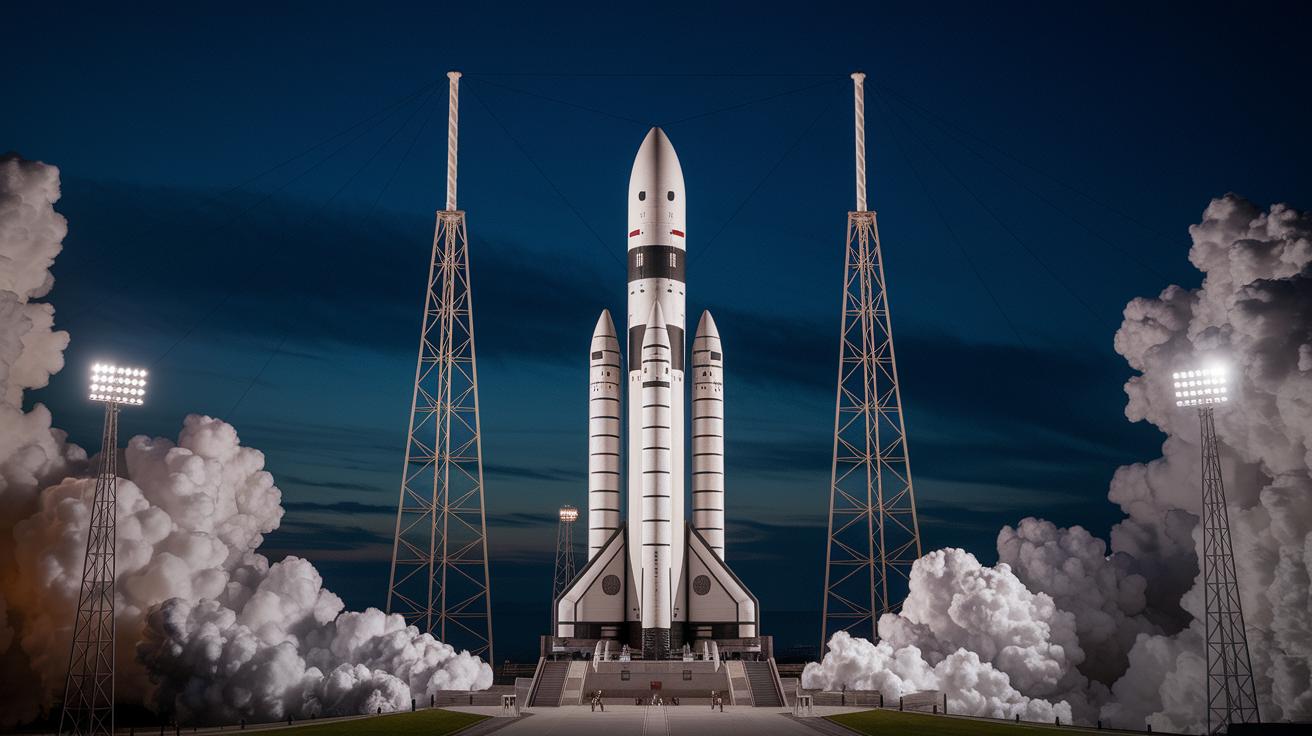
Back in the early 1960s, the United States boldly stepped into the world of human space travel with the Mercury missions. Alan Shepard’s quick suborbital hop and John Glenn’s groundbreaking orbit proved that people could handle the wild conditions beyond Earth. These flights, running from 1961 to 1963, gave us a sneak peek into surviving space’s harsh environment. Fun fact: before they even left Earth, astronauts practiced in simulated weightlessness to get their bodies ready for the challenge.
Between 1965 and 1966, the Gemini missions pushed space travel even further by mastering key techniques. Over ten flights with two astronauts each, crews practiced meeting in space, docking their spacecraft, and even going on spacewalks (which means stepping outside the craft to do work). Picture two space travelers moving in zero gravity like synchronized swimmers among the stars. These skills were vital for longer space trips and helped pave the way for future lunar missions.
Inspired by President Kennedy’s famous call in 1961, the Apollo program aimed to land a person on the Moon and bring them back safely. On July 20, 1969, Apollo 11 made history when Neil Armstrong took that first step on the lunar surface. This giant leap wasn’t just a dream fulfilled, it also opened a new chapter in our space journey. With six Apollo lunar missions completed by December 1972, each flight taught engineers and scientists more about space travel. Every detail of the return journey was carefully planned, making the Apollo program a shining example of bravery and technical skill in space exploration.
Space Shuttle Era: Reusable Craft in the Space Exploration Timeline
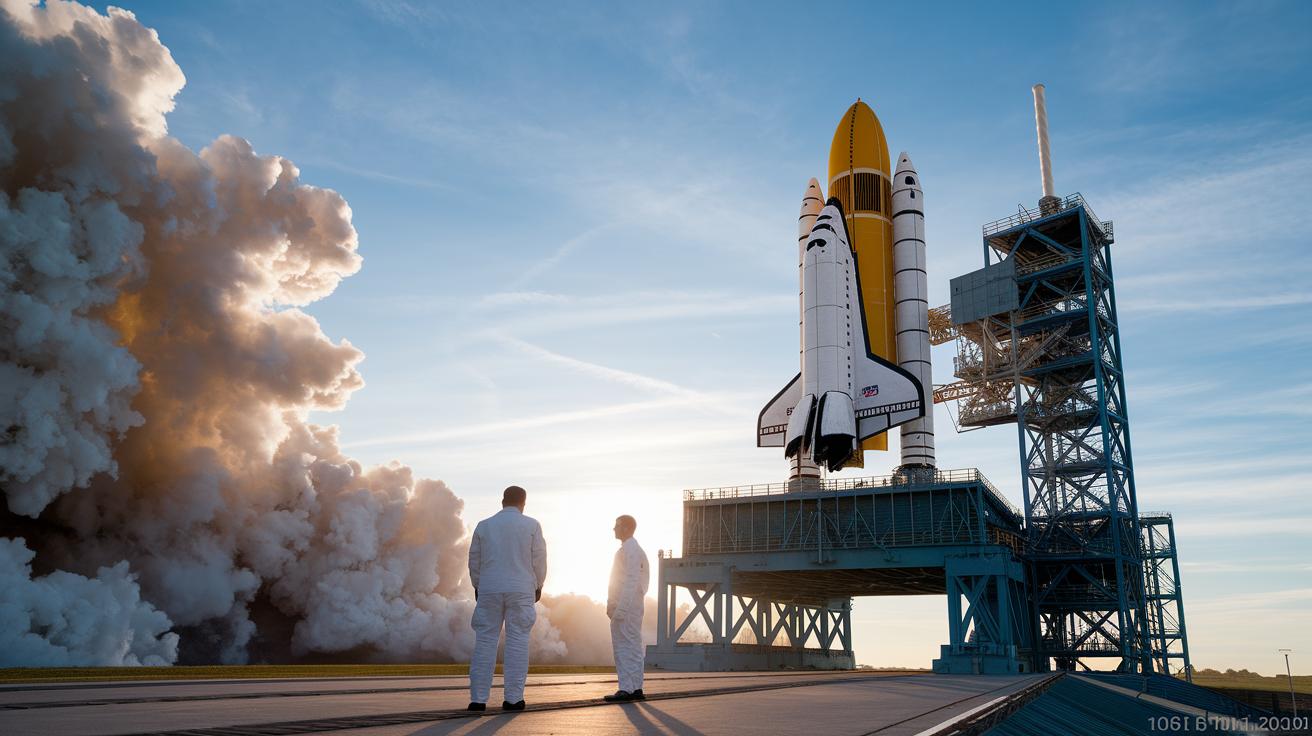
We kicked off a whole new chapter in space travel on April 12, 1981, when shuttle Columbia soared into the sky. This wasn’t your typical one-and-done spacecraft, it was built to be refurbished and flown again. For the next 30 years, these shuttles handled everything from sending satellites into orbit to helping put together the International Space Station. Imagine a machine that, after each trip, gets a careful look-over, repairs, and then gears up for another adventure. That’s what these shuttles were all about.
Then, on January 28, 1986, something heartbreaking happened. Just 73 seconds after launch, the Challenger disaster took the lives of all seven crew members, including Christa McAuliffe, a teacher who was set to reach out and inspire the world. This tragedy made everyone stop and rethink safety measures, putting shuttle flights on hold for a while. By 1988, missions resumed with extra caution, and flights continued until the final voyage in 2011. This period, mixed with setbacks and recoveries, shows just how determined we are to master reusable space technology.
International Space Station: Cooperative Milestone in Space Exploration Timeline
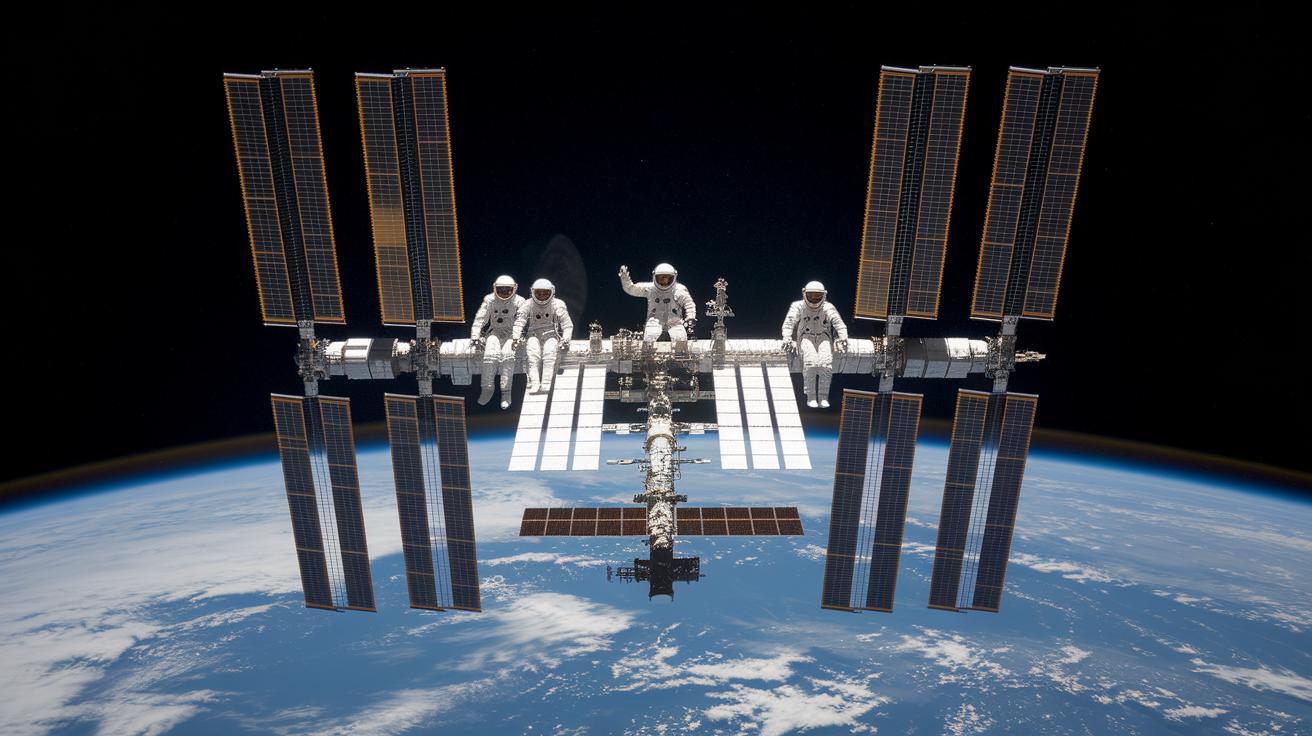
The International Space Station stands as one of the most amazing teamwork projects ever built, with experts from NASA, Roscosmos, ESA, JAXA, and CSA joining forces. Back in 1998, the journey began with key pieces like the Zarya module (a vital starting block) in November and Unity in December. Picture it like the first strokes of a colorful painting, laying the groundwork for a safe and fully functioning space home.
As the ISS expanded, it became a buzzing lab where scientists from around the world work together in a weightless setting. Researchers dive into everything from life sciences and physics experiments to tracking our planet from above, all in the spirit of shared discovery. Isn’t it inspiring to see how cooperation can turn those early building blocks into a dynamic hub that pushes our understanding of the universe?
Robotic Missions and Deep Space Probes in the Space Exploration Timeline
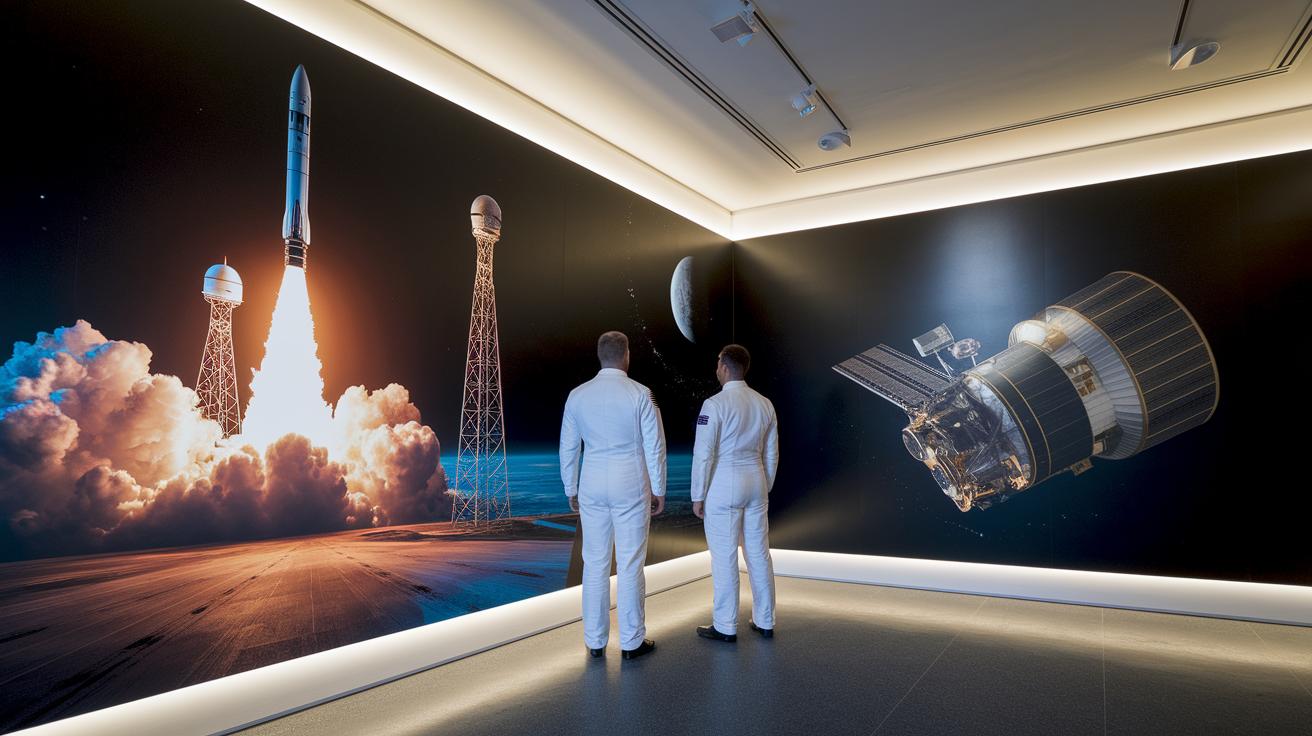
Voyager 1 and Voyager 2 started their journey in 1977 and kicked off our adventure into deep space. They sent back amazing photos and data from the giant planets in our solar system. It’s a bit like having a moving time capsule, revealing hidden secrets of far-off worlds. Imagine a messenger from Earth venturing into the unknown and capturing dramatic views of swirling storms and icy moons. Their bold trips paved the way for everything we’ve learned about the outer planets.
When the Hubble Space Telescope launched in April 1990, it completely changed our view of the universe. Hubble snapped clear, detailed pictures of galaxies, nebulae, and stars, letting scientists explore space wonders like never before. Think of it as a super-powered camera in space that peers deep into the cosmos, freezing moments in time. Picture gazing at a portrait of the universe, where every twinkle of starlight tells a story that stretches back through the ages.
More recent missions have taken our exploration even further. In July 2015, New Horizons flew right past Pluto, giving us a close-up look at this dwarf planet and its unique features. Then, in 2018, the Parker Solar Probe began its daring flybys of the sun, collecting important details about our star’s behavior. And in December 2021, the James Webb Telescope set sail on a mission to study the early universe, shedding new light on how galaxies and stars formed. These unmanned missions continue to expand our cosmic knowledge in incredible ways.
Commercial Space Ventures and Future Deep Space Plans

Since 2008, private companies have been shaking up space exploration with bold, fresh ideas. Companies like SpaceX led the way with reusable rockets (rockets that can fly more than once), lowering costs and changing how we look at space travel. It’s amazing to see businesses stepping in where governments once ruled, making space a place for daring experiments and new adventures. Imagine watching a rocket soar upward, knowing it came from a busy commercial facility, and thinking, “This is where the future is headed!”
- SpaceX’s Falcon 9 rockets have landed successfully more than once, proving they’re ready for repeated missions.
- Blue Origin’s New Shepard has completed suborbital flights, including tests with crew, adding a fresh twist to space tourism.
- Virgin Galactic’s VSS Unity has offered commercial spaceflights, paving the way for space travel to become a normal part of our lives.
NASA’s Artemis program is set to take people back to the Moon by 2025, a goal that’s sparking excitement all over the world. And with plans for crewed missions to Mars in the 2030s, private companies are expected to play an even larger role. Each new project brings us one step closer to a future where space isn’t just for a few, but is an open frontier for everyone’s wonder and exploration.
Final Words
In the action of recapping our space adventure, we traced a path from early rocket tests to landmark crewed flights and robotic probes. We saw Sputnik’s spark, daring human missions, and key milestones that pushed technology forward. Each section showed a slice of history that helps decode how innovations build on one another.
This clear rundown of events in the timeline of space exploration leaves us inspired about new steps opening up on the horizon.
FAQ
What is the timeline of space exploration since 1950?
The timeline of space exploration since 1950 highlights milestones from Sputnik’s 1957 launch to modern missions like the James Webb Telescope, marking key events that defined humankind’s leap into the cosmos.
Where can I find a space exploration timeline PDF?
The space exploration timeline PDF is a document that outlines major milestones and key events. It’s often available on educational or government websites to help readers understand our advances in spaceflight.
What are the 7 space shuttles in order?
The inquiry refers to the space shuttle fleet, which includes test vehicle Enterprise and orbiters Columbia, Challenger, Discovery, Atlantis, and Endeavour. Official missions were flown by the orbiters excluding Enterprise.
What happens every 176 years in space?
The idea that something happens every 176 years in space does not align with widely recognized celestial cycles or space milestones. No major recurring event on this specific interval exists in mainstream space exploration history.
Why did NASA wait 50 years to go back to the Moon?
The reason NASA waited 50 years is tied to evolving priorities, budget adjustments, and a shift from the Apollo era to modern exploration approaches, focusing on technology improvements and international partnerships before returning to the Moon.