


Imagine a hospital that can tell when you're unwell before you even notice it. Picture small devices quietly chatting with each other, guiding the care team to step in at just the right moment. This isn’t some sci-fi fantasy, it's smart hospital technology working today to make care more efficient. High-tech sensors and smart systems keep your information up to date, so doctors can respond quickly and accurately. In a hospital where every tool has its own role, you get the kind of attentive care that turns routine visits into smoother, more reliable experiences.
Smart Hospital Technologies: A Comprehensive Overview

Smart hospital technologies are changing how care is given by using machine intelligence (AI) and the Internet of Things (small devices that talk to each other) to predict issues before they become critical. Imagine being in a hospital where sensors quietly monitor your health and alert staff the moment something seems off, this is the kind of proactive care that helps patients get timely attention.
At the heart of this innovation is a network where different devices and software work closely together. These systems update patient records, track equipment levels, and coordinate staff like a well-rehearsed team. It’s like the hospital transforms into a single, smooth-running machine where every part plays its role without missing a beat.
The impact is really uplifting. With instant access to updated information, doctors can make decisions quickly, cutting down on long waits and skipping tests that aren’t needed. Patients benefit too, as the system keeps a careful eye on their condition and notifies healthcare teams about even the tiniest changes. In the end, this smart, responsive approach makes the whole hospital experience more efficient and reassuring for everyone involved.
IoT Integration in Smart Hospital Technologies
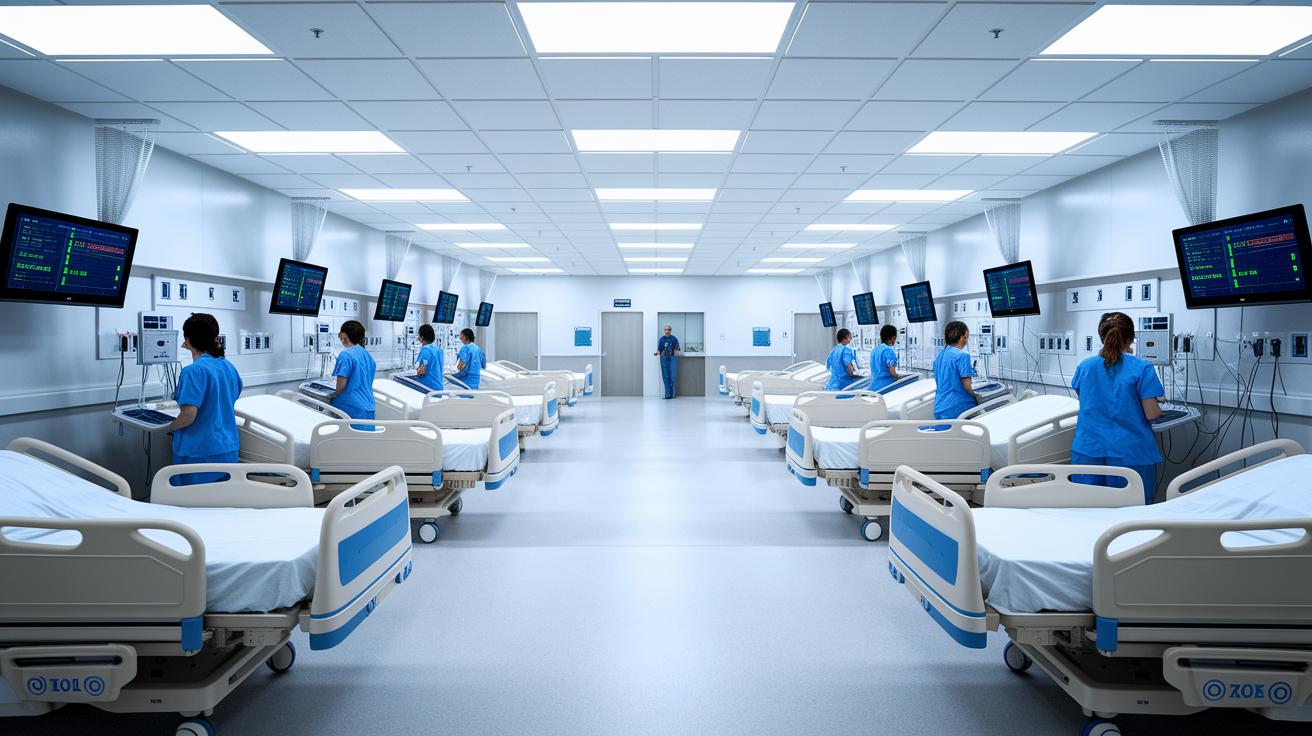
Hospitals are now hooking up everyday devices and sensors to create a smart, connected network. With these tools, patient data and equipment statuses flow continuously to help doctors make quick decisions. All this information moves to a central system where it helps plan recovery and sends out alerts when a patient’s condition changes unexpectedly. Smooth integration means every sensor and monitor talks the same language, boosting patient care while making things like maintenance, scheduling, and energy use easier to manage.
- Smart beds that check pressure and occupancy
- Wearable trackers that keep tabs on movement and vital signs
- RFID tags for keeping track of equipment
- Smart pumps that confirm dosages
- Environmental sensors that monitor air quality and temperature
These tools show how hospital operations are evolving into data-driven environments. By using real-time information, hospitals can plan recovery better and step in before small issues become serious. Plus, systems that manage energy help cut waste and support a more sustainable setup. In short, blending smart IoT tech with everyday clinical work is paving the way for care that’s both efficient and truly proactive.
AI-Driven Smart Hospital Technologies for Clinical and Operational Excellence
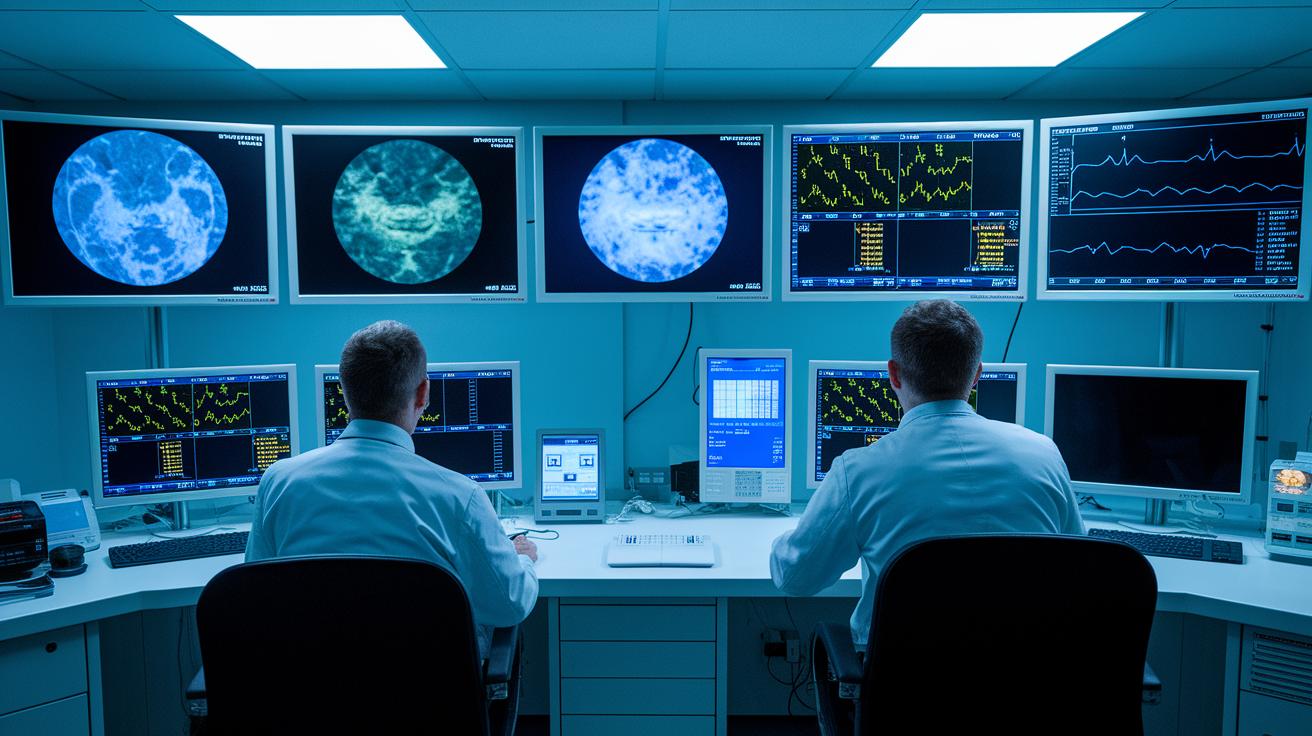
AI is changing the way hospitals work and care for patients. Picture a system that can read MRIs and X-rays in seconds while helping doctors make smarter decisions. These tools handle tasks from booking appointments to managing bills and discharge paperwork. By quickly sifting through loads of data, AI lets doctors focus more on patient care and less on paperwork. The faster test results mean patients get treated sooner and often with better outcomes.
Case Study: PathAI Collaboration
A major US healthcare system joined forces with PathAI to push the limits of medical diagnosis. This partnership used machine learning (computers that learn from patterns) to reduce cancer misdiagnoses by 65%. PathAI’s system sped up the review of lab samples, giving doctors timely insights. This project shows that blending AI with traditional diagnosis can help plan treatments better and cut down on delays. For more details, check out https://fairlygreat.com?p=424.
Hospitals using these smart systems are finding that automated tasks and real-time data help create smoother workflows. Now, computerized support systems alert staff to issues quickly, making it easier for both clinical and support teams to work together. As these AI tools improve, healthcare workers can keep their focus on patients, while faster, well-informed decisions help when every second counts. AI is paving the way for smoother care steps and better use of resources, benefiting both patients and the people who care for them.
Remote Patient Monitoring Technologies in Smart Hospital Technologies

Hospitals are now using remote monitoring to check on patients even when they're at home. Wearable gadgets and mobile health apps send important signs like heart rate, blood oxygen (the level of oxygen in your blood), and irregular heartbeats right from the living room. This means doctors and nurses get quick alerts if something seems off, so they can jump in faster with care that really fits each patient.
By linking these remote monitors with dependable online health systems, hospitals remain in touch and keep track of how patients are doing day by day. This smooth flow of information makes it easier to manage long-term health problems and helps patients feel more secure as they move from hospital care back to home.
| Device | Monitored Metric | Use Case |
|---|---|---|
| Smartwatch | Heart rate | Post-op recovery |
| Pulse oximeter | SpO₂ | COPD management |
| Wearable ECG patch | Arrhythmia detection | Cardiac patient monitoring |
| Bluetooth glucometer | Blood glucose | Diabetes care |
Using these smart digital tools, hospitals stretch their care well beyond the usual walls. The real-time details from these devices help catch problems early, making sure help is given when it is needed most. This connected approach is all about keeping patients in the loop, so everyone feels supported every step of the way.
Data Analytics and Security in Smart Hospital Technologies

Smart hospitals are stepping up their game by mixing data analytics with smart tools like AI (which helps computers mimic human thought) and IoT (devices that share information with each other). This clever blend helps hospitals predict when equipment might need a little fix before it suddenly stops working. They gather a continuous flow of data from various connected devices and save it on the cloud (online storage). By doing this, hospitals can easily see trends in energy use and how patients move through the facility, making care smoother and decisions quicker.
Keeping patient information safe is just as important. Hospitals use strong cybersecurity setups to lock down electronic health records on cloud platforms while following strict rules like HIPAA (laws that protect personal health details). They use measures such as encryption (scrambling data so only the right people can read it) and multifactor authentication (asking for extra proof of identity) to guard against unwanted access. This helps everyone feel confident that only authorized users can see sensitive information.
We’ve even seen digital hospital models come to life. For example, a leading healthcare institution paired with a major tech company has cut down waiting times and automated routine tasks using data analytics. These systems also branch out to offer services like telehealth, so you can get help even if you’re not in the clinic. With these updates, hospitals boost their efficiency while keeping security front and center, ensuring patient care and data protection are always top priorities.
Telemedicine and Interoperability in Smart Hospital Technologies

Telemedicine is really changing how we get care these days. Patients can now chat face-to-face with their doctors through secure video calls. They can get exams, e-prescriptions, and follow-up advice without stepping into a clinic. It’s like having a doctor in your pocket, thanks to smart telemedicine tools that make these digital visits simple and safe.
A friendly virtual care assistant often guides you through each step during these online visits. And hospitals are using digital health platforms to bring all the pieces together, making sure every alert and message is shared seamlessly. In plain terms, this means that when you or a loved one has a remote consultation, the doctor can see and update your records at the same time, ensuring nothing gets missed.
This digital magic goes beyond just the video visit. It even connects emergency services. Imagine ambulances, first responders, and hospital departments all sharing the same up-to-date patient details. Digital room signs and interactive whiteboards can instantly show things like lab results or which beds are filled, all because they’re hooked directly into electronic health records.
In truth, combining these virtual assistants with a connected system creates a stronger network where care is faster and more error-proof. So whether you’re at home or in an ambulance, telemedicine is here to ensure you receive the right care exactly when you need it.
Future Trends and Challenges for Smart Hospital Technologies
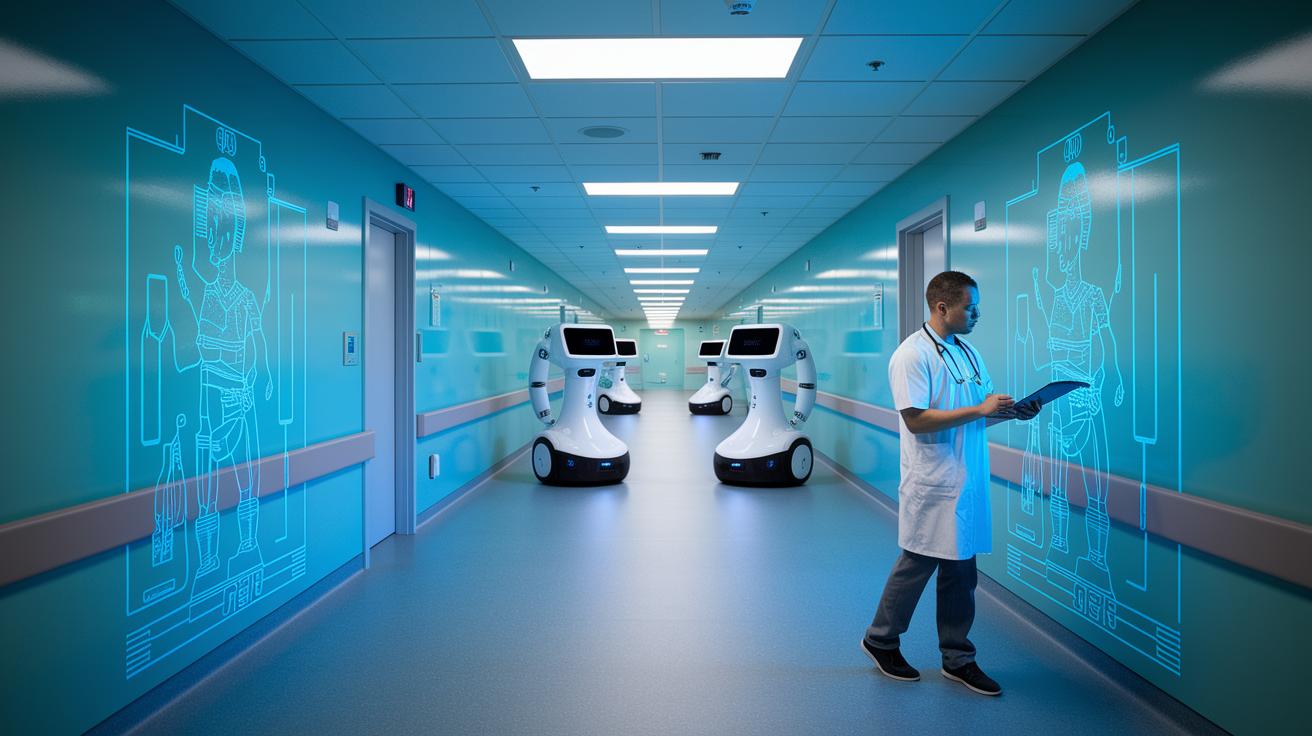
Hospitals are on the verge of exciting changes as technology transforms how care is delivered. Soon, smart hospitals will use nearly lifelike simulation tools to help clinical staff practice critical tasks without any risk. Meanwhile, clever AI programs are learning to spot issues before they become major problems, and advanced robots might soon take over routine care tasks.
Digital hospital models are working to cut down waiting times and expand care to patients in remote areas. But behind these promising innovations are real challenges. Hospitals need to update older systems, train everyone on the new tools, and keep the entire network running safely and smoothly.
- AR/VR simulation for clinical staff training
- Predictive maintenance using AI analytics
- Robotic process automation for logistics
- Biometric security for patient data protection
- Virtual reality patient engagement programs
These trends are creating a smarter, more responsive care system and opening new ways to train staff and manage daily operations. As hospitals bring in these cutting-edge digital tools, they’ll also need to tackle challenges like modernizing their infrastructure and ensuring smooth, continuous network communication. Investing in staff training and building strong, resilient networks are essential steps to make sure these innovations really improve patient care.
Final Words
In the action, we explored smart hospital technologies, from IoT devices and AI-driven diagnostics to remote monitoring, secure data management, telemedicine, and eye-opening future trends. Each section painted a clear picture of how integrated clinical systems and connected care can transform patient care with real-time insights and improved operations.
This blend of technology shows a meaningful shift toward proactive and accessible healthcare that benefits everyone. It feels like we’re just scratching the surface of what smart hospital technologies can truly achieve.
FAQ
What is a smart hospital and what are its features?
The smart hospital means a facility that uses AI and connected devices to offer real-time patient monitoring, integrated clinical systems, and smarter operational workflows for better care.
How does smart hospital AI improve patient care and clinical outcomes?
The smart hospital AI improves patient care by automating diagnostics and scheduling while reducing errors, as shown in case studies where collaboration led to a significant drop in pathology mistakes.
Where can I access further information like smart hospital PDFs or demos?
The smart hospital PDFs and demos can be found in online resources and institutional publications that provide detailed overviews and visual walkthroughs of smart hospital technologies.
What do Smart Hospital UTA and SMART Medical Centre refer to?
Smart Hospital UTA and SMART Medical Centre denote examples of institutions that have adopted integrated technologies, showcasing the use of AI and IoT to create efficient and patient-centered care systems.