


Have you ever wondered if solar energy is a real game-changer or just an expensive promise? Solar panels can cut your monthly bills and help you move toward cleaner power, while also guarding against grid issues. But they come with a high upfront cost and may not work as well on cloudy days. It’s kind of like flipping a coin: one face shows lower bills and green energy, and the other shows pricey investments. Today, we'll take a closer look at both the sunny benefits and the cloudy drawbacks so you can decide if solar power is right for your home and lifestyle.
Comprehensive Overview of Solar Energy Benefits and Drawbacks
Solar energy turns sunlight into electricity using panels that capture about 20–23% of the light. Since the sun is always shining somewhere, this energy source is as renewable as it gets, offering a dependable alternative to fossil fuels. It’s also a cleaner option that can lower your reliance on an unstable grid and might even raise your home’s value.
That said, it’s wise to consider both the upsides and downsides. Solar power can save you money over time and help you achieve a sense of energy independence, as most systems pay for themselves in 5 to 10 years. But, you should also know about its challenges. The initial cost is pretty high (around $21,600 on average before any incentives), solar panels work less efficiently on cloudy days, and there are some environmental concerns related to manufacturing emissions and recycling issues.
| Benefit | Drawback |
|---|---|
| Endless and renewable energy source | High upfront investment |
| Lower utility bills and grid independence | Performance drops in low sunlight |
| Potential increase in home value (around 6.9%) | Requires proper roof space and orientation |
| Payback period of 5 to 10 years | Weather-related variability in performance |
| Minimal maintenance with occasional cleaning | Challenges in recycling and disposal |
These points highlight the real-world trade-offs you might face. While solar power offers attractive financial benefits and a move toward a more sustainable future, it also comes with initial costs and some performance issues. Balancing these factors is key to figuring out if solar energy is the right fit for your home and lifestyle.
Key Benefits of Solar Energy Installations

Homeowners now have more than the usual solar perks. With these updates, you get access to smart home tools and appealing financial incentives that make a real difference.
For example, you can enjoy a 30% federal tax credit on your entire system if you choose the Residential Clean Energy Credit. You also earn credits through net metering, which means extra energy you create can lower future bills. Plus, you can control your panels, battery storage, and HVAC remotely with smart home integration.
You also benefit from enhanced control with real-time usage data, so you can tweak your settings during those busy energy times. And if you love the off-grid lifestyle, there are versatile setups perfect for powering tiny homes or RVs. All these features work together to help keep your energy bills low even when utility rates go up.
| Pro | Con |
|---|---|
| Attractive tax credit | Upfront investment costs |
| Earn bill credits through net metering | Varies by site suitability |
| Smart integration for better energy management | Technology updates may be necessary |
All of these modern features mix smart technology with solid financial benefits to give you a fresh look at solar energy. It’s like having the freedom to adjust your energy use just the way you want, kind of like tweaking the brightness of your room with a quick tap on your phone.
Challenges and Cons of Solar Energy Systems
When it's really hot, solar panels lose a bit of their oomph. For every extra degree over 25°C, they drop about 0.5% in efficiency. So if the temperature hits 30°C, you're looking at roughly a 2.5% decrease, kind of like a battery slowly draining in the heat.
Even a little shade can make a big difference. Just a modest branch or a nearby tree cutting a bit of sunlight can drop your panel's output by anywhere from 20% to 50%. It’s like when you get a tiny interruption in your favorite show and suddenly everything feels off.
And don’t forget about the extra work your home might need. Sometimes, you have to spend between $1,000 and $5,000 to strengthen your roof so it can support the solar panels safely. Imagine having to invest an extra $3,000 just to make sure everything holds up, it really adds to the overall cost.
Economic Analysis for Solar Panel Investments
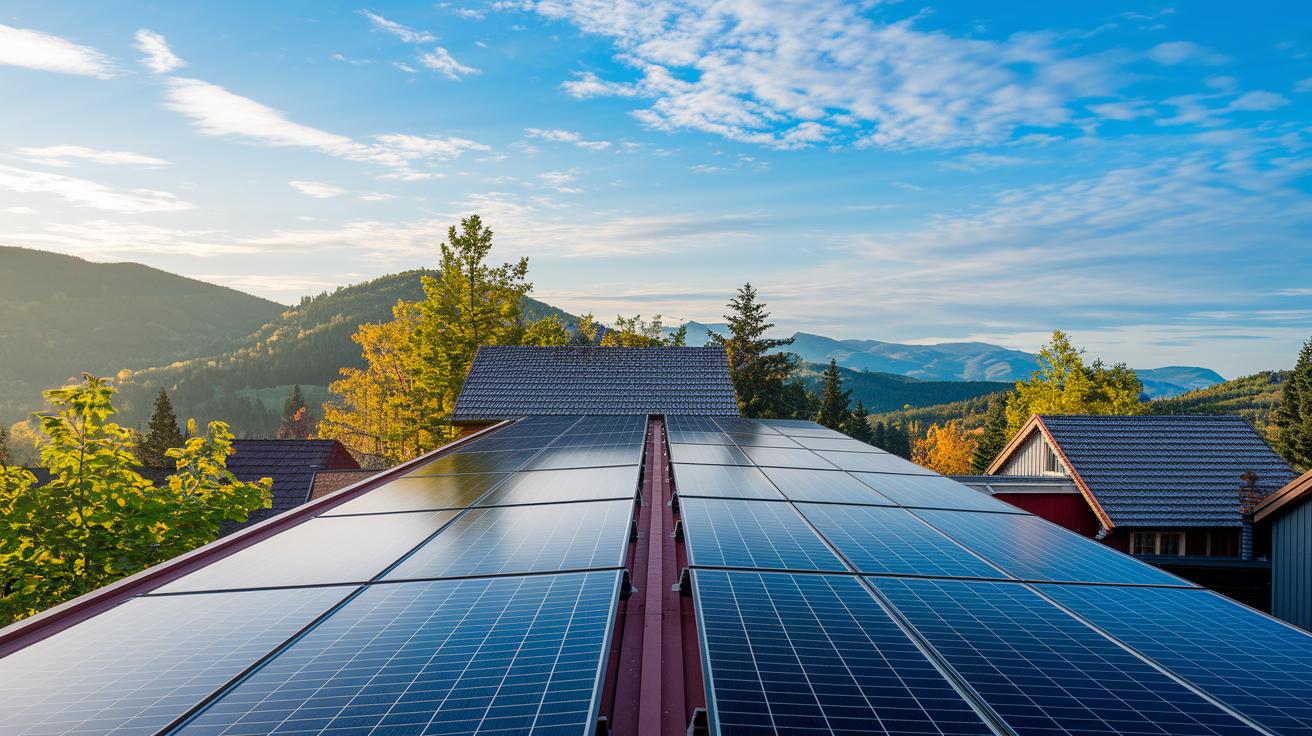
Solar panels can cost about $3.03 per watt before any discounts kick in, which might seem pretty high at first. But here’s the cool part: you can snag a 30% federal tax credit that can bring the final price down to around $15,120. Plus, many state and local programs chip in even more savings. And if your area has good net metering rules, which basically let you lower your power bill by giving extra energy back to the grid, you might see your annual electricity costs drop by 50-75% right after your system is set up.
Most folks see their solar panels paying for themselves in about 5 to 10 years. This quicker payback comes in part from the steady rise in electricity prices by about 3-5% every year, which makes doing away with grid power even sweeter. There are different ways to finance these systems too. For example, leasing or power purchase agreements (PPAs) let you start without a big upfront cost, though you might save less over time. On the other hand, buying your own system tends to maximize your long-term benefits, especially when you use the tax credit and net metering to your advantage. This gives homeowners the freedom to choose the option that fits their budget and savings goals best.
When you compare solar energy with traditional power sources, the numbers tell quite a story. Average U.S. electricity costs hover around $0.14 per kilowatt-hour, but solar energy comes in at roughly $0.05 to $0.10 per kilowatt-hour. That’s a big win for solar power in the long run. Plus, installing solar panels can boost your home’s value, even if it might lead to a bit higher property tax (often offset by special exemptions). All in all, these numbers make a strong case for investing in solar energy, not just as a green choice but also as a smart financial move.
Environmental Impact and Sustainability of Solar Energy
Solar energy is a game-changer because it produces power without pumping harmful gases into our air. Homes using solar panels can avoid releasing CO₂, which saves about 3–4 tons of carbon dioxide each year. Picture your home not only lighting up your evenings but also easing the load on our planet’s atmosphere.
We need to look at the whole journey of a solar panel. Even though solar energy is clean once in use, making the panels does create some emissions, around 50–100 grams of CO₂ per kilowatt-hour (the energy unit) over a typical 25-year lifespan. This amount is much lower than what you’d expect from coal-fired power. But there’s more to consider. Building large solar farms takes up a fair bit of land, usually around 3.5 acres for each megawatt, which can affect local wildlife and plants. And when the panels get old, recycling becomes a challenge since only about 30–40% of the glass, aluminum, and silicon can be recovered.
When you consider the full life cycle, solar panels still stand out as a cleaner option than fossil fuels. Although they lose roughly 0.5% efficiency every year and might only deliver 80% of their original output after 25 years, they consistently emit far fewer harmful gases. This overall advantage makes solar a sustainable choice that aligns with our long-term goal of a cleaner, healthier energy landscape.
Solar Energy Efficiency Performance and Technical Challenges
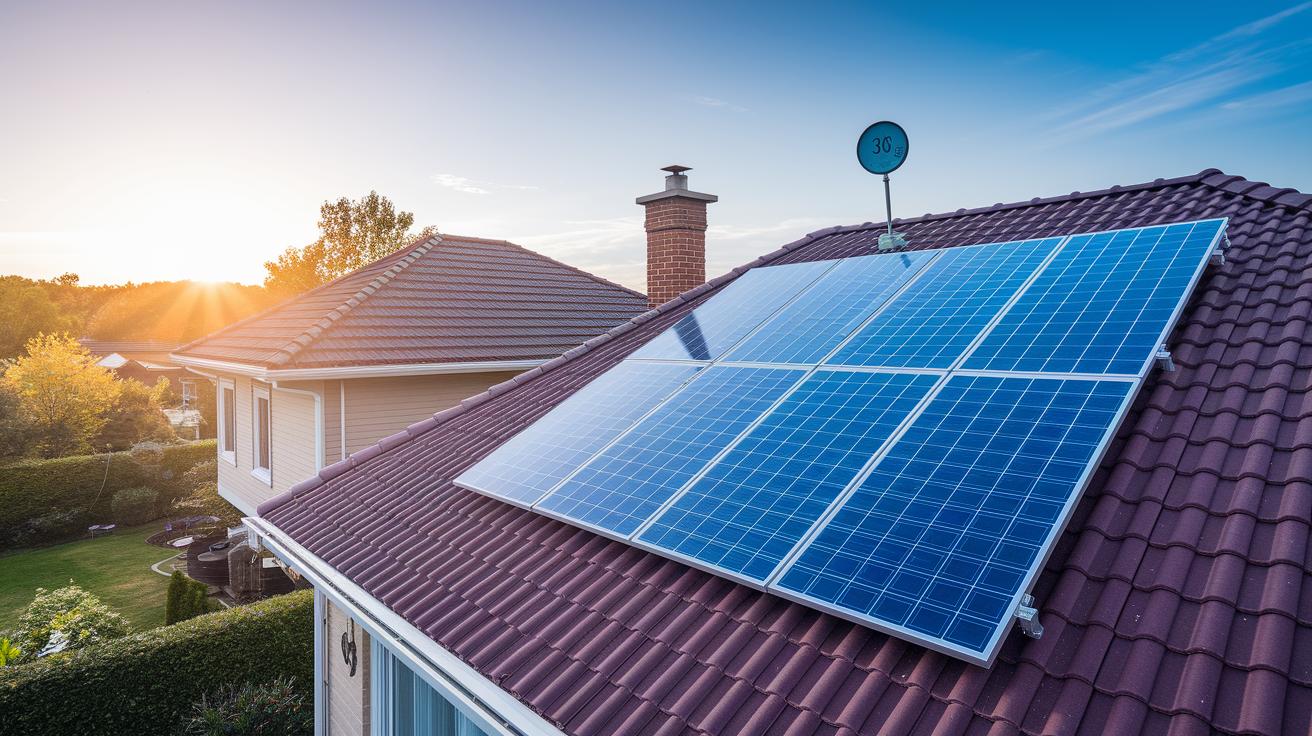
Today’s solar panels usually convert about 20–23% of sunlight into electricity, with some of the latest research cells even crossing the 25% mark. This progress comes from ongoing research that keeps pushing the limits of these systems, you might even picture your roof turning into a mini power plant one day.
But here’s an interesting twist: as temperatures climb above 25°C, panels lose about 0.5% efficiency for every extra degree. Even a bit of shade on one part of a panel can drop its output by 25–30%, kind of like how a small change in a recipe can totally change the taste of your favorite snack.
There are also cool new designs like bifacial and PERC modules, which can boost your energy yield by up to 10% in perfect conditions. These innovations work by capturing sunlight from both sides and using improved materials. Plus, tracking systems that adjust to the sun’s angle help keep performance steady all day long.
Finally, tweaking the panel tilt and azimuth can lift annual energy output by 15–20%. With the right installation and positioning, your panels can soak up more sunlight, ensuring you make the most of every sunny day.
Final Words
In the action, this article navigates through solar energy's bright potentials and practical setbacks. It offered a clear look at home benefits like cost savings and value boosts while also addressing concerns of efficiency drops and setup costs. The piece broke down the economic, environmental, and technical aspects so readers could weigh the solar energy pros and cons thoughtfully.
Overall, the insights spark practical ideas and optimism as we continue to explore smart, sustainable power choices.
FAQ
Frequently Asked Questions
Q: What are the pros and cons of solar energy?
A: The pros include cost savings, tax credits, energy independence, and increased home value. The cons cover high upfront costs, reduced efficiency in low light, space demands, and recycling challenges.
Q: What are the advantages of solar energy?
A: The advantages of solar energy are saving on utility bills, receiving tax incentives, using net metering credits, boosting property values, and gaining energy independence.
Q: What are the disadvantages of solar energy?
A: The disadvantages of solar energy involve high installation costs, inconsistent performance on cloudy days or at night, space limitations, and environmental impacts from production and disposal.
Q: What is the biggest problem with solar panels?
A: The biggest problem with solar panels is their heavy reliance on sunlight, which causes significant efficiency drops during cloudy weather, at night, or when shading blocks the panels.
Q: Why is my light bill so high if I have solar panels?
A: A high light bill despite solar panels may occur when the system does not generate enough power due to limited sunlight, inefficiencies, or energy use exceeding the solar production.