


Have you ever thought that modern healthcare might belong in a sci-fi story? Medical breakthroughs are turning what once seemed like fantasy into everyday reality. More than £200 million is fueling research that gives us everything from 3D-printed implants to gene therapy (which targets specific genes). In truth, all these advances show how cutting-edge technology and smart investments can make care clearer, more accurate, and easier for everyone to access.
How Medical Innovations Are Transforming Patient Care Today
Medical breakthroughs are changing how patients receive care, making what we once only dreamed of a reality. Over £200 million has been invested in discovery research around the world to find new cures. Think about it: the first smallpox vaccine in 1796, John Snow’s groundbreaking work on how diseases spread, and the start of anesthesia all reshaped medical practice. These milestones paved the way for the cutting-edge healthcare we see today (see "Breakthroughs in medical science").
Modern research builds on these early wins to keep pushing patient care to the next level. For instance, the rise of 3D printing in the 1980s led to incredibly precise medical device creation, and gene therapy (a treatment that targets specific genes) now offers tailored treatment options. A curated list of 17 top healthcare innovations for 2024 highlights projects that aim to make care more efficient, accessible, and affordable. This shows how dedicated funding and fresh ideas are continuously transforming treatment strategies around the globe.
Every bit of ongoing research fuels improvements in patient care, from early diagnostic tests to advanced therapies. New tests, medicines, and procedures all sprout from the strong foundations built by past discoveries. This unyielding pursuit of progress means that patients now benefit from more effective prevention methods and personalized treatments, keeping the promise of better outcomes at the heart of modern healthcare.
- Classic Breakthroughs (vaccines, tracking disease spread, anesthesia)
- Biotech Innovations (insulin, gene therapy)
- Advances in Medical Devices (3D printing, surgical robots)
- Digital Health Tools (telemedicine, online care platforms)
- Personalized and Regenerative Treatments
Each of these categories shows a unique slice of progress in medical science. As research continues and investments grow, patient care becomes smarter, more precise, and easier to access, revealing how discovery research constantly shapes global healthcare.
Disruptive Medical Device Innovations Driving Treatment Advances

New tech is completely changing the way we care for patients. Today’s devices offer smart, hands-on solutions that help surgeons during operations and keep a close eye on patient health. For instance, eye-tracking systems watch where doctors focus during imaging tests so they can make quicker, better decisions. At the same time, nano-sized seaweed sensors give accurate health readings with very little intrusion. And if you're into realistic practice, there’s an intravenous training arm that feels almost like the real thing, with touch feedback and remote control. Plus, AI-powered orthopedic insoles are now helping reduce the risk of lower-limb amputations in diabetic patients.
| Device | Application | Impact |
|---|---|---|
| Eye-Tracking System | Watches where surgeons focus during imaging | Enhances decision-making |
| Nanocomposite Seaweed Sensor | Monitors patient vital signs | Provides precise, minimally invasive readings |
| Intravenous Training Arm | Simulates hands-on procedural training | Improves practical skills |
| Orthopedic Insole | Supports diabetic foot care | Helps lower amputation risks |
These innovative tools are blending research with everyday care. They’re making surgeries safer and training more effective, which means better outcomes for patients every day.
Digital Health Trends and Telemedicine Innovations Improving Medical Care
Digital health and telemedicine innovations are changing how patients get care. Thanks to smart digital tools, health check-ups can now happen nearly anywhere. This shift not only makes expert advice more accessible but also speeds up how quickly care is delivered in real time.
Take mental health support as an example. Some online platforms use machine learning (computer systems that learn from data) to detect warning signs and offer help right away. Then there's the GAMAT method, which blends computer vision (tech that analyzes images) and LIDAR (a light-based measuring tool) to perform mobility assessments with impressive accuracy. Think of it like a security camera teaming up with radar, giving doctors detailed movement data without any invasive procedures.
Telemedicine services are also stepping up their game by using these digital breakthroughs to check up on patients from afar. With these virtual visits, you can consult with health professionals right from your home, cutting down on travel and wait times. This new way of providing care makes health services faster, friendlier, and more convenient for everyone.
AI and Machine Learning in Medical Innovations
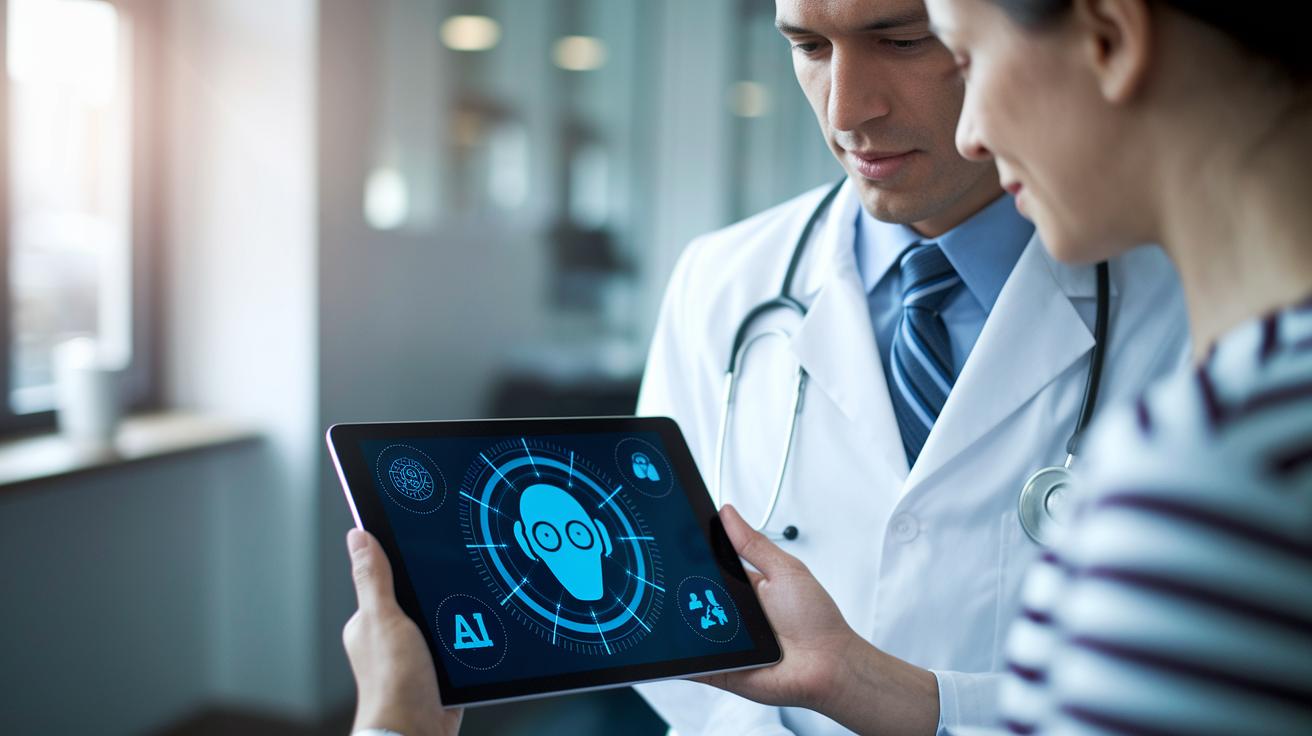
Have you ever wondered how new tech is transforming healthcare? Artificial intelligence (AI) and machine learning are changing the game for doctors by offering smart tools that improve how we diagnose and treat illnesses. They speed up data analysis and give quick hints about what might be coming, shifting care from waiting until something goes wrong to catching issues early and handling them with care.
Machine Learning for Early Disease Detection and Screening
Think about this: millions of people around the world are affected by conditions like Alzheimer’s or Parkinson’s, often only spotted when it's too late. Machine learning systems work like a keen assistant that sifts through mountains of brain scans and clinical records to catch tiny changes long before these diseases become obvious. Imagine a tool that learns from thousands of patient histories and nudges your doctor when it spots a worrisome pattern. That’s the magic at work here, giving healthcare providers a head start on personalized, proactive treatment.
AI-Driven Microbiome Mapping for Personalized Treatments
Then there’s AI mapping our microbiomes, the tiny communities of germs living on our skin and in our bodies. By studying the mix of bacteria in individuals, AI helps doctors craft treatments that fit you like a glove. Instead of a one-size-fits-all approach, this technology allows for treatments tailored to your unique biology. It means less guesswork and more precise care, which can make a big difference in improving your overall health.
Regenerative Medicine and Personalized Medicine Advances in Medical Innovations
Healthcare is getting a fresh twist thanks to breakthroughs in regenerative medicine and personalized treatments. Back in the 1980s, 3D printing got its start and led to cool developments like bioprinting and tissue engineering. Scientists began experimenting with how to grow living tissues, which opened the door for new ways to replace injured organs. It’s amazing to see how early research in these areas is setting the stage for tomorrow’s medical breakthroughs.
Gene therapy has taken center stage as a careful, direct way to tackle diseases. Rather than just easing symptoms, these treatments zoom in on changing genes, the building blocks of life, to hit problems right at their source. Years of study into human biology have paved the way for these precise techniques. This means that treatments can be adjusted to match the unique genetic makeup of each person, and that’s a big step toward truly personal care.
Today, personalized medicine mixes detailed genetic insights with advanced therapies to tailor treatments just for you. Researchers look at each patient’s own data to design interventions that fit them like a glove. By bringing together gene therapy and tissue engineering, scientists are creating well-rounded approaches to treat long-term conditions and fix body systems piece by piece. And let’s face it, combining the best of regenerative science with personalized medicine is reshaping how we tackle health challenges, making care as unique as the individual receiving it.
Wearable Health Technology and Medical Innovations in Remote Monitoring

Wearable devices are changing the way we monitor health and are expected to create a market worth nearly $38.9 billion by 2026. These gadgets do more than just track our vital signs in real time, they’re shifting how healthcare dollars are spent and stirring up new discussions about rules and regulations.
Recent studies share stories and examples that show both the benefits and the challenges of using wearables. One patient mentioned, “My device alerted me to subtle changes in my heart rate, leading me to see my doctor early and potentially avoid a serious issue.” Experiences like these remind us that while these tools can save lives, we also need strong data privacy rules and better links with our current health systems.
A quick look at the market trends:
| Market Aspect | Detail |
|---|---|
| Economic Forecast | $38.9 billion by 2026 |
| Main Concerns | Data privacy and system integration |
Emerging Trends in Medical Innovations Shaping Healthcare’s Future
Have you ever wondered how fresh ideas in healthcare are paving the way for a better tomorrow? A list of 17 groundbreaking projects gives us a clear glimpse into what’s coming next, showing new trends that are reshaping patient care and medical research worldwide. Experts are digging into data from request forms and engagement numbers to spotlight innovations that can lead to quicker, more personal treatments. Take a moment to think about it, ideas like mobile health units and remote diagnostics, once seen as a bit out there, are now setting fresh benchmarks for easier access to care.
Collaborations between researchers and industry experts are driving many of these inventions forward. But turning a cool lab discovery into something everyday patients can use isn’t a walk in the park. Challenges pop up, like how to ramp up research to serve everyone and how to handle the paperwork that comes with intellectual property deals. Even the most promising innovations can hit snags when it comes to mass production and standard rules, reminding us that sometimes, the journey to new solutions can be pretty bumpy.
Community support also plays a huge role. For example, Curestarters has boosted discovery research with over £200 million, helping to speed up breakthroughs. Looking to the future, this energetic ecosystem of health innovation is set to bring even more flexible and integrated medical solutions, making healthcare around the globe more efficient and patient-friendly.
Final Words
In the action, the article showcased how remarkable progress in medical innovations, from early breakthroughs in vaccinations to smart devices and AI-powered diagnostics, has reshaped patient care. It walked through key developments in mobile health, personalized treatments, and remote monitoring, all contributing to a dynamic, forward-thinking healthcare landscape.
Each section built on the idea of making complex science accessible. This clear, engaging exploration leaves us feeling optimistic about the positive changes emerging in healthcare today.
FAQ
What are examples of recent and upcoming medical innovations?
The recent and upcoming medical innovations include advanced biotech therapies, AI-driven diagnostics, digital health platforms, and technologies for personalized care that also address efficient waste management.
What is a medical innovation?
A medical innovation is any breakthrough that improves treatment or diagnosis through the use of new technology or modern care strategies, ultimately enhancing patient outcomes and overall healthcare practices.
What is considered the best medical innovation?
The best medical innovation depends on context, but many experts point to AI-based diagnostic tools and personalized therapeutic approaches that significantly boost treatment precision and patient care.
What is the newest medical invention?
The newest medical invention typically involves emerging technologies like nanosensors for real-time monitoring or cutting-edge devices that improve treatment accuracy and speed up recovery processes.
What is the breakthrough expected in medicine by 2025?
The breakthrough expected in medicine by 2025 centers on integrating AI and advanced analytics to provide more personalized treatments, enable early disease detection, and transform overall healthcare delivery.
What are Medical Innovations, Inc. and Medical Innovations HOSA?
Medical Innovations, Inc. and Medical Innovations HOSA refer to organizations that support healthcare advancements through research funding and educational initiatives that spotlight emerging medical breakthroughs.
What is the role of the Medical Innovations medical waste Machine?
The Medical Innovations medical waste Machine efficiently processes healthcare waste, reducing environmental risks and safeguarding public health by using innovative methods to handle and dispose of medical byproducts safely.