


Have you ever thought about how your doctor might catch an issue even before you feel something’s off? It might sound like something out of a sci-fi movie, but new health technology is making it real. Smart devices and AI (computer programs that learn like humans) are helping doctors design treatments based on your genes, habits, and even your environment.
Picture getting your blood test back in no time or chatting with a virtual health assistant who’s there when you need comfort and guidance. It’s like having a caring companion always looking out for you.
In simple terms, these breakthroughs are building a smarter, more connected healthcare system that keeps you feeling your best every day. It’s a future where staying healthy feels natural and supportive.
New Medical Technology Overview: Top Innovation Areas
By 2025, healthcare is getting a major makeover. Imagine smart AI (advanced computer programs) helping doctors spot problems faster and more accurately, from looking at images to predicting issues before they happen. And then there's hyper-personalized medicine, where treatments are made just for you, based on your genes, habits, and surroundings. Better systems for managing health data mean decisions are quicker and clearer too. If you're curious to learn more, check out these medical innovations at medical innovations.
New blood testing methods are becoming quicker and less invasive, making visits much more comfortable. Virtual healthcare assistants are also stepping in to help, they guide you through tricky care steps, set up appointments, and even keep track of your medications. Telemedicine (seeing your doctor over video calls) is also growing fast, so getting care from home is easier than ever.
Think about a smartwatch or fitness tracker giving you real-time updates on your heart rate or sleep quality. These gadgets help you stay on top of your health and catch issues early. Meanwhile, 3D printing isn’t just for simple models anymore, it now creates custom prosthetics and super-detailed organ models to help plan surgeries. Together, these smart tools are building the future of care, set to make a big difference in how we stay healthy by 2025.
AI-Driven Diagnostics in New Medical Technology
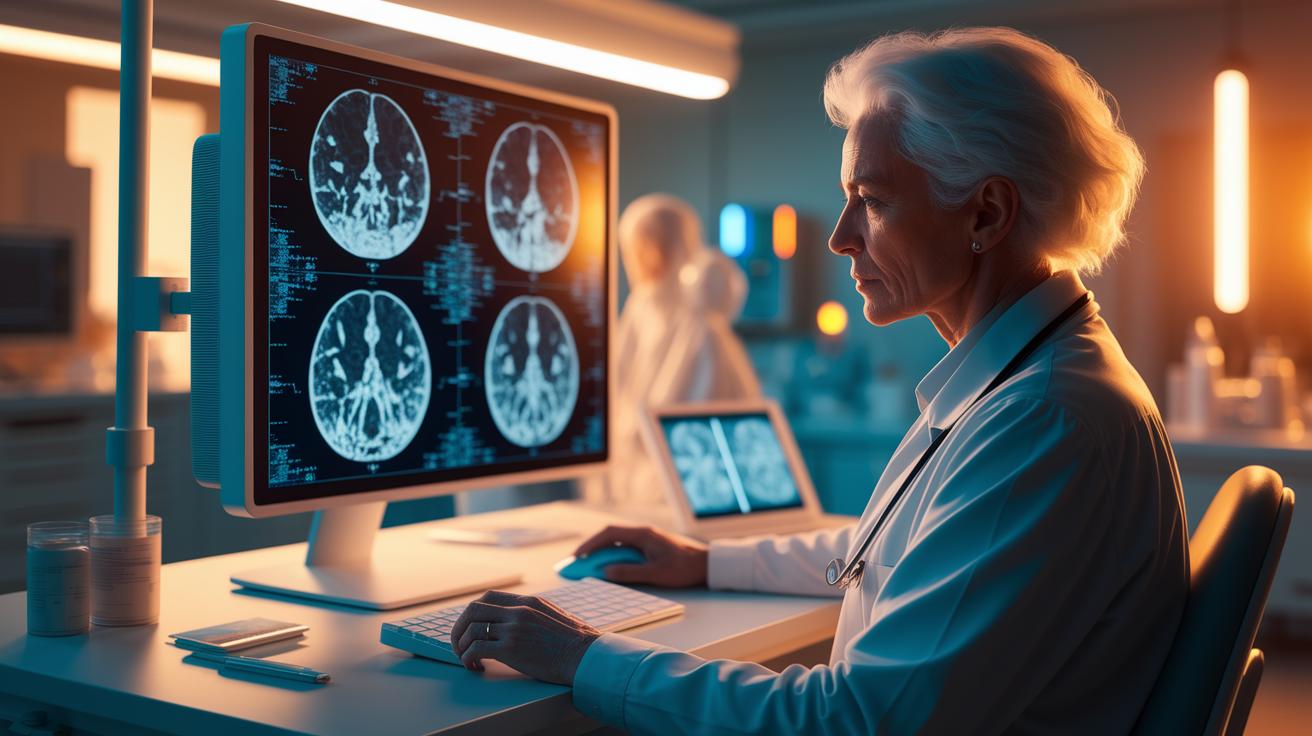
AI is changing the way healthcare makes diagnoses. By looking at detailed imaging data, doctors can spot early signs of illnesses like cancer. Machine learning models (smart computer systems that learn from data) sift through huge sets of clinical information to give more accurate results.
Take xCures' AI-driven oncology platform, for example. This tool is already making a big difference in radiology and pathology by uncovering subtle hints in complex data. These advances not only boost accuracy but also speed up the diagnostic process.
- xCures Oncology: Uses machine learning to analyze cancer images with impressive precision.
- DeepVision Radiology: Quickly processes elaborate images to help with early detection.
- SmartPath Analyzer: Improves pathology by spotting unusual tissue patterns.
- CloudDx Model: Uses cloud-based diagnostics to smooth out data analysis.
- EarlyAlert System: Finds early signs of disease with powerful image analysis.
These AI tools are truly transforming how quickly and accurately doctors can diagnose and treat patients. They reduce mistakes and speed up routine tasks, setting new standards in healthcare. As machine learning continues to grow, we expect even better diagnostic results and more personalized treatment options. It’s an exciting time when traditional methods meet innovative tech, changing the way we take care of patients on a daily basis.
Wearable Health Monitors in New Medical Technology Trends
Smartwatches and fitness trackers aren’t just for counting steps anymore. Now, they boast sensors that keep an eye on your heart rate, activity, and even sleep patterns all day long. These gadgets work right alongside medical tools to provide up-to-date health information, so you can catch changes in your well-being early.
Every day, these wearables give you a quick snapshot of your basic health stats, like how much you move and your key vital signs. Think of continuous glucose monitors as a friendly helper for people with diabetes, they offer real-time readings so you always know how your levels are doing, making you feel more secure about your health.
If you’re managing a chronic condition, wearable biosensor systems are a real game-changer. For example, Oregon-based Reperio Health has created at-home kits that deliver results in less than 30 minutes. This speedy feedback lets you pay attention to important health markers, meaning you can catch potential issues before they become a problem.
What’s really cool is that these devices can share important health info straight to your doctor. When your data flows seamlessly to healthcare providers, it helps them keep a closer watch on your condition and offer care that’s tailored just for you when you need it most.
Robotic Surgery Advancements in New Medical Technology
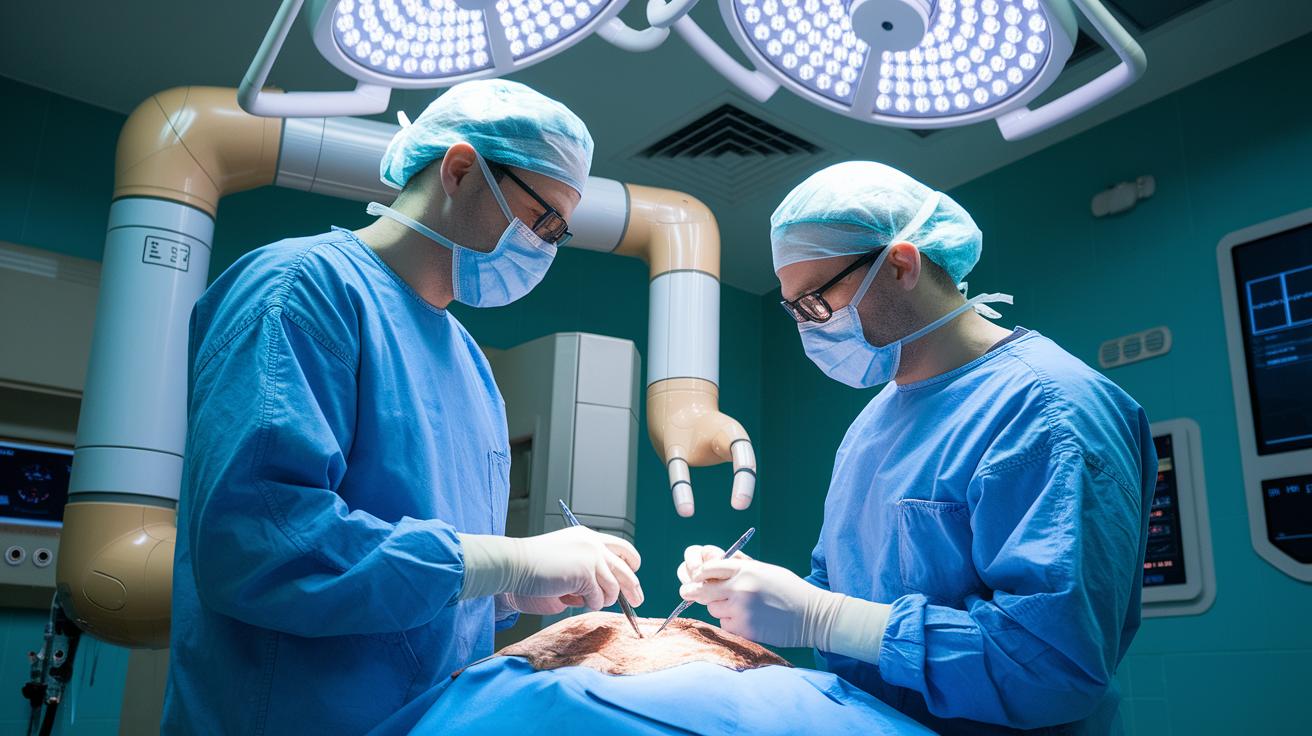
Before robotic systems came into play, surgeons had to cut open more and wait longer for recovery. Now, technology has stepped in to make surgeries less invasive and much more precise. Robotic surgery gives doctors special tools that help them work carefully with tiny cuts, meaning patients feel less pain and get back on their feet quicker.
Take the da Vinci system from Intuitive Surgical, for example. Since 2000, it's been a trusted helper in many operations. Then there's CMR Surgical’s Versius, approved in 2019, which is making waves in general and colorectal procedures. And let’s not forget EvoEndo’s 3.5 mm gastroscope. It’s a real game changer, letting doctors do unsedated endoscopies that cause less stress.
| Robot Name | Manufacturer | Application | Approval Year |
|---|---|---|---|
| da Vinci | Intuitive Surgical | Minimally invasive surgery | 2000 |
| Versius | CMR Surgical | General and colorectal surgery | 2019 |
| EvoEndo Gastroscope | EvoEndo | Unsedated endoscopy | N/A |
These advanced systems help doctors work more safely and efficiently. They let surgeons keep control while operating through small incisions, which means less risk and a speedier comeback for patients. As the need for precision grows in modern hospitals, robotic surgery shows just how much technology can change the way we heal. Isn't it amazing to see how far we've come?
Personalized Medicine Breakthroughs and New Medical Technology
Hyper-personalized medicine now customizes treatments for each person based on their unique genes and body measurements. In other words, doctors can fine-tune therapies to match your genetic blueprint and daily habits, which means the treatment is not only more effective but also less likely to cause side effects. For example, quick test strips for fertility now give real-time updates on hormone changes, so you don't have to wait long for your results.
Platforms like the one SimBioSys is developing show how digital health tools can blend with tailor-made treatments. Their Software as a Medical Device for fighting cancer (computational oncology) started in 2021, and it uses patient data to help create personalized cancer care plans. Meanwhile, new techniques like magnetic blood purification are cleaning the blood of harmful toxins, which is a big step forward for patients who need extra help with their circulation.
These innovations are changing the way treatments are chosen and given, making it possible to target illnesses more precisely than ever before. With a mix of genetic clues and smart monitoring, doctors can now pick the right treatment at just the right time, boosting success rates and cutting down on unwanted effects.
Case Study: SimBioSys Computational Oncology Platform
SimBioSys’s platform digs into lots of patient data to find the best treatment targets and tune drug responses. Right now, it's in clinical trials to see how well it predicts treatment success, and early results are really promising for the world of precision oncology.
Looking forward, personalized medicine is set to grow even more. With better data and smarter algorithms on the horizon, treatments will get even more precise. This paves the way for a future where every therapy fits perfectly with each patient's unique profile.
Telemedicine and Remote Monitoring as New Medical Technology

Since the early 2020s, telemedicine has really taken off. By 2025, experts say that almost a third of all outpatient visits could be done via remote consultations, meaning more people can get advice from their doctors through video calls and virtual check-ins without needing to travel.
AI-powered virtual healthcare assistants are now a big help in modern care. They can book appointments, remind you to take your meds, and even answer basic health questions, kind of like a friendly digital receptionist sorting out everyone's needs so you get the right help right away.
Cloud-enabled care portals also make things a lot easier. These platforms pull together all your electronic health records in one spot, letting doctors and patients connect seamlessly. With up-to-date info at their fingertips, healthcare teams can make faster decisions, keeping care more connected and efficient.
Remote monitoring devices add an extra layer of safety, too. They keep track of vital signs for those with chronic conditions and send live updates to care teams. This constant stream of data helps doctors notice changes quickly and adjust treatments almost in real-time.
Regulatory Landscape and Risks in New Medical Technology
Life sciences companies are leaning on digital tools like Qualio’s eQMS (electronic Quality Management System) to keep up with standards such as ISO 9001 and ISO 13485. These systems make it easier to track every step of the process, so even the trickiest rules feel more manageable. It’s a smart mix of technology that keeps firms ready for any check-up.
New robotic and imaging gadgets need to meet strict clearance rules. They must secure either FDA 510(k) clearance or PMA (Pre-Market Approval) depending on how risky they are. Developers put in a lot of time and effort testing these devices and handling all the paperwork. This detailed work ensures that every new tech is both safe and works just as it should before it ever reaches patients.
With a 30% jump in healthcare cyber-attacks expected in 2024, protecting data has become a top concern. Modern systems now use advanced biometric security (like fingerprint or facial recognition) and follow standards like HL7 FHIR to help different systems talk to each other. This push for secure, well-organized data not only shields patient details but also makes it easier for various healthcare providers to work together smoothly.
Final Words
In the action, we explored a variety of innovations shaping new medical technology. We looked at how AI is boosting diagnostic speed, wearables are monitoring health round the clock, and robotic systems and personalized medicine are transforming treatments.
Each section brought fresh insights into digital health innovations, telemedicine's expanding role, and the intricate regulations driving safe progress. The future looks bright as these breakthroughs create smarter, more connected care for all.
FAQ
Frequently Asked Questions
Q: What is the latest medical technology?
A: The latest medical technology integrates AI-driven diagnostics, wearable monitors, and robotic surgery systems to offer faster, personalized care in 2025, blending innovative digital tools with real-time data to improve patient outcomes.
Q: What are new medical technology devices?
A: New medical technology devices include smart wearables, advanced imaging gadgets, and robotic surgical tools that use digital platforms and sensor data to monitor health in real time while supporting efficient patient-friendly care.
Q: What is new medical technology in Northbrook, IL?
A: In Northbrook, IL, new medical technology focuses on advanced diagnostic tools and telemedicine services that improve patient care by speeding up diagnosis and offering more efficient treatment options locally.
Q: What are the latest medical technology inventions?
A: The latest medical technology inventions feature rapid blood tests, hyper-personalized treatment platforms, and precise robotic systems designed to deliver less invasive procedures and more accurate diagnostic outcomes.
Q: What are advanced medical technology examples?
A: Advanced medical technology examples include AI-based diagnostic systems, integrated wearable devices, and custom 3D printed prosthetics that provide precise, personalized treatment and represent a significant shift from traditional healthcare methods.
Q: What do new medical technology articles cover?
A: New medical technology articles cover topics like AI integration, telemedicine growth, and data-driven personalized care, offering insights into current breakthroughs and future trends that enhance healthcare efficiency.
Q: What is expected for future medical technology in 2050?
A: Future medical technology in 2050 is expected to combine long-term data analytics, gene-based treatments, and continuous remote monitoring to create an ecosystem that transforms the customization and delivery of healthcare.
Q: How do old and new medical technology compare?
A: Old and new medical technology compare by highlighting a shift from slower, traditional methods to modern approaches that use AI and wearable data, offering faster, more personalized, and efficient patient care.
Q: What is the breakthrough in medicine for 2025?
A: The breakthrough in medicine for 2025 centers on AI-enhanced diagnostics and personalized treatment approaches that drive rapid disease detection and custom therapies, marking the next big step in improving patient care and safety.