


Have you ever thought about how the air you breathe might change the way your brain works? Researchers are spotting surprising shifts in brain proteins (tiny building blocks that help our brain perform tasks) that could change the way we remember and learn.
Labs around the country are recording brain activity in fresh, new ways while testing small implants that help people with paralysis (when you can’t move) interact with computers. These breakthroughs in brain science are spurring fresh ideas, paving the way for smarter gadgets and new treatments that might one day make life better for millions.
Neuroscience Breakthrough Discoveries Shaping Modern Brain Science
Air pollution isn’t just harmful to your lungs; it can also mess with the way your brain works. Recent studies have found that chemicals in polluted air change a brain protein called CRTC1 (think of it as a helper for turning on important genes) so that it no longer works well with another protein called CREB. This mix-up can stop key genes from being turned on properly, which may make learning and memory tougher. Ever thought that breathing polluted air might slowly dull your everyday memory?
At MIT, researchers are mapping mouse brains in 3D while watching how they react to different visual cues. They pair detailed maps of brain structure with live activity, offering a fresh look at how neurons fire as events happen around them.
Over at Stanford, scientists use COSMOS bifocal microscopy to film continuous streams of neural activity across an entire mouse brain. By watching these movies, they can follow the thought process behind decisions in a way that used to seem impossible.
DeepMind is also shaking things up with an AI that learns during sleep. This AI copies parts of how our own brain is structured (neo-cortical columns) and shows impressive skills in games like chess, Go, and eSports, all while using much less computer power than the old models.
Then there’s the breakthrough from the University of Melbourne, where a tiny implant now lets people with severe paralysis control computers using just their brain signals. Scientists have even managed to turn mature brain cells into more flexible, baby-like cells by tweaking certain genetic networks. And UCSF has introduced adaptive deep brain stimulation that only kicks in when it’s needed to tackle severe depression, showing how precise and smart modern treatments are becoming.
Each of these advances is a big leap in neuroscience, helping us understand brain functions better and opening the door to new, promising therapies.
Novel Imaging Techniques in Neuroscience Breakthrough Discoveries
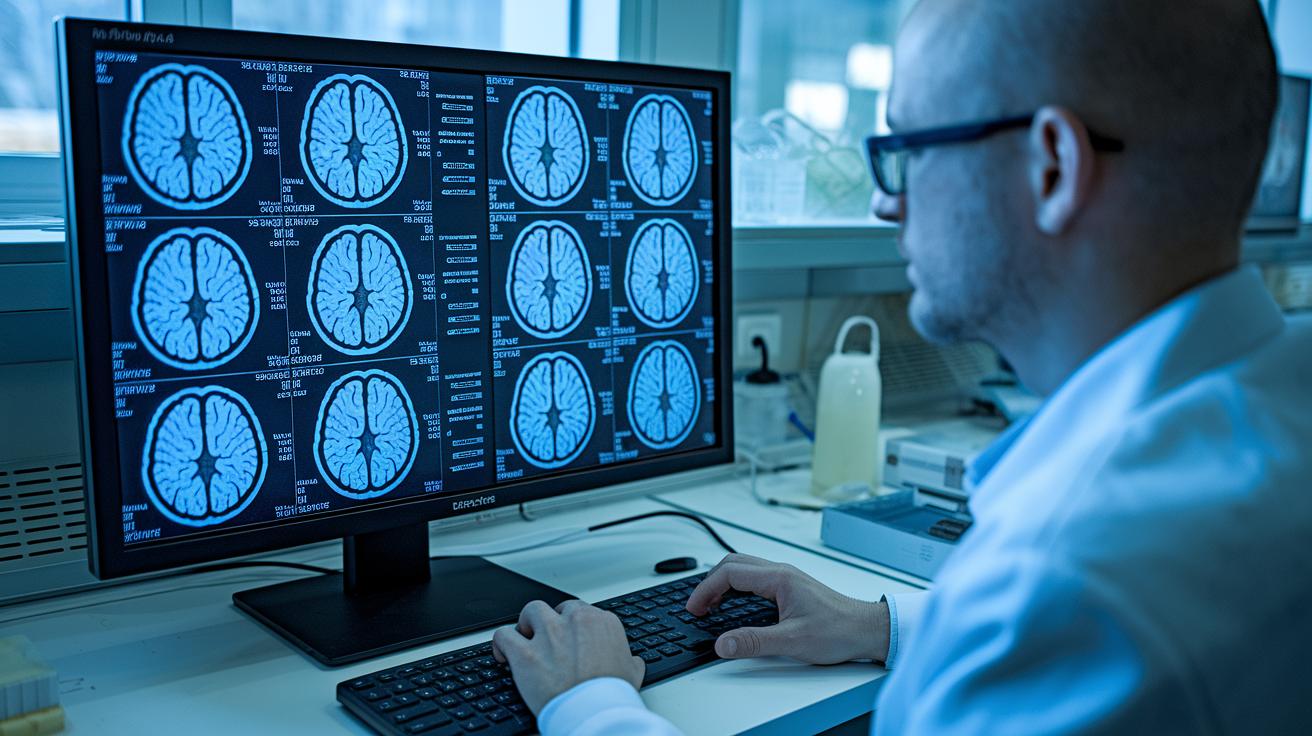
At Aarhus University, scientists have mixed PET and MRI scans in a smart way. They capture both tiny chemical details and bigger structural clues in the brain, kind of like watching a movie where each frame shows a slightly different picture. This clever method helps doctors tell different types of Parkinson’s disease apart so treatments can be more personalized.
New high-resolution imaging lets researchers see brain cells up close. Think of it like examining a circuit board where every tiny connection is in clear view. With these tools, scientists can trace the delicate paths that messages travel in our brains, giving us a better peek into how brain circuits work.
Earlier breakthroughs like MIT’s live 3D mapping and Stanford’s COSMOS microscopy set the stage by exploring brain functions in real time. Today’s advancements take that further, revealing details at the molecular and cellular levels. It’s like switching from a blurry snapshot to a crystal-clear picture of the brain in action.
Adaptive Synapse Transformations: Advances in Synaptic Studies and Neuroplasticity
Recent real-time images from mice show that neurons don’t just stick to the old rule of “fire together, wire together.” Instead, these brain cells mix up several learning methods at once, kind of like a sports team running different plays in one game.
Take the mGluR1 receptor, for example. It’s like a careful gardener for our brain circuits, trimming away extra sensory connections during early growth so that only the strongest signals remain.
Scientists have also discovered that NMDA receptors move in a dance-like way that’s key to keeping our synapses working well. Even a tiny misstep in this dance could pave the way for brain issues, highlighting how every small move counts.
Further studies on OPC cells show that extra synapses in the visual cortex are trimmed with great precision. This careful pruning might offer clues about conditions like glioma and Alzheimer’s (serious brain disorders), linking unusual synapse loss to these issues.
All in all, these adaptive changes in synapses give us a deeper look into neuroplasticity (the brain’s amazing ability to rewire itself). Our minds are always adjusting and learning, meeting new challenges with every turn.
Interface Between Mind and Machine: Pioneering Neurotechnology Developments
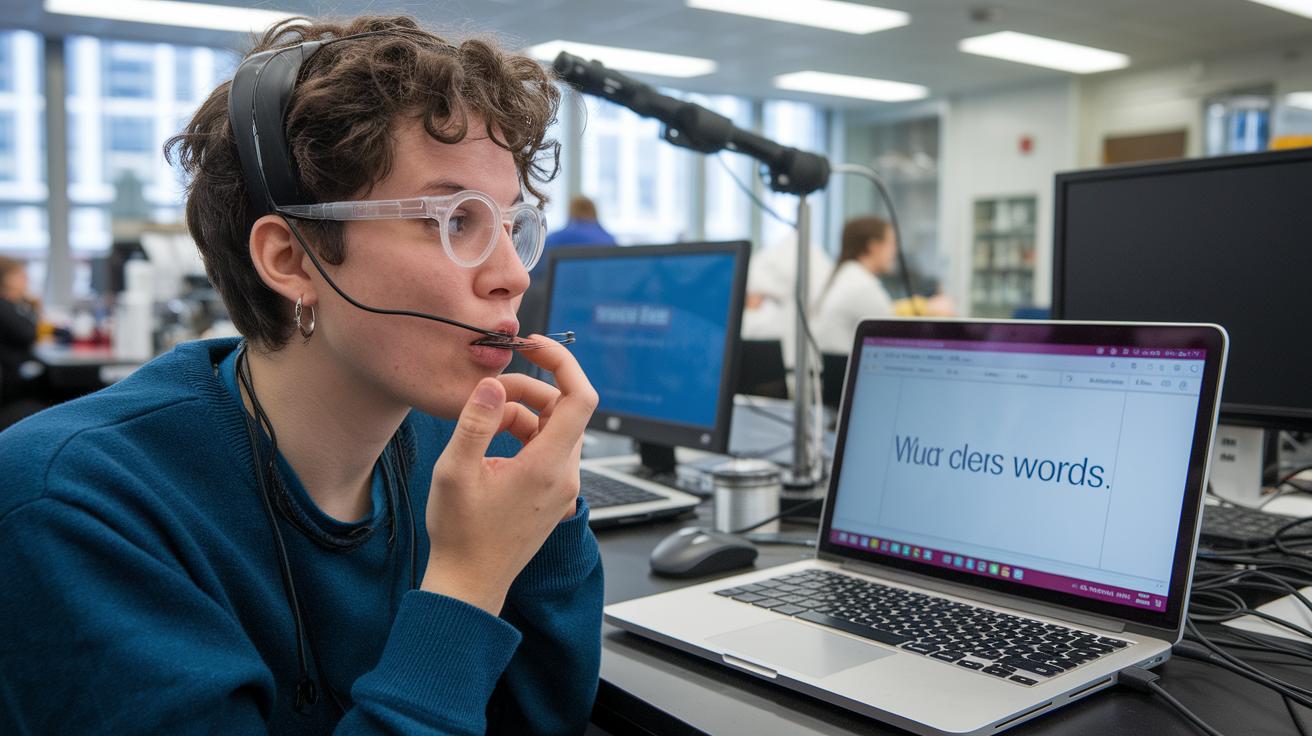
New neurotechnologies are changing the way we connect with our world. By directly linking our brain's signals to everyday devices, these breakthroughs offer an exciting, hands-on approach to interacting with our environment.
At UCSF, scientists have built a device that listens to our speech muscles and turns those signals into words. Imagine someone who has been silent for years suddenly forming full, clear sentences – that's the kind of transformation this technology can bring.
Over at Brown University, engineers are developing what they call neurograins – tiny, wireless sensors as small as a grain of salt. These little devices monitor brain activity with amazing accuracy, almost like watching the hustle and bustle of a city in miniature.
In Utah, researchers are making strong strides in restoring sight. Their microelectrode array visual prosthesis works by gently stimulating the part of the brain responsible for vision, letting someone who is completely blind see images again. It’s a fresh take on vision restoration – as if a new kind of sight emerges from the soft whispers of the brain.
Meanwhile, MIT is exploring a neat blend of artificial intelligence (smart computer programs) and our natural sense of smell. Their AI learns to recognize odors just like we do, paving the way for smarter systems that both mimic and learn from our brain's natural behavior.
All these innovations are pushing the boundaries of how prosthetics work. They point to a future where the bond between our minds and machines becomes such a natural part of life that it almost feels like magic.
Regenerative Neural Research and Gene-Targeted Interventions in Breakthrough Discoveries
Scientists are making big strides in repairing brain cells by changing mature neurons into cells that can regrow and heal. They target specific genes (the body’s instruction manual) to make old brain cells act as if they were young again. It’s a bit like rewinding time on our brains, which is pretty amazing when you think about it.
At Northwestern, researchers are even testing what they call “dancing molecules” that you can inject. Early tests in animals have shown these treatments can mend serious spinal injuries, opening the door to a future where paralysis might be fixed by rebuilding damaged nerve paths. On another front, scientists are using advanced stem cell techniques to create little brain models known as brain organoids. These mini-brains, grown from reprogrammed cells (cells changed to act like any other cell), show complex brain activity and can help us study diseases in a controlled way.
In another exciting twist, researchers have combined ancient genes with modern gene editing tools like CRISPR (a tool that lets scientists change DNA) to create Neanderthal neuron organoids. This mix of old DNA and new tech could give us clues about brain development and how to fix brain damage. As these studies move forward, they point to a future where restoring or even replacing injured brain tissue might become a real possibility.
Degeneration Insight Strategies: Preventative and Therapeutic Advances in Neurodegenerative Disorders

Scientists are uncovering new ways to protect our brain cells and fight the damage caused by neurodegenerative disorders. For example, researchers at Heidelberg University discovered that healthy brain cells soak up glutamate (a chemical messenger) to prevent themselves from dying. But when this process breaks down, it can open the door to strokes and other brain problems. Think of it as a built-in safety net that sometimes gets out of whack due to stress or aging.
Another imaging study at Aarhus University revealed two unique molecular and structural types of Parkinson’s disease. This closer look helps pave the way for more personalized prevention strategies and treatments. In a surprising twist, scientists studying cancer neuroscience have found a link between the brain and immune system that seems to trigger apathy in patients dealing with late-stage cancer cachexia (a syndrome marked by severe weight loss and fatigue). This unexpected connection offers new targets for treatments that might ease some of the toughest symptoms.
Not every breakthrough happens in a traditional lab. Everyday experiences can also boost brain health. One study shows that nostalgic music sparks activity in key brain areas like the hippocampus (involved in memories), the medial prefrontal cortex, and the anterior insula in older adults. This non-invasive boost helps keep memories sharp. Together, these insights point to promising steps forward in both preventive strategies and targeted treatments to help maintain strong brain function as we age.
Future Directions in Neuroscience Breakthrough Discoveries and Clinical Innovations
Have you ever wondered if we could keep a brain working for a while even after a person has passed away? Yale’s BrainEx system does just that, letting scientists study brain activity for hours after death. This breakthrough is sparking new research methods and data-driven insights that could really deepen our understanding of the brain.
At UCSF, researchers are using a smart AI tool to look at CT scans and tell different brain injuries apart. It’s like having a helper that picks up on tiny details our eyes might miss. This clever system is moving us closer to more accurate diagnoses and treatment plans that fit each person perfectly.
Virtual reality is also stepping up as a way to help people face their fears. By immersing patients in safe, digital environments, therapists are exploring new ways to treat phobias. It’s exciting to see how these digital advancements are reshaping our approach to neuroscience.
Meanwhile, clinical trials are busy testing ideas like adaptive neuromodulation (techniques that adjust brain signals), advanced prosthetic integrations, and gene therapies for patients with nervous system conditions. These initiatives are paving the way for a future where brain health and recovery could be completely reimagined.
Final Words
In the action, we saw advances from live 3D brain mapping to AI-driven sleep studies, and even tools that restore vision. The blog explored key topics like adaptive synapse transformations and gene-based neural regeneration, alongside neurotechnology that bridges mind and machine. Each section highlighted how neuroscience breakthrough discoveries are shaping modern brain science. This blend of science and tech sparks optimism and practical progress. The innovations discussed today leave us hopeful about a tomorrow where understanding the brain brings better health and smarter technology.
FAQ
What are some notable recent neuroscience breakthroughs?
Recent breakthroughs in neuroscience include 3D brain mapping, advanced high-resolution imaging, and innovative gene-targeted interventions, all of which are reshaping how we understand and treat neurological conditions.
What are the latest findings in neuroscience?
Latest findings in neuroscience reveal links between environmental factors and memory loss, real-time mapping of neural activity, and breakthrough neurotechnologies that convert brain signals into actionable treatments.
Who is considered the top neuroscientist globally?
While no single ranking exists, leading figures from research centers at MIT, Stanford, and UCSF are widely recognized for their transformative contributions to brain science and innovative treatments.
How can one activate 100% brain power?
Claims about activating 100% brain power are myths; instead, neuroscience focuses on optimizing how neural circuits function and respond to targeted, data-driven interventions for better cognitive performance.
Where can I find neuroscience research papers and interesting articles?
You can access up-to-date neuroscience research papers and engaging articles through academic journals and online databases dedicated to brain science, which regularly publish breakthrough studies and clinical trial outcomes.