


Ever wondered if one day we might live on the moon? It sounds like something out of a sci-fi movie, but engineers are working on making it real.
They’re planning small lunar outposts that act as handy stepping stones for trips beyond Earth. These bases mix smart technology (cool tools that work on their own) with clever ideas to create safe spots, research centers, and even homes for long stays.
NASA’s Artemis IV mission has shown us that space innovation is closer than we might think. In this article, we break down the main ideas behind these moon bases and explore how they could change the way we travel for research, resource gathering, and maybe even living off our home planet.
Key Principles of Lunar Outpost Development
Lunar outposts are like stepping stones for our journey beyond Earth. They mix cool technology and smart planning to create safe zones, research spots, and hubs that keep crewed missions running smoothly. For instance, one key part of an outpost borrows ideas from a classic lunar module (a clever design that balances practicality and innovation).
These bases are meant to shape the future of space travel. When the company landed the NASA Artemis IV mission on December 4, 2025, it showed just how crucial lunar outposts are to expanding crewed exploration and setting up a lasting presence on the moon.
- Enabling scientific research
- In-situ resource utilization (using local resources)
- Demonstrating long-term habitation
- Serving as a staging point for deep-space missions
At every stage, from choosing the perfect lunar spot to the very first design sketches, engineers keep these ideas in mind. They look closely at the moon’s landscape, what resources it offers, and what the crew really needs. This careful approach builds strong, efficient bases that not only support today’s missions but also clear the way for exciting deep-space journeys ahead.
Innovative Construction Technologies for Lunar Outposts
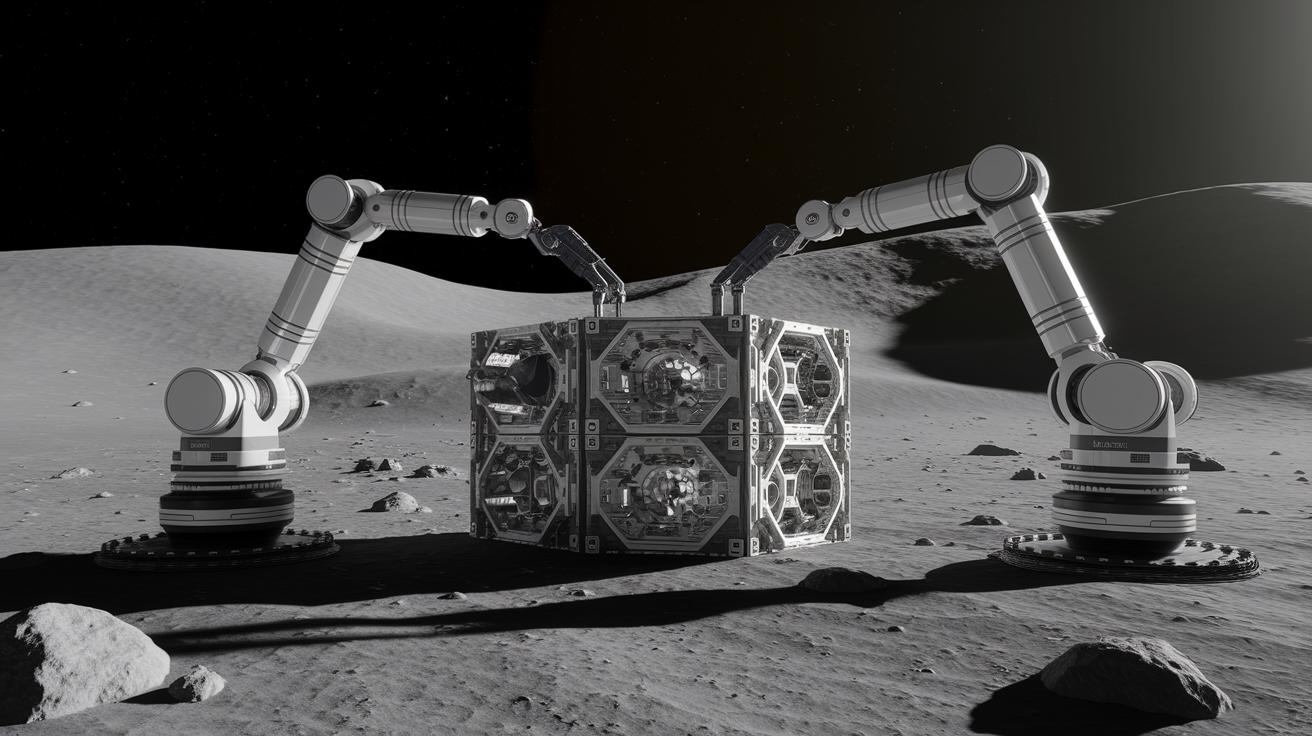
We're on the verge of a construction revolution on the moon. Lunar outpost building is using a mix of smart robots, moon resources, and precise factory techniques to create tough, long-lasting habitats. For instance, the MAPP Rovers have been rigorously tested on the rough landscapes of Colorado, proving that even challenging conditions can spark fresh, innovative building methods.
Robotic Precise Assembly
Imagine robotic arms carefully fitting together pieces, much like assembling a detailed model train set. These machines handle tasks that are too risky or monotonous for humans, boosting the efficiency and safety of lunar missions.
In-Situ Resource Utilization (ISRU)
ISRU taps into the moon's own soil, regolith, to forge building materials. Using 3D printing techniques with lunar dust, teams can construct radiation shields and key structural parts right on the moon. Think of it as turning moon dirt into the very bricks that create safe, cost-effective habitats in space.
Prefabricated Modular Units
Prefabricated modules are like huge LEGO pieces made on Earth, then sent to the moon to be assembled into complete habitats. This method not only ensures excellent quality but also speeds up the building process once the modules arrive.
| Technology | Benefit | Readiness Level |
|---|---|---|
| Atmospheric Plasma Sintering | Rapid regolith solidification | TRL 5 |
| Robotic Assembly Swarms | Scalable construction | TRL 6 |
| Modular Inflatable Habitats | Compact launch volume | TRL 7 |
Power Solutions and Sustainability in Lunar Outpost Operations
Our solar panels soak up plenty of sunlight on the moon, working closely with lithium-ion batteries and regenerative fuel-cell storage to keep power steady at the outpost. This smart setup lets the base store extra energy when the sun is shining, so that even when it’s low or set, critical instruments still run smoothly during long nights.
Small, modular nuclear reactors act as a reliable power backup that sidesteps the ups and downs of solar cycles. Their compact design makes them perfect for space setups, ensuring that essential systems keep operating even during extended periods of darkness. This reliable power source is key for both vital mission tasks and the advanced experiments being carried out on the moon.
Waste recycling systems take used air and water and transform them into renewable resources. They reclaim water for drinking and filter air to make it safe to breathe. By converting waste into useful resources, these technologies lower the need for constant resupply from Earth, helping multi-crew lunar missions to thrive in a sustainable environment.
Surface Mobility and Rover Integration at a Lunar Outpost
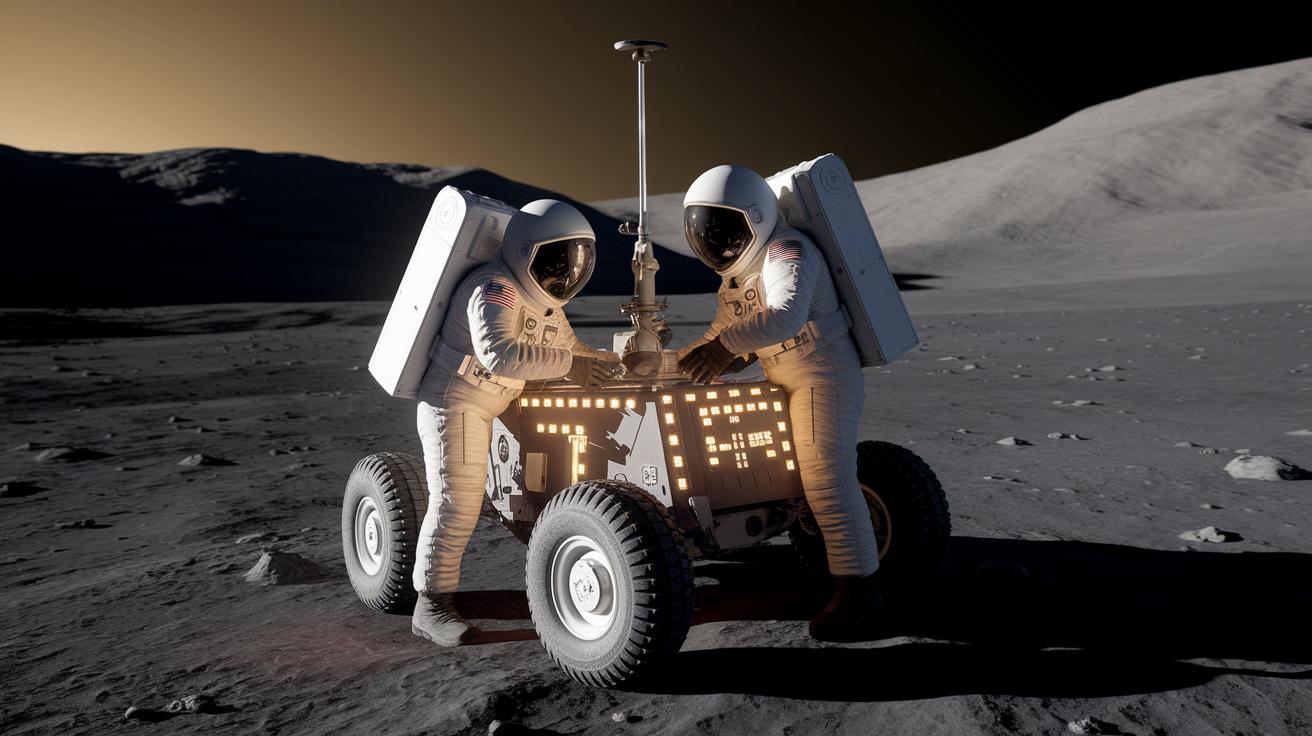
Crews count on pressurized rovers to travel safely and comfortably across the moon’s rugged landscape. These vehicles come equipped with life-support systems and communication tools that keep astronauts secure as they explore. At the same time, unpressurized vehicles are built tough for moving cargo and heavy equipment where crew comfort isn’t the main concern.
Pressurized rovers are designed specifically with crew safety in mind, creating a secure environment even on unpredictable terrain. In contrast, unpressurized rovers work as reliable workhorses, transporting tools, building materials, and scientific gear while handling the abrasive lunar dust and uneven surfaces. This careful design lets mission planners use each vehicle for its best-suited task.
New autonomous exploration vehicles are set to change how both crews and supplies move around on the moon. These next-generation rovers will feature advanced sensors that collect real-time environmental data and smart, AI-based path planning (where computers help choose the safest routes) to navigate challenging landscapes. For example, MAPP Rovers have spent two years on a rural Colorado ranch, showing that even after repeated breakdowns they can offer valuable insights into durability. This experience gives us hope that future autonomous rovers will perform reliably on the moon’s dynamic surface.
International Partnerships and Cislunar Commerce in Lunar Outpost Projects
In 2020, the Artemis Accords brought together more than 50 nations to peacefully explore the moon. This deal, often called "lunar diplomacy" (see https://fairlygreat.com?p=1193), laid out simple rules for safe operations, sharing research, and planning projects openly. It gives governments the confidence to invest in moon bases knowing that everyone is following the same guidelines and working together for our common goals.
European, Japanese, and Canadian agencies like ESA, JAXA, and CSA add a lot to this effort. They bring decades of hands-on experience and technical know-how, from building sturdy structures to setting up safety rules for habitats off Earth. Their teamwork speeds up tech progress and helps everyone learn from each other, which ultimately strengthens research and infrastructure on the lunar surface.
New commercial partnerships are also changing the way we think about moon bases through exciting cislunar commerce projects. Private companies are diving into ventures like space tourism, making things in low gravity, and crafting fresh ways to manage supplies. By mixing government collaboration with private innovation, we're creating a dynamic plan that could support a whole range of future space missions.
Future Trends and Long-Term Sustainability for Lunar Outpost Expansion
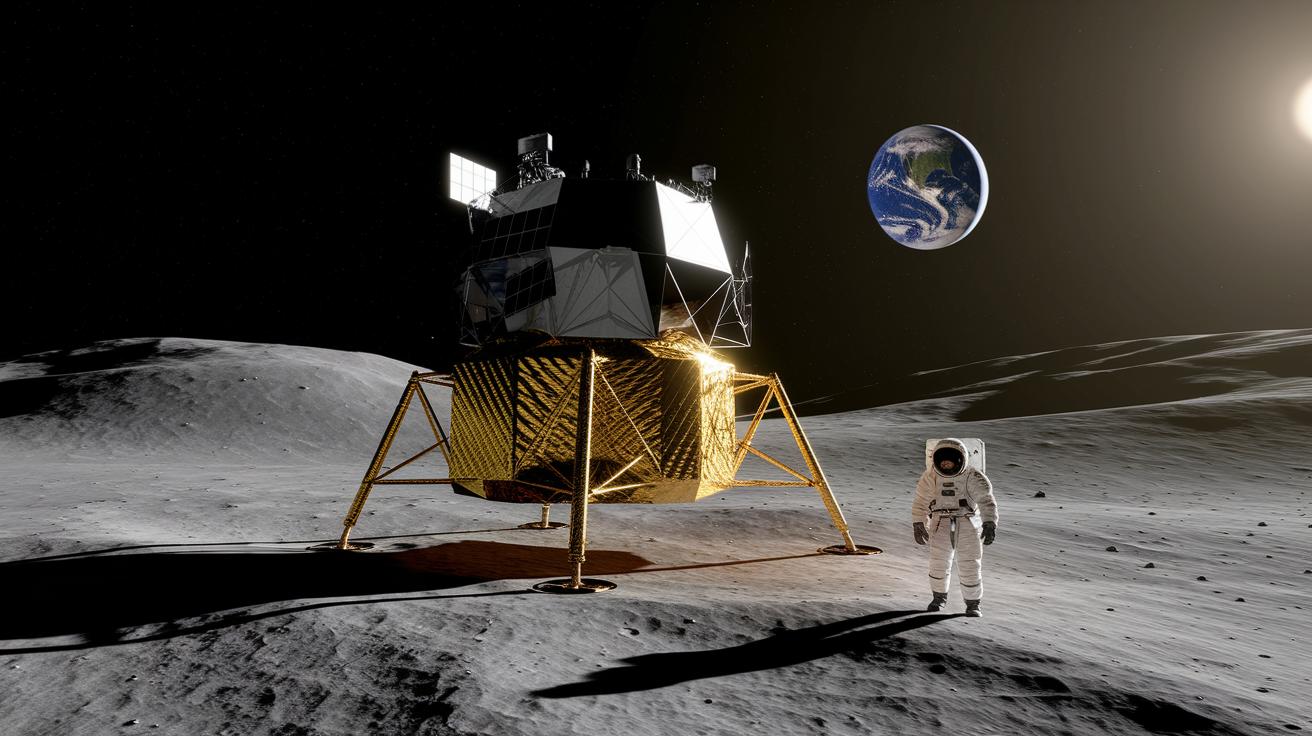
Artemis V and the Lunar Gateway are setting the stage for humans to spend more time on the moon. These missions let crew members stay on the lunar surface longer, giving us plenty of chances to fine-tune our methods. Having astronauts live and work there around the clock means we can boost our scientific discoveries and solve problems as they pop up. Plus, switching crews frequently offers quick feedback that helps shape future missions to be both innovative and adaptable.
New life-support systems and flexible habitat designs are crucial for making moon living sustainable over the long run. Imagine improved systems for recycling air and water, along with habitats that can be expanded as needed. These setups will mix ready-made parts with modules built on the spot, making it easier to upgrade conditions as the mission evolves. This smart blend of reliability and flexibility lays a solid foundation for moon bases that grow right along with our technological breakthroughs.
Moon outposts will also serve as essential stepping stones for trips to Mars and further exploration of deep space. For instance, a Lunar Outpost near Golden is being designed to eventually act as NASA’s transport hub on the moon. By trying out different systems and technologies in these bases, we gain the hands-on experience needed to meet the challenges of even more daring missions within our solar system.
Final Words
In the action, this article walked through key principles, innovative construction methods, sustainable power solutions, and advanced roving systems for a lunar outpost. We explored the role of smart habitat design and international partnerships in shaping off-world operations. Each section brought new insights into how such outposts can push scientific research and long-term crewed missions. The future looks bright as advancements continue to support the growth of celestial bases and spark excitement for tomorrow's space achievements.
FAQ
What does Lunar Outpost LEGO represent?
The term Lunar Outpost LEGO represents a creative model or set inspired by moon habitat designs, illustrating planning details in a playful, tangible manner for enthusiasts and designers alike.
What does a Lunar Outpost map show?
A Lunar Outpost map shows planned site layouts, facility placements, and key exploration zones on the moon to guide lunar habitat development and crew movement.
What does Lunar Outpost space exploration involve?
Lunar Outpost space exploration involves executing crewed missions and scientific experiments, serving as a platform to test new technologies while paving the way for long-duration lunar habitation.
What is Lunar Outpost Eagle?
Lunar Outpost Eagle likely refers to a specific module or project within the broader lunar exploration initiative, highlighting design features that echo historical symbols of aspiration and achievement.
What role does a Lunar Outpost rover play?
A Lunar Outpost rover is vital for surface mobility and cargo transport on the moon, designed to navigate harsh terrain and support crewed and automated mission tasks.
What is the Lunar Outpost company and where is it headquartered?
The Lunar Outpost company is an innovative firm dedicated to off-world habitat development, with its headquarters based in Golden, Colorado, focusing on cutting-edge lunar exploration initiatives.
Is Lunar Outpost a good company to work for?
Lunar Outpost is known for a forward-thinking culture in space technology, offering intriguing projects that inspire employees while contributing to the advancement of human space exploration.
Who is the CEO of Lunar Outpost?
The CEO of Lunar Outpost leads the company’s vision and overall strategy for developing sustainable lunar habitats, driving innovation in crewed missions and lunar technology.
Is Lunar Outpost publicly traded?
Lunar Outpost is currently a privately held enterprise, concentrating on in-house research and development for lunar habitats and related space exploration technologies.
How will astronauts live in a Lunar Outpost?
Astronauts will live in modular, secure habitats featuring closed-loop life-support systems, renewable energy sources like solar arrays, and comfortable living conditions tailored to the lunar environment.
How do companies like Intuitive Machines, Blue Origin, Sierra Space, Vast, Axiom Space, and Rocket Lab relate to Lunar Outpost?
These companies complement Lunar Outpost by providing specialized technologies and services—from advanced propulsion systems to modular habitat components—that support lunar missions and off-world construction.