


Have you ever imagined a factory that learns and changes like a living being? Picture robotic arms and smart sensors working together, almost like they share one brain. Factories are stepping away from old, clunky methods and embracing faster, digital approaches. This change not only boosts safety and accuracy but also makes production run smoother. Today’s factories are more lively and automated, ready to tackle the challenges of our modern world.
Industrial Technology Overview: Key Trends and Applications
Industrial technology blends classic manufacturing with modern innovations to build systems that work faster, easier, and more efficiently. It uses tools like automation, digital tech, IoT (gadgets that connect and share data), AI, and machine learning to turn ordinary production floors into smart, well-coordinated hubs. Picture sensors and robotic arms working together like an expert team, that’s how these setups really come to life.
Key trends now push us to replace slow, mechanical processes with digital, connected solutions that keep an eye on things in real time. With the advent of Industrial Revolution 4.0, more factories rely on digital platforms to make quick decisions and adjust processes on the fly. By automatically analyzing data, these modern systems optimize performance in ways that once sounded like science fiction.
Everyday manufacturing shows just how widespread these smart systems are. In industries such as automotive, healthcare, and consumer electronics, advanced machinery, interactive control panels, and automated lines boost both precision and safety. Imagine AI algorithms foreseeing maintenance needs before any issues crop up, this results in a finely tuned system that keeps things running smoothly.
Historical Evolution of Industrial Technology
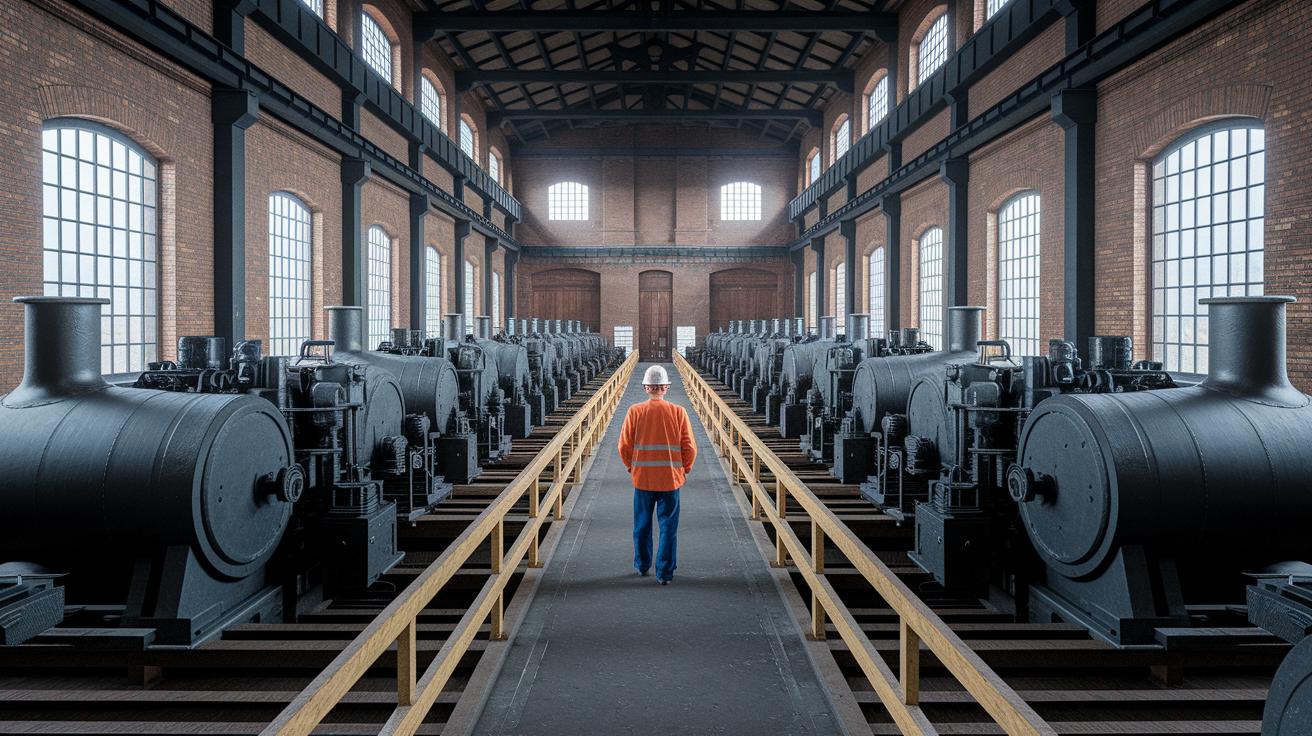
Industry 1.0: Mechanization and Steam Power
Back in the late 1700s, factories took their first big step by switching from hand work to machines powered by steam engines. Imagine a bustling floor where workers managed giant steam engines instead of trusty hand tools, this shift sparked a whole new era of mass production and innovation.
Industry 2.0: Mass Production and Electricity
Come the late 1800s, electricity transformed factories by lighting up assembly lines and powering complex machinery with steady energy. Picture a scene where the warm glow of a light bulb lit up entire production floors, turning night shifts into well-coordinated assembly lines. This period marked a time when efficiency and rapid production became everyday terms in industry.
Industry 3.0: Automation and Early Computers
By the 1970s, factories started using simple computers and programmable controllers to handle repetitive tasks with surprising precision. Think of a worker observing a control panel as machines take over routine work, this blend of human oversight and machine accuracy slowly reshaped the factory floor and paved the way for more advanced automation.
Industry 4.0: Cyber-Physical Systems and Connectivity
Today, modern factories are a mix of smart devices chatting with each other in real time. With tools like the Internet of Things (IoT), artificial intelligence (AI), and data analytics, these connected systems continuously tweak production processes to keep up with changing demands. It’s like watching a well-rehearsed team where every member is instantly in sync, always ready to improve and adapt.
Key Industrial Technologies Driving Modern Production
Today's factories lean heavily on smart methods and modern process controls to boost productivity. High-tech machines and automated steps work hand in hand, cutting down on waste, reducing setup times, and making sure every phase matches the demands of mass production.
Equipment connections also play a big role on the factory floor. When devices are linked through digital controls, workers can monitor processes in real time and make quick tweaks to keep things running smoothly. This close teamwork between hardware and software ensures every product comes out just right, even when things ramp up.
• Panel Benders – They shape metal at an angle automatically.
• Press Brakes – They bend metal with pinpoint accuracy.
• Laser Cutting Systems – They separate materials by beam without contact.
• Punching Machines – They punch holes in sheet metal quickly.
• Flexible Automation Systems – They let the production line change its setup easily.
On the shop floor, these technologies connect to create a robust network where data flows continuously between machines and control centers. Sensors collect information throughout the system, so adjustments can happen as needed to keep the process balanced and responsive. By syncing equipment with central control, manufacturers enjoy a level of accuracy and variety in production that drives ongoing improvements. This connected strategy speeds up production while easily adapting to different needs, ensuring a smooth and steady output of high-quality products.
Case Studies in Industrial Technology Modernization
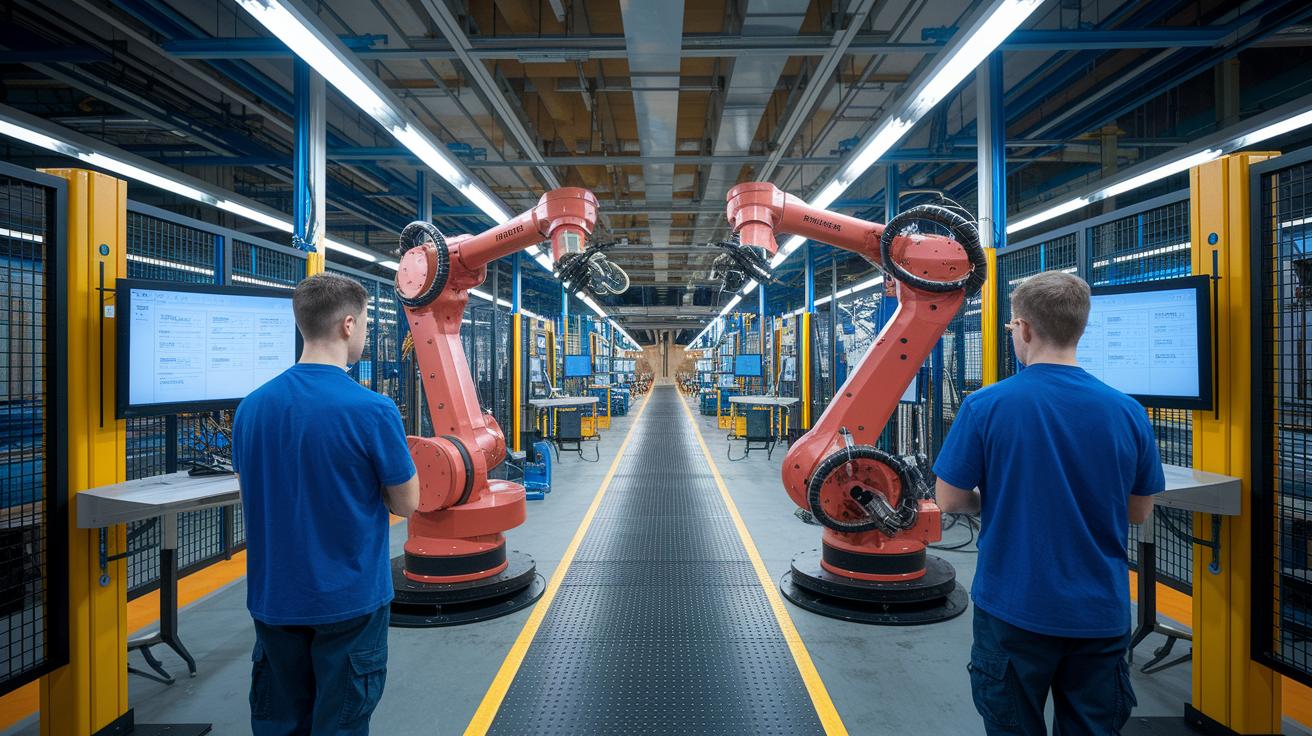
Manufacturing companies are achieving amazing outcomes by putting modern technology to work. They’ve found that linking systems together and using smart machines not only cuts production costs but also makes it easier to manage teams. These real-world examples prove that new tech can change manufacturing on the ground. You see benefits like less waste, better teamwork, and more informed decision-making. And by streamlining operations, these technologies boost both productivity and safety.
| Outcome Category | Technology Applied | Result Summary |
|---|---|---|
| Cost Reduction | Automated Process Control | Reduced material waste by 20% and lowered energy consumption. |
| Enhanced Team Management | Data Analytics Integration | Real-time monitoring led to a 15% increase in overall productivity. |
| Improved Safety & Profitability | Connected IoT Systems | Minimized downtime while boosting safety measures and profit margins. |
In short, these cases show that modern tech not only streamlines production but also builds safer, more efficient work environments. Companies that adopt automated systems and linked devices can quickly adjust their production, keep a close eye on performance, and manage risks wisely. Every example makes it clear that blending technology with manufacturing brings real, measurable improvements. It’s proof that this modernization is more than just a trend, it provides practical benefits that help operations stay competitive, flexible, and profitable.
Industrial Technology Career Pathways and Job Market Insights
Industrial technologists are needed in many areas like manufacturing, engineering, construction, healthcare, and government. Companies are looking for folks who are good with math and computers to help streamline operations as digital tools become more common. This trend opens up many roles that offer hands-on work and technical know-how, often with impressive pay.
- Industrial Engineer – An expert in making processes work smoother.
- Manufacturing Technologist – A specialist in fitting equipment together.
- Maintenance Technician – Skilled at fixing both mechanical and electrical issues.
- Production Supervisor – A leader who boosts team efficiency.
- CNC Machinist – A pro at precision programming and machine operation.
- Automation Analyst – Uses data to find smarter ways to work.
- Quality Control Inspector – Keeps products up to standard by testing and checking.
Today’s job market is buzzing with opportunities in industrial technology. Many manufacturing roles now offer great earning potential if you can mix your technical skills with practical problem-solving. As companies invest in new production methods and digital tools, experts believe the need for these skills will only grow.
Employers are on the lookout for people who not only understand the nuts and bolts of production but also have the strategic mindset needed to lead teams and manage complex systems. In truth, a career in industrial technology offers a solid blend of job security, competitive salaries, and the satisfaction of playing a part in transforming how things get made.
Educational Paths: Degrees and Certifications in Industrial Technology
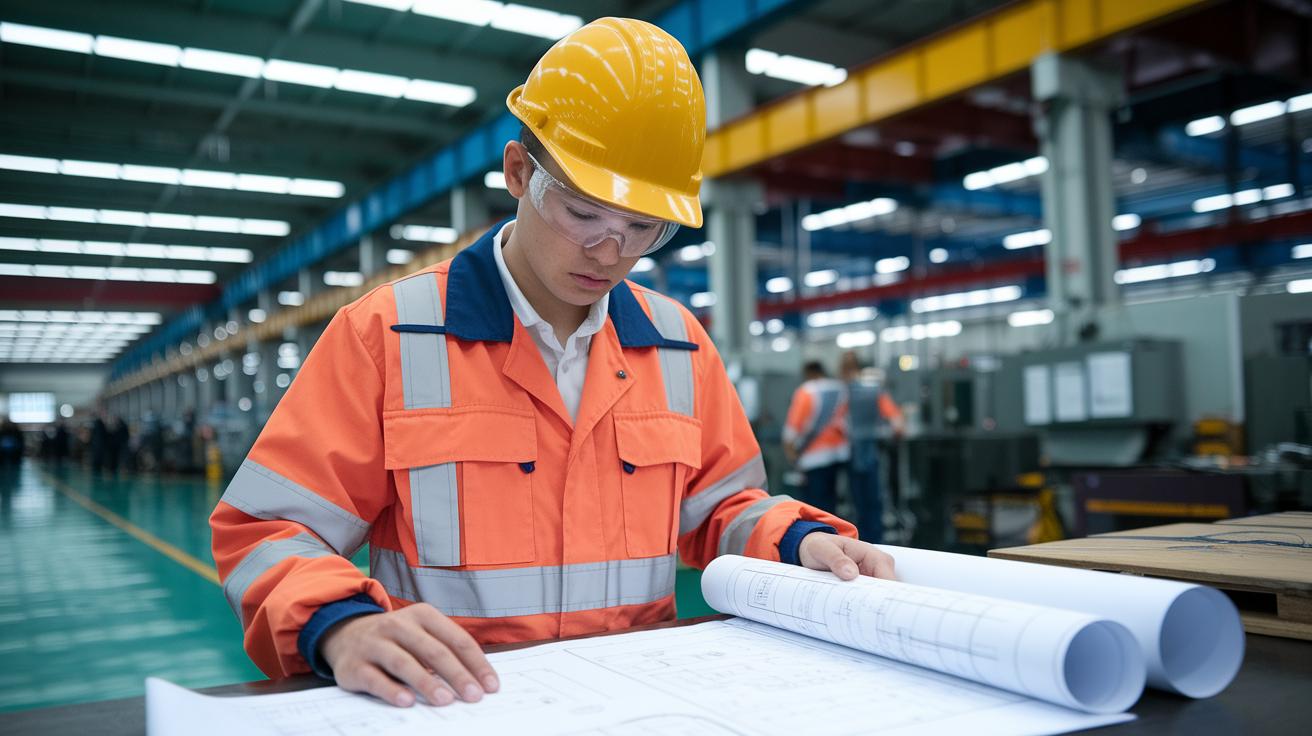
A Bachelor of Science in Industrial Technology is a straightforward way into the modern world of engineering. It gives you real skills to improve how things are made in places like factories, construction sites, or hospitals.
In these programs, you build a solid base in topics like computer graphics, management ideas, and the basics of engineering technology (the methods and tools used in tech). You get to pick courses that spark your interests and match your career dreams. It’s a bit like putting together a toolkit, where each class adds a useful tool to help make production work more smoothly.
Many of these programs are completely online with courses that last about eight weeks each. This means you can study at a pace that fits into your busy schedule. And for those who have already taken college classes, you might even transfer up to 90 credit hours. This makes finishing your degree even easier. Plus, thanks to elective classes, you can specialize in areas like advanced process management or computer-integrated manufacturing, which lets you tailor the program to your unique goals.
Technical certifications are also a big deal for boosting your career in industrial technology. By earning these certifications along with your degree, you prove to employers that you have practical, real-world skills. These certificates show you know a lot about project planning and using digital production systems. In the end, having both academic training and hands-on certifications sets you apart in a field that values both smart ideas and practical know-how.
Future Trends and Innovations in Industrial Technology
The fourth industrial revolution is changing factory floors in exciting ways. Connected devices and live data now help systems run with more independence. Factories are shifting into smart spots where machines use IoT (Internet of Things, which means everyday gadgets talking to each other), AI (artificial intelligence that helps computers think), and machine learning (computers learning from data) to make quick decisions on their own.
Digital manufacturing tools are linking up equipment and operations faster than ever. Companies are pushing for more connectivity to speed up production while also making sure things are safer for workers and kinder to the environment.
Looking ahead, automation is set to make production smarter. Imagine a setup where robots and machines chat smoothly with a central control system, adjusting quickly thanks to fresh data from sensors. This way, if one part of the line hits a snag, the system can fix itself in an instant. In short, these self-driving systems are likely to cut waste and boost efficiency a lot.
Sustainable production methods are also coming into the spotlight as digital tools get better. Manufacturers are crafting systems that use energy more smartly and make less waste, even drawing on renewable energy to power operations. Picture a plant that tweaks its power use on the fly, based on how much energy is actually available. With this data-driven approach, factories can run better while keeping a careful eye on our planet’s health, setting a new bar for modern, responsible manufacturing.
Final Words
In the action, this article walked through core concepts, vital trends, real-world case studies, career paths, educational options, and future innovations in industrial technology.
Each section illuminated how modern production techniques blend smart machines, data analytics, and robotics for improved production speed and efficiency.
Reading through these insights shows the transformative impact of industrial technology.
Learning about these topics leaves us feeling confident and curious about what tomorrow will bring in science and tech.
FAQ
What is an Industrial Technology course?
An Industrial Technology course covers practical and theoretical aspects of modern production, teaching students how automated systems and digital tools boost manufacturing and improve system performance.
What types of Industrial technology jobs are available?
Industrial technology jobs include roles in maintaining modern production systems, troubleshooting automated machinery, and integrating digital methods to enhance efficiency in various manufacturing and tech-driven work environments.
What can be expected from an Industrial Technology salary?
Industrial Technology salaries are competitive, reflecting the specialized skills required for modern production roles. Many positions offer strong wages with growth opportunities in a technology-integrated production environment.
What are some Industrial technology examples?
Industrial technology examples include laser cutting systems, automated panel benders, and flexible production lines. These tools enhance precision and speed in manufacturing while driving reliable, tech-based operations.
What does Industrial Technology High School offer?
Industrial Technology High School programs introduce students to basic production methods and hands-on projects, building early skills in automated systems and tech applications that set the stage for future studies in manufacturing and engineering.
What is covered by an Industrial technology degree?
An Industrial technology degree covers modern manufacturing techniques, automation, and digital innovations. It prepares graduates with practical skills for evolving industries, often including online and hands-on course components.
What is Industrial Technology Electronics about?
Industrial Technology Electronics focuses on electrical systems, circuit design, and sensor applications used in automated production. It blends electronics with practical techniques to support efficient and safe industrial operations.
What does Industrial Technology at Lamar University entail?
Industrial Technology programs at Lamar University combine hands-on learning and updated theoretical insights. They prepare students for real-world production challenges through lab experiences and close industry connections.
Is an industrial technology degree worth it?
An industrial technology degree is worth it given the growing demand for tech-savvy production experts, offering competitive salaries and a solid foundation for careers in manufacturing and related fields.
Is industrial technology the same as engineering?
Industrial technology and engineering share technical aspects, but industrial technology focuses on applying established methods to improve production efficiency, while engineering is more about inventing and designing new systems.
What is the job description for an industrial technology professional?
Industrial technology professionals maintain and improve automated production systems by troubleshooting equipment, managing digital tools, and integrating modern technologies to keep manufacturing operations running smoothly.
What is the goal of industrial technology?
The goal of industrial technology is to simplify and enhance manufacturing by using digital tools, automation, and efficient systems to improve precision, speed, and overall production productivity.
How does industrial technology relate to fields like mechanical and industrial engineering?
Industrial technology supports areas like mechanical and industrial engineering by providing practical, tech-based solutions that improve production processes, bridging the gap between hands-on skills and theoretical design.