


Have you ever wondered if smart hospital systems could make care faster and safer? New automation tools are handling everyday tasks like updating patient records and managing bills. This means doctors and nurses can spend more time with patients instead of getting bogged down in paperwork. One hospital even boosted its billing speed by 93% using these tools!
With a smoother workflow and fewer errors, patients now receive more attentive care. In this article, we take a closer look at how these modern systems are transforming hospital routines and improving patient safety in ways you might not have expected.
Leveraging Hospital Automation Innovations for Operational Efficiency and Enhanced Patient Care
Hospital automation is making life easier for everyone in the hospital. These smart systems handle routine tasks, like running administrative work, managing clinical duties, and keeping schedules in order, so that staff can focus on what really matters. In one case, a hospital used an automation system that sped up billing by 93%, showing just how much faster and smoother things can run.
Digital records management and simple IoT (Internet of Things, which means devices that talk to each other) solutions are transforming hospitals into more connected spaces. Picture a system that updates patient files automatically in real time, kind of like a checklist that never forgets anything. Some hospitals have even cut paperwork by over 70%, so doctors and nurses get to spend more time with patients.
Workflow management automation brings handy tools that break down communication barriers and reduce delays. With easy low-code or no-code tools (these are simple platforms that don’t need deep tech know-how), hospital staff can quickly adjust processes. This helps make sure every patient gets the same top-notch care.
Automated systems also bring data together from different sources, making it much simpler to manage everything, from bed assignments in the emergency room to scheduling appointments. This interconnected setup not only cuts down on mix-ups but also keeps the overall experience smooth and caring.
In short, hospital automation makes everything run better by reducing mistakes and streamlining everyday operations, which ultimately leads to improved care for all patients.
Key Technologies Powering Hospital Automation Innovations
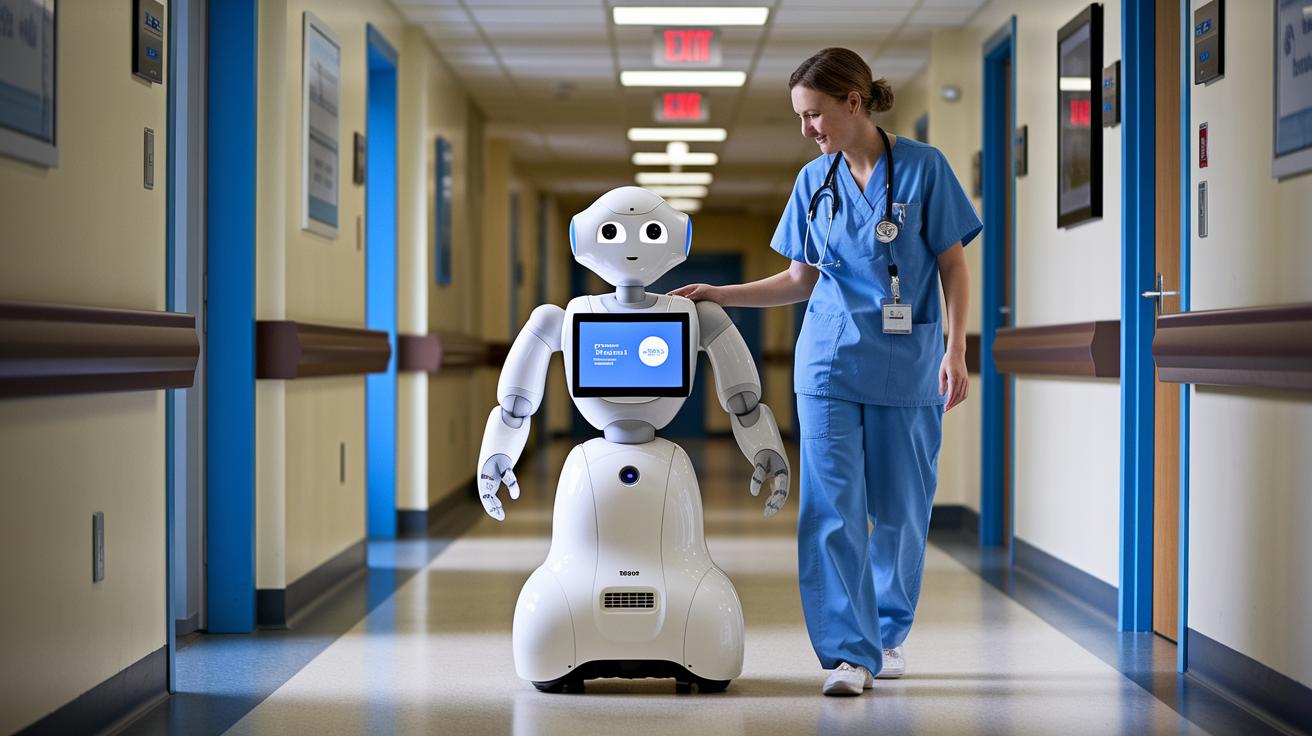
Hospital automation is getting a major makeover. Smart, autonomous systems are stepping in to handle tricky tasks with just a bit of human help, making hospital work run more smoothly. Imagine digital helpers coordinating treatments in real time through simple tools, almost like setting up your favorite app. This easy adjustment is key when hospitals need to update their processes in a flash.
Robots are shining in this new scene. They can move supplies and even pitch in with basic procedures, lightening the load for busy staff. At the same time, AI-driven diagnostics, which use computers to quickly read scans (kind of like having a super-fast second opinion), boost patient care by analyzing imaging and lab tests in a blink. For example, one new imaging system can pick out details so well that even experienced doctors sometimes get surprised, spotting issues faster than older methods.
Smart scheduling and automated patient monitoring are also making a big difference. These systems shorten wait times and keep everyone updated on patient health every step of the way. Meanwhile, cloud-based healthcare platforms securely link up all the data across departments, and digital records help cut down errors by keeping patient information current, imagine less time on paperwork and more on care.
Even the behind-the-scenes gear is getting smarter. Predictive maintenance systems keep a close eye on equipment, sending alerts before problems can cause a hiccup in care. All these technologies, from clever robots to smart algorithms, come together to form a robust system. They not only boost efficiency but also help hospitals deliver care that’s both responsive and reliable.
Innovative Implementations of Hospital Automation Innovations in Clinical Settings
Digital self-check kiosks are truly making a difference in hospital admissions. Patients can quickly sign in and update their details, letting nurses and receptionists focus on care instead of managing long lines.
Imagine stepping into an emergency room where smart sensors keep track of bed availability in real time. As soon as a bed opens up, staff get a prompt alert to help keep everything moving smoothly. In busy ERs, this system has helped get patients treated faster, showing how automation can really boost patient care.
AI-powered imaging systems are also stepping up. These systems quickly interpret lab results and scans, acting like a reliable second opinion for doctors (a helpful extra set of eyes). Hospitals using AI-assisted surgery notice much sharper precision during crucial moments, all thanks to the tech that carefully sifts through patient data.
Automated pharmacy services are changing the game too. With auto-dispensing technology and robotic pharmacy setups, there are fewer medication errors and patients get the right drugs faster. Enhanced electronic health records (EHR) make everything smoother, reducing manual errors from hospital referrals to insurance paperwork, and leaving staff more time for patient care.
Digital operating suites, equipped with smart beds and data-driven scheduling tools, are also improving surgical planning. Some hospitals are exploring remote patient monitoring via telemedicine, keeping patients connected to their care teams even after they leave the hospital.
Strategic Approaches to Implementing Hospital Automation Innovations

When hospitals want to boost patient care with new technology, they bring together people, data, systems, and digital tools. This smooths out communication between departments and breaks down old barriers. One smart move is to roll out changes in small steps using low-code or no-code tools (simple platforms that let staff update systems without heavy coding skills). These tools help teams adjust quickly as they blend in new technology.
A key element in this process is using strong orchestration layers. These work like traffic directors, guiding information from different sources, like electronic health records (EHR), resource planning systems (ERP), or even older systems, so they all speak the same language. Here are a few practical steps hospitals can take:
- Use cloud-based solutions to store patient data securely and access it from anywhere.
- Adopt system integration tools that connect medical devices and software, helping them work together nicely.
- Employ process automation to cut down on repetitive tasks, letting clinical teams focus more on patient care.
Getting expert help from vendors during setup can also ease the transition. Their guidance helps create systems that exchange information seamlessly, supporting better clinical decisions. In doing so, hospitals can keep patients safe while delivering smarter, more efficient care, a setup where technology truly lifts the quality of treatment.
Overcoming Challenges in Adopting Hospital Automation Innovations
Hospital automation can really boost care, but it also comes with its share of bumps. There are hurdles like high upfront costs for robots or fancy diagnostic machines compared to cheaper software, technical glitches when mixing old and new systems, and the heavy lift of keeping patient information safe. Plus, hospitals face plenty of rules for data privacy and ethics that add extra layers of work.
Integrating these systems isn’t simple either. When the technology doesn’t play well with current setups, you’ve got a whole new set of problems on your hands. And if hospital staff aren’t fully trained to handle these advanced systems, mistakes can easily happen. It’s like when you try to use a new gadget without checking the manual first.
So, how do hospitals get past these challenges? Here are a few ideas:
- Start with step-by-step investments that bring in new tech gradually.
- Build secure systems that follow data safety rules and meet all the regulations.
- Keep training programs running so everyone feels confident and knows what they’re doing.
By tackling these financial, technical, and human hurdles head-on, hospitals can make the move to automation smoother. In the end, this leads to smarter patient care and a more efficient operation overall.
Measuring Impact: ROI and Performance Metrics for Hospital Automation Innovations

Hospital automation is measured with simple numbers that show how well these new systems work, and they do it right away. For example, hospitals can track how fast problems get solved, and automated billing can be nearly 93% quicker than the old way, which means fewer waits. They also watch error rates to make sure paperwork and medication details are right, and they measure how quickly supplies are restocked, a clear sign that automation saves money.
Real-time data from user-friendly analytics platforms lets managers see wait times and how much work staff can handle. This clear view means they can quickly fix any issues, making the patient experience better. And when patients report they’re happier, it doesn’t just mean they waited less, it shows that care quality has improved thanks to smart data tools.
| Metric | Impact |
|---|---|
| Time-to-resolution | 93% faster billing and reduced delays |
| Error-rate reduction | Fewer mistakes in clinical and admin work |
| Inventory turnover | Quick restocking saves money |
| Average wait times | Better patient flow |
| Staff productivity | More efficient work |
| Patient satisfaction | Improved care experience |
Future Trends in Hospital Automation Innovations
In some hospitals, automated systems are already reducing patient wait times by 40% compared to traditional scheduling methods. Looking ahead to 2025, hospitals will start using smart platforms that bring together data, systems, and digital workers in one smooth network. These platforms use cloud integration and smart AI healthcare tools (computer programs that help with tasks like diagnosing illnesses) to set up diagnostic systems that learn and adapt as patient needs change. Imagine it like an orchestra conductor making sure every part of care, from booking appointments to giving a diagnosis, plays in perfect harmony.
We’re also expecting a big change in how care is managed. In-person checkups and digital visits will blend together through these intelligent care ecosystems. What does that mean for patients? Whether you schedule a visit in the hospital or connect virtually, your care is supported by an automated system that keeps everything connected.
Another exciting area is AI surgical planning, which will help guide surgeons with digital tools in the operating room to perform complex procedures with greater precision. At the same time, personalized medicine automation will let doctors design treatment plans that fit each patient’s unique health needs, aiming for better, more precise outcomes.
Even hospital staffing is getting a tech upgrade. With AI-enhanced HR tools, the hiring process will match job roles with the right mix of soft and hard skills, making life easier for everyone. Plus, as these digital changes roll out, there’ll be a strong focus on keeping data secure and ensuring ethical practices so that every patient benefits from high-quality, fair care.
Final Words
In the action, we've seen how hospitals use advanced tech to streamline tasks, improve patient care, and boost overall efficiency. The discussion covered real-world examples, key technologies like AI and smart scheduling systems, and the steps necessary for smooth integration. Clear frameworks and performance metrics guide these transitions, making daily operations simpler and more precise.
Hospital automation innovations are transforming care delivery and empowering teams to provide better outcomes. The future looks bright with these improvements lighting the way.
FAQ
Q: What do technology in healthcare examples, hospitals examples, and new technologies in healthcare illustrate?
A: These examples illustrate digital records management, IoT solutions, AI-driven diagnostics, and robotic interventions that enhance patient care and streamline hospital operations.
Q: What do robots in healthcare examples and robotics in healthcare articles cover?
A: They cover how surgical robots, automated medication dispensers, and diagnostic machines help boost efficiency and accuracy in healthcare settings while reducing manual errors.
Q: What does the 10 importance of technology in healthcare refer to?
A: It refers to benefits such as increased efficiency, improved diagnostics, streamlined workflows, enhanced patient engagement, error reduction, cost savings, remote care support, better data management, sustainability, and continuous innovation.
Q: What recent advancements are emerging in healthcare management systems?
A: Recent advancements include AI-powered decision-making, cloud-native automation, low-code platforms, IoT integration, and predictive analytics techniques to boost operational efficiency and patient outcomes.
Q: What do technology in healthcare scholarly articles highlight?
A: Scholarly articles highlight advancements in AI, robotics, and IoT integration, analyzing how these digital systems improve care quality, reduce errors, and optimize data management across hospitals.
Q: What are the top 3 trends in the healthcare industry?
A: The top trends are the rise of AI-driven diagnostics and personalized treatment, widespread adoption of IoT-connected devices, and the integration of robotics and automation within healthcare settings.
Q: What are the 4 types of automation?
A: The four types are process automation, cognitive automation, robotic process automation, and integrated system automation, each streamlining complex tasks across various industries including healthcare.
Q: What are the 4 P’s in healthcare?
A: The 4 P’s represent patient, provider, process, and product, highlighting key areas that drive improvements in quality, efficiency, and overall healthcare service delivery.