


Do you really think space exploration is a waste? Well, think again. Every space mission nudges our science forward in ways that touch our everyday lives. For example, tech originally built to study faraway comets now powers the water filters that clean our water and the navigation systems that help us find our way. One space project has even led to tools that let us track our climate, boost our safety, and guide our cars through crowded streets. In truth, space research drives progress that makes our world smarter, safer, and more connected. It's pretty amazing when you realize that the vast cosmos is actually giving us so many practical benefits.
benefits of space exploration: Fueling Innovation
Space exploration helps us learn more about our universe and makes us rethink what we know. By sending missions to study distant space phenomena, scientists gather data that changes our view of the cosmos. For instance, samples from comets have shown water and organic molecules (basic chemicals that can form life), which are big clues about how life on Earth might have started. This isn’t just a bunch of theory, it actually shapes our research and helps guide what we investigate next.
Space projects also spark excitement among young people who might become future scientists, engineers, and tech experts. When students see high-tech tools like GPS systems or water filters that were first made for spacecraft, they realize that space discoveries can directly affect our daily lives. It’s a bit like seeing a GPS at work and remembering that the same technology, created to explore space, now helps you find your way through traffic.
Data gathered from satellites plays a key role in keeping an eye on our climate and preparing for natural disasters. The precise measurements made by sensors in orbit help us map areas prone to floods and monitor changes in vegetation. This information is crucial for planning how we grow food and care for our environment. Overall, space exploration pushes innovation, inspires learning, and leads to real improvements that benefit life here on Earth.
Technological Benefits of Space Exploration

Space exploration pushes engineers to innovate in ways that benefit us all. They’re busy developing advanced rockets and tough heat-shield materials (that’s special stuff to protect against extreme temperatures) so spacecraft can face really harsh conditions. Just imagine a probe surviving a fiery descent by bouncing off a blazing atmosphere, techniques once only dreamed up in labs now make it possible.
Our everyday lives have also gotten a big boost from these breakthroughs. GPS systems, for example, rely on precise satellite navigation to guide everything from global shipping to your favorite mobile apps. Even remote communities benefit: water recycling and filtration systems originally designed for space missions now help deliver clean water, while improved satellite networks keep them connected and safe.
The spin-offs don’t stop there. Miniaturized electronics and lightweight materials born from space challenges are now key in consumer gadgets and aviation safety. And those robotic arms and drones we first saw on space stations? They’ve found new roles here on Earth, showing us how high-precision satellite technology continues to make everyday tasks simpler and safer.
Scientific Benefits of Space Exploration
Space missions give us incredible insights that change the way we see both the universe and our own planet. For example, the James Webb Space Telescope captures stunning images and gathers detailed measurements that help us understand how the universe is expanding and what it's made of. Imagine this: during one observation, Webb spotted unexpected patterns that make us rethink our ideas about cosmic distances. And missions like TESS are busy examining exoplanet atmospheres for gases that could signal life-friendly conditions. By exploring these distant worlds, scientists gather clues about where life might start and how it could flourish.
Comet and asteroid sample return missions take discovery to another level. These bold probes collect materials that reveal organic compounds and track water distribution across the solar system, hinting at how the building blocks of life might have reached Earth. At the same time, satellites watching over our planet continuously monitor CO₂ and methane levels to sharpen our climate-change models. Their data makes our predictions clearer, and live orbital imagery becomes a crucial tool for disaster planning, helping responders act quickly when floods or wildfires occur.
All these efforts not only fuel our fascination with space but also influence decisions we make here on Earth. The data collected serves as a strong foundation for scientific research, paving the way for innovations that benefit both our environment and society. Isn't it amazing how discoveries from space can lead to real-world improvements?
Medical and Health Advances from Space Missions
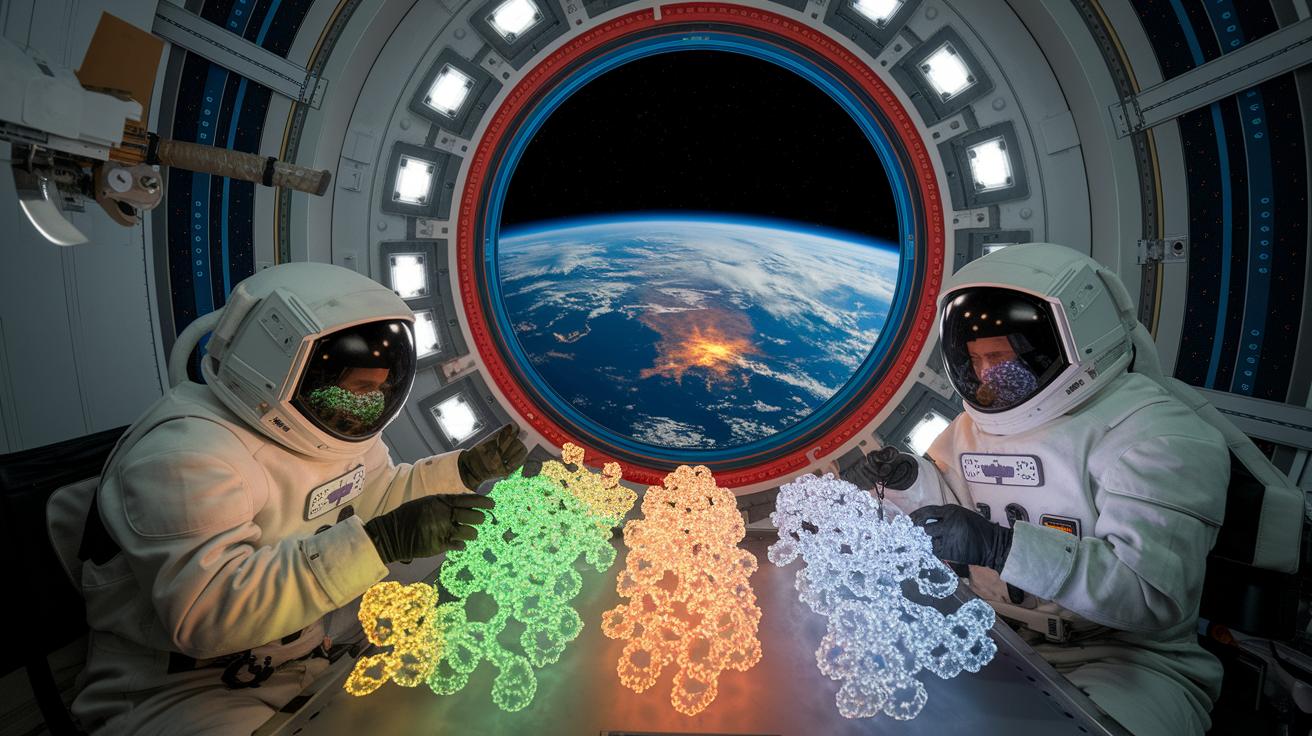
Out in orbit, researchers are taking advantage of near-zero gravity to uncover crystal-clear images of protein formations. These unique conditions help them see tiny structures in a whole new light, which in turn guides the design of better, more effective medicines.
Working with stem cells aboard space stations is giving regenerative medicine a serious boost, something traditional labs just can’t match. Imagine watching cells rebuild themselves in an environment free from gravity’s pull; it offers us fresh, clearer insights into how our tissues repair and renew.
Astronauts spending long stretches in space teach us a lot about our own bodies. Their journeys have led to clever strategies that help reduce bone-density loss and keep the heart strong, even in tough conditions. One study even pointed out how space forces our bodies to adapt in surprising ways, almost like nature’s way of saying, “We can overcome challenges if we learn from them.”
Even the tests of radiation‐shielding materials up there are paying off back home. These trials are shaping the design of better protective gear used in radiotherapy, which helps lessen side effects and improves the care patients receive.
In the end, space isn’t just an endless expanse, it’s a giant, experimental workshop that pushes us to rethink what we know. Every discovery out there ripples back to Earth and makes a real difference in countless lives.
Economic Impact and Commercial Opportunities in Space Exploration
Space exploration isn’t just about rockets, it’s a real economic engine that fires up private investments and builds fresh markets. Companies like Virgin Galactic, Blue Origin, and Axiom are diving into services in space and space tourism. Picture booking a trip to see Earth from above, it not only brings jobs for engineers and support teams but also boosts industries like hotels and travel.
Lower launch costs have paved the way for satellite broadband networks, earning billions in telecom revenue each year. With cheaper launches, businesses can set up large networks of satellites that help with remote sensing (using space images) in farming, mining, and insurance. Imagine a farmer checking satellite photos to decide when to water his crops, the practical use of these technologies drives even more economic activity.
Tech and materials developed for space missions often find their way into other industries. Innovations from orbit help shape processes like additive manufacturing in microgravity (building objects layer by layer in space) and lead to advanced alloys for everyday use. These breakthroughs not only enhance the products we rely on but also inspire a host of start-ups focused on research and development.
Overall, commercial opportunities from space exploration are sparking diverse revenue streams and new job opportunities. Emerging industries from space projects are widening our economic base, laying the groundwork for future ventures, and boosting investments in space programs.
Environmental and Earth Observation Benefits of Space Exploration

Space missions have gifted us with satellites that snap detailed pictures and measure gases like CO₂ and methane. These orbiting helpers give us the vital data needed to set smart climate policies and keep track of our planet’s health.
High-resolution sensors in space have also changed the way we predict the weather. Imagine a town that gets an early warning when a storm starts forming, giving everyone time to prepare. With real-time updates during sudden downpours, these sensors help first responders work faster and save lives.
We now rely on remote sensing tools that capture detailed images of forests, oceans, and other ecosystems. This clear view allows environmental experts to monitor deforestation, check on ocean health, and keep tabs on wildlife. In short, this data helps guide more effective conservation measures.
Space-based water-management analytics are another game-changer for city planners dealing with droughts and floods. By studying water distribution and soil moisture from above, they can develop better strategies for managing our resources during extreme weather events.
All in all, the steady flow of data from space missions equips us with practical tools to keep our planet safe and build a more sustainable future.
Societal and Inspirational Benefits of Space Exploration
Space adventures really spark our curiosity. Think about the Apollo missions from 1969 to 1972, they lit up imaginations and made people feel an electrifying rush, like the stars were calling them to see what’s out there. That excitement still inspires us today.
Projects like the International Space Station bring people from different countries together. They help build friendships and open doors for cooperation worldwide. Teachers even use live space broadcasts and experiments to make science come alive in classrooms across the globe. Imagine watching a spacewalk; it feels like you’re part of a team that reaches far beyond borders.
Space documentaries and movies turn tough research into exciting stories that capture our hearts. They get us behind the scenes of scientific breakthroughs and boost support for future discoveries. The Apollo missions remind us that when we join forces with a common dream, nothing holds us back. In truth, this shows that our ambitions really can go past the limits of the sky.
Future Prospects of Space Exploration Benefits

China and the U.S. are gearing up to build moon bases that will tap into water ice and Helium-3 (a special form of helium that could power energy systems). Just picture it: astronauts using ice-mined resources to power their habitats, kind of like recharging a giant space battery. These moves could open up new ways to gather resources, eventually supporting human life both off Earth and on our home planet.
Mars research is taking things even further. Scientists are studying how to use materials found right there on Mars (what they call in-situ resource utilization) to create sustainable living spaces. Think about it like building a home from scratch on a completely new landscape, using the local supplies. This approach not only helps pave the way for safe, long-term settlements on Mars but might also spark innovative solutions to resource challenges here on Earth.
Next-generation orbital platforms are on the horizon too. These new space stations are set to explore advanced materials, biotech, and how humans handle long periods in space. Their work could lead to breakthroughs, from improved fabric designs to better medical treatments, thanks to experiments in a microgravity environment.
And deep-space telescopes and robotic probes are ready to keep sharpening our view of the universe. These tools will help us fine-tune our models of the cosmos and boost our understanding of distant worlds. With continued support, space exploration promises to inspire us and deliver real-world benefits across many fields.
Final Words
In the action, we saw how space exploration drives tech breakthroughs, advances our scientific understanding, and fuels medical innovation.
We explored how satellite data improves our everyday lives and strengthens our environmental care.
Each area, from economic boosts to sparking STEM enthusiasm, shows the real-world benefits of space exploration.
It's exciting to see how these efforts expand our knowledge and create new opportunities.
There's a bright future ahead, thanks to the many benefits of space exploration shining a new light on our world.