


Are we about to see a big shift in how we produce clean energy? Scientists are making real progress with fusion energy, one of the most promising power sources for the future. They recently used a smart twist on a symmetry theory (a simple way to see patterns) to design stellarator coils faster. This gives engineers a new method to handle high-energy plasma (a super-hot, charged gas) with more control.
This breakthrough not only helps with devices like tokamaks but also paves the way for reactors that are safer and more efficient. With these clever advances, fusion energy might soon be a key player in powering a cleaner, brighter future for everyone.
Major Fusion Energy Breakthroughs Accelerate Progress
Scientists are making real headway in creating cleaner, more efficient power. Researchers from the University of Texas at Austin, Los Alamos National Laboratory, and Type One Energy Group have come up with a neat trick using symmetry theory. This method cuts the time needed to design stellarator coils by tenfold. Before this, engineers had to run through long and complicated calculations, which really slowed things down. Now, by replacing older methods, they simplify designs and trim costs, all while catching spots where high-energy electrons might slip away in devices like tokamaks.
Advances in plasma study are benefiting from these sharper calculations, helping to form better magnetic "bottles" that hold the very hot plasma. In tokamak experiments, better control of the magnetic field not only improves safety but also sheds light on weak areas, cutting down on the usual trial-and-error process in reactor design. For instance, the French WEST tokamak just set a record by keeping high-temperature plasma stable for longer than ever before. This breakthrough shows how fine-tuned magnetic fields can dramatically boost the reliability of plasma confinement, a key step for future nuclear energy innovations.
Fusion energy breakthroughs are steadily bringing us closer to practical, real-world applications. Fusion reactions need fewer resources and produce very little long-lasting radioactive waste compared with traditional fission reactors, making them a real contender for clean, affordable power. With progress in both stellarator designs and tokamak experiments, researchers now have smarter tools to handle plasma complexities. This surge in innovation is paving the way for fusion reactors that might completely change our energy future.
Advancements in Magnetic Confinement and Tokamak Experiments

Scientists are now speeding up tokamak reactor designs by using a symmetry theory approach that nails down where high-energy electrons escape. This new method has slashed design times by tenfold and gives us crisp temperature control, longer-lasting plasma, and improved coil designs for upcoming pilot plants. One researcher even said, "Our new coil design works like a detailed blueprint, controlling heat with pinpoint accuracy down to tiny fractions of a degree."
By weaving these improvements into their work, researchers aren't just building on past successes, they’re boosting magnetic confinement overall. Now, reactors can hold plasma longer and run at higher temperatures, opening the door for more effective fusion experiments and smarter reactor setups.
Symmetry Theory Speeds Stellarator Development
Engineers used to rely on slow, tricky calculations for coil designs. Now they’ve switched to symmetry theory, which cuts the design timeline by 90% while keeping magnetic field predictions accurate within about 5%. It’s like having a high-speed shortcut that still gives you precise readings.
This new simulation model not only saves money but also lets scientists explore more intricate stellarator shapes. With fewer CPU hours needed, teams can run extra tests and try out new plasma setups confidently, even before a physical model is made.
Because of this fresh approach, rapid prototyping is now the norm. Faster tests let researchers check advanced plasma stability and adjust their designs quickly. This new method is paving the way for smarter and more efficient nuclear energy research.
Long-Duration Plasma Achievements in the WEST Tokamak
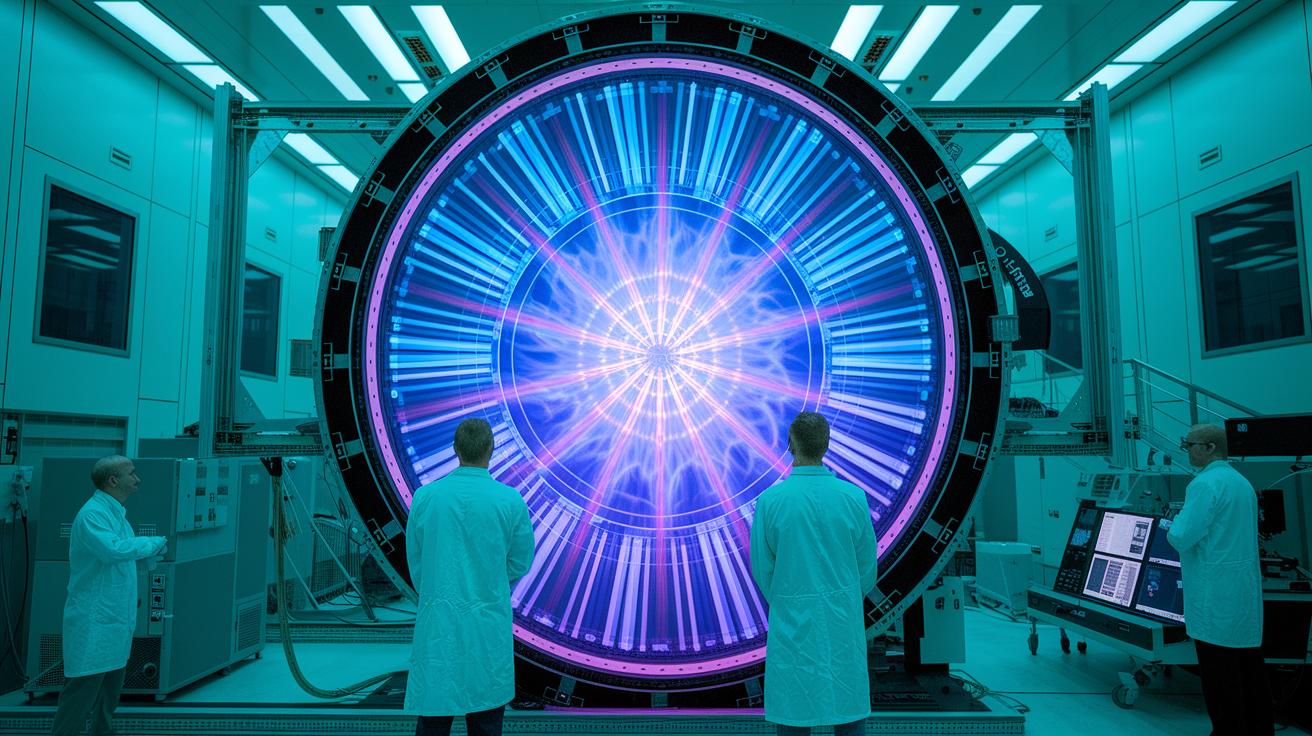
French researchers have set a new record with the WEST tokamak by keeping super-hot plasma (a charged gas needed for fusion) stable for longer than before. They improved control methods, fine-tuning how they manage turbulence and boosting field stabilization, to hold the plasma steady even in intense conditions, much like a well-rehearsed band staying in sync. This extended stability pushes us closer to achieving the energy levels needed for a burning plasma and builds confidence in scaling up tokamak reactors for future pilot-plant demos.
This breakthrough is a major step forward in fusion energy. Modern magnetic confinement techniques now reliably keep plasma under control for the long durations required to spark fusion reactions. Just think about how small tweaks in turbulence management can create a sustained, high-energy state, it's an exciting hint of fusion reactors that could one day light up our cities.
Fusion Energy’s Clean Potential Compared to Conventional Power
Fusion energy gives us a cleaner, more lasting way to power our lives than traditional sources. With fusion, the reactions create hardly any long-lasting radioactive waste, which means there’s far less worry about dangerous leftovers compared to old-fashioned nuclear fission. This neat feature not only keeps our environment safer but also makes handling waste simpler over time.
Another cool thing about fusion is its fuel. Fusion fuels like deuterium and tritium are found in seawater, so we won’t face the same resource limits that come with coal, oil, or natural gas. This abundance means we can rely on fusion for steady, long-term energy without the supply headaches common with fossil fuels.
Fusion also wins when we talk about greenhouse gases. Since there’s no burning of fossil fuels involved, fusion adds almost no extra gases to our atmosphere. This makes it a great partner for wind and solar power in low-carbon grids. If you’re curious about how these renewable sources work together, check out renewable energy technologies.
Policymakers and investors are catching on too. They’re starting to back fusion research as they see the environmental and resource perks it offers. As governments shift toward cleaner energy plans, fusion is stepping up as a promising way to power our future with fewer side effects. This growing support helps drive innovation and opens the door to more breakthroughs in clean energy.
Future Directions in Fusion Reactor Design and Commercialization
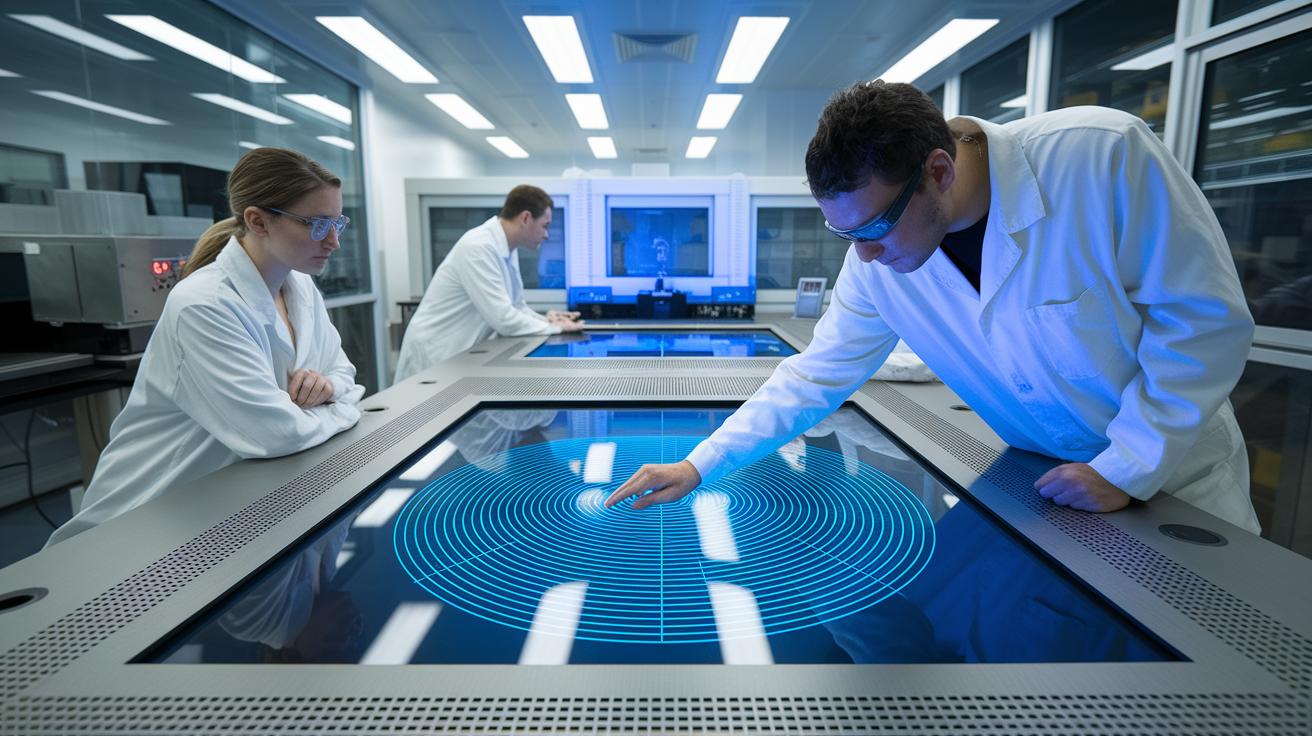
Scientists are gearing up for the next step in fusion reactor design, finding creative ways to boost energy output. They’re fine-tuning coil shapes and cranking up magnetic fields, almost like adjusting the building blocks of a really complex machine. New computer models help them check that safety steps are solid and that the materials will hold up even under tough conditions. In short, they can test the reactor’s performance on a computer long before building an actual model, saving both time and money.
Pilot-plant designs are also getting a lot of attention as researchers work on steady, continuous operation and smooth grid integration. Think of it like perfecting a model car on a small track before taking on the full-sized race car. The goal is to prove that reactors can reliably produce a steady flow of power, cut down on construction costs, and secure ongoing funding.
Key focus areas include:
Every step in this process is essential to move fusion energy from the lab to real-world applications, ensuring that future power plants are both safe and cost-effective.
Final Words
In the action of exploring fusion energy science breakthroughs, we embarked on a look at how refinement in plasma techniques, tokamak experiments, and cutting-edge stellarator designs are propelling our understanding of fusion energy.
Recent tokamak records and new symmetry theories show real promise. Advancements in reactor design and clean potential hint at a future where fusion power can fuel a sustainable, low-carbon world. This exciting progress leaves us eager for what comes next.
FAQ
What do recent fusion energy breakthroughs and advances show?
Recent fusion breakthroughs, including significant progress in tokamak and stellarator design, show that researchers can now sustain high-temperature plasmas longer and improve reactor safety, moving closer to commercially viable fusion power.
How does fusion net energy gain impact modern reactor performance?
Fusion net energy gain means that a reactor produces more energy than it consumes. Advances in magnetic confinement and design innovations are helping scientists reach this balance, paving the way for practical fusion power.
What does the fusion energy record demonstrate about reactor capabilities?
The fusion energy record, like the sustained high-temperature plasma in the WEST tokamak, demonstrates improved stability and confinement, marking a key step in achieving conditions necessary for efficient fusion reactions.
How does nuclear fusion promise to deliver a vast energy source?
Nuclear fusion promises to be a vast energy source by using abundant fuels like deuterium and tritium and generating minimal long-lived waste, positioning it as an attractive option for clean, large-scale power generation.
What distinguishes a fusion nuclear reactor from traditional fission reactors?
A fusion nuclear reactor fuses light elements to create energy, offering the benefit of low radioactive waste and fuel abundance, unlike traditional fission reactors that split heavy atoms and produce significant radioactive byproducts.