


Have you ever wondered if nature might secretly help us secure our future? Environmental science is exploring fresh ground where careful research opens up new ways to see our world.
Scientists are mixing hands-on fieldwork, computer models (basically, digital simulations) and local know-how to solve puzzles about our changing planet. They’re connecting clues about vanishing habitats and climate changes just like piecing together a mystery.
It’s inspiring to see how experts from different areas join forces to care for our environment. These smart advances remind us that by working together, we can shape a brighter, safer tomorrow.
Environmental Science Frontiers: Definitions and Key Research Domains
Environmental science frontiers are all about pushing the boundaries of how we understand and take care of our planet. With our world constantly changing, we need smart, data-driven strategies to keep up. Scientists dive into nature using hands-on fieldwork, lab experiments, and computer models that work together like pieces of a puzzle. For example, by studying chemical and mechanical interactions deep underground, from tiny molecules to broader layers, they can spot issues like mercury pollution in ancient Maya cities or changes in tree rings that signal hidden mining activities.
At its heart, this frontier research is a team effort that brings together experts from many different fields. Geologists, biologists, and others join forces to create balanced ways to manage our environment. Imagine a group that merges traditional water-harvesting methods with modern sensors and local ecological knowledge to bring stability to dry regions. It’s this kind of collaboration that helps us gain a fuller picture of environmental challenges, ensuring all voices and expertise are heard.
- Climate Action Studies
- Subsurface Geoscience
- Discovery Biology
- Sustainable Resource Management
These different areas show how environmental research isn’t limited to one narrow path but instead weaves various approaches together. Climate action studies, for instance, use detailed data to explore the effects of global warming, while subsurface geoscience uncovers the hidden processes that control our groundwater and natural resources. Discovery biology opens a window into the world of microbes and how they help keep ecosystems balanced, and sustainable resource management turns these insights into practical solutions that benefit communities. Together, these fields are carving out new ways to protect our planet and guiding researchers and leaders toward smarter, more effective environmental practices.
Climate Change at the Environmental Science Frontier: Emerging Strategies and Technologies
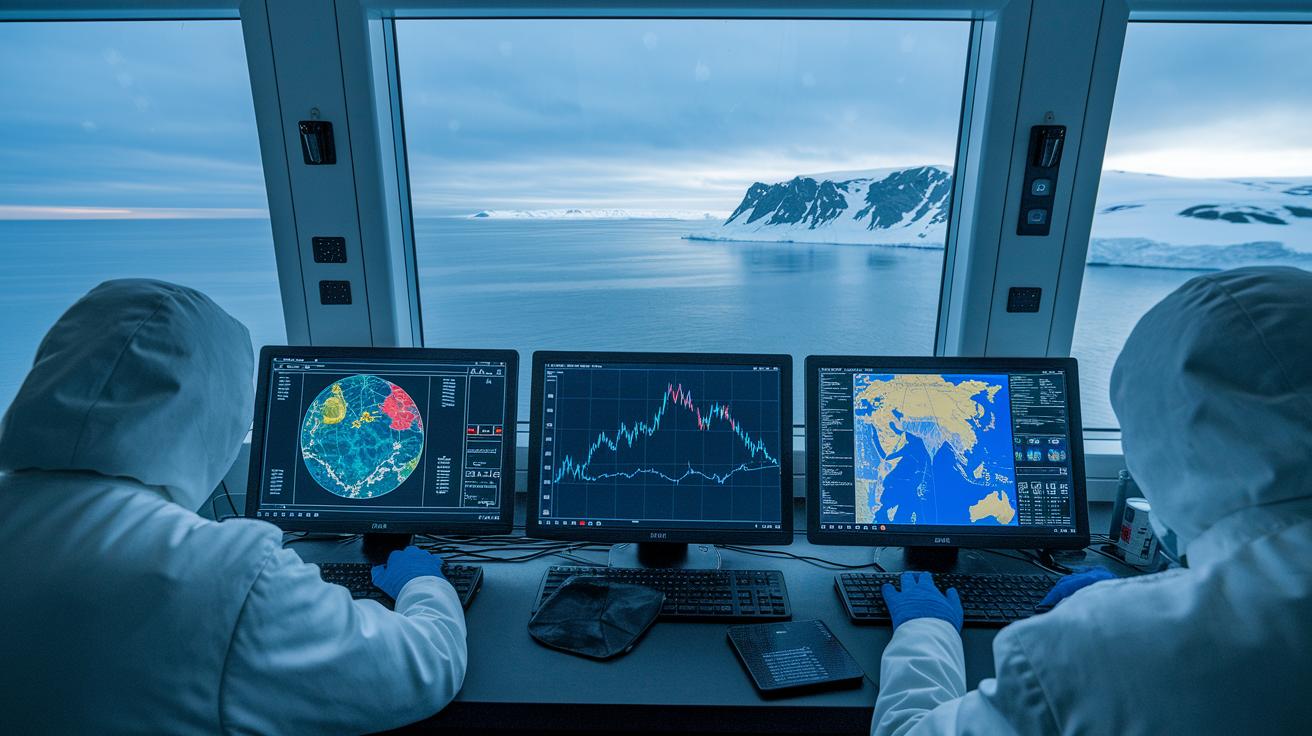
Scientists are now using fresh, innovative ways to keep an eye on our planet. They’re mixing new sensors, fast data collection, and computer models (simulations that mimic real life) to spot climate challenges that once stayed hidden. It’s like getting a live update on our environment. For instance, researchers can now see tiny bits of pollution, such as microplastics drifting along icy coastlines, and they can chart wild weather changes that might shift sea levels. By pairing real-time facts with dependable computer models, they’re better able to track how nature reacts to our warming earth and changing weather.
Let’s dive into two cool examples in climate research. One uses 3D scanning to capture every twist and turn of giant hailstones. This helps scientists sharpen their forecasts of how intense, churning storms might get. Another study looks at the little critters that live in soil under solar panels. These organisms break down organic material and boost carbon capture, which not only makes solar panels work better but also strengthens local ecosystems. It’s amazing how both the smallest creatures and the most dramatic storms can guide us in finding smarter ways to deal with climate change.
| Strategy/Technology | Region | Impact |
|---|---|---|
| Microplastic Monitoring | Arctic | Pollution Tracking |
| Extreme Event Modeling | Antarctica | Sea-Level Forecast |
| Hailstone 3D Scanning | Mid-latitudes | Storm Prediction |
Green Technology Innovations Driving Environmental Science Frontiers
Green technology is changing the way we catch water and make clean energy. Take fog harvesting, for example. In some dry areas, these devices can collect nearly 200 liters of water per square meter each day by turning mist into fresh water, a true lifesaver for communities where rain is scarce. And there’s more: new solar panels are working hand-in-hand with helpful soil creatures. These tiny helpers boost the panels’ efficiency by around 5-10% while also keeping the soil healthy. Imagine walking past a solar field where the quiet buzz of microbes makes the panels work better and the earth thrive. In some drought-stricken regions, fog collectors are the unsung heroes, providing water where downpours are rare.
At the same time, smart methods to reduce pollution are making waves. Cutting-edge bioremediation systems use natural allies, specialized microbes and plants, to clean up oil spills and remove heavy metals from contaminated soil. It’s like nature and science joining forces to turn harmful sites into safer, healthier places. Both lab tests and real-world studies show that these systems not only remove dangerous toxins but also help restore a balanced ecosystem. This encourages us to explore eco-friendly cleanup methods and build a future where nature and technology work together for resilience.
Policy and Collaboration at the Frontier of Environmental Science: Sustainable Research Initiatives

Researchers and policymakers are joining forces to set clear research priorities that tackle today’s global challenges. They’re building easy-to-understand frameworks that welcome input from everyone. By inviting community ideas, these projects boost trust and create honest discussions about urgent environmental topics. This method helps make sure that everyone, from local neighborhoods to big government offices, plays a part in shaping where science and policy meet.
International teamwork is also a big part of these efforts. Experts from all over the world are working together with strategies that let anyone view their findings. These partnerships are built on shared goals and similar values. Changes in peer review practices and other measures keep the work open and trustworthy. In this way, ideas from every region help build clearer and stronger environmental strategies.
Innovative Methodologies and Data Analytics Shaping the Environmental Science Frontier
Scientists are making big leaps with new lab experiments that help us peek into the hidden parts of our planet. They build models that mimic how tiny particles and bigger rock formations interact, sort of like a mini version of Earth, to learn more about what happens beneath our feet. For example, by scanning hailstones in 3D, they capture every curve and edge, which helps make storm predictions a lot more precise. It's like watching computers and real-life experiments work together to reveal the secrets of our planet’s inner layers.
On top of that, techniques that work like big-data treasure hunts are uncovering surprises in microbiome research and virus detection. Researchers dig through mountains of data to find bacteriophages (viruses that attack bacteria) with genomes that are much larger than usual and discover over 35 new types of bacteria. They use smart computer programs to sort through genetic clues, lighting up digital dashboards as each hidden pattern comes to life. These combined methods not only shed light on the complex mix of chemicals and tiny lives below the surface but also open the door to amazing breakthroughs in environmental science.
Case Studies Illustrating Breakthroughs on the Environmental Science Frontier
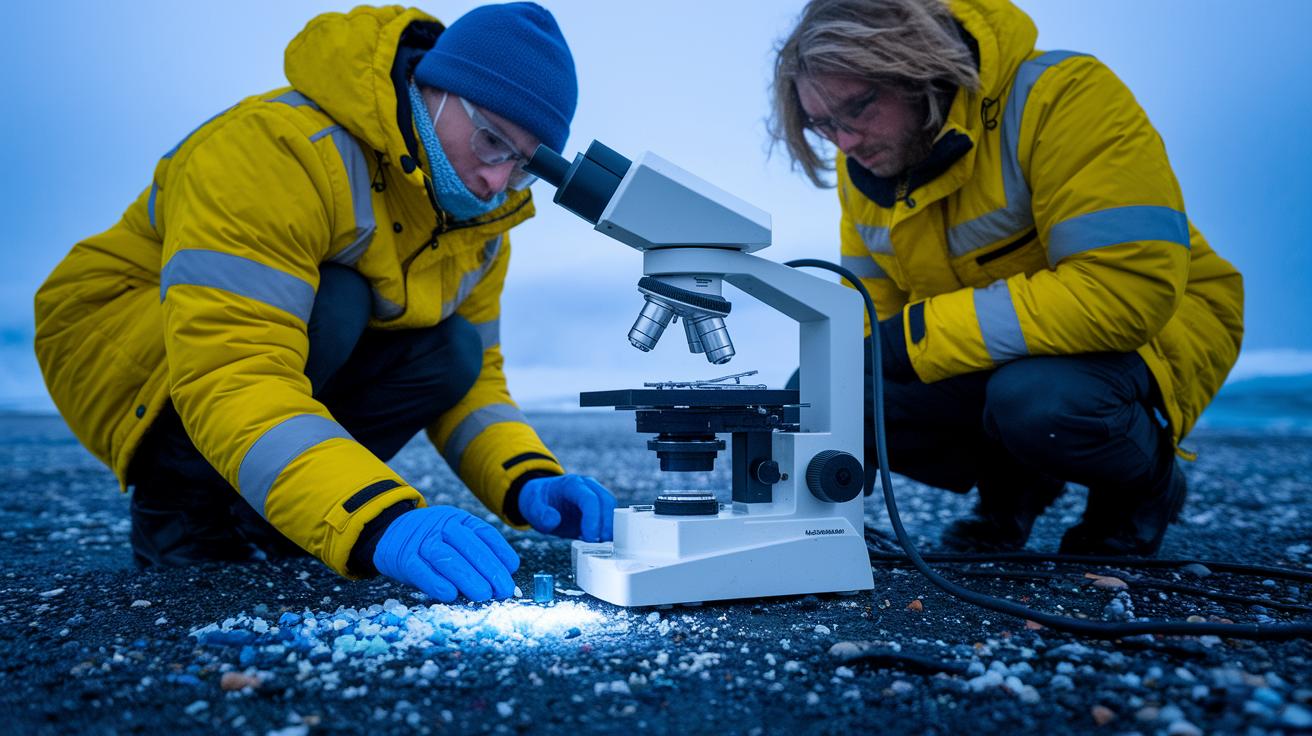
Researchers along Arctic beaches are now using cutting-edge cameras and chemical tests to hunt for microplastics. They work with scanning electron microscopy (a tool that zooms in on tiny details) to spot different kinds of plastic. Have you ever been surprised? On one remote Arctic beach, almost 30% of the little sediment particles had traces of microplastics, showing that even the most untouched places aren’t as pristine as we once thought.
In East Africa, studies on restoring grasslands are turning heads by tracking more than just new green growth. Scientists are also checking how active the soil microbes are and how much carbon the land can capture. This extra bit of data shows that small changes in soil health can lead to big improvements in the overall ecosystem. For instance, recent findings reveal that restored grasslands can absorb 25% more CO₂ than fields left untouched, a natural boost that surprises many.
Cities are getting smart too. Urban areas now rely on tiny, high-tech sensors to keep a close eye on air quality. These devices constantly measure smog and pollution patterns, lending a helping hand when predicting sudden air quality drops and guiding public health measures. One striking fact is that some cities have seen an 80% increase in the accuracy of their air pollution forecasts, all thanks to these clever sensor arrays.
Emerging Challenges and Future Trends on the Environmental Science Frontier
Environmental science still has plenty of room to grow, especially when it comes to merging new tech and old methods. We’re excited about using AI and robotics (think smart gadgets that help monitor our surroundings) but putting these innovations together with traditional fieldwork is still a bit of a puzzle. Imagine a little robot that checks the air quality and instantly sends its findings to a global network. While these clever systems could speed up how we collect data and make quick, informed decisions, the real challenge is blending fresh digital tools with the tried-and-true practices we already rely on. Researchers are hard at work figuring out how to combine the sharp insights from AI with real, hands-on measurements, a task that’s getting even more urgent as wild weather becomes our new norm.
Looking forward, scientists are also focused on making our environmental plans tougher and more sustainable for communities everywhere. They’re coming up with creative funding models that bring together engineers, ecologists, and policy experts like a well-coordinated sports team, where every player has a special role in tackling climate risks and managing our resources. This mix of science and policy is expected to lead to better risk assessments and smarter responses to environmental changes. In short, the goal is to stay ahead of the game, ensuring that our efforts to care for the Earth remain both forward-thinking and solidly based in real-world data.
Final Words
In the action, this article walked through ideas from defining environmental science frontiers to real-world case studies, from mercury in ancient Maya cities to monitoring illegal mining with tree rings. It outlined innovative tools and green technology, unriddling complex research with clear, everyday examples. We also touched on policies and collaborative approaches that help shape sustainable practices. By combining detailed analysis with a friendly tone, the piece invites you to enjoy learning and stay excited about the frontier in environmental science. Keep your curiosity alive as fresh insights continue to spark progress.
FAQ
Q: What does Frontiers in Environmental Science Impact Factor indicate?
A: The Frontiers in Environmental Science Impact Factor indicates how often its articles are cited, serving as a metric for research influence. For current figures, check the journal’s official announcements.
Q: Is Frontiers in Environmental Science a Q1 journal and what is its quartile ranking?
A: Frontiers in Environmental Science is often ranked in the top quartile (Q1), demonstrating high research quality. It’s best to review latest indexing reports since rankings can update over time.
Q: What are the publication fees for Frontiers in Environmental Science?
A: Frontiers in Environmental Science charges publication fees to support open-access services. These fees vary by article type, so visiting the journal’s website provides the most current fee schedule.
Q: What is the ISSN number for Frontiers in Environmental Science?
A: The ISSN number uniquely identifies the journal Frontiers in Environmental Science. For the exact ISSN details, consult the journal’s official publication records or bibliographic databases.
Q: What job opportunities are available related to Frontiers in Environmental Science?
A: Opportunities related to Frontiers in Environmental Science span editorial roles, research positions, and other support jobs at the journal or its affiliated research institutions. Explore career sections on academic job boards for current listings.
Q: How does Frontiers in Environmental Science rank on Scimago?
A: Frontiers in Environmental Science’s ranking on Scimago is based on citation data and other performance indicators. For the latest ranking details, check the Scimago Journal & Country Rank website directly.
Q: What are frontiers in science?
A: Frontiers in science refer to innovative research areas that push the boundaries of current knowledge. They highlight the latest discoveries and techniques that shape future scientific advancements.
Q: How prestigious is Frontiers?
A: The prestige of Frontiers comes from its robust open-access model, rigorous peer review, and growing influence within the scientific community. Its reputation continues to build with each high-quality publication.
Q: What article types does Frontiers in Environmental Science accept?
A: Frontiers in Environmental Science accepts a range of articles such as original research, reviews, case studies, and technical reports, catering to diverse research findings and methods.