

Ever wonder if a smart device could truly change how you feel every day? Remote patient monitoring is stepping up healthcare by keeping an eye on patients as events happen, using cool sensors and simple checks.
This method helps catch problems before they get worse, much like spotting a tiny leak before it floods the room. It saves time and money while offering real peace of mind.
Backed by big savings and top awards, this new tech gives us a fresh take on caring for people. It brings a burst of hope for anyone who needs extra, thoughtful care.
Innovations Shaping Remote Patient Monitoring Today
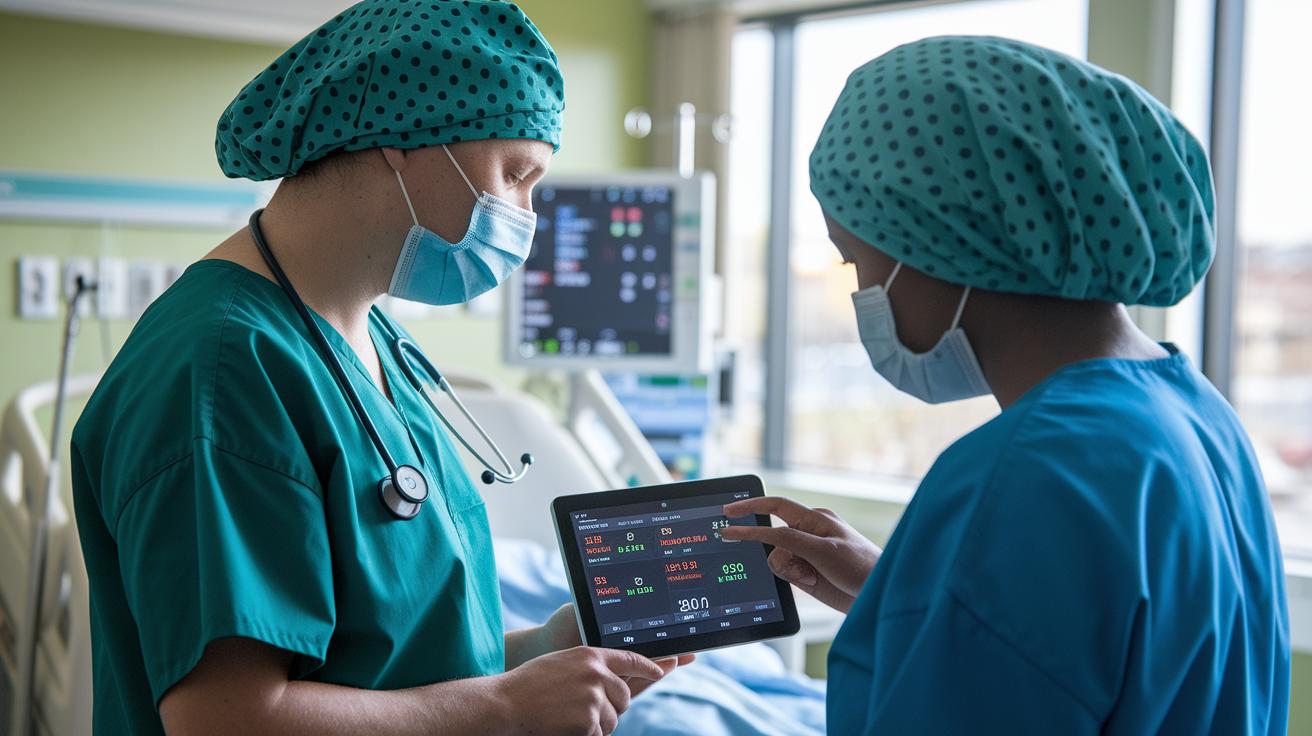
Remote patient monitoring is changing healthcare by moving away from waiting for problems to occur. Now, thanks to smart devices and simple data checking (that means sorting through facts), doctors can keep an eye on patients almost in real time. Tools like HealthSnap send alerts and share information automatically, which helps cut down on hospital stays.
Telemedicine works hand in hand with these advances, allowing a smooth shift from waiting until something goes wrong to keeping up with patient care all the time. One year-long RPM project even saved $2.3 million. It’s exciting to see tech pushing virtual care into bold new areas. And with four Best in KLAS awards in a row, it’s clear these systems are tops in a competitive field.
| Metric | Value | Description |
|---|---|---|
| Virtualization Spending | $250 billion | Estimated annual healthcare spend on RPM |
| Revenue per Patient | $1,883/year | Earnings from continuous monitoring via CPT billing |
| Program Savings | $2.3 million/12 months | Savings from one RPM initiative |
| Industry Recognition | Best in KLAS (4 years) | Award for top-ranked RPM platform |
All these innovations are tweaking the way healthcare works. Care teams can jump into action faster by blending hands-on clinical know-how with the newest tech trends. It’s a refreshing new chapter where data-driven care makes a real difference.
Next-Generation Equipment: Advanced Smart Healthcare Devices and Wearable Health Trackers
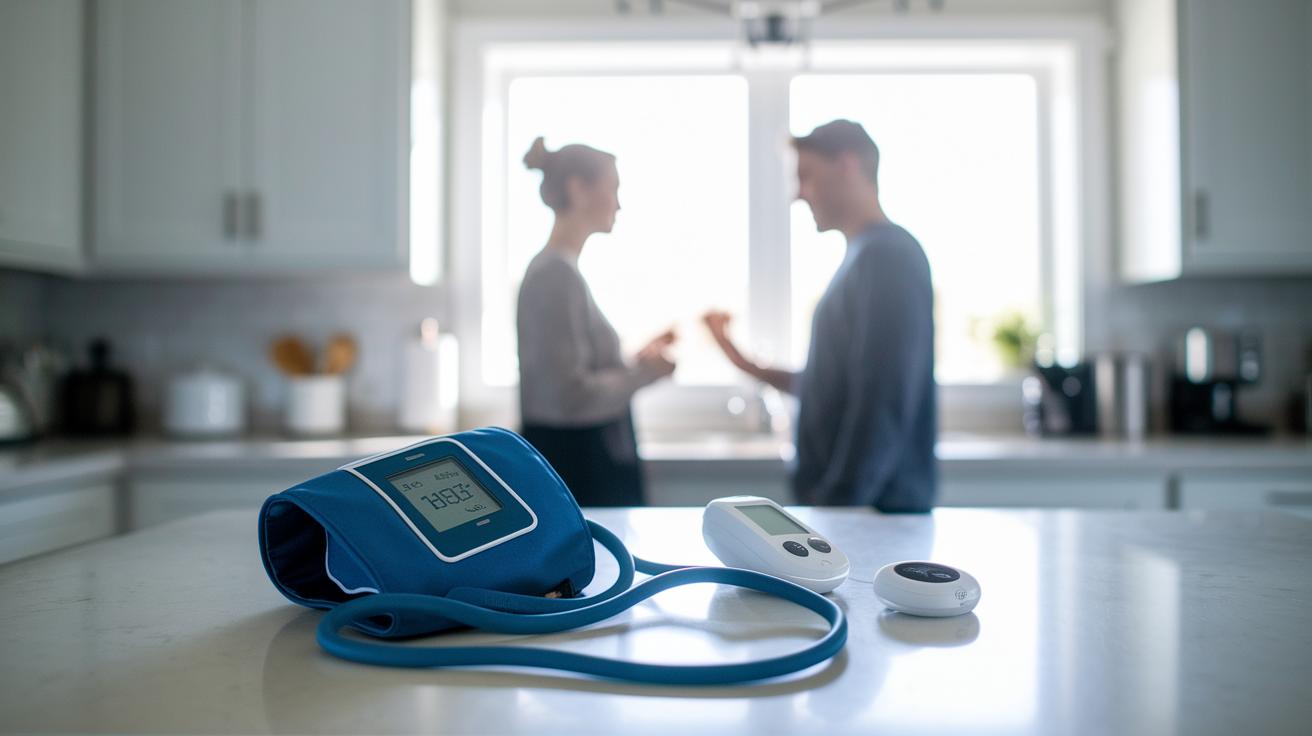
New hardware for watching your health at home is changing the game. With devices that send almost instant updates, doctors can keep a constant eye on you and act quickly when needed. Companies are now creating tiny tools that are not only easy to use but also give very accurate health readings, making sure both patients and healthcare teams stay connected.
- Bluetooth blood pressure cuffs send live readings so changes can be spotted early.
- Home glucometers check blood sugar levels accurately without messing up your day.
- Pulse oximeters keep an eye on oxygen levels all the time to catch potential issues fast.
- Devices that mix ECG with digital stethoscopes offer smooth heart checks wherever you are.
- Popular wearables like the Apple Watch and Fitbit track your steps, heart rate, and rhythm all day.
- Bluetooth thermometers watch your temperature continuously to help detect fevers early.
- Smart scales record weight changes, which is really important for patients with heart issues.
Making sensors smaller is a big part of these improvements. Smaller sensors mean the devices feel lighter and are more comfortable to use every day. Plus, these connected sensor systems make it easier to collect data and instantly share it with your caregiver. This smart mix of compact tech and instant connectivity is leading us toward more thoughtful, personalized care.
Remote Patient Monitoring Innovations Spark New Hope

Imagine keeping an eye on your health at home with smart gadgets powered by AI. These clever systems hook up with devices that track your blood pressure, blood sugar, and oxygen levels all day and night. They use a special computer method (machine-learned evaluation) to group patients by risk, so doctors can quickly see who might need a bit more care. And with predictive analytics, a tool that watches for trends, it gives early warnings before small issues grow into big problems. Near-instant alerts turn piles of numbers into clear, easy-to-follow actions, making healthcare both proactive and precise. This mix of smart tech and human know-how has already cut down on delays and even helped fine-tune billing.
| Technology | Function | Benefit |
|---|---|---|
| AI-Powered Software | Continuous data collection | Instant alerts and easier workflows |
| Machine-Learned Evaluation | Sorting patients by risk | Early help for higher-risk patients |
| Predictive Analytics | Watching for warning signs | Planning care before issues arise |
Recent advances in clinical informatics have made these systems even better. Now, platforms let different devices share data easily using standard APIs (methods that let various gadgets talk to each other without extra hassle). This smooth exchange of information means clinicians get alerts faster and can make smarter choices for their patients. Educational resources and expert teams are on hand to help healthcare providers get started quickly and use the technology well. With instant data checks and built-in support, AI-driven diagnostics are paving the way for a more connected, responsive, and caring experience for everyone.
Home-Based Health Solutions and Mobile Care Applications Expanding RPM

Remote patient monitoring is changing how care is delivered by moving it into patients' homes. This approach means fewer hospital days and a more personal, comfortable care experience. You might even think of it as getting help right there at home without the hassle of frequent trips to a clinic.
Different setups work for different needs. Some programs let agencies use ready-made software to get remote care started quickly, while other efforts put the patient front and center, especially in community clinics. Some hospitals even keep an eye on patients over long periods, and full-service programs offer strong support for both medical providers and those handling payments. In fact, one year-long chronic care program saved $2.3 million, showing clear benefits in saving money and improving care.
Here are some common RPM models in a nutshell:
| Model | Description |
|---|---|
| SaaS License-Based Program | Agencies use ready-to-go software to simplify remote patient monitoring. |
| Patient-First Community Clinic | Clinics focus on one-on-one care with digital follow-ups that boost patient connection. |
| Strategic Longitudinal Hospital Care | Hospitals monitor patients continuously over long periods to improve management. |
| Full-Service Payer/Provider Model | This all-in-one approach supports both clinical work and reimbursement processes. |
These diverse RPM options extend to areas like palliative, hospice, and care for underserved communities. By blending home-based health solutions with mobile care applications, providers can offer connected, efficient care that truly meets patients right where they are.
Integrated Device Platforms and Interoperability in Connected Care Networks
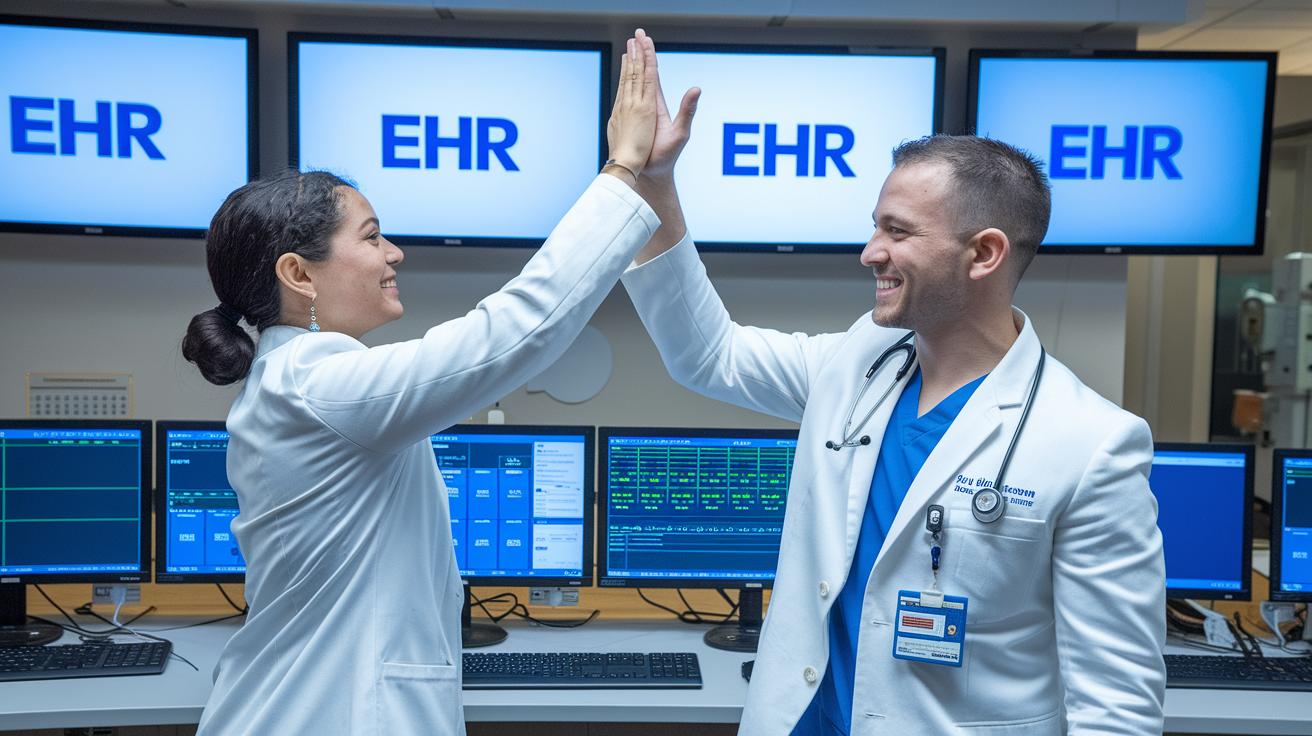
Getting devices and IT systems to work together without a hitch is essential for keeping remote patient monitoring smooth and effective. Leading platforms now come with ready-made EHR integration for over 50 systems at no extra cost, along with handy APIs like Pylo connect, round-the-clock technical support, and full device logistics, all designed so healthcare teams can focus on patient care instead of technical headaches.
- Out-of-the-box EHR integration with 50+ systems.
- APIs that enable secure data sharing and keep workflows simple.
- 24/7 tech support to ensure everything runs smoothly.
- Complete logistics, including inventory management.
- Help with telehealth reimbursements combined with robust reporting and analytics.
This kind of seamless integration makes life easier for both clinicians and IT teams as they move toward a connected care model. Patient data flows automatically among systems, so doctors get the information they need without delay. IT staff enjoy simpler management of secure data exchange and resilient cloud setups that support different healthcare environments. This smoother process lets clinical teams make faster, well-informed decisions without disrupting their daily routines. With strong support and integrated capabilities, healthcare providers can truly concentrate on proactive patient care while pushing operational efficiency to new heights.
Future Telecare Models and Forthcoming Trends in Remote Patient Monitoring Innovations
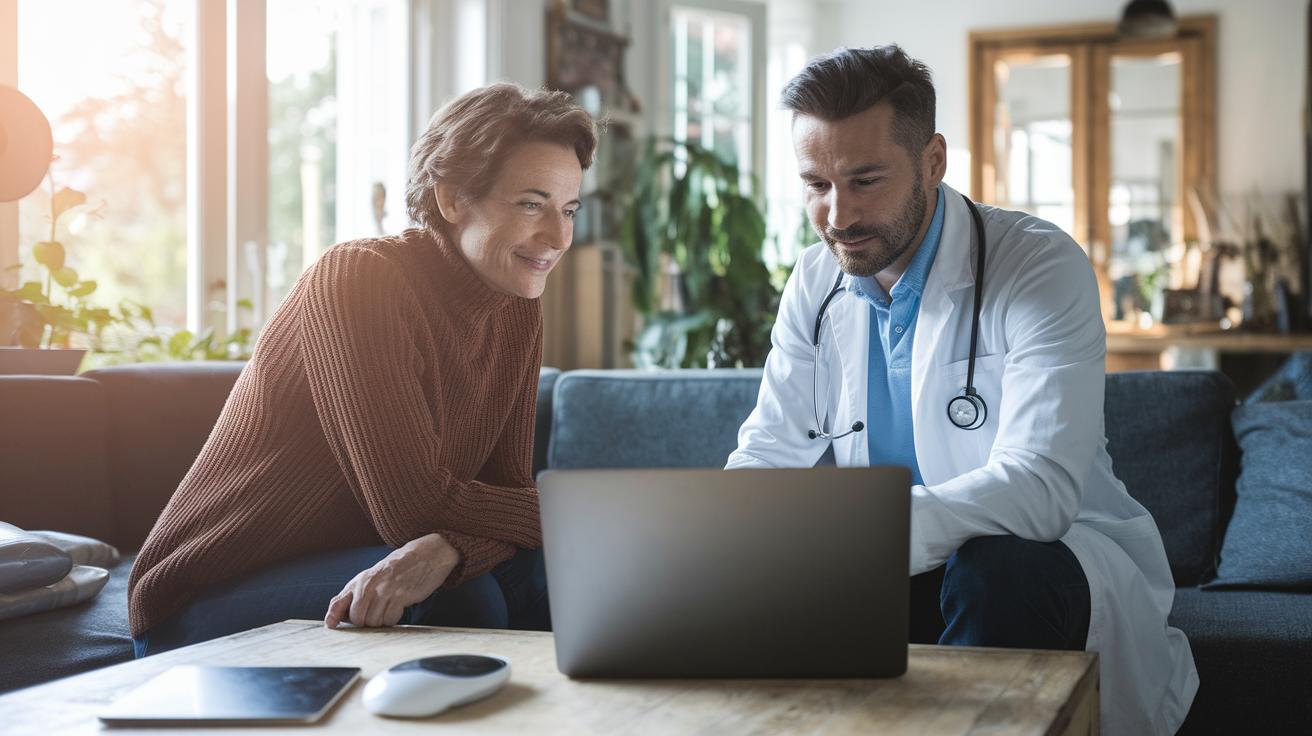
As we look ahead to 2025, both online and in-person events will explore new changes in telehealth payments. These updates are all about making care more flexible and focused on real results. Experts say that as remote care gets better, healthcare spending might near a $250 billion mark. New tech, like smart sensor kits and adaptable monitoring tools, is helping to make care smoother and more personalized.
This fresh approach moves away from waiting for problems to pop up. Instead, it offers ongoing, thoughtful care that fits many settings, whether it’s palliative care, hospice, or hospital-at-home situations. It’s a shift toward being proactive and planning ahead, rather than just reacting when things go wrong.
Keep an eye out for a few key tech trends soon:
- Smart sensor kits that quickly adjust to each patient’s monitoring needs.
- Predictive care plans that catch potential issues before they turn serious.
- Community-based remote care setups that blend local health resources with the benefits of monitoring from afar, all aimed at boosting patient outcomes.
Final Words
In the action from breakthrough smart healthcare devices to AI-powered diagnostics, we unpacked advances that drive remote care and digital data analysis. Our chat spanned key metrics, cost savings, and refined platform integrations, all steering clear of outdated methods. The article showcased how remote patient monitoring innovations push the envelope in proactive care, merging technology with hands-on patient support. It's exciting to see these advances empower smarter, continuous care for everyone.
FAQ
Frequently Asked Questions
Q: What are remote patient monitoring companies?
A: The term “remote patient monitoring companies” refers to firms that provide technology and support for tracking patients’ health data from afar. They integrate devices and software that aid in proactive care management.
Q: What is a remote patient monitoring system?
A: A remote patient monitoring system is a digital platform that gathers health information from patients through sensors and wearables. It delivers near real‑time alerts to healthcare providers for timely care interventions.
Q: What are the benefits of remote patient monitoring?
A: The benefits of remote patient monitoring include reducing hospital stays, generating cost savings, and improving care efficiency. It also supports proactive treatment and enhances patient satisfaction through continuous health tracking.
Q: What do remote patient monitoring jobs involve?
A: Remote patient monitoring jobs involve managing and maintaining systems that collect patient data remotely. These roles span tech support, data analysis, and patient coordination, helping healthcare teams maintain high-quality virtual care.
Q: How does remote patient monitoring work?
A: Remote patient monitoring works by collecting patient health metrics via devices and wearables, sending the data in real time to clinicians. This ongoing monitoring allows for early detection of issues and timely medical responses.
Q: How do telehealth and remote patient monitoring innovations impact nursing practice?
A: Telehealth and remote patient monitoring innovations impact nursing practice by offering real‑time patient data and streamlined communication tools. These advances help nurses make informed decisions and coordinate timely, efficient care.
Q: What types of remote patient monitoring are available?
A: Different types of remote patient monitoring include continuous tracking systems, wearable devices, and home-based mobile applications. Each type tailors data collection and support to meet specific patient care needs effectively.
Q: What are the disadvantages of remote patient monitoring?
A: The disadvantages of remote patient monitoring can include potential data security issues, reliance on technology that may malfunction, and challenges for some patients in adapting to digital systems, affecting overall care consistency.