


Have you ever imagined 3D printing changing the way we make prosthetics? This cool technology lets us speed up production while making each part feel just right for the person who wears it. Imagine a printer working steadily, crafting a custom prosthetic socket in just a few hours using measurements made just for you. Not only does this save money, but it also makes everything more comfortable and effective for patients. So, let’s take a closer look at how 3D printing is turning prosthetic production into a faster, smarter process that really caters to each individual's needs.
Revolutionizing Prosthetic Design with 3D Printing
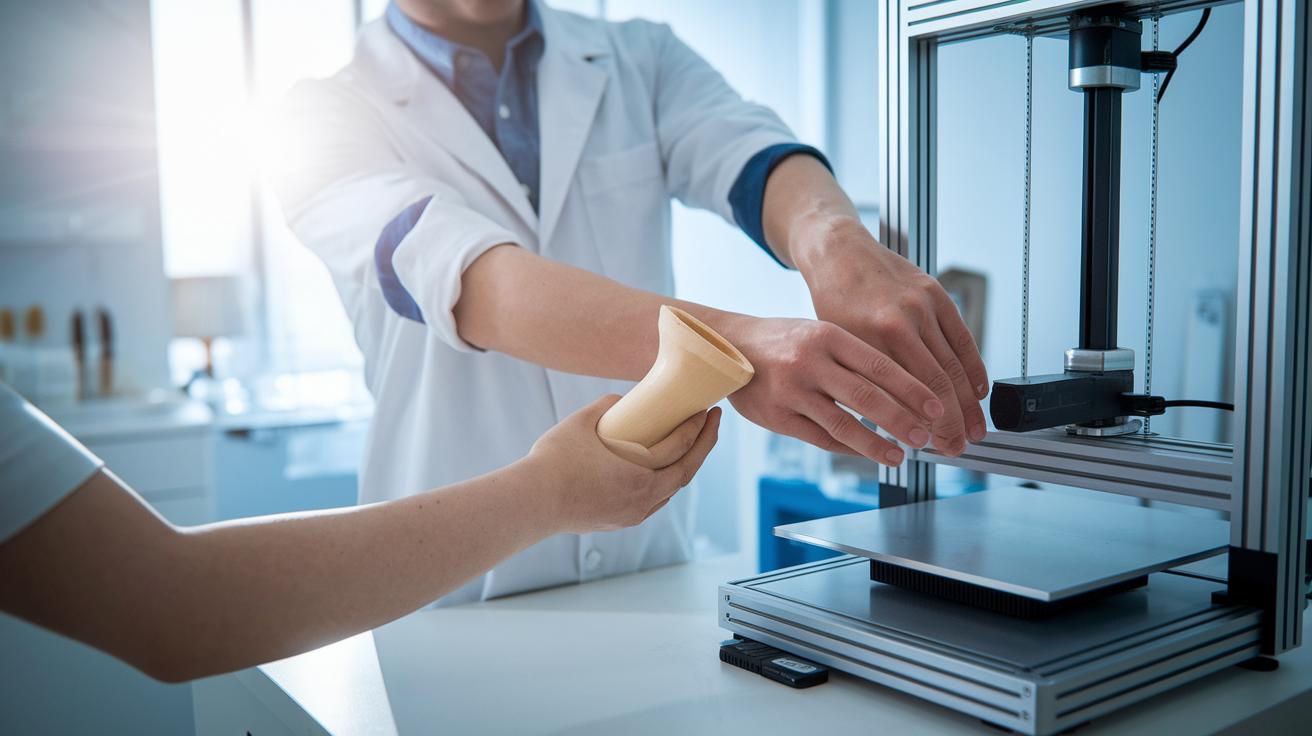
3D printing is completely shaking up how we design prosthetics. It blends fast production, lower costs, and a level of customization that just feels personal. With true DLP accuracy, printers work quickly, keeping every step traceable and super precise. For example, one medical team printed a custom prosthetic socket in just a few hours by matching every patient measurement exactly. This kind of speed makes a huge difference in care.
Resin DLP systems can handle really intricate designs and even produce full-size limbs, all while keeping the build smooth and detailed. Plus, metal printing adds another twist by letting designers use a mix of materials. They can add optimized lattice structures, which means improved strength, flexibility, and cushioning, all while using less material and saving money.
Agile production methods also play a big part. Digital workflows slash production time dramatically. For instance, LifeNabled’s automated design process saved more than three days of work, making high-quality care reachable even in places with limited resources. Advanced scanning techniques and 3D modeling come together to create prosthetics that fit an individual perfectly.
In short, this innovative approach not only speeds up production and cuts costs but also opens the door to mass customization in prosthetic fabrication. With faster iterations and improved precision, designers are stepping up to meet the growing demand for tailor-made prosthetic solutions. And as digital workflows continue to evolve, their impact on patient outcomes becomes more and more evident.
3D Printing Workflow for Prosthetic Fabrication

It all begins with a super-detailed scan. High-resolution data from 3D scanners, MRIs, or CT scans is gathered to create a digital surface map that captures every curve and nuance (like taking a high-quality snapshot of your limb). This clear blueprint sets the stage for designing a custom CAD model that fits just right.
Next, the process moves on to preparing that scan. Techniques like proper setup, careful segmentation of the data, and converting files help avoid mistakes and maintain every important detail. Using computer-aided design tools, technicians fine-tune the digital blueprint, making sure everything from shape to size is spot on before printing begins.
Then comes the fun part: printing. Here, printers use resin systems like SLA or DLP, which offer a selection of over 40 different resins to capture detailed, lifelike shapes. These machines even have large build volumes, meaning they can handle full-sized prosthetic parts with ease. Rapid prototyping allows designers to quickly tweak and test new ideas until the design fits the unique requirements of each user.
After printing, post-processing takes over. This stage involves carefully removing support structures, curing the material properly, and smoothing the surfaces to remove any rough edges. Each step is crucial to making sure the final prosthetic is both durable and comfortable. For those who want to dive deeper into these methods, check out more insights on advanced medical techniques.
Biocompatible Materials in 3D Printed Prosthetics

Today’s 3D printed prosthetics rely on high-tech resins, safe medical plastics, and strong metals. Suppliers now offer more than 40 types of light-sensitive resins crafted to look like real tissue. Designers love these resins because they capture fine details and balance firmness with a soft, lifelike feel. For example, one designer even chose a resin that mimicked human skin, giving the prosthetic an incredibly natural finish.
Medical-grade plastics, like PEEK (a tough, lightweight material) and silicone, are also being explored for parts that touch the skin. These materials are chosen for their ability to reduce irritation and move comfortably with the body, making everyday use much easier.
When extra strength is needed, metals such as titanium and stainless steel come into play. They offer the robust support required in load-bearing areas, though they can be heavier and don’t always have the smooth finish of resins. Designers carefully weigh each material’s strength, flexibility, durability, and weight to create prosthetics that work well and feel comfortable for each individual.
CAD Modeling and Digital Blueprint Creation for Prosthetic Limbs

Today’s CAD tools are really changing the game when it comes to designing prosthetic limbs. Tools like nTop help by automatically creating lattice structures (imagine a network of tiny supports) and managing tricky shapes. In simple terms, what used to take weeks of manual adjustments can now be done in just a few hours, letting the computer handle the hard work. This means designers can craft models that fit each patient like a glove.
Digital blueprint creation pulls in high-resolution scan data to build super-accurate surface meshes (think of it as the digital skin of the prosthetic). With these computer-aided designs for adaptive prosthetics, engineers can easily adjust dimensions and fine-tune details for production. Simulation tools even let them test load performance and spot weak spots before printing begins, so every part is built to last under real-life conditions.
Using data-driven design helps create prosthetics that fit each patient perfectly, opening the door to mass customization. By looping in feedback from simulations, designers can optimize every piece for comfort and strength. CAD modeling takes the guesswork out of making artificial limbs and makes it easy to try out several design ideas quickly through rapid prototyping. In short, combining digital blueprints with smart software is completely transforming how we bring personalized prosthetic solutions to life.
Case Studies in 3D Printed Prosthetic Applications
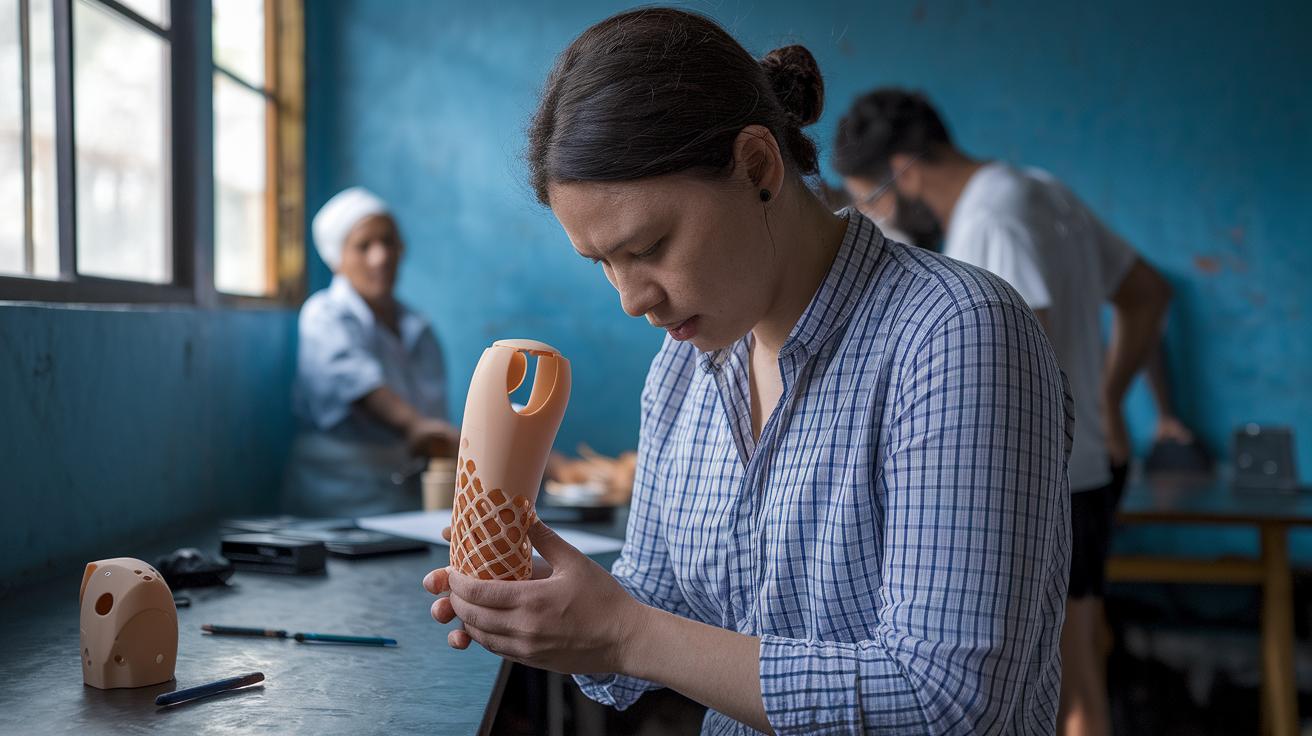
In Guatemala, LifeNabled showed how smart, automated lattice designs can speed up the creation of prosthetics. They used a digital workflow, basically a step-by-step online method, to quickly build prosthetics that match a patient’s unique needs. For example, this modern approach allowed them to deliver care fast, even when resources were scarce.
Over in Singapore, a hospital took 3D printing to a whole new level in a pilot project from November 2022. They started by taking CT scans of a 73-year-old patient who had gone through extensive facial surgery after a tough battle with skin cancer. Using these scans, they printed a resin prosthetic nose. The process involved several rounds of scanning and cosmetic tweaks, with each change making the prosthetic fit better and look more natural. It’s really interesting how careful scanning and repeated adjustments can lead to a safer, more life-like outcome.
Printed surgical guides and anatomical models have also made a big difference. Now, surgeons can use these detailed 3D tools to plan operations more precisely and respond quickly during emergencies. These guides help ensure that every cut and placement is spot on, based on carefully gathered data.
| Project | Key Benefit |
|---|---|
| LifeNabled in Guatemala | Fast, patient-specific prosthetic care |
| Singapore Hospital Pilot | Custom prosthetic nose through iterative design |
| Printed Surgical Guides | Improved accuracy in surgeries |
These real-life examples show how mixing digital design with 3D printing can really enhance patient care. By making things faster and more customized, and by helping surgeons plan better, this technology is a win for everyone involved.
Comparing Traditional and Digital Prosthetic Fabrication
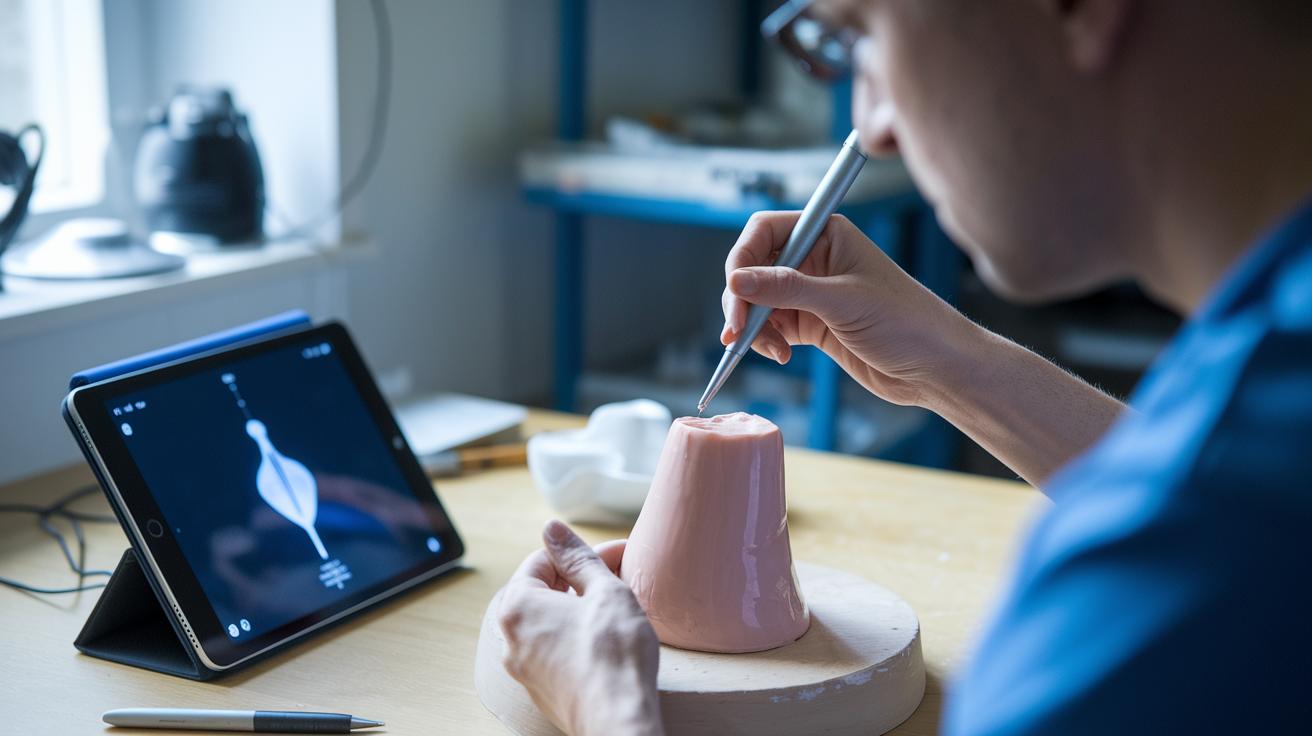
Traditional prosthetic fabrication relies on thermoplastic molds and the careful hand-sculpting of expert technicians, a process that might take several weeks. In this method, technicians meticulously create a mold of the leftover limb by pouring layers of material and then letting each layer set. This hands-on approach involves fitting sessions and adjustments that can be slow and, at times, a little off mark. For instance, a technician might need to reshape the mold several times before it fits just right.
Digital methods, on the other hand, have transformed the whole process with new technology. High-resolution scans from MRIs or CT scans capture every tiny detail of the patient’s limb. Then, automated CAD tools turn these scans into a digital blueprint, creating accurate surface models and even lattice structures that make the prosthetic both sturdy and lightweight. By automating most of the work, production speeds up dramatically, from weeks to just a few hours. This change not only lowers waste and labor costs but also offers a level of customization that manual techniques rarely achieve.
Emerging Trends and Future Innovations in 3D Printing for Prosthetics
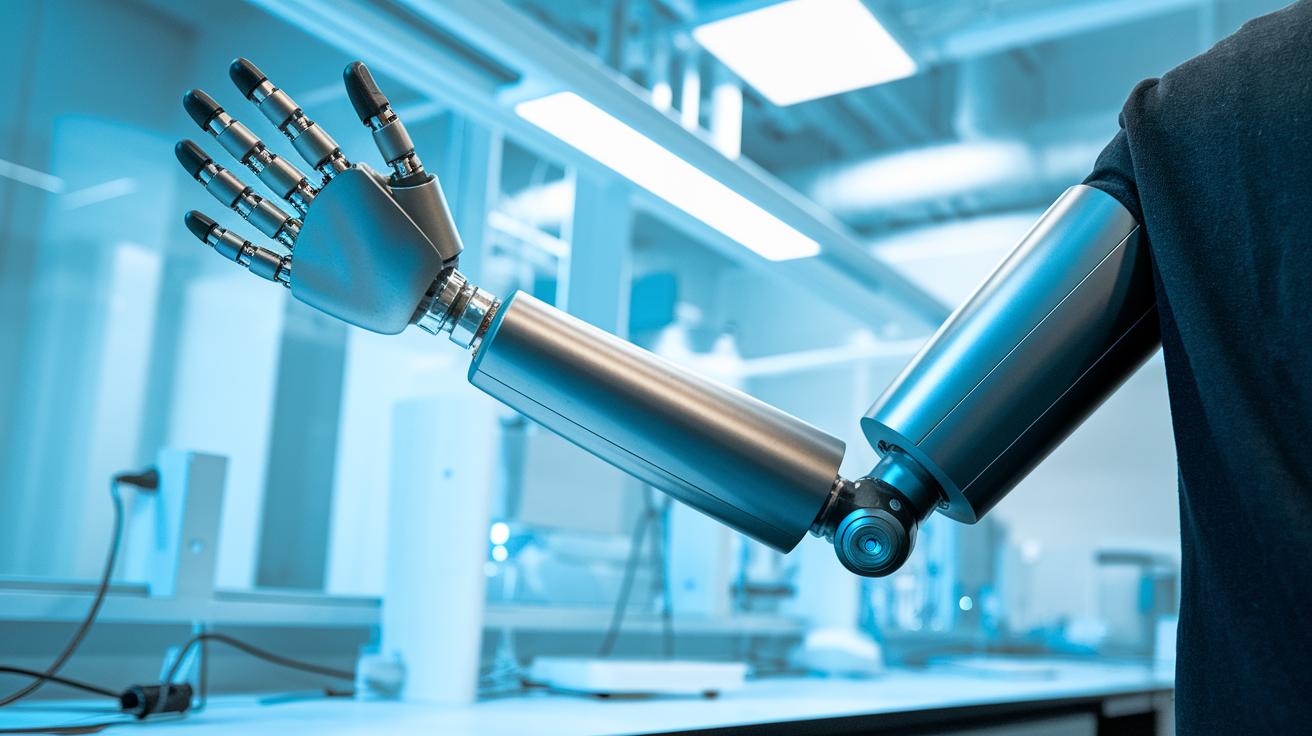
3D printing is quickly reshaping prosthetics by making them smarter and better connected. Researchers are mixing materials like titanium, PEEK (a strong, lightweight plastic), and silicone resin to craft prosthetic parts that work smoothly with the body. Imagine a design where titanium is paired with flexible polymers to mimic how our joints naturally move, pretty cool, right?
Engineers are also adding sensors and circuits that pick up muscle signals, so these prosthetic devices react more naturally to what you want to do. Some designs even blend printed parts with robotics, which boosts their functionality and brings in dynamic, lifelike movement.
Another exciting twist is the use of AI to customize the fit of each prosthetic. This smart tech fine-tunes the design automatically, making sure everything is just right while cutting down on setup time and increasing comfort. Plus, open-source collections of STL files are encouraging a community vibe, allowing people to quickly prototype and share super personalized limb devices.
All these advancements are paving the way for the next generation of prosthetics, a future where each device works in perfect sync with its wearer, making life a bit easier and a lot more inspiring.
Final Words
In the action, our overview showed how innovative tools and digital blueprints pave the way for smarter, precise limb designs. We explored the benefits of agile production, biocompatible materials, and detailed digital workflows, all key factors in advancing 3D printing for prosthetics. The discussion highlighted how rapid prototyping and patient-specific designs are reshaping care. Embracing 3D printing for prosthetics brings hope and better outcomes, fueling new ideas in customization and efficiency. With steady progress on the horizon, every step in this field reinforces a future filled with promise.
FAQ
Q: Is 3D printing used for prosthetics?
A: 3D printing is used to create prosthetic devices by combining precise digital scanning and CAD modeling to produce custom, accurate limbs efficiently.
Q: How much do 3D printed prosthetics cost and are they cheaper?
A: 3D printed prosthetics generally cost less than traditionally made ones because digital workflows and rapid manufacturing reduce labor and material expenses, offering affordable, custom-fit solutions.
Q: What are the negatives of 3D printed prosthetics?
A: 3D printed prosthetics may have limits in durability and material strength, and they sometimes require extra post-processing work, which can affect long-term performance in demanding tasks.
Q: How are 3D printed prosthetics made using digital workflows?
A: The digital workflow for prosthetics starts with high-resolution scans, moves into CAD modeling for customization, and then uses resin or metal printing systems for rapid, precise production.
Q: What examples exist of 3D printed prosthetics?
A: Examples include custom prosthetic legs, limb devices fabricated with complex lattice designs, and specialized facial prosthetics, all demonstrating tailored fits and improved patient comfort.
Q: Are there specific companies specializing in 3D printed prosthetics?
A: Many companies now focus on 3D printed prosthetics, leveraging digital design and advanced manufacturing techniques to offer customizable solutions and online access to design files for users.