


Have you ever wondered how a tiny metal ball could change the world of science? On October 4, 1957, Sputnik 1 launched into space as the very first satellite. Instead of being high-tech or flashy, it sent out a few simple radio beeps that traveled far and wide. Those humble beeps sparked fresh ideas and made us see technology in a new light. Today, we’re taking a look at how that modest satellite set off a historic win that still influences our approach to modern tech.
Sputnik 1: The First Satellite in Space
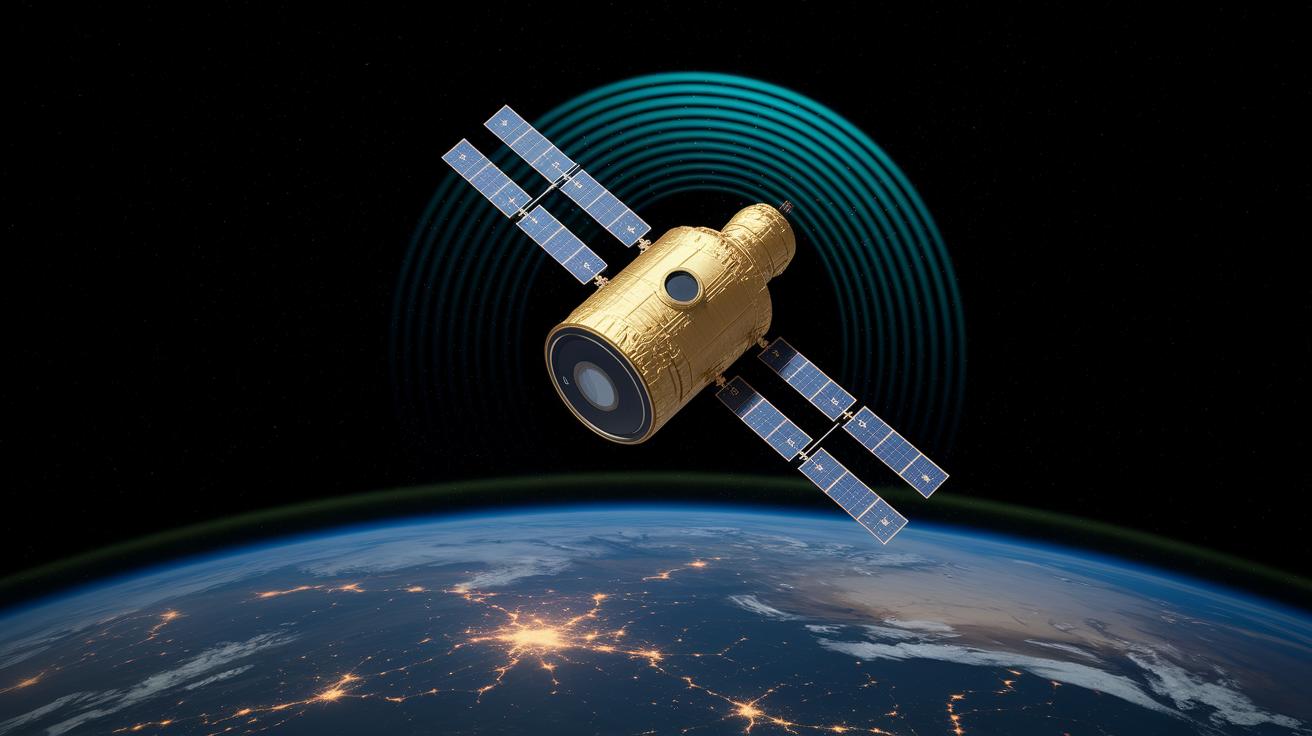
On October 4, 1957, at 10:29 p.m. Moscow time, Sputnik 1 launched from the Tyuratam base, and it changed the way we see space. This little satellite, the first to orbit Earth, quickly caught the attention of people everywhere with its steady radio beeps that reached across the globe. Those simple signals sparked a wave of excitement among scientists and the public, leading to a new era of science education and an eager rush into space exploration.
Built as a compact, shiny sphere, Sputnik 1 was about 22 inches (56 cm) in diameter and weighed 183 lbs (83 kg). It circled our planet every 98 minutes, continually sending out radio signals. Though it was small, it was a true marvel of technology and a symbol of our curiosity. Its success paved the way for more daring space ventures, inspiring generations to push the boundaries of what’s possible.
• Launched on October 4, 1957 at 10:29 p.m. Moscow time
• Named Sputnik, meaning “fellow traveler” in Russian
• Measured 22 inches (56 cm) in diameter and weighed 183 lbs (83 kg)
• Orbited Earth every 98 minutes while sending out radio signals
• Marked the start of the Space Age as the first artificial satellite
Technical Specifications of the First Satellite

Sputnik 1 opened a bold new chapter in space technology. This little satellite was built with a shiny silver metal sphere and four long antennas, designed to withstand the harsh space environment while nudging scientists to rethink how technology could work in orbit. It might surprise you that this 56 cm wide, 83 kg structure zipped around Earth every 98 minutes, sending out a steady radio signal that changed the way we see space exploration. Imagine a compact, ingeniously built object spinning around our planet every 98 minutes, its rhythmic beeps sparking fresh ideas in space tech.
| Parameter | Value |
|---|---|
| Structure | Silver-metal sphere with four long antennas |
| Diameter | 56 cm |
| Weight | 83 kg |
| Orbital Period | 98 minutes |
| Function | Radio beacon transmitting signals |
This engineering wonder combined a simple design with breakthrough functionality. Its sturdy yet minimal build not only met the early challenges of satellite technology but also set off a wave of excitement around the world, lighting the path for more space adventures in the future.
Launching the Maiden Orbiter: The Historic Event
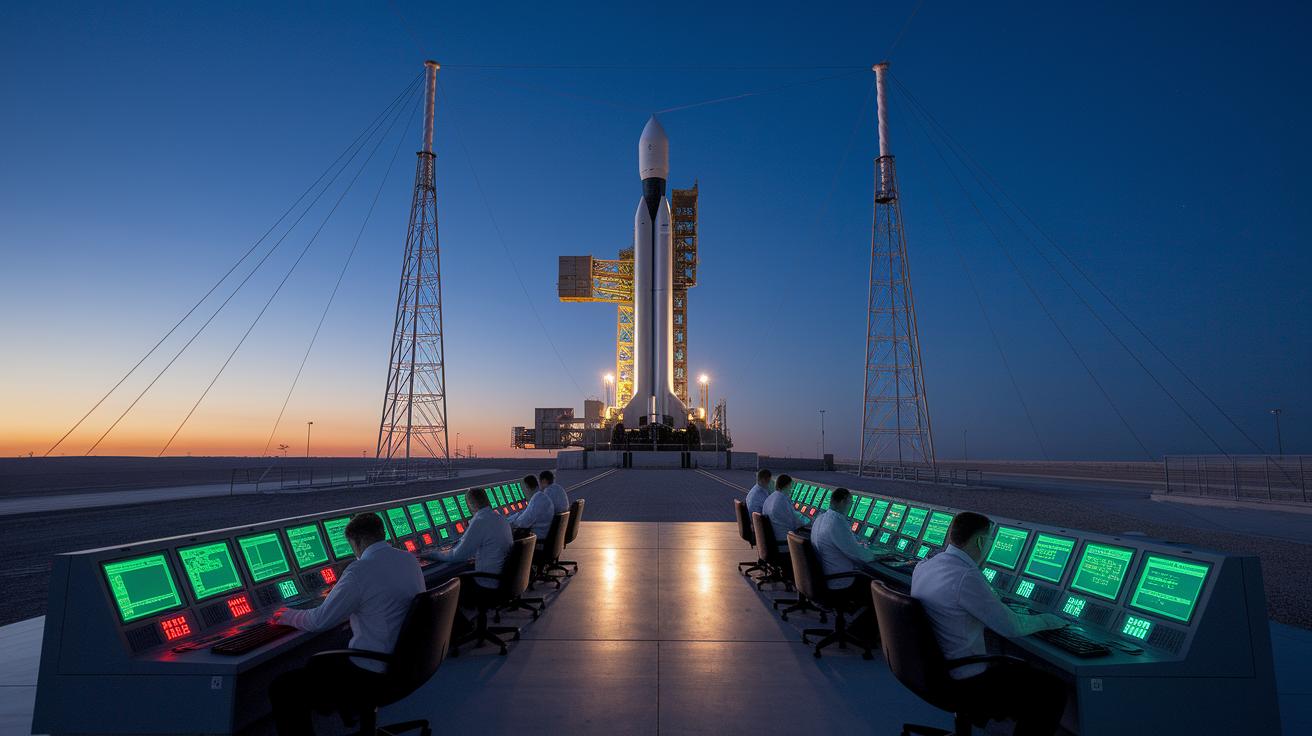
On October 4, 1957, at 10:29 p.m. Moscow time, the world shifted in unexpected ways. Even as people were getting ready for bed, a team in Moscow pulled together a launch that would soon ignite conversations around the globe. The quiet of night was interrupted by a high-stakes moment that mixed technical precision with a dash of daring strategy, all during a tense period of international competition.
At the Tyuratam base in the Kazakh region, nothing was routine. This secretive site buzzed with energy and quiet determination, as engineers worked tirelessly to overcome unpredictable challenges. Some team members even remembered staying up until dawn, carefully fine-tuning instruments and double-checking every calculation to make sure nothing was left to chance.
Sputnik 1 quickly proved that human innovation could thrive under pressure. Orbiting Earth every 98 minutes, the small satellite became a symbol of breakthrough technology, sparking lively discussions both among the public and within government circles. Its steady flight, despite razor-thin margins, showed that with grit and teamwork, even the most uncertain missions could succeed.
First Satellite in Space and Its Role in the Space Race
Sputnik 1 opened a whole new chapter in space study and changed the way countries competed with each other. When it began orbiting Earth, its rhythmic radio beeps spread the idea that space technology held endless potential. The Soviet Union showed off its smart engineering and science skills, making other nations wonder if they should rethink how they did research and built defenses. Soon enough, the United States jumped into the race, sparking a contest that pushed progress in many areas, from computers to how we communicate. This little satellite, zipping around the sky, not only caught people’s attention but also sparked a love for science in classrooms and government labs alike.
- It pushed the United States to speed up its own satellite project, which led to Explorer 1 launching on January 31, 1958.
- It changed U.S. education by putting more focus on science and engineering.
- It set off a contest of scientific skills that made Cold War tensions even stronger.
- Spin-off research from this launch helped improve communication tools and even medical imaging.
- It played a role in the early steps toward portable computers and everyday gadgets like the ball-point pen.
- It marked a turning point in how the world looks at astronomy and space exploration.
The story of Sputnik 1 shows us how a small object can have massive effects on politics and technology. Its launch not only took the Cold War rivalry into space but also changed the way countries spent on science and learning. By showing what focused innovation can do, Sputnik 1 connected the dots between theory and real-world inventions. Even today, new satellite designs and space missions build on the spark it started, proving that even something small can transform our view of the universe.
Legacy of the First Satellite: From Sputnik to Modern Orbiters
Sputnik 1's amazing achievement lit the spark for new missions that forever changed space exploration. It started so simply, yet it set off a chain reaction in satellite technology (the study of how objects orbit the Earth), pushing us to design smarter orbiters and better understand how things move in space. This early success encouraged engineers and researchers to push past the limits of what we once believed was possible.
Soon after, Sputnik 2 followed on November 3, 1957, making history by sending a little dog named Laika into orbit, the very first animal to do so. And then, on March 17, 1958, Vanguard 1 made its debut as the first satellite powered by the sun (using solar panels). Even though it lost contact years ago, it still circles our planet. These milestones laid the groundwork for the weather, navigation, and communication satellites we rely on each day.
These groundbreaking missions didn’t just break records, they completely reshaped the way we study satellite engineering and space science. They planted the seeds for modern space exploration and gave us a fresh perspective on our planet and the vast universe beyond.
Final Words
In the action of launching the first satellite in space, Sputnik 1 sparked rapid changes in science and tech. Its innovative design and radio beacon, orbiting Earth every 98 minutes, reshaped our view of space exploration. The historic event spurred further missions and a wave of new ideas. Each signal from Sputnik reminds us of our boundless curiosity, fueling advancements that make us more optimistic about the future.
FAQ
What was the first US satellite in space?
The first satellite by the US was Explorer 1, launched in 1958 to mark America’s response following Sputnik 1’s debut.
Who made the first satellite in space?
The first satellite, Sputnik 1, was made and launched by the Soviet Union in 1957, sparking global interest in space technology.
What happened to the first satellite in space?
Sputnik 1 orbited Earth for several months before its orbit decayed, eventually leading to its reentry into the atmosphere.
Are Sputnik 1 and Sputnik 2 still in orbit?
Neither Sputnik 1 nor Sputnik 2 remains in orbit today; both satellites have long since reentered Earth’s atmosphere.
Where can I find detailed information about the first satellite in space?
Detailed information on Sputnik 1—its launch, design, and historical impact—can be found on reliable sources like Wikipedia and other space history resources.
What is the oldest satellite in space?
While Sputnik 1 was the first artificial satellite launched, Vanguard 1, launched in 1958, remains in orbit and is considered the oldest satellite still operating.