


Have you ever thought about how a detective can turn a tiny mark into a key clue? Forensic science gives investigators smart tools to collect clues in a snap.
Imagine a gadget that reads fingerprints even when it doesn’t touch them, or a special room that makes hidden prints appear on everyday objects. High-speed photography can even freeze a bullet’s journey, while smart lighting techniques uncover stains that your eyes might miss.
These techniques remind us that even the smallest details can unlock big mysteries.
Core Forensic Technology Tools and Techniques
Modern forensic work relies on careful methods that let investigators analyze cases and collect clues at a crime scene quickly and accurately. For instance, magnetic fingerprinting with AFIS and no-touch scanning have changed the game. Imagine a detective who gathers prints from a victim’s belongings without ever touching them – the no-touch method keeps them clean, while magnetic fingerprinting automatically checks those prints against a digital list. This teamwork makes identifying suspects much faster and helps crack cases sooner.
Cyanoacrylate fuming chambers are another handy tool. They are used to make invisible prints appear on metal or plastic. Picture a situation where a weapon or a soda can is found; the chamber sends special fumes over the item, and hidden prints show up clearly. This technique works great on smooth surfaces, catching details that might otherwise be missed.
High-speed ballistics photography is equally cool. It captures pictures of bullets and broken glass at super-fast speeds. Think about snapping a rapid series of shots the moment a bullet hits something – each picture gives clues about the bullet’s path and force. This info can be a game changer when piecing together how an accident or crime happened.
Alternative light photography is also key when it comes to uncovering tiny traces of biological fluids. By using different light wavelengths, technicians can reveal stains like blood or saliva that usually blend into the background.
- Magnetic fingerprinting with AFIS and no-touch scanning
- Cyanoacrylate fuming chambers for developing latent prints
- High-speed ballistics photography for capturing detailed action
- Alternative light photography for showing hidden trace evidence
Together, these tools provide a strong base for solving cases with clear and reliable methods.
Digital Evidence Integration in Forensic Technology

Investigators now use a mix of old and new methods to collect digital clues from all kinds of sources. Take social media, for example, billions of people use these platforms every day, so a single tweet or post might open the door to key evidence in a case. That's digital evidence integration in action.
Cloud forensics and blockchain solutions help gather data from far-flung locations while keeping it secure. Imagine a crime scene where important digital records are stored safely in a cloud thousands of miles away, the experts can retrieve and piece these records together like parts of a puzzle. Plus, tools that track digital footprints can follow online movements across borders, connecting clues to form a clearer picture.
Then there’s digital vehicle forensics, which pulls vital evidence like fingerprints and tiny fibers from vehicles or even public buses. Picture a hit-and-run case where digital marks on a car link the vehicle directly to the suspect. And what about the XFT Device? It’s designed to uncover hidden data in gaming systems, much like a detective finding secret messages or location hints on a console that many thought was just for play.
- Social network forensics with a rapidly growing user base
- Blockchain and cloud forensics for secure, remote data collection
- Digital vehicle forensics that extract fingerprints and fibers
- The XFT Device, which uncovers concealed gaming system data
- Digital footprint monitoring for tracking cyber trails across borders
Imaging and 3D Reconstruction in Forensic Technology
Investigators today lean on cool imaging tools to piece evidence together. They can detect tiny details with methods like LA-ICP-MS, which examines samples at the atomic level (think of it as scanning for the tiniest clues). Tools like the Video Spectral Comparator 2000 bring out hidden or faded writing on documents, even when regular methods just don’t cut it. Imagine a worn-out note suddenly becoming clear under the right light!
Digital casework has come a long way, too. With 3D forensic facial reconstruction software, experts create lifelike images from skeletal remains, turning scattered fragments into recognizable faces. And there’s software that matches bone fragments by checking minute details in a virtual space. Together, they build a digital model of the crime scene that helps juries see the events as they might have happened.
Drones add another amazing layer by capturing aerial views that highlight details you might miss from the ground. Plus, blood pattern analysis software estimates where a blood splatter started, offering clues about people’s positions during an incident. All these imaging and reconstruction tools combine to tell a clear, visual story of what went down, making forensic evidence both immersive and easy to understand.
AI-driven and Automated Forensic Technology Solutions
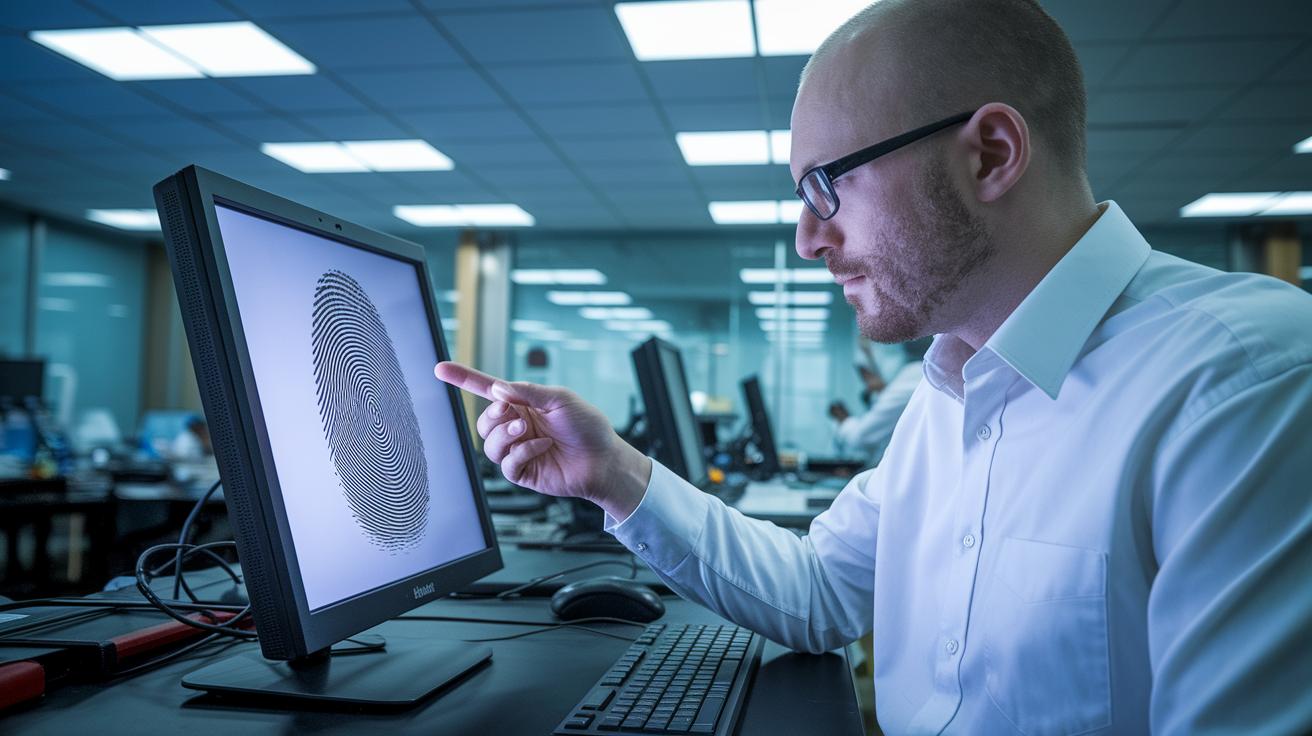
AI helps detectives solve crimes faster by comparing fingerprints and photos with a speed and consistency that humans can rarely match. It swiftly connects crime scene prints to those stored in archives while cutting down on mistakes. The smart computer programs sift through countless images, catching tiny differences in print details or small shifts in photos that might slip past the human eye. For instance, one automated system can match a single clue against thousands of records in just a few seconds.
Modern forensics now also embraces automated lab methods. Take the Forensic Bullet Comparison Visualizer, for example, which uses computer matching to compare bullet marks. Imagine a system that sorts through complex bullet impressions to uncover patterns that echo known samples, this process makes tricky cases a lot easier to crack. Similarly, the Integrated Ballistic Identification System (IBIS) employs 3D imaging (a way to create a three-dimensional picture) to study minute tool marks on firearms, neatly connecting physical clues with digital analysis.
Biosensors bring another exciting twist. These little devices gather extra details from prints, such as clues about a person’s age, gender, or even if they recently took medication. Think about how a tiny sensor could hint whether a suspect is young or if specific drugs were involved, all by examining fingerprint residue.
Immunochromatography is another neat tool that speeds up on-site drug testing. Picture a portable device at a crime scene delivering quick results by spotting traces of drugs in minutes, perfect for investigators needing immediate answers.
| Technology | How It Helps |
|---|---|
| AI in Fingerprint and Photo Comparisons | Quickly matches prints to archived records |
| Forensic Bullet Comparison Visualizer | Matches bullet marks with precision |
| IBIS 3D Imaging | Analyzes tiny tool marks on firearms |
| Biosensors | Extract details like age and medication from prints |
| Immunochromatography | Delivers quick, on-the-spot drug testing |
| Automated Superglue Fuming Chambers | Unearths hidden prints rapidly and effectively |
Automated superglue fuming chambers now reveal hidden prints quickly and efficiently, freeing up investigators to focus on other vital evidence. This tech makes the forensic process faster and smoother overall.
Each of these advancements shows how technology and detective work can team up to solve mysteries more accurately and swiftly. It’s amazing to see just how far we’ve come with these modern tools, making it easier than ever to uncover the truth.
Laboratory Instrumentation and Innovations in Forensic Technology
Today’s forensic labs are getting a major upgrade with fresh, high-tech tools that make investigations sharper and faster. For example, Next Generation Sequencing (a method that reads an entire genetic profile even when DNA is broken down) turns even the tiniest, damaged DNA bits into valuable clues. It’s a lot like putting together a puzzle where every piece, no matter how small, plays an important role. Meanwhile, PCR workstations are set up with smart controls to prevent contamination, ensuring that whether it's hair, skin cells, or other minute samples, the DNA results stay clean and reliable.
Inside the lab, DNA sequencers are now so quick and precise that they really boost the whole forensic process. When every strand of DNA counts, these advanced systems work in strict conditions to block any unwanted interference. A lab technician once remarked that using these clean PCR workstations feels like setting the perfect stage for each sample’s performance. In tandem with these genetic techniques, the LC-MS/MS method (a type of mass spectrometry that breaks chemicals into parts for analysis) is making a splash by detecting up to 24 synthetic cannabinoids at once, streamlining drug tests and adding extra layers of accuracy in toxicology work.
Field investigations are benefiting too. The portable Foldscope microscope lets experts analyze samples like blood, hair, or soil right on the spot. And thanks to carbon dot powders that brighten even the faintest fingerprints, the tiniest marks stand out clearly. Together, these innovative instruments are leading the charge in modern forensic science. They not only enhance investigative power but also set new standards in forensic technology, giving labs the precision they need to solve today’s trickiest cases.
- Next Generation Sequencing for degraded DNA
- PCR workstations with contamination controls
- LC-MS/MS for detecting multiple synthetic cannabinoids
- Portable Foldscope for on-the-spot field analysis
- Carbon dot powders for fingerprint enhancement
Forensic Technology in Real-world Case Applications

Investigators are using high-tech forensic tools to crack cases that used to baffle everyone. In one case, experts tracked tiny changes in water isotope levels in bones (isotopes are different forms of the same element) to nail down a victim’s background. They also used forensic palynology, which means analyzing pollen and sediment from a suspect’s clothes, to pinpoint where the crime happened with surprising precision.
Imagine a drone flying overhead, snapping crisp, high-resolution images of a hit-and-run accident. Those images were turned into a 3D model of the scene, showing details that you just can’t see from the ground. This bird’s-eye view revealed impact points and how debris spread out, which was a real game changer for investigators.
Digital vehicle forensics is another cool tool in the modern crime-solver’s kit. In one hit-and-run, tiny fingerprints and fibers on a car were digitally gathered and analyzed, tying the vehicle directly to the suspect. At the same time, experts are looking at social media metadata, like timestamps and location tags, to piece together a suspect’s timeline. This way, even clues that seemed unrelated began to fit together like a puzzle.
They’re also using software to analyze blood patterns at crime scenes. This tool calculates where splatters came from by working out trajectories and impact spots, helping to clear up the order of events and where everyone was at the time.
- Isotope geolocation tracing reveals where a victim may have come from.
- Forensic palynology uses tiny traces of pollen and sediment to locate crime scenes.
- Drone forensics builds a 3D picture of accident sites.
- Social media metadata analysis helps map out a suspect’s movements.
- Digital vehicle forensics extracts crucial clues from cars.
- Blood pattern analysis software pieces together the mystery of how a crime unfolded.
These real-world examples show how new tech is helping solve cases with pinpoint accuracy, making forensic investigations both more precise and effective.
Career Pathways and Technical Training for Forensic Technology
Starting a career in forensic science can be really rewarding, especially if you begin as an entry-level technician or crime scene analyst. Usually, you’ll need a bachelor’s degree in forensic science along with extra certificates that help build practical skills. Many programs mix regular classes with simulation training and virtual labs, giving you a taste of real investigations. Imagine working in a digital lab set up to mimic an actual crime scene, letting you practice gathering and analyzing evidence in a safe, controlled environment.
To help you decide which way to go, there are academy spotlights and reviews of online certificate programs that break down different learning paths. These courses often cover topics like evaluating digital evidence, using lab equipment, and piecing together case details. Recent job trend studies show that both public and private labs are on the lookout for people who balance solid academic work with hands-on experience. Sometimes, you might also need to complete internships or participate in virtual workshops that introduce you to the latest tools and techniques in forensic technology.
More and more schools are now offering simulation modules that recreate complex crime scenes, so you can apply what you learn right away. By combining formal education with these immersive training experiences, you'll be well on your way to building a strong foundation for a successful career in forensic technology.
Final Words
In the action, this article walked you through a range of forensic technology innovations, from simple fingerprint scanning to digital evidence integration and 3D reconstructions. It unraveled key techniques like magnetic fingerprinting and high-speed ballistics photography, paired with AI-driven methods that bring clarity to complex investigations. We also touched on lab innovations and career insights, offering a practical view of how these tools work in real-life cases. Embracing forensic technology sparks new ways to analyze and understand critical evidence in today’s fast-paced investigative field.
FAQ
What is forensic technology?
The forensic technology is the use of scientific tools and methods to collect and analyze evidence, helping solve cases through clear data and physical clues.
What does a forensic technologist do?
A forensic technologist collects, processes, and examines physical and digital evidence using various advanced tools, providing key insights for criminal investigations.
How much does a forensic technology professional typically earn?
A forensic technology professional earns competitive wages that vary by experience, education, and location, reflecting their specialized skills in evidence analysis.
How long does it take to become a forensic technologist?
Becoming a forensic technologist usually requires a bachelor’s degree in a related field along with specialized training and certifications, typically taking several years.
What are some forensic technology colleges and courses available?
Forensic technology colleges offer degree programs and certificate courses that combine classroom lessons with practical labs, equipping students with hands-on investigative skills.
What are some examples of forensic technology in action?
Examples of forensic technology include fingerprint scanning innovations, digital evidence integration from mobile devices, 3D case reconstructions, and AI-driven case analysis tools.
What types of jobs do forensic technology professionals hold?
Forensic technology professionals hold jobs as crime scene analysts, digital evidence specialists, lab technicians, and cybersecurity experts in both public and private sectors.
What is Forensic Technology Inc, Deloitte, and LeadsOnline?
Forensic Technology Inc, Deloitte, and LeadsOnline are organizations offering forensic analysis services and consulting, each contributing solutions for effective evidence processing.