


Ever wonder when you’ll see the next rocket streak across the sky? NASA’s latest launch schedule is brimming with exciting details about upcoming missions and key dates. Each mission is a perfect mix of careful planning and orbital science (basically, how objects move in space), working together to make those thrilling liftoffs a reality.
In this article, we’ll break down what each flight window means and share tips on how to stay updated with any schedule tweaks. Get ready to dive into the future of space exploration and see what’s on the horizon!
NASA Launch Schedule: Upcoming Missions and Dates
NASA updates its launch calendar all the time so you can easily keep tabs on every liftoff. The calendar shows when each mission is expected to blast off, including flight windows chosen based on orbital mechanics (basically, how objects move in space) and other important factors. This way, space fans and curious explorers can follow each new mission without any fuss.
Think about it like this: before one renowned engineer became famous for breaking space records, she would spend her evenings studying launch data at home, dreaming of the day when she would see a liftoff in person. It’s a neat reminder that every tiny detail matters, even when plans change because of weather or last-minute checks.
| Mission Name | Launch Date | Launch Time (ET) | Launch Vehicle | Launch Site |
|---|---|---|---|---|
| Artemis II | No earlier than Q4 2024 | TBD | SLS | KSC LC-39B |
| Crew-7 | November 2023 | TBD | SpaceX Crew Dragon | KSC LC-39A |
| IXPE | January 2025 | TBD | Falcon 9 | CCAFS SLC-40 |
| Europa Clipper | October 2024 | TBD | SLS | KSC LC-39B |
| Mars Sample Return Orbiter | 2026 | TBD | Atlas V | Vandenberg SFB |
Remember, all these dates and times are tentative because weather checks and tech readiness can change plans. It’s a good idea to keep an eye on NASA’s official updates as conditions are re-assessed before each launch.
NASA Launch Schedule Mission Details and Payload Objectives
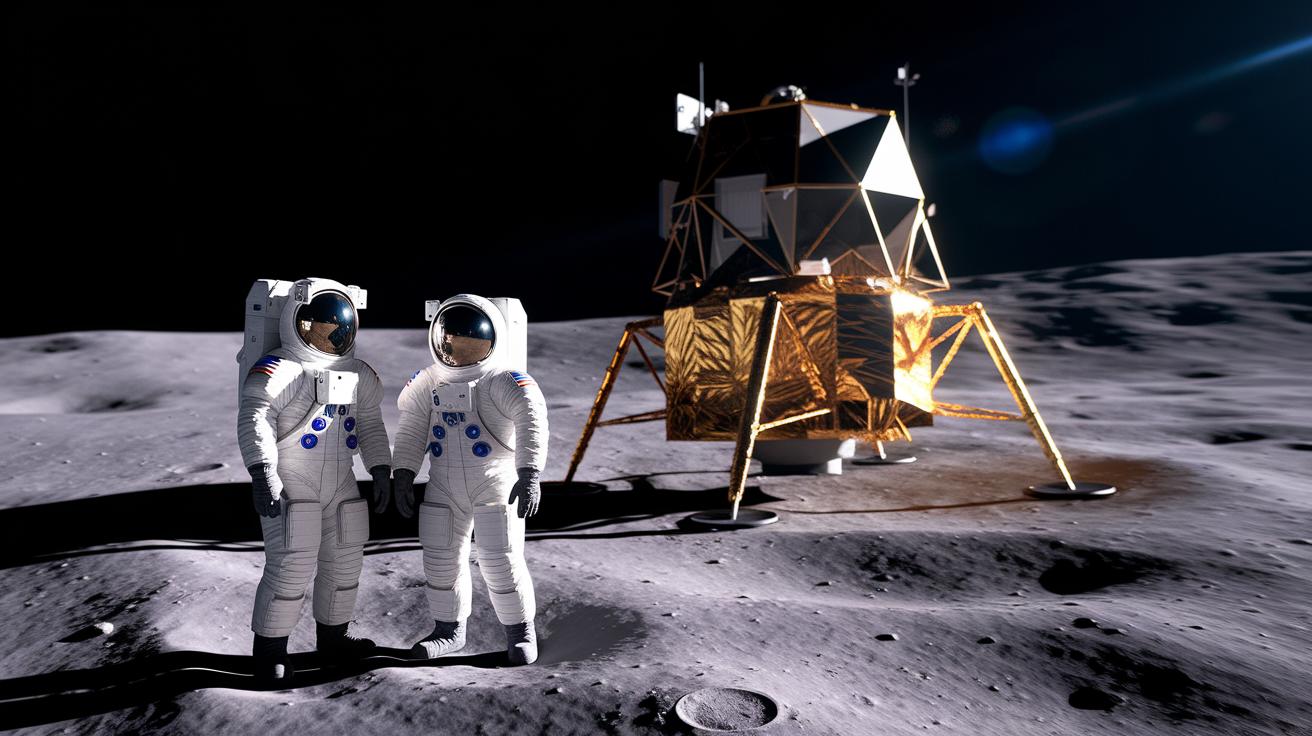
Artemis II is gearing up to carry four astronauts on a lunar flyby. This trip will test Orion’s life-support systems (the tech that keeps everyone safe and comfy in space) before we send crews out even further. It honors historic lunar flights like those from the Apollo era, all while adding exciting new technology. Imagine a crew of space pioneers taking a quick, thrilling lap around the Moon to confirm that every system is ready for upcoming deep-space journeys.
Crew-7 will also be busy, ferrying four space station crew members for about six months. They’ll support ongoing science experiments and perform regular maintenance. Meanwhile, the IXPE mission will deploy X-ray telescopes (instruments that capture high-energy light) to map fascinating cosmic objects like black holes and neutron stars. It’s a fine balance of human presence and smart robotic exploration, a true cosmic dance designed to maximize scientific discovery.
Europa Clipper is set to use remote sensors to explore the hidden ocean beneath Europa’s icy shell, searching for environments that might even support life. At the same time, the Mars Sample Return orbiter is planning to rendezvous with Martian samples for a future trip back to Earth. Each mission fills an important piece of our solar system’s grand puzzle, helping us see the bigger picture one discovery at a time.
NASA Launch Schedule Timing and Launch Windows
NASA figures out launch windows by studying orbital mechanics (that’s just the way objects move in space). For example, the International Space Station lines up with its orbit about every 92 minutes, so launches are carefully planned to meet these perfect moments, almost like catching the right beat in a song. When heading to the Moon, there are several days of possible launch times, each set to match the Moon’s position relative to Earth.
Weather, safety rules, and making sure everything is ready also play big roles. In places like Florida or California, changing seasonal weather can shrink or stretch the window available. Plus, safety checks and vehicle inspections might narrow things down to a very short slot or extend them up to 72 hours. In truth, engineers keep a close watch on all these details to pick the safest and most efficient time to blast off.
NASA Launch Schedule Ignites Stellar Anticipation
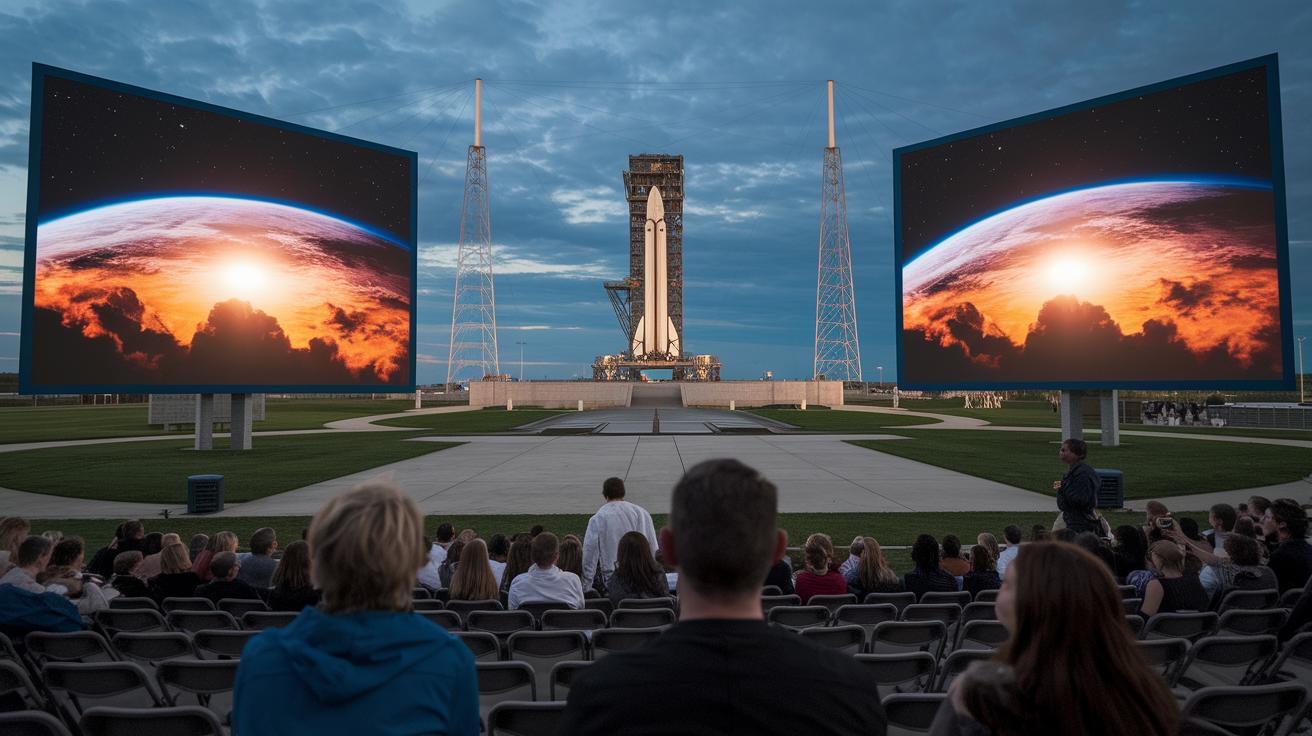
NASA makes it super easy for you to catch every exciting moment of their launches. You can watch live on NASA TV, YouTube, or the NASA app. About two hours before liftoff, friendly experts kick off with live commentary, giving you all the cool details as the countdown begins. Real-time timers and event trackers on NASA’s website keep an eye on every second, creating a buzz of excitement as you watch the countdown tick by.
If you’d rather feel the energy in person, local viewing events at the Kennedy Space Center Visitor Complex or nearby museums bring space fans together for a shared thrill. Social media updates add fun little surprises and extra details right when you need them, and live countdown widgets keep you perfectly in sync with the launch schedule. Whether you’re watching from home or joining a crowd, every NASA launch turns into a joyful celebration of wonder as rockets get ready to soar into the sky.
NASA Launch Schedule Launch Sites and Facility Calendars
NASA's launch sites are where the magic of space travel really comes alive. These places not only power our missions into space but also welcome curious visitors who can see those amazing pieces of tech in action. Many spots offer guided tours and visitor centers, so you can learn the science behind each liftoff. Imagine standing in a viewing area and hearing experts explain every exciting detail as a rocket lifts off, it’s like having your own front-row seat at a live science show.
| Site Name | Location | Typical Mission Types | Public Calendar Link |
|---|---|---|---|
| Kennedy Space Center LC-39A/B | Florida | Crewed SLS and commercial crew | space center houston |
| Cape Canaveral SLC-40 | Florida | Commercial resupply and satellite missions | space center houston |
| Vandenberg SFB SLC-4E | California | Polar-orbit insertions | space center houston |
| Wallops Flight Facility | Virginia | Small-rocket science flights | space center houston |
Keeping up with launch dates is super easy. Just subscribe to the calendar for each site, and you’re all set. Many space fans have said it feels like having a backstage pass to history, imagine always knowing when and where to catch the next thrilling liftoff! You can sign up for email alerts, follow social media pages, or check the public calendar links to get the latest on schedule changes, live event details, and special visitor programs. This way, every launch feels just as exciting as the moment it happens.
NASA Launch Schedule Alerts and Update Tools
NASA has a bunch of handy ways to keep you updated whenever the launch schedule changes. You can sign up for simple email alerts that let you know right away if a launch date or time shifts. The NASA app sends you push notifications for countdowns and even lets you know if a launch is called off. If you like real-time updates, RSS feeds and social channels like X and Facebook are there with live info about the weather and technical notes. All of these tools help you stay in the loop about mission readiness in a very straightforward way.
Setting up these alerts is a piece of cake. Just subscribe to the email alerts, download the NASA app for push notifications, and add the RSS feed to your favorite reader. That way, you won’t miss any changes, and you’ll get all the accurate flight updates you need to make your space-watching experience totally seamless and engaging.
Final Words
In the action, the blog post runs you through NASA's upcoming missions and key timelines. It highlights major details like Artemis II's lunar flyby, Crew-7’s ISS crew rotation, and innovative robotic science missions. The guide also covers live stream options, launch site specifics, and alert tools to keep you updated. With a clear outline on the nasa launch schedule and associated payload objectives, you’re set to follow every liftoff with confidence. Keep an eye on these exciting developments and enjoy the thrill of watching space exploration in motion.