


Are we on the brink of batteries that could change our lives? Imagine a future where our phones, cars, and homes run on batteries that are bigger, safer, and smarter. Scientists are busy exploring ways to boost energy storage while cutting costs, making it easier and cleaner to power our everyday needs.
Think about batteries that quickly adjust to how much energy we use, a move that could lead to a cleaner, greener world. In this article, we'll dive into some breakthrough ideas that might completely transform our energy future by 2030.
Future Battery Tech Innovations: Top Breakthroughs for 2030
Right now, most of our batteries run on lithium-ion power, a trusted technology built on years of research and investment. It’s become the go-to choice for everything from your everyday phone to electric cars, giving us reliable energy when we need it.
But there’s a lot of work underway to make batteries even better. Researchers are on a mission to boost how much energy a battery can hold, enhance safety, and make the whole process more eco-friendly, plus, they’re trying to bring the price down at the same time. Think of it like mixing smart science from the lab with real-world tests to get us to battery systems that can handle even bigger energy needs.
Most of these cool new ideas are just starting out. Only a few have moved past early lab tests into pilot projects ready for real production. The initial results are promising, yet turning these new plans into batteries that we can actually buy is a big challenge. The experts say that to really hit our 2030 goals, we need a lot more testing and tweaking. Until then, lithium-ion batteries will likely stick around, powering our devices on the journey to cleaner energy.
Lithium-Ion Evolution in Future Battery Tech
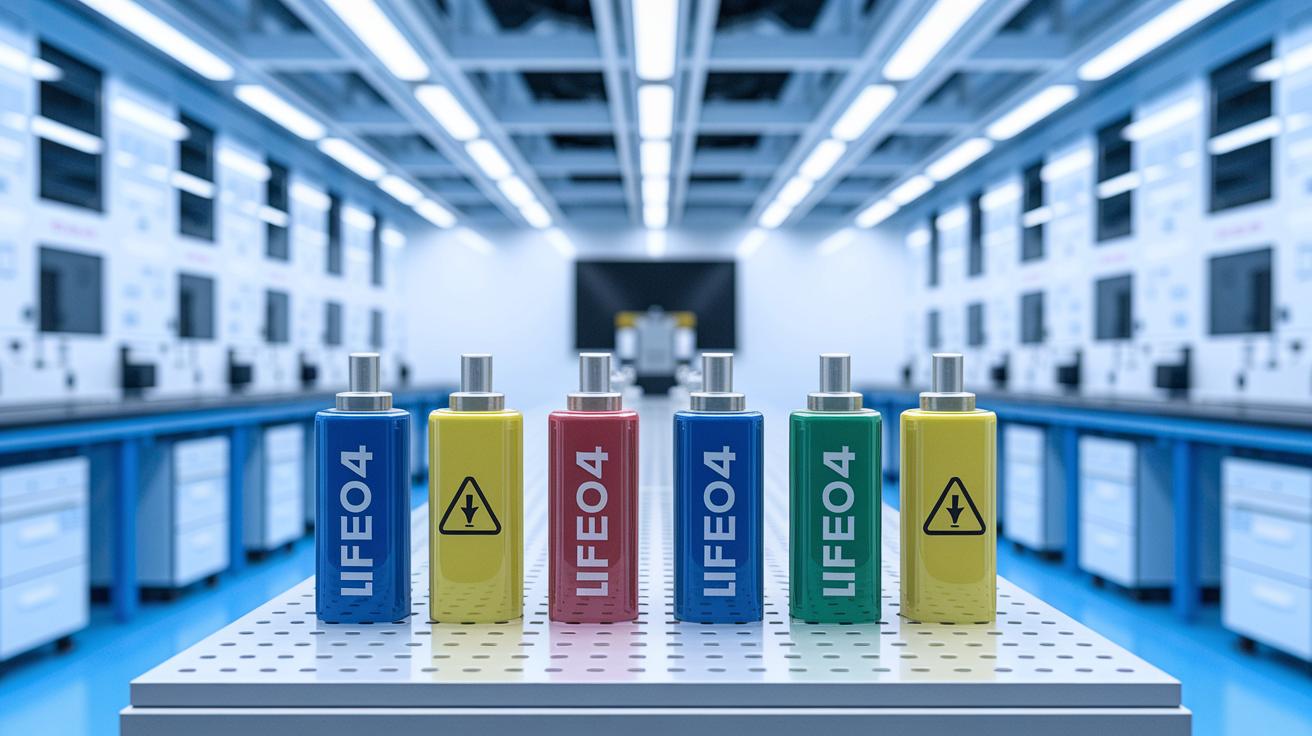
Have you ever stopped to think about how our phones, laptops, and electric cars keep going? Lithium-ion batteries are at the heart of it all. Today’s batteries, often called Generation 3a, rely on two main ingredients: LiFePO₄ (often shortened to LFP) and nickel-manganese-cobalt (NMC). These two types mix safety and cost-effectiveness to power the modern world.
| Chemistry | Energy Density (Wh/kg) | Cost ($/kWh) | Safety & Applications |
|---|---|---|---|
| LFP | 90–160 | $70–80 | High safety; entry-level EVs and stationary storage |
| NMC | 150–200 | $100–120 | Robust performance; mainstream automotive uses |
Each chemistry has its own special role. LFP is like that reliable friend who’s budget-friendly and safe, making it great for basic electric vehicles and home or office battery storage. On the other hand, NMC packs a punch with an extra boost of power, perfect for vehicles that need to cover more distance and deliver stronger performance. In simpler terms, LFP is the go-to for everyday needs, while NMC steps in when you need a bit more energy.
This clear divide in what each battery type does shows how lithium-ion technology has evolved. It’s a cool reminder of how innovative tweaks in design can change the way we capture and use energy every day.
Solid-State and Ceramic Electrolyte Advances in Future Battery Tech
Solid-state battery designs and ceramic electrolyte innovations are really turning heads in the way we store and use energy. European teams are testing out a new generation of lithium-ion cells that swap out the usual liquid electrolytes for solid ones. They’re even mixing in silicon anodes, or sometimes lithium-metal parts, to boost performance even more. This means no more flammable liquids, which leads to a much safer and sturdier power source that works well no matter the temperature.
- Enhanced safety with no flammable liquid
- Greater energy density, packing more power into the same space
- Wider temperature tolerance for steady performance even in extreme conditions
- Extended cycle life so the batteries stick around longer
- Fewer dendrites, which lowers the risk of short circuits
While the promise is huge, scaling these breakthroughs from the lab to factory floors still has its challenges. Manufacturers are busy finding ways to incorporate these new designs into existing production lines without driving up costs. Switching to a solid-state model means sorting out material consistency and making sure it fits with current battery setups. As research keeps rolling, the focus is on turning these exciting advances into everyday solutions that could soon power our devices with even better reliability and efficiency.
Sodium-Ion and Salt-Based Cells in Future Battery Tech

Sodium-ion batteries bring a smart, wallet-friendly twist to energy storage. They use everyday sodium salts that are both cheap and easy to find, making them a solid pick for home energy setups and even basic electric vehicles. These batteries promise reliable power without the hefty price tag, and they’re set to hit the market after 2025, offering a practical option for industries that need steady energy without breaking the bank.
On the flip side, sodium-ion cells usually pack less energy compared to the well-known lithium-ion ones. Simply put, they might not keep your device running as long on a single charge. But their lower cost makes them a great match for big storage systems or vehicles that don’t demand top-notch performance. In truth, these batteries are all about efficiency and sustainability rather than trying to push high-end power for every gadget.
Next-Generation Electrochemical Systems in Future Battery Tech
Research has moved past the standard lithium-ion batteries and now explores new chemistries beyond lithium. Early tests with systems like lithium-sulfur, lithium-air, and metal-hydrogen hint at batteries that could pack more energy than what we have today. However, turning these lab successes into products we use every day is no easy feat.
Lithium-Sulfur Batteries
Lithium-sulfur batteries switch up the usual design by using a sulfur cathode. This change could, in theory, let them store much more energy. They’re attractive because they’re lighter and might deliver higher power. But there’s a downside: with each charge and discharge, their performance slowly drops, which means they don’t last as long as hoped.
Lithium-Air Cells
Lithium-air cells work by using oxygen in the air to help generate power, kind of like how we breathe. This process might lead to batteries that are both lighter and much more powerful. Still, controlling the oxygen reactions and keeping moisture at bay are tricky challenges that researchers are still trying to solve.
Metal-Hydrogen Systems
Metal-hydrogen systems are still in the early stages of testing. They combine a metal anode with reactions that involve hydrogen, aiming to increase how much energy the battery can store. Early experiments are promising, yet managing these reactions safely and reliably over many cycles remains a work in progress.
Even though these new battery ideas sound exciting, there are big challenges ahead. Scaling up production, ensuring consistent quality, and keeping costs under control are all major hurdles. Until these issues are sorted out, these next-generation chemistries will remain mostly in the research phase.
Future Battery Tech in Electric Vehicles: Performance and Safety
Electric vehicles need more than just a steady power source, they require smart batteries that stretch what’s possible. New designs are aiming to give you extra miles on a single charge while cutting down the wait time at charging stations. Imagine a battery that fills up quickly, saving you precious time, and still packs a punch to drive further. These next-generation batteries promise more energy in a smaller package and better cooling (keeping things from getting too hot), which means your ride stays strong even when you push it to the limit.
Safety is front and center too. Engineers are adding clever features to keep things cool and prevent any risks like overheating or fire. Think of it like having a built-in safety buddy that watches over every cell and keeps the temperature just right. When high performance meets these extra layers of safety, every trip feels more secure. It’s all about balancing power with peace of mind, making your drive both exciting and safe.
Market Trends and Investment in Future Battery Tech
European plans are stirring up a lot of investment in the next wave of battery research. They’re putting money into newer Li-ion studies to help reach climate goals. Investors and governments are teaming up to support battery tech that promises cleaner energy. This steady stream of funds is paving the way for smarter manufacturing and fresh ideas in sustainable power.
Right now, many new battery chemistries are just starting out, which can slow down getting this tech to market. But startups are stepping in with flexible production models to tackle the challenge. The energy startup scene is buzzing with efforts to streamline how batteries are made, aiming to mix advanced materials more efficiently while cutting costs. This hands-on action is key to moving breakthroughs from the lab to large-scale production.
Experts say that sodium-ion cells might hit the market by 2025, offering a cost-effective option for storage and entry-level electric vehicles. With investors backing these affordable solutions, trends point to a gradual drop in battery prices. These changes are set to boost the global competitiveness of emerging battery technologies.
Final Words
In the action, this article broke down key advancements in future battery tech. We looked at how modern lithium-ion strides set the stage, explored solid-state and ceramic progress, and reviewed sodium-ion’s budget-friendly promise. It also highlighted emerging electrochemical systems and the strict performance standards needed for electric vehicles, along with market trends shaping investor interest.
Each section painted a clear picture of where energy storage is headed, leaving us inspired by the bright, tech-fueled future ahead.
FAQ
What is the new battery technology replacing lithium?
The new battery technology replacing lithium points to experimental systems—like solid-state cells and sodium-ion options—that aim to boost energy density and safety, with companies such as Tesla exploring these next-gen alternatives.
Is battery tech getting better?
Battery tech is getting better through steady improvements in safety, energy density, and cycle life, as researchers advance from traditional lithium-ion systems to innovative chemistries and designs.
What is the future EV battery technology?
The future EV battery technology involves moving beyond current lithium-ion cells to include designs such as solid-state and sodium-ion systems that target enhanced range, faster charging, and improved safety.
What is the future of the battery industry?
The future of the battery industry revolves around next-generation chemistries, safer designs, and higher energy storage capacities, with strategic investments driving gradual progress across automotive and grid applications.
Who are the future battery tech companies?
Future battery tech companies are emerging startups and established firms investing in cutting-edge chemistries and manufacturing advancements, positioning themselves to bring laboratory breakthroughs into commercial use.
Where can I find discussions and updates on future battery tech?
You can find discussions and updates on future battery tech on online platforms like Reddit, tech news websites, and specialized industry forums that provide live insights and expert commentary.
What breakthroughs are expected for new battery technology by 2025 and 2026?
Expected breakthroughs for 2025 and 2026 include solid-state innovations and alternative chemistries that promise improved energy efficiency and cost-effectiveness, setting the stage for significant industry advancements.