


Have you ever looked up at the night sky and wondered what secrets lie beyond our blue planet? Space exploration is our grand adventure to send smart machines and daring explorers into the vast cosmos. We use cool tools like telescopes (big space viewers), satellites, manned spacecraft, and robotic probes, all of which help us learn about stars, planets, and the simple rules that keep everything working.
These missions not only help us understand the universe but also inspire real breakthroughs that make life on Earth better. In this article, we’ll break down what space exploration means and share how these exciting ventures spark innovation, drive new technology, and give us a brighter look at the amazing world beyond our home.
What is space exploration: A Cosmic Delight
Space exploration means studying outer space using cool tools like telescopes, satellites, manned spacecraft, and even robotic probes. Both people and robots leave Earth to explore space. For example, astronauts can look directly into space, while robots collect information from far-off planets and stars.
Scientists aim to learn more about everything beyond our world. They study planets and stars, explore basic physics (the simple rules that make the universe work), and even try to figure out where it all began. It’s like piecing together a giant cosmic puzzle.
Nations and companies all over the world get behind space exploration for its many benefits. It sparks the creation of high-tech gadgets that help both in space and back on Earth. The discoveries made can boost education, spark new technologies, and even help the economy grow. Plus, the work in space brings practical benefits, like better communication systems and weather tracking that we use every day.
Tracing the History of Space Exploration: Key Milestones and Timeline
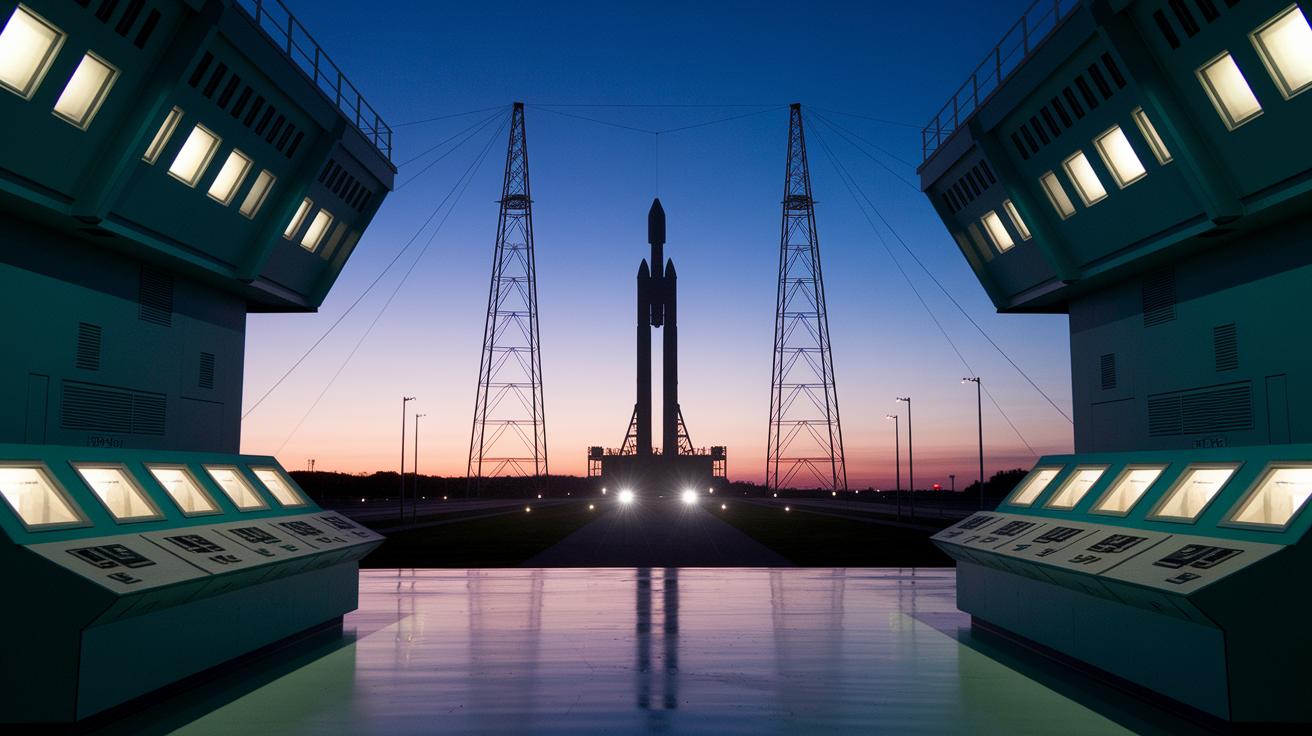
Space exploration started long ago with rockets built during wartime. Those early missile breakthroughs in World War II set the stage for launching objects into space. Over time, the focus shifted from using rockets for military power to exploring and understanding our universe, leading to a series of memorable events that pushed us beyond Earth.
| Year | Event | Significance |
|---|---|---|
| 1945 | German V-2 Rockets | These early tests taught us how to send rockets flying and laid the foundation for later space launch tech. |
| 1957 | Sputnik Launched | The first artificial satellite shook the world and kicked off the space race during the Cold War. |
| 1961 | Yuri Gagarin’s Flight | Yuri’s journey made history as the first person to orbit Earth, opening the door for human space travel. |
| 1969 | Apollo 11 Landing | Neil Armstrong’s famous step on the Moon proved that human footprints could reach new worlds. |
| 1981 | Space Shuttle Columbia Launch | The shuttle introduced a new era of reusable space vehicles, making orbit research more flexible. |
| 1998 | ISS Assembly Begins | This marks a time when many nations teamed up to build a lab in space for ongoing scientific research. |
These key moments show us just how much we’ve grown, from early rocket tests to today’s teamwork in orbit. Every event built on the last, helping guide both government space projects and private ventures. All of these pioneering missions continue to spark new ideas, encourage tech innovations, and remind us that exploring space is a shared journey filled with wonder.
Exploring Space Technologies: From Rockets to Robotics
Modern space missions are a fun mix of both hardware and software that team up to take our adventures into space to new heights. They use everything from big rockets, with engines that burn fuel to push them upward, to clever tools that gather data (think of them as high-tech cameras and sensors). These parts work together to keep astronauts safe and help unmanned missions fly on their own thanks to onboard AI (computers that can think a little on their own).
- Rockets: They use rocket engines that burn fuel to beat Earth’s gravity.
- Telescopes: They snap pictures of far-off space so scientists can study what they see.
- Satellites: They boost navigation and figuring out exact locations with upgrades like GPS III.
- Habitats: They involve crewed spacecraft with life-support systems and improved space suits for safe space walks.
- Comms: They provide strong communication tools for sending data back and forth.
- Robotics: They include rovers, landers, and orbiters that explore places where humans can’t go.
- AI: They use smart onboard computers that handle tasks in real time.
Imagine a mission where all these systems work together like a well-rehearsed team. A spacecraft might launch using a chemical rocket, then spread out telescopes and satellites to watch its flight path. At the same time, robotic explorers head out to collect data from the surface. Meanwhile, life-support and communication systems keep the crew safe and connected. With AI processing data on the spot, both the crewed and unmanned parts act in sync, showing us just how all these cool tech pieces combine to make space exploration possible.
Benefits of Space Exploration: Scientific, Economic, and Social Impacts
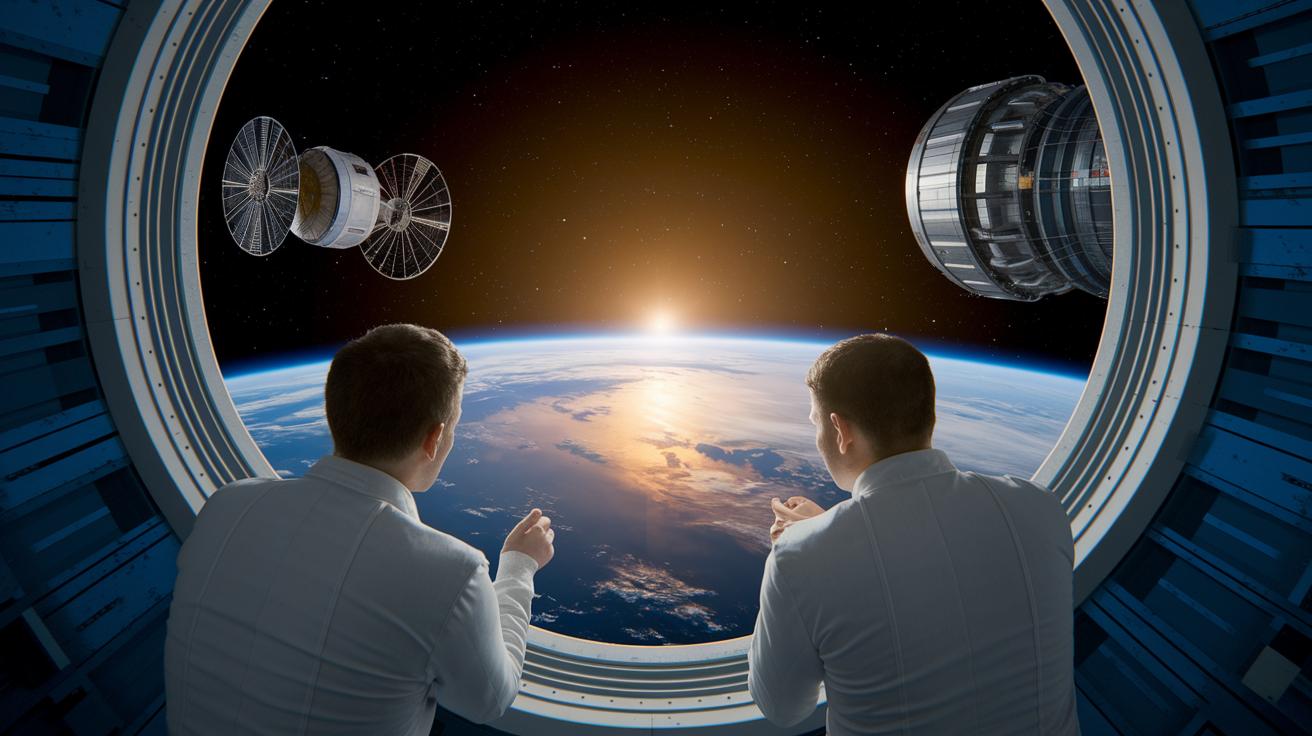
Space exploration has given us lots of scientific wins. Scientists study stars, planets, and the way things behave in low gravity (that’s when Earth’s pull is much weaker) to learn more about our universe. They even use experiments in this unique setting to see how fluids flow and fire burns, giving us helpful clues about both space secrets and everyday technologies. It’s exciting to see how these discoveries spark bright ideas and inspire people everywhere.
Exploring space also helps our economy and creates new industries. When we invest in space research, we open doors to high-tech jobs and clever innovations that go far beyond traveling to space. Many inventions originally built for space missions now improve medical imaging, phone systems, and manufacturing processes in our daily lives. These breakthroughs boost local economies and encourage entrepreneurs to develop new tech that benefits everyone.
Working together in places like the International Space Station makes even more progress possible. In this one-of-a-kind lab orbiting Earth, experts from different countries team up to run experiments that lead to better health care and stronger materials. Their shared efforts show that by pooling knowledge and tackling challenges together, we can build a brighter future for all.
Addressing the Challenges: Costs, Safety, and Technical Difficulties
Space missions can cost billions of dollars, putting a heavy strain on national and private budgets. Each major mission demands a huge investment that pushes our financial limits. Safety is always a top priority in our space adventures. Think about the Challenger disaster on January 28, 1986 – it happened just 73 seconds after liftoff and instantly changed how we view space travel. That event reminds us that even one mishap can reshape our entire approach and keep us aware of the risks.
On top of financial hurdles, technical challenges make things even more complicated. Spacecraft have to withstand severe radiation (which can damage equipment), deal with short-lived life-support systems, and handle the intense heat during re-entry into Earth’s atmosphere. These obstacles push engineers to keep coming up with fresh ideas and really test our ability to keep crewed missions both safe and reliable.
Debates often pop up about where the money should go, as people balance the high costs of risky missions against urgent needs back on Earth. Experts are always reviewing ways to reduce these risks while finding more budget-friendly solutions.
Future of Space Exploration: Mars, Beyond, and Emerging Frontiers

With the Artemis missions, we're starting to test the kinds of tools and systems needed for long trips away from Earth. These missions are like a dress rehearsal, checking if our space gear is strong enough for tough challenges, like sending people to Mars. Imagine a spacecraft that keeps astronauts safe on lengthy journeys while also carrying supplies built to handle the harsh conditions on Mars. This early work makes sure our technology can face the big challenges when we head for the red planet.
Government teams and private companies are joining forces to build space setups that last. NASA’s Artemis program works together with new research efforts and cool innovations like reusable rockets and commercial crew services. For example, Aerospace Corp. is expanding its research in Huntsville, AL. This shows how both public and private groups are pooling their skills and funds to build smarter, more cost-effective methods for getting into space and even making things in space.
New propulsion systems, smart robotics, and clever use of resources are set to change what space travel looks like. Updates like GPS III (an improved navigation system) help make sure our timing and routes are spot on, while fresh propulsion ideas promise to shorten travel times. Robots, now more capable than ever, will handle key tasks, from routine fixes to gathering important data, making missions smoother. All these advances point toward a future where exploring space is a refined blend of human creativity and machine accuracy.
Final Words
In the action, we walked through defining space exploration and its mix of human and robotic missions, revisited key milestones, and examined breakthrough technologies. We also unpacked the scientific gains, economic benefits, and the real struggles of cost and safety. Finally, we looked ahead to future missions that promise to transform our understanding of what is space exploration. The blend of past achievements and future plans leaves us eager for what's next.
FAQ
What is space exploration?
The term space exploration refers to using advanced tools like telescopes, satellites, crewed spacecraft, and robotic probes to study outer space. It involves both manned and unmanned missions to learn about planets, stars, and the universe.
What are the benefits of space exploration?
The benefits of space exploration impact science, economy, and society. They lead to advances in astronomy, new industrial sectors, and technological spin-offs such as better medical imaging and precision manufacturing methods.
What is the history of space exploration?
The history of space exploration began with early rocket research during World War II, followed by milestones like Sputnik, Yuri Gagarin’s flight, and the Apollo Moon landings. This progress paved the way for today’s international space efforts.
How do advanced technologies support space exploration?
Advanced technologies, from chemical-rocket propulsion and onboard AI to robotic rovers and life-support systems, empower both human and robotic missions to operate efficiently and collect valuable data from space.
What resources are available for students learning about space exploration?
Resources for students include essays, articles, PDFs, and clear online summaries that break down key concepts, historical milestones, and technology innovations, making the subject accessible and engaging for all learners.
How do chemical reactions contribute to space exploration?
Chemical reactions are essential in space exploration, especially in rocket propulsion. The combustion of fuel with an oxidizer generates the thrust needed to launch spacecraft beyond Earth’s atmosphere.
How does artificial intelligence support space missions?
Artificial intelligence supports space missions by automating tasks, analyzing data in real time, and enabling autonomous operations aboard spacecraft, which improves decision-making and overall mission efficiency.