


Have you ever wondered how small ideas can lead to big changes? A little spark in a lab or garage can turn into smart devices that change how we live, and even help our wallets. Once a few people caught on, these tools began transforming everyday routines and businesses alike. Bit by bit, these breakthroughs are paving the way for a future where fresh innovation really makes a difference in our day-to-day lives.
Technological Revolution Sparks Inspiring Future
A technological revolution starts as a quiet spark – a collection of fresh ideas that slowly grow before exploding into a wave of change. It’s like watching little seeds sprout into towering trees that completely transform a garden. For instance, smartphones once began as small experiments in select groups before they captured the world’s imagination.
This big, breakthrough moment isn’t just about moving forward. It introduces new, money-saving advantages that change entire industries. Often, early adopters pick up on these hints of change, only to realize later just how deep the impact runs. With each burst of innovation, companies tweak how they make things, business models shift, and our day-to-day lives start to change in exciting ways. It reminds me a bit of how the discovery of electricity reshaped everything from industry to daily living.
As we welcome these changes, it’s clear that every new idea builds on what came before. The result is a vibrant future where even modest starts can blossom into groundbreaking successes, inspiring communities to rethink and rebuild with fresh energy.
Historical Timeline of Major Technological Revolutions
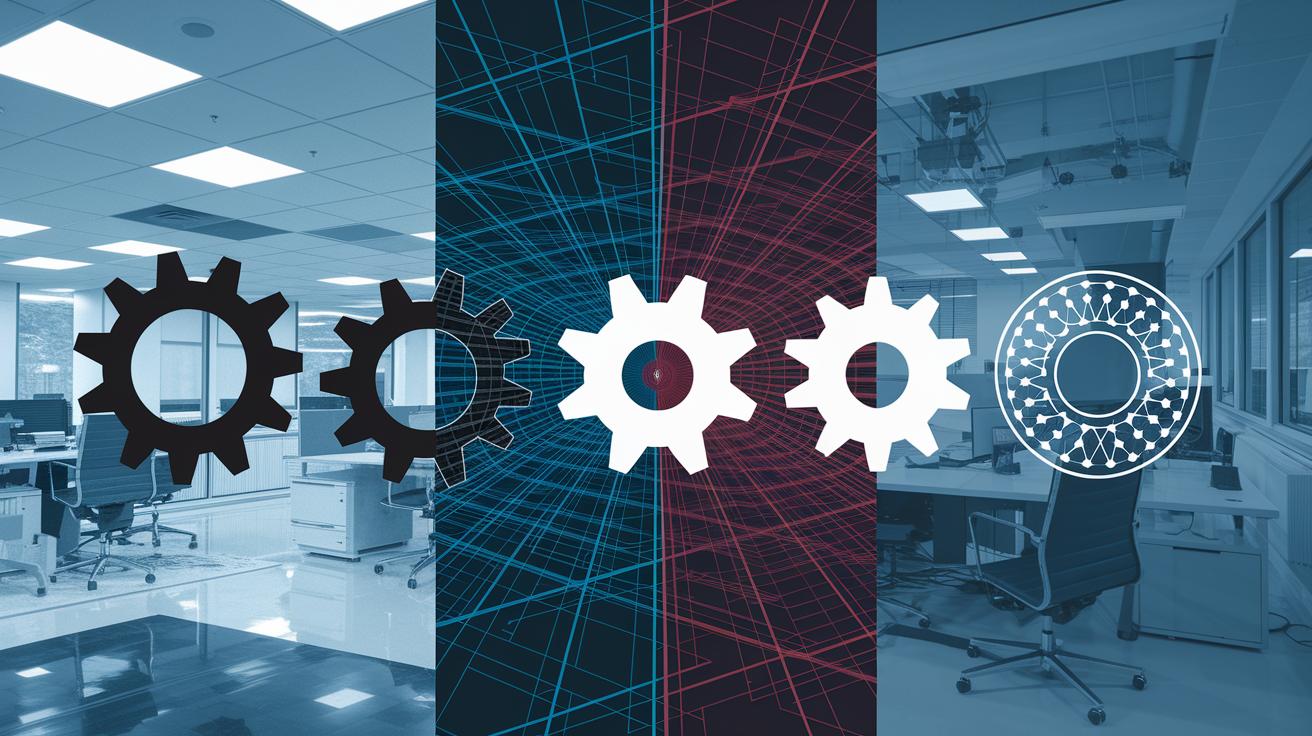
From the early clanks of machines to the digital signals lighting up our screens today, technology has steadily reshaped our world. It all started with small, quiet ideas that slowly grew until they burst into big breakthroughs. At first, only a few experts noticed these early changes, but soon everyone began to see how they completely transformed everyday life.
Different eras have brought along exciting waves of innovation. Early on, simple machines took over tasks, and later, digital networks made communication and business faster and smoother. Each period had its own spark of genius that eventually changed the way we work and live.
| Period | Name | Key Innovation(s) | Impact |
|---|---|---|---|
| Late 18th Century | Industrial Revolution | Steam engines, mechanization | Changed manufacturing and transportation |
| Late 19th Century | Second Industrial Revolution | Electricity, mass production | Spurred urban growth and new industries |
| Late 20th Century | Computer Revolution | Mainframes, PCs | Altered business operations and lifestyles |
| 1990s | Digital Revolution | Internet, mobile connectivity | Enabled global communication networks |
| Ongoing | AI Revolution | Machine learning platforms, automation systems | Reshapes industries with smarter solutions |
Every major tech breakthrough brought benefits that felt almost magical at the time. These moments of change gave businesses smarter tools and reshaped daily routines. When you look back over the centuries, it’s clear that steady, determined innovation has built a foundation for the high-tech world we live in today.
Economic Transformations Driven by Technological Revolution
Tech innovations keep changing the way we make and swap goods. Every new wave not only cuts costs but also boosts productivity and sparks fresh business ideas. Think about it like this: we moved from farming to factories, and now we're into services and smart, data-based platforms. Each shift leaves its mark on our economy.
As work and trade evolve, old ways of doing business give way to more flexible systems that drive growth. New production methods and ways to deliver services signal big changes, while bursts of high speculation often settle into long-term trends. By watching these patterns, we get a glimpse of the forces that fuel innovation across different fields.
Some key drivers currently include:
- Machine-powered production
- Savings from scaling up
- The rise of the service industry
- Online digital marketplaces
- Streamlined processes through data
- Ecosystems built around platforms
- Automation powered by AI (a kind of smart, self-learning tech)
In short, these economic shifts show us that progress isn’t just about high-tech gadgets. Each wave reshapes industries and everyday business habits, paving the way for a more connected and prosperous economy. Even small innovations can trigger changes that ripple out in big ways.
Societal Impacts of Technological Revolution on Culture and Communities

Communities often change slowly when new technology comes into play. In the beginning, people usually stick to the familiar, keeping their routines steady. But if you listen closely, you can feel a quiet excitement, a small push toward trying out fresh ideas. For example, many schools started by testing smart boards and interactive modules in small pilot programs, which later completely changed how information was shared in classrooms.
Before long, as digital ways become more common, old social norms start to shift. Think about how handwritten letters have made way for messages that zoom across the internet. Even gatherings have evolved, with local meetups sometimes moving to vibrant online forums where people from all backgrounds share and shape new cultural habits.
Next, society tends to adopt these changes in clear stages. At first, a small group of enthusiasts who really know their tech lead the way. As these new tools and ideas mature, more and more people start seeing how useful they are. This gradual process touches everything, from everyday conversations to the very structure of how communities are organized.
We can see these changes in many parts of life like work, learning, and celebrations. Each new shift builds on the past, helping communities move from a place of initial resistance toward a slow, steady transformation. This process sets the stage for even more advances that will continue to reshape our world.
Key Drivers and Patterns in the Evolution of Technological Revolution
Innovation doesn’t just appear out of nowhere. It starts in busy labs where curious folks experiment and shape fresh ideas. Imagine a small team, fueled by a wild concept, working through trial and error until that spark transforms into a breakthrough. It’s that early creative hustle that sets the stage for bigger shifts.
Once these ideas gain momentum, a boost of research and development funding usually follows. In one case, a simple research project received a multi-million dollar injection that eventually reshaped how entire industries work. This financial backing helps turn raw ideas into successful products and services, moving them from the lab bench to your local store.
Rules and policies also play a big role here. They help create a level playing field for new innovations and guide how these ideas take shape in the real world. Visionary leaders add their own magic, either speeding things up or sometimes making us rethink the plan. Have you ever seen how a determined leader can rally a team around a project that completely changes an industry’s game?
In short, a mix of creative research, exciting funding boosts, practical market changes, and dynamic leadership all work together to create clusters of innovation. And that’s how we keep witnessing waves of technological progress over and over again.
Industrial to Digital: Case Studies in Manufacturing Revolution
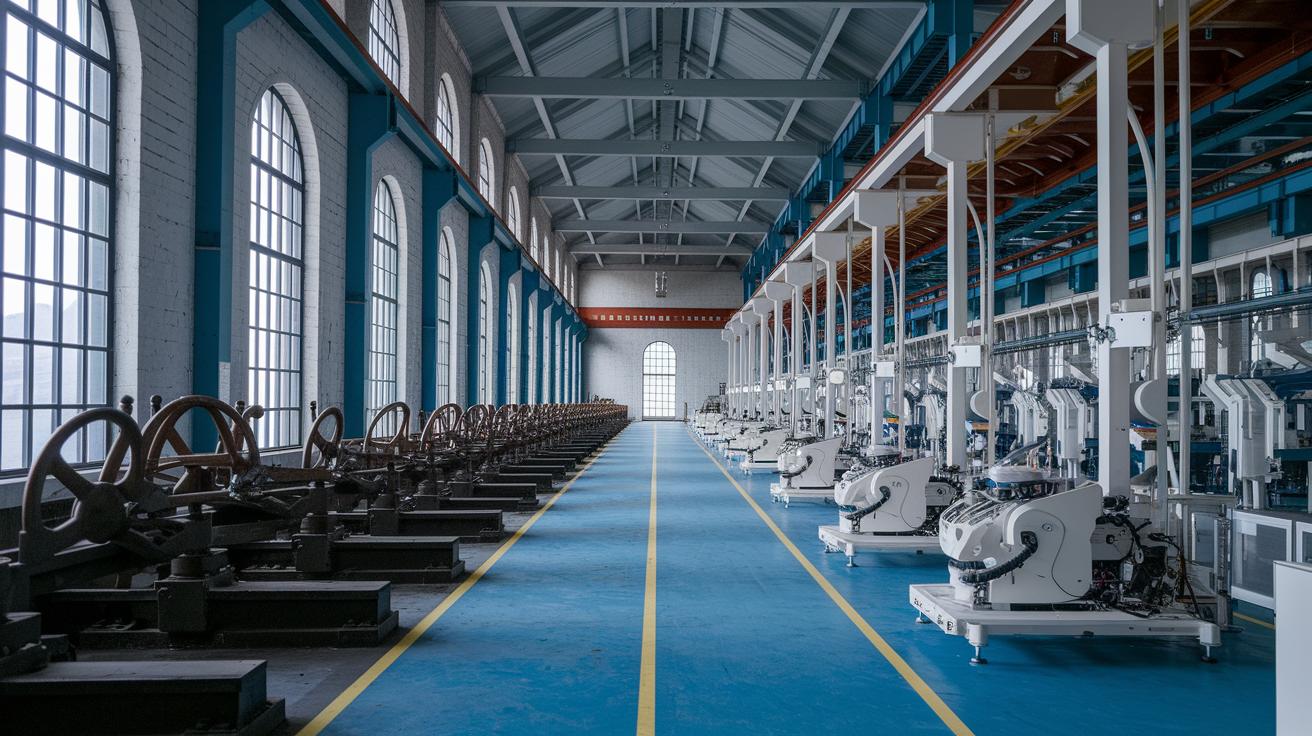
Manufacturing has changed a lot over the years. In the old days, factories used big, clunky machines and every detail was handled by human hands. Before digital tools came along, workers had to adjust every lever and dial, which made each product one-of-a-kind. Today, though, smart systems keep an eye on production in real time, making sure everything is built quickly and just right.
A big turning point came during the Dotcom Bubble. Back in 2002, Carlota Perez pointed out that the Internet was stepping into a golden era, which got many companies rethinking how they made things. That idea still guides modern factories as they use digital tools to make operations smoother and boost efficiency.
Then there's the China Model. Instead of slowly updating old techniques, many companies there jumped straight to digital solutions, leaving behind traditional mechanical methods. You can see automation in action everywhere now, from robotic arms assembling tiny electronics to sensors that check quality on huge production lines. For a closer look at these trends, check out Industrial Technology.
One great example of this digital shift involves a long-standing car company that revamped its assembly line into a fully automated system. This change slashed production times and set a new standard in manufacturing. It’s a clear sign that the move from analog to digital not only modernizes production but also shapes a dynamic future for the market.
Future Trends: Anticipating the Next Technological Revolution
Artificial intelligence is changing the way we solve problems, bit by bit, over the last 50 years. In the near future, AI will team up with other new technologies to build smarter systems and make work run smoother. Imagine a shipping company that uses smart self-learning tools to plan its routes more efficiently. It’s hard to believe, but before AI's arrival, shipping stuck with strict timetables and manual tracking.
The talk around the tech world now often turns to a Crypto Revolution. People are excited about blockchain, which is a secure way to exchange value (a method of recording information in a very safe, unchangeable manner). Yet, experts also warn us that quick money trends might create bubbles that burst before things can settle down into something lasting. At the same time, there’s a growing push to use renewable energy to power our industries in a cleaner way.
Cloud computing is another big trend, letting companies handle vast amounts of data with ease. Hidden trends and patterns are now coming to light, all thanks to big-data insights, that help make smarter decisions. Meanwhile, biotechnology is grabbing attention too, as groups of researchers mix life sciences with modern technology in exciting new ways.
We’re also seeing fresh faces in the tech scene, especially among startups. These innovative companies are taking advantage of growing clouds and green energy to change the way industries work, much like past waves of technology transformed old business practices.
All of these trends are influenced by cycles of quick investments and bursts of excitement. This tug-of-war between short-term hype and long-lasting progress will guide how we experience the next big changes in technology.
Final Words
In the action, the article paints a vivid picture of how shifts in science and tech have reshaped our world. It reviews major eras, from early mechanical breakthroughs to today's digital systems, and how each wave sparked crucial economic and cultural changes.
The examples and case studies highlight patterns that build toward a dynamic future, serving as a clear guide through the technological revolution. The outlook remains bright, inspiring us to embrace what's coming next.
FAQ
What is the meaning of technological revolution?
The technological revolution means a significant wave of new tools and systems that change how industries operate and drive long-term progress in our society.
What happened in the technological revolution and what is it called?
The technological revolution saw shifts from early ideas to breakthrough moments that transformed industries; it is often described by its key trends, such as the Industrial shift or Digital change.
What are the 5 technological revolutions?
The five waves include the late 18th-century steam and machine phase, the late 19th-century period of mass production and electricity, the late 20th-century computer phase, the 1990s Internet phase, and the current AI-focused wave.
What are some examples of technological revolution?
Examples include the steam engine’s impact during the start of industrial change, the rise of electricity in mass production, the Internet’s arrival in the 1990s, and today’s advances in AI transforming multiple sectors.
How has the technological revolution influenced the world in the 21st century?
In the 21st century, the technological revolution has driven digital systems, AI advances, and innovative business models that are reshaping economies and altering how communities communicate and work.
What technological changes defined the 20th-century revolution?
The 20th-century revolution is marked by the rise of computers, the spread of electronic communication, and the development of digital systems that set the stage for today’s interconnected world.
Are there any prominent books on the technological revolution?
Prominent books on the technological revolution provide insights into its historical progress, examine key shifts in industry and social structures, and explore how these changes affect our daily lives.
What developments marked technological advancements in 2022?
In 2022, technological advancements focused on stronger AI tools, renewable energy projects, faster connectivity, and digital innovations that reshaped economic dynamics and social interactions worldwide.